 English
 русский
 Français
 Español
 عربى
عربى

Content
China Is the Manufacturing Hub for Container and Prefab Homes
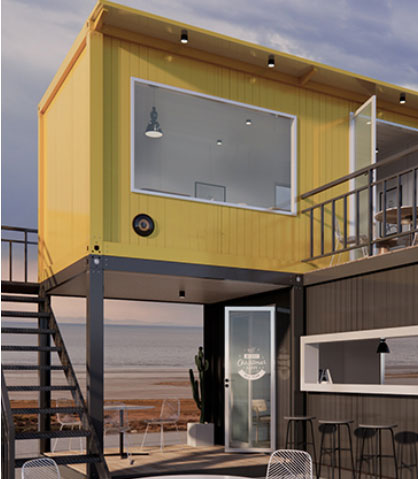
Most container homes, prefab homes, and modular homes sold worldwide today are built in China. The country combines dense steel fabrication clusters, mature shipping container supply chains, and factories that already produce structural steel components at volume for other industries — which keeps unit costs lower than almost anywhere else. Coastal provinces such as Guangdong, Jiangsu, and Shandong host the highest concentration of manufacturers, largely because they sit close to major container ports and steel mills.
For buyers researching container homes from China, the appeal isn't just price. Factories in these regions typically run in-house welding, insulation, and electrical fit-out lines under one roof, which shortens lead times compared to sourcing from fragmented suppliers elsewhere.
Container Homes vs. Prefab and Modular Homes: What Actually Differs
These three terms get used interchangeably, but they describe different construction methods, and the distinction matters once a buyer starts comparing quotes:
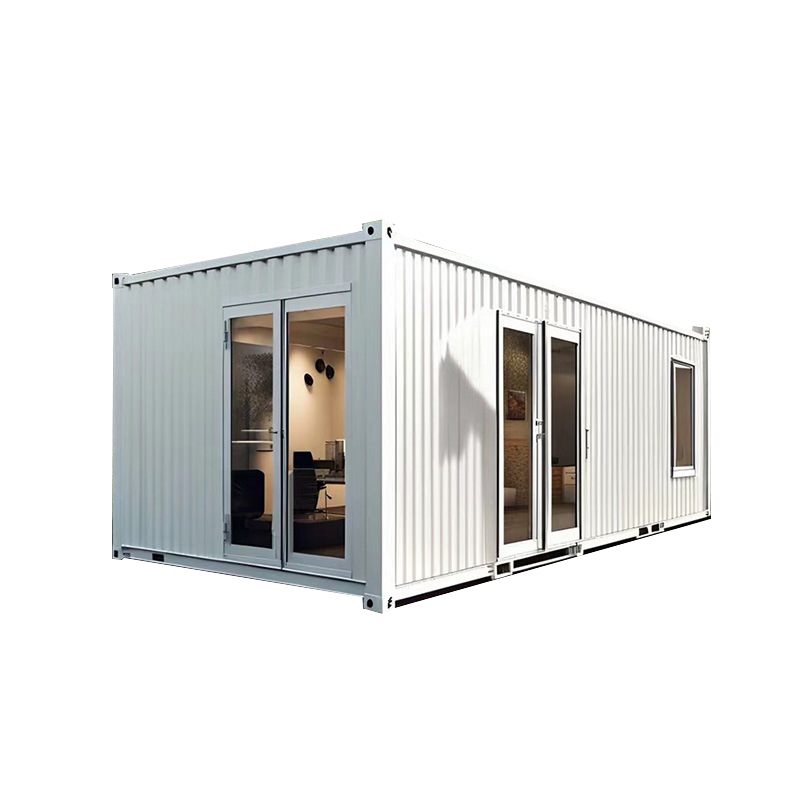
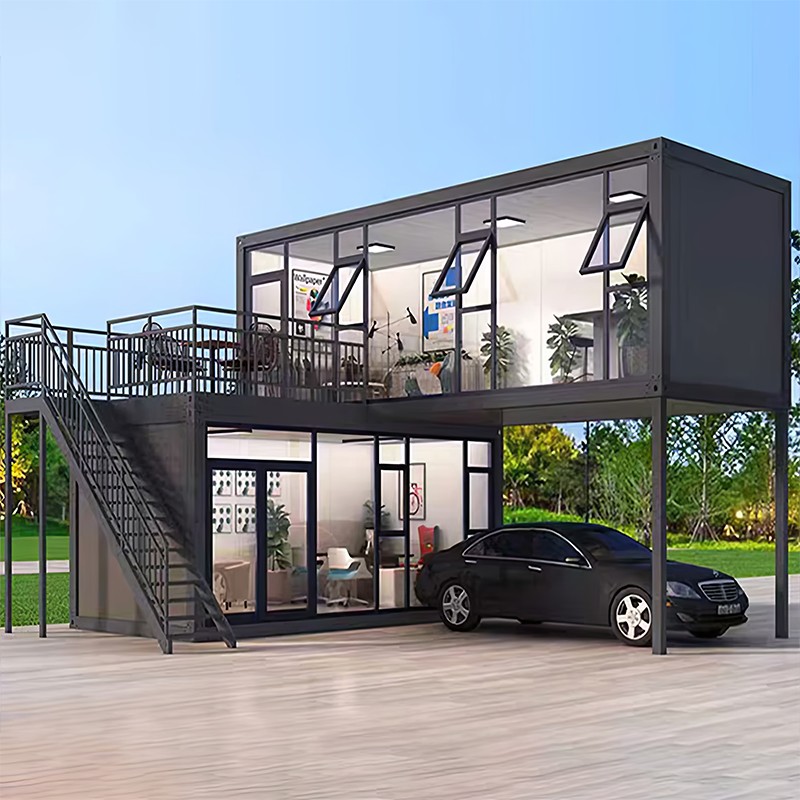
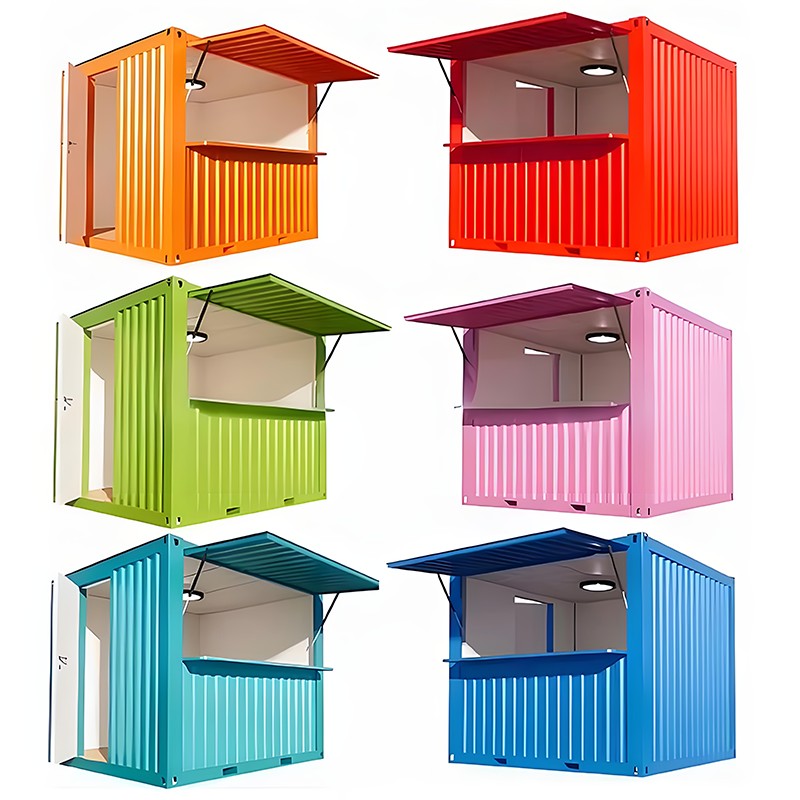
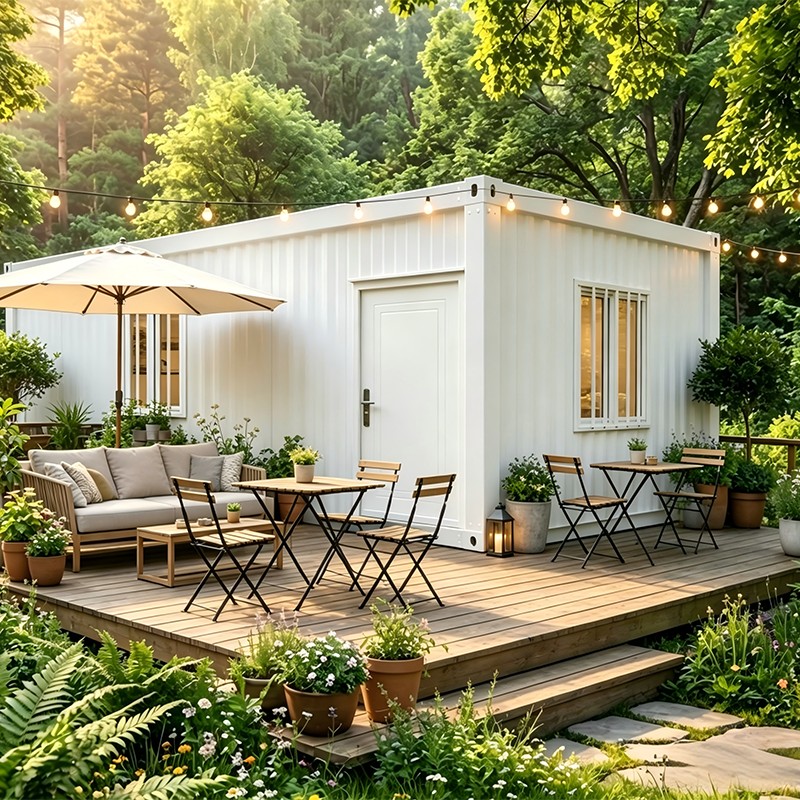
- Container homes are built from repurposed or purpose-built steel shipping containers, retaining the corrugated steel shell as the structural frame.
- Prefab homes is the broader umbrella term — any home where major components are manufactured off-site and assembled on location, which can include container-based, panelized, or light-steel-frame construction.
- Modular homes are built as complete, finished room-sized modules (often with flooring, wiring, and fixtures already installed) that get craned into place and joined on site, rather than shipped as flat panels.
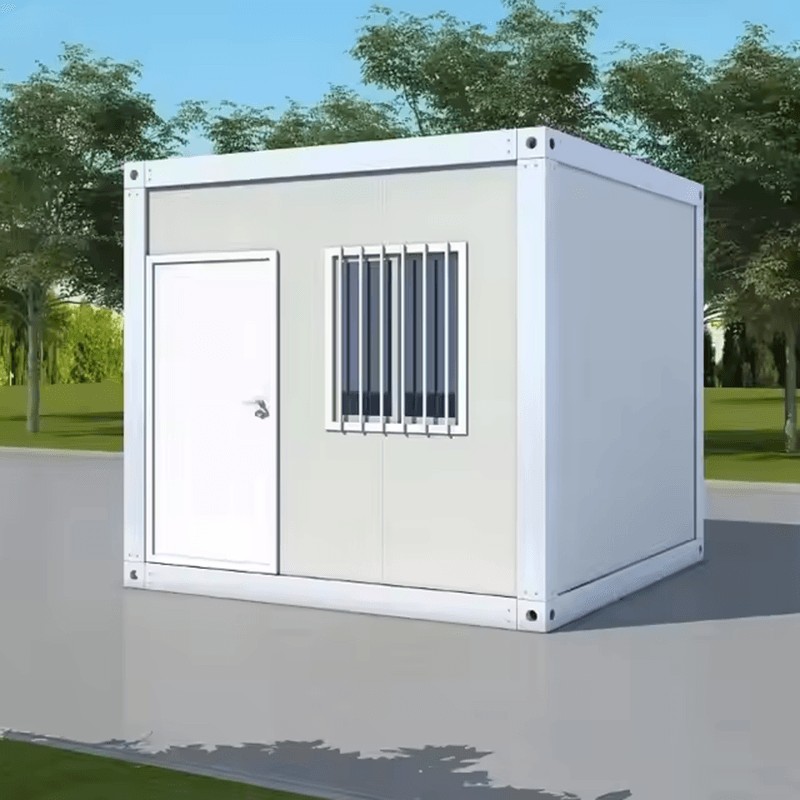
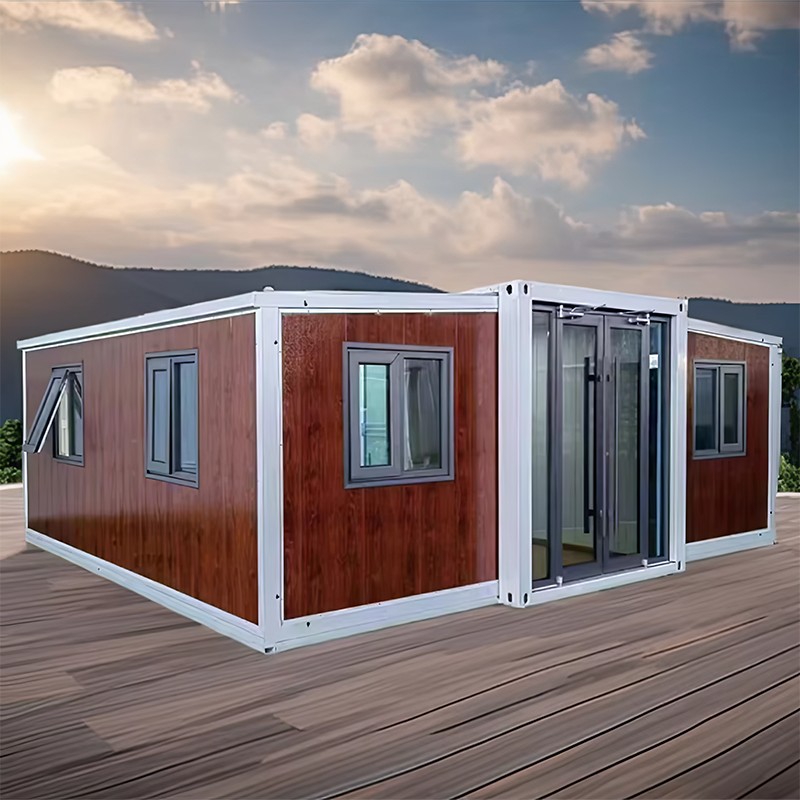
A buyer searching for flat pack homes China is usually looking for a fourth category: kits shipped disassembled in panels to reduce freight volume, then bolted together on site — a method that suits buyers without crane access.
What Drives Cost When Sourcing Prefabricated Homes from China
Price quotes for the same square footage can vary by two or three times between suppliers, and the gap almost always comes down to a handful of specification choices rather than the base structure itself:
| Cost Factor | Impact on Final Price |
|---|---|
| Insulation type (rock wool vs. polyurethane sandwich panel) | Moderate — affects climate suitability more than raw cost |
| Steel gauge and frame grade | High — determines wind and snow load rating |
| Interior fit-out level (bare shell vs. turnkey) | Highest single variable in total cost |
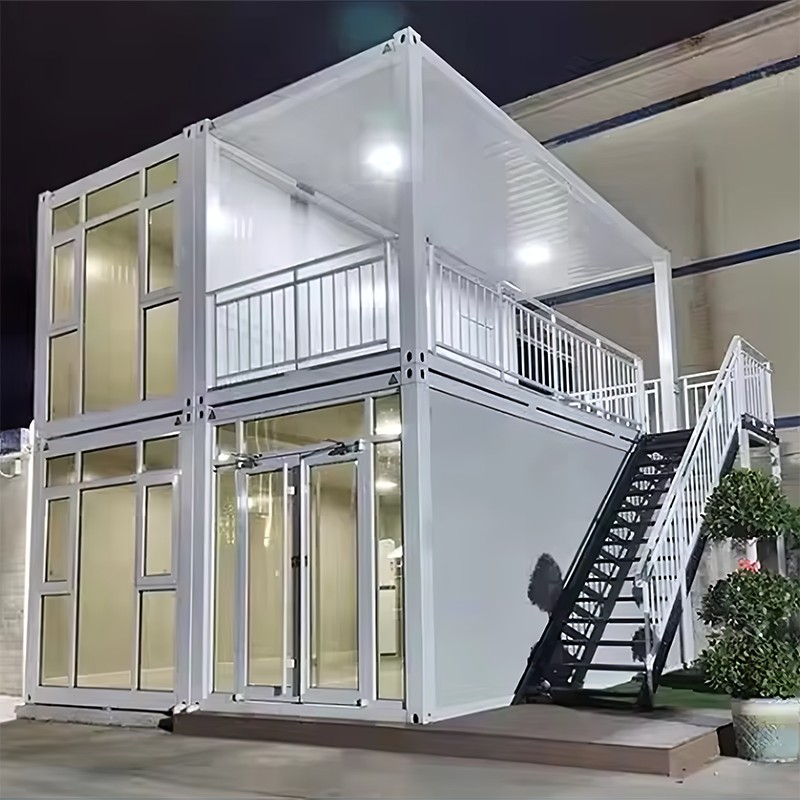
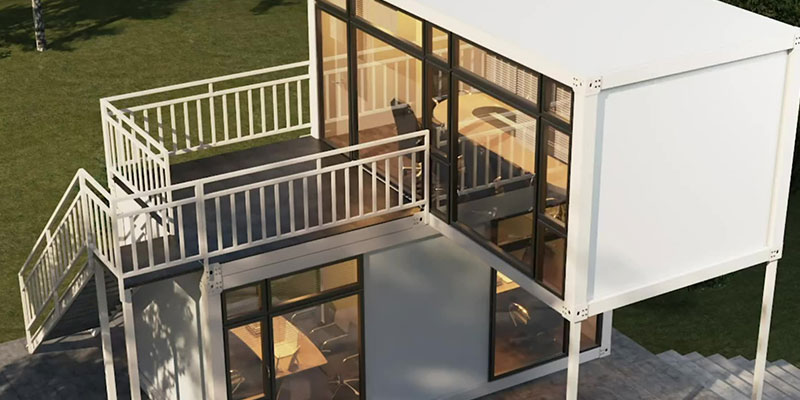
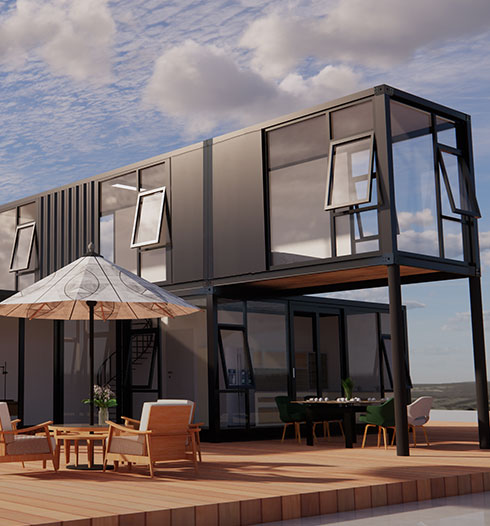
| Container/module count and stacking height | High — multi-story units need reinforced framing |
Buyers evaluating prefab house China quotes should always ask suppliers to break out these line items separately — a per-square-meter number with no spec sheet attached is close to meaningless for comparison purposes.
Shipping and Customization Considerations
Ocean freight is usually the second-largest cost after the unit itself, and it's where flat-pack and modular formats diverge sharply. A fully assembled 20-foot container home occupies one full container slot; a flat-pack kit of the same footprint can often nest into a fraction of that volume, which is why buyers focused on shipping cost tend to gravitate toward panelized or flat-pack designs over pre-welded modules.
On customization, most manufacturers offer three tiers: standard catalog layouts (fastest lead time, lowest cost), modified layouts using existing tooling (window and door repositioning, added mezzanines), and fully custom architectural designs (longest lead time, requires engineering drawings). It's worth confirming which tier a quote assumes before comparing it against a competitor's price.
Vetting Manufacturers and Checking Certification
Not every factory listed online actually manufactures — many are trading companies that outsource production and add a markup. A few checks separate genuine manufacturers from resellers:
- Request factory audit photos or a live video walkthrough of the welding and assembly line.
- Ask for CE, ISO 9001, or destination-country building compliance documentation relevant to the buyer's region.
- Confirm whether steel thickness and insulation R-values on the quote match what's stamped on the actual product specification sheet, not just marketing copy.
- Check payment terms — legitimate manufacturers with their own production lines are usually willing to accept staged payments tied to production milestones rather than full payment upfront.
This diligence matters most for buyers sourcing modular homes China suppliers for the first time, since structural defects are far more expensive to fix after a unit has already shipped than to catch during factory review. Manufacturers with their own dedicated production lines rather than trading-desk operations — such as Wujiang Hongchang Color Plate House Factory, which runs in-house R&D, manufacturing, and quality control for color plate mobile houses, folding container units, and customized container homes — are generally a safer starting point for a first factory visit or sample order.