 English
 русский
 Français
 Español
 عربى
عربى

Content
- 1 What Mobile Container Homes Actually Are
- 2 Structural Components That Determine Livability
- 3 Mobile Container Homes vs. Traditional Modular Construction
- 4 Insulation and Climate Control: The Steel Challenge
- 5 Cost Breakdown for a Container Home Project
- 6 Site Preparation, Foundations, and Permitting
- 7 Common Layout Configurations
- 8 Evaluating a Container Home Supplier
What Mobile Container Homes Actually Are
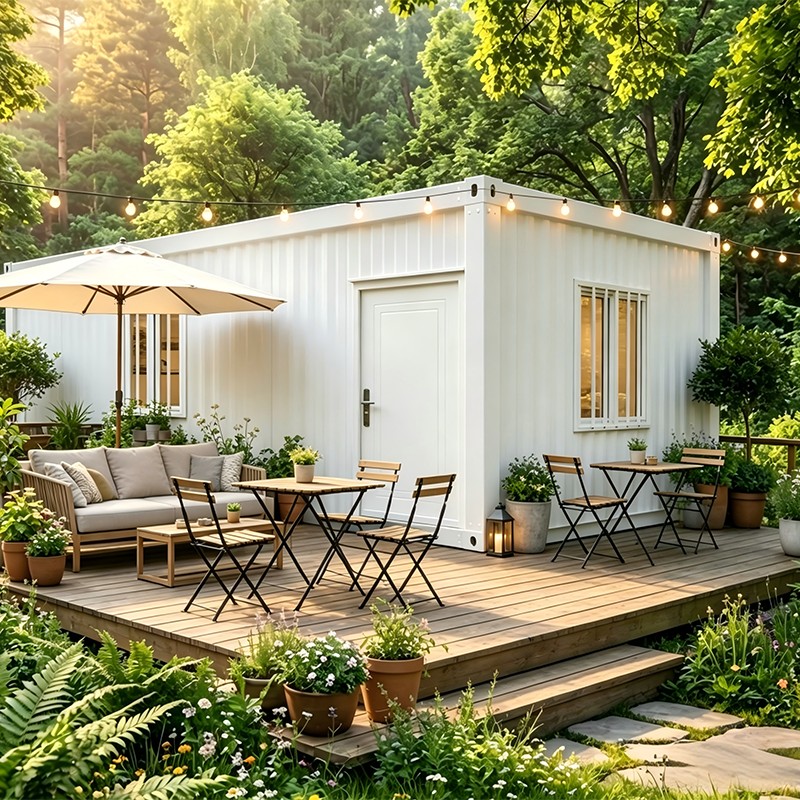
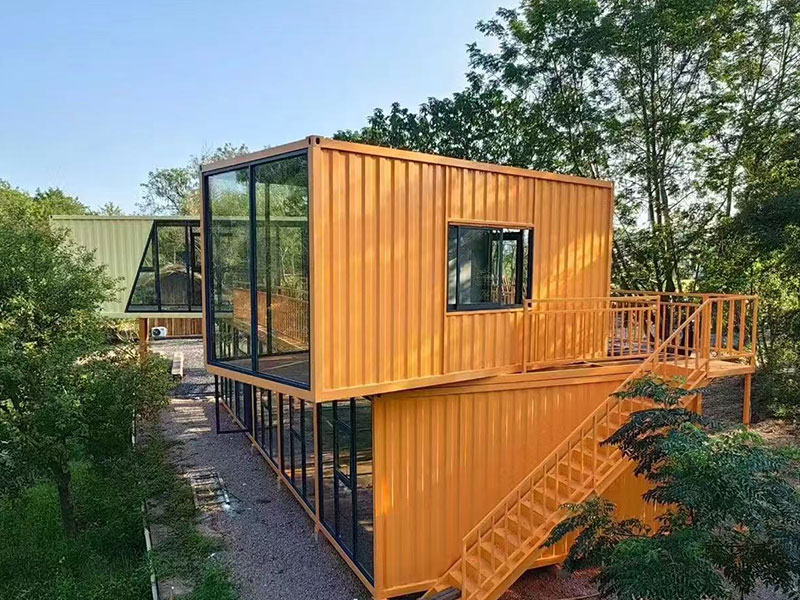
A mobile container home is a repurposed or purpose-built steel shipping container converted into a livable structure, then transported as a complete or near-complete unit to its final site. Unlike site-built modular homes that are assembled from panels or frames on location, container homes arrive with most of the structural work already finished — walls, roof, and often insulation and wiring are done before the unit ever leaves the factory floor.
The appeal comes down to three things: speed, cost predictability, and structural strength. A standard 20-foot container can be converted and delivered in 6-10 weeks, compared to 4-6 months for conventional stick-built construction. Corten steel walls also give the structure a wind and load rating that far exceeds typical wood-frame housing, which is why container homes are increasingly used in coastal and disaster-prone regions.
Structural Components That Determine Livability
Not every container is suitable for conversion. The components below separate a durable, code-compliant home from a structure that will fail inspection or degrade within a few years.
- Container grade: "One-trip" containers (used for a single ocean voyage) have minimal rust and warping, making them the preferred base for residential conversion over multi-trip cargo units.
- Corner castings and reinforcement: Cutting window and door openings weakens the container's structural frame, so reinforced steel framing must be welded around every opening to restore load capacity.
- Flooring substrate: Original marine plywood flooring is often treated with pesticides for cargo transport and needs to be removed or sealed before residential use.
- Roof drainage: Flat container roofs require added slope or a secondary roof structure to prevent water pooling, a common failure point in poorly converted units.
Mobile Container Homes vs. Traditional Modular Construction
Both approaches offer off-site construction advantages, but they differ significantly in material, cost structure, and mobility.
| Factor | Container Home | Wood-Frame Modular |
|---|---|---|
| Structural material | Corten steel | Engineered wood / SIP panels |
| Typical lead time | 6-10 weeks | 3-6 months |
| Relocation after install | Straightforward with crane/flatbed | Difficult, often not designed for it |
| Wind/seismic resistance | High (steel frame) | Moderate, depends on anchoring |
| Insulation starting point | Requires added insulation (steel conducts heat) | Often pre-insulated in panel |
Insulation and Climate Control: The Steel Challenge
Steel is an excellent structural material but a poor thermal barrier — it transfers heat quickly, which means an uninsulated container becomes uncomfortably hot in summer and cold in winter. This is the single most common oversight in budget conversions.
Three insulation approaches dominate the industry:
- Closed-cell spray foam: Sprayed directly onto interior steel walls, offering the highest R-value per inch and doubling as a vapor barrier.
- Rigid foam board with furring strips: A more budget-friendly option that adds interior wall depth but is faster to install in cooler climates.
- Exterior cladding with insulated panels: Preserves interior square footage and reduces thermal bridging at the frame, though it adds to the container's overall footprint.
Climates with high humidity also require condensation control between the steel skin and interior finish, since trapped moisture behind insulation is a leading cause of hidden corrosion.
Cost Breakdown for a Container Home Project
Pricing varies widely by region, finish level, and number of containers combined, but a realistic budget generally breaks down as follows:
- Container shell (one-trip, 20ft or 40ft): roughly 25-30% of total project cost
- Structural modification and reinforcement: 15-20%
- Insulation, electrical, and plumbing rough-in: 20-25%
- Interior finishing (flooring, fixtures, cabinetry): 20-25%
- Site prep, foundation, and delivery: 10-15%, heavily dependent on site accessibility
Multi-container builds (combining two or more units for larger floor plans) reduce the per-square-foot structural cost but add welding and structural engineering fees for the connection points between containers.
Site Preparation, Foundations, and Permitting
Because container homes are structurally self-supporting, they don't require a full basement or continuous slab in most jurisdictions. Common foundation types include:
- Pier foundations: Concrete piers placed at the container's corner castings, ideal for sloped or uneven terrain.
- Strip footings: Continuous concrete strips under the container's long edges, offering more even load distribution.
- Slab-on-grade: A full concrete pad, typically used when the home is intended as a permanent, non-relocatable installation.
Permitting requirements differ significantly by jurisdiction — some classify container homes under standard residential building codes, while others require additional structural certification specific to shipping container conversions. Confirming zoning and code classification before ordering a unit avoids costly delays after delivery.
Common Layout Configurations
Container homes scale from compact single units to multi-container layouts, each suited to different use cases:
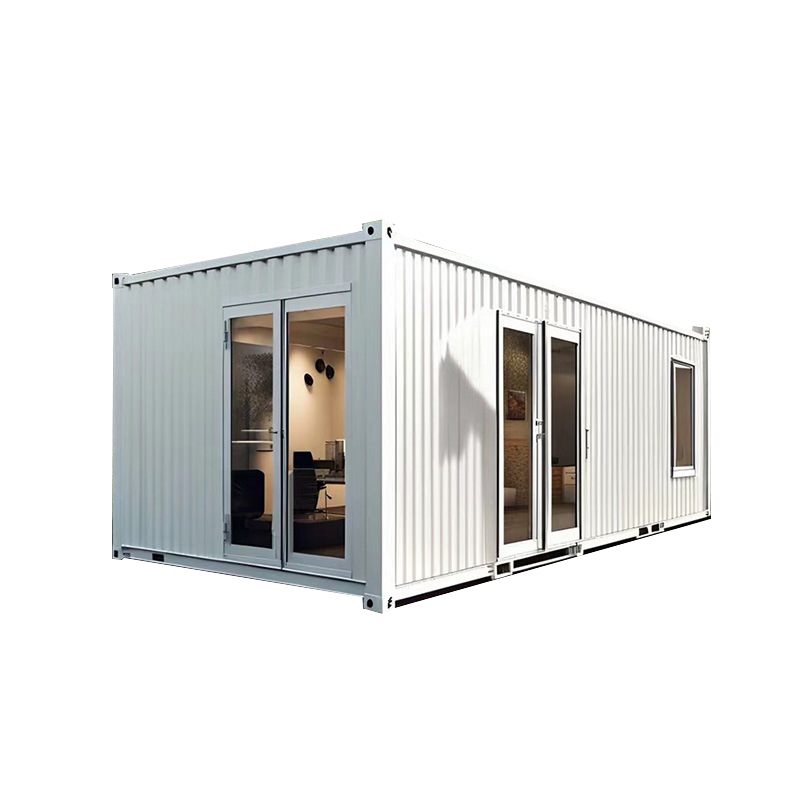
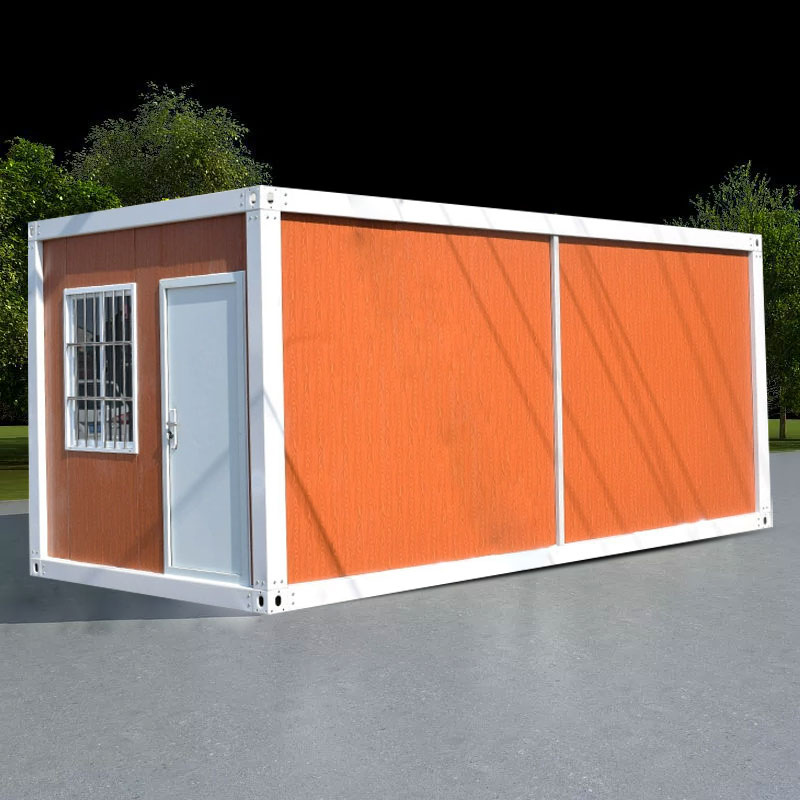
- Single 20ft container (~160 sq ft): Studio-style living, guest suites, or backyard offices.
- Single 40ft container (~320 sq ft): One-bedroom layouts with a separated kitchen and bathroom zone.
- Two 40ft containers, side-by-side: Two-bedroom homes with an open-plan living area spanning both units.
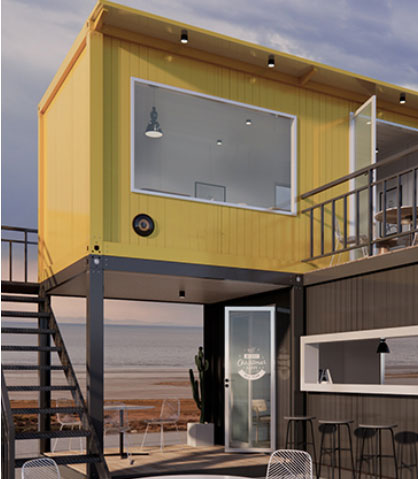
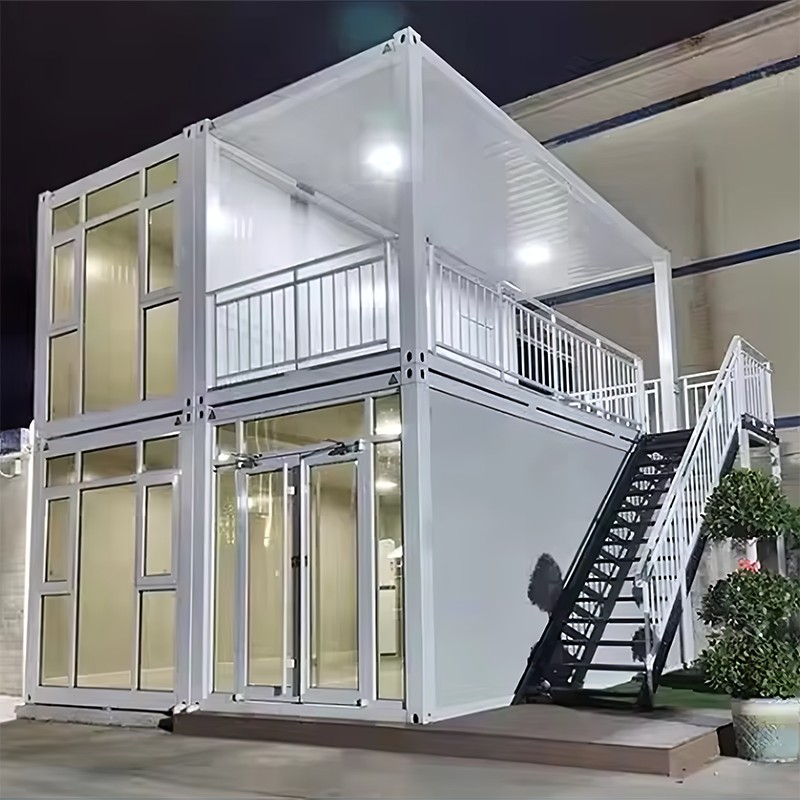
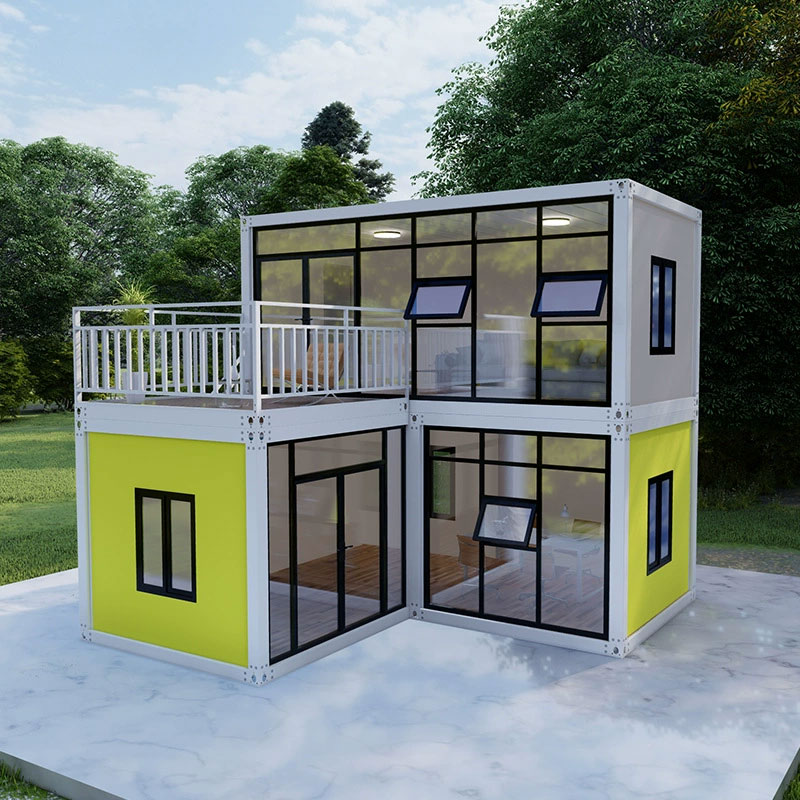
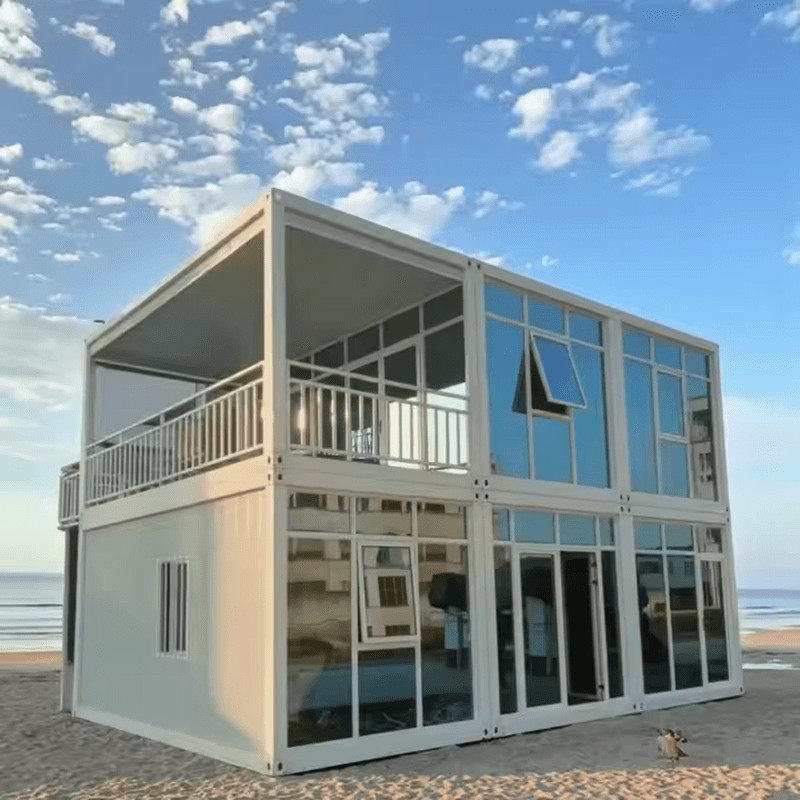
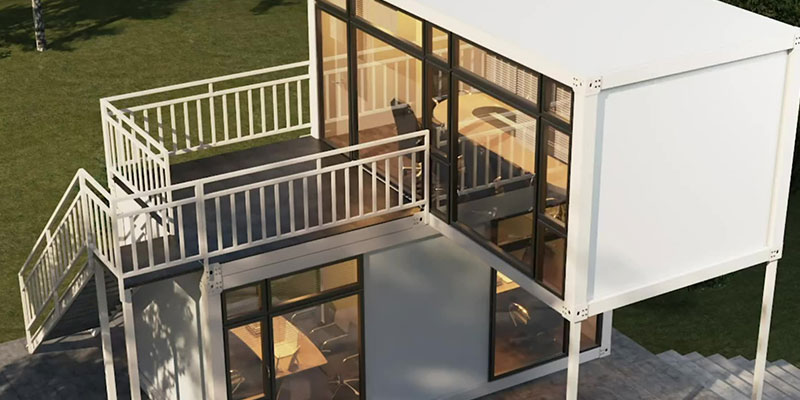
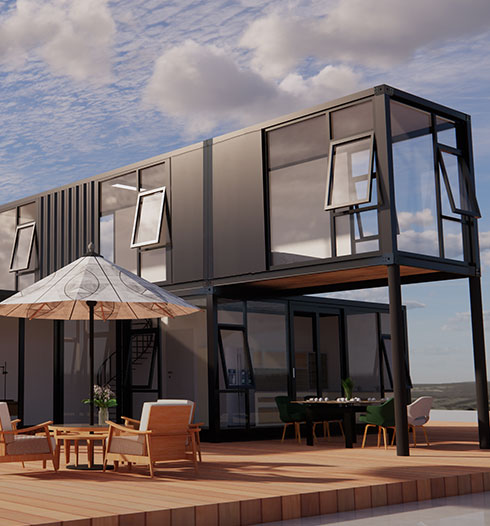
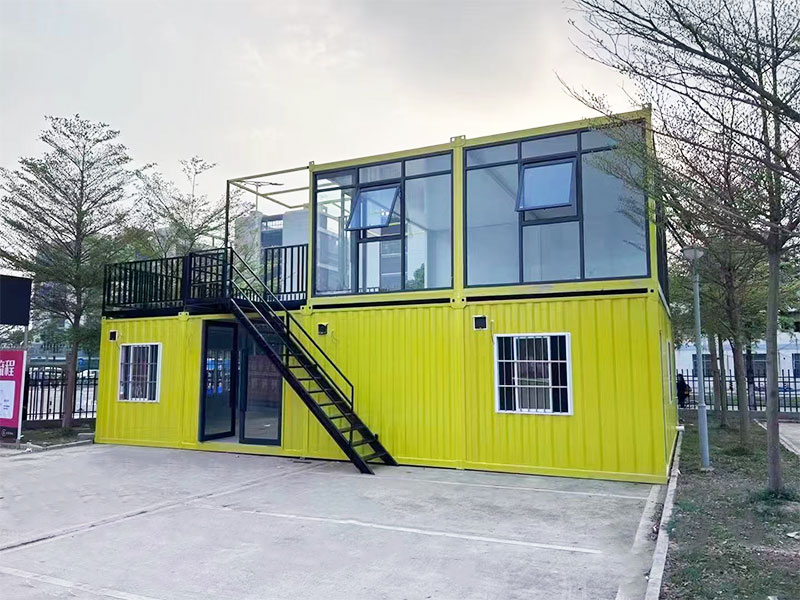
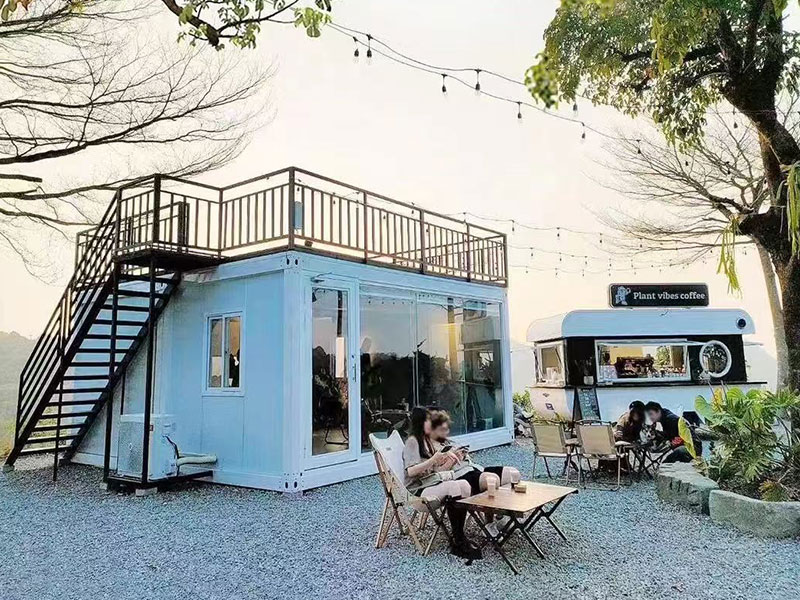
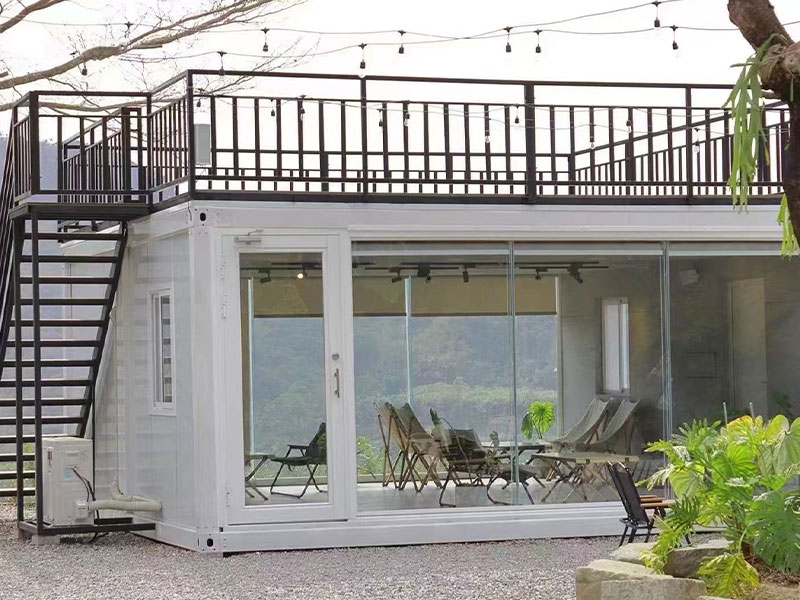
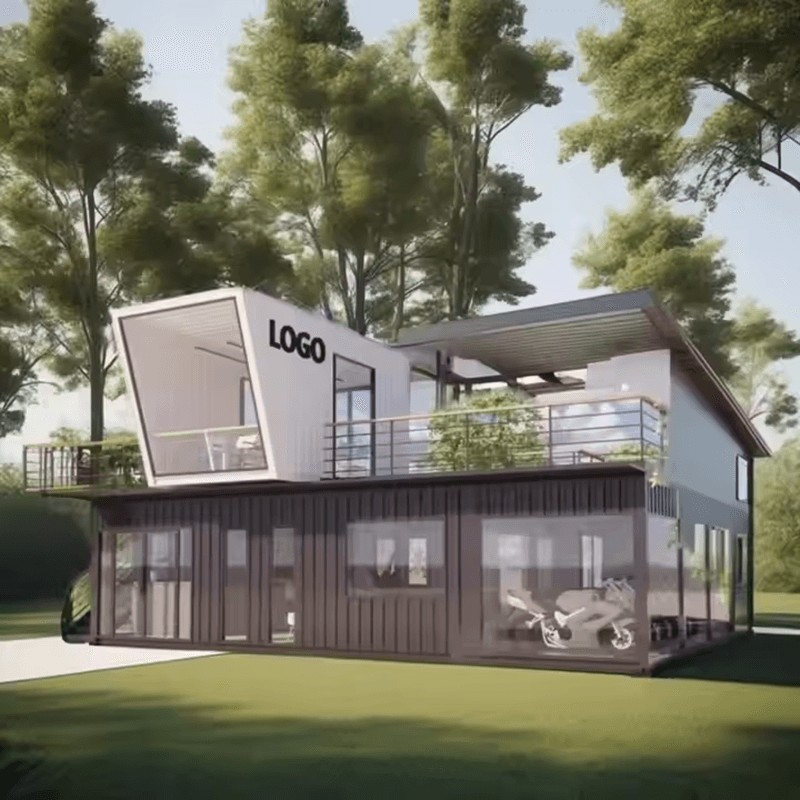
- Stacked configurations: Two-story builds that reduce the site footprint, common in narrow urban lots.
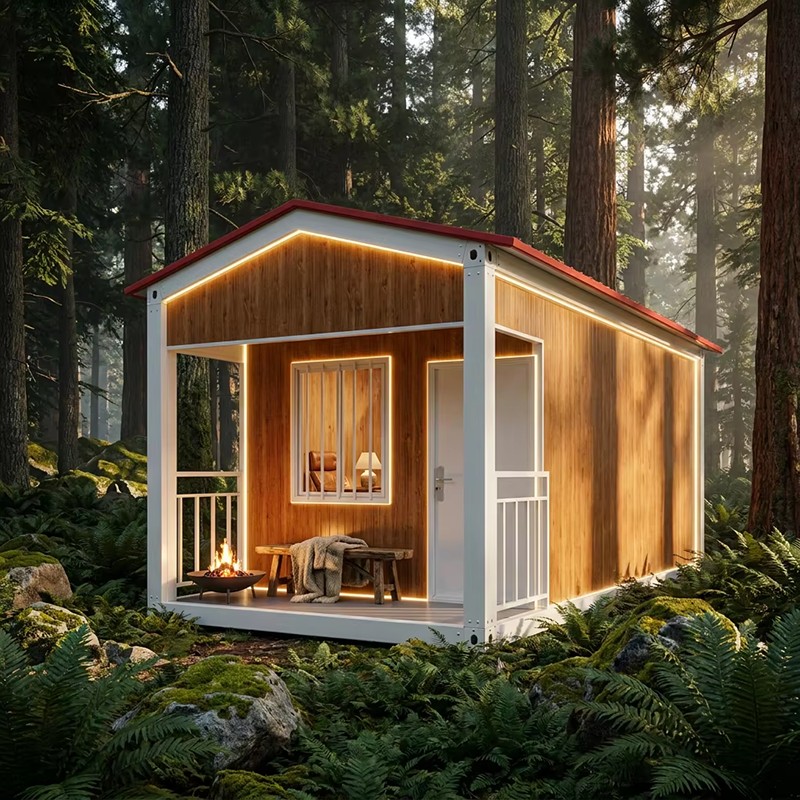
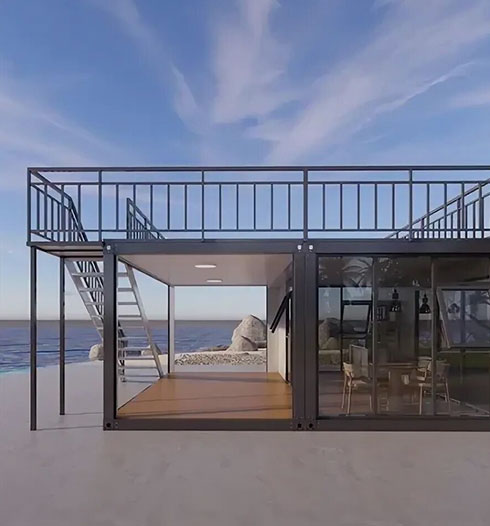
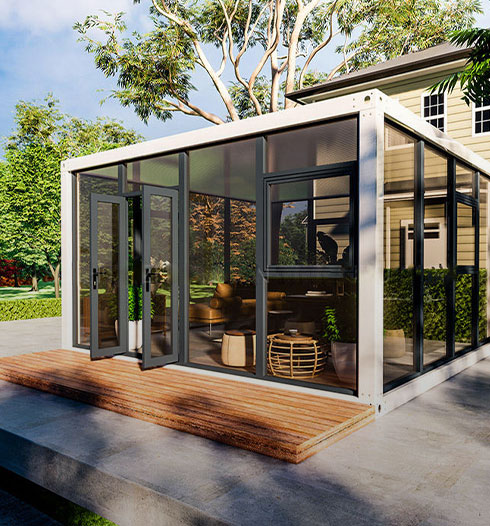
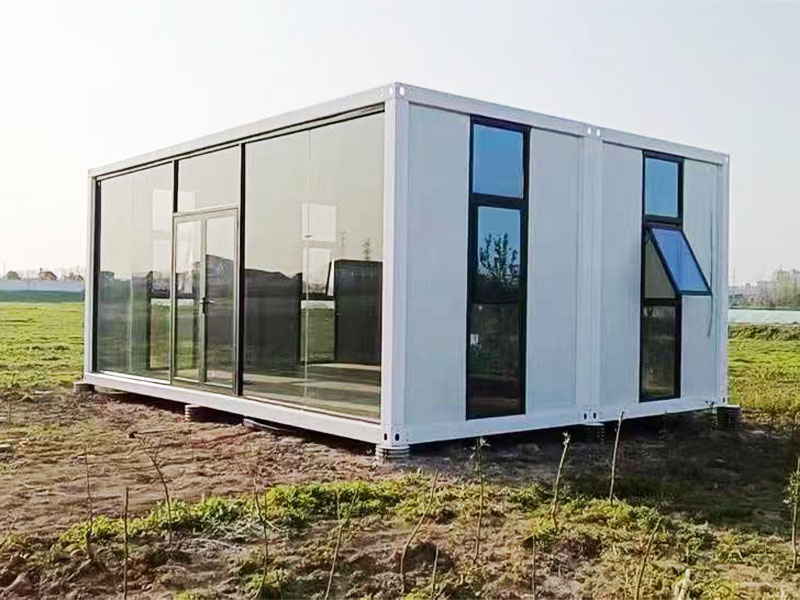
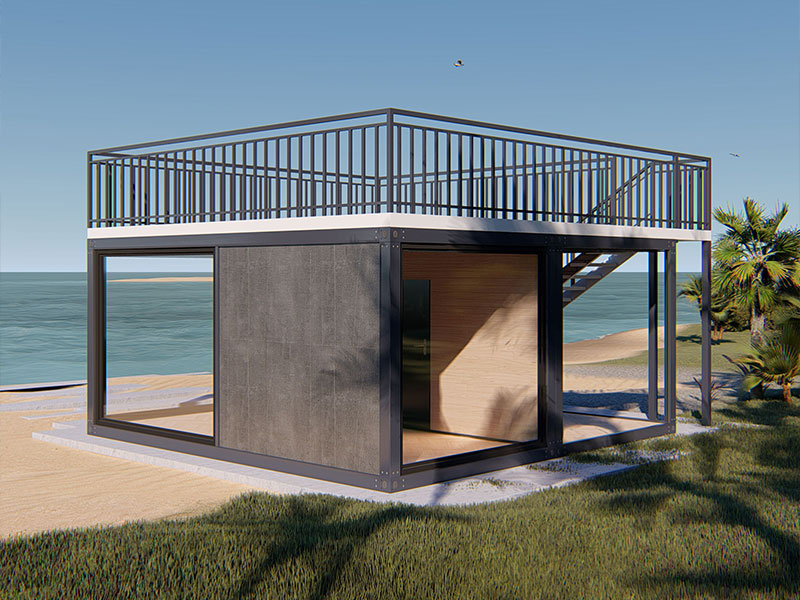
Window and door placement is the main design lever for making a container feel less like a box — staggered openings, full-height glazing on one end wall, and covered outdoor decking are the most common techniques for breaking up the linear form.
Evaluating a Container Home Supplier
Quality varies enormously between manufacturers, so a few checks help separate reliable suppliers from those cutting corners:
- Ask whether containers used are one-trip or refurbished multi-trip units, and request corrosion inspection documentation.
- Confirm structural engineering sign-off on any wall cuts or multi-container connections.
- Check whether electrical and plumbing rough-in meets the local code of the destination country, not just the manufacturer's home country.
- Request a breakdown of what's included in delivery — crane offloading and final leveling are sometimes billed separately.