
 English
 русский
 Français
 Español
 عربى

Comparing prefabricated container houses comes down to one key decision: the wall system. The two most common designs are corrugated steel wall containers, which use the wave-profile steel sheet found on shipping containers, and flat sandwich panel containers, which use smooth composite panels with an insulated core. Although both are built from pre-painted galvanized steel, they differ significantly in structural rigidity, exterior durability, thermal insulation, fire safety, and long-term cost. This guide compares the two systems to help you choose the right one for your project.
Content
- 1 What Are Corrugated Steel Wall and Flat Sandwich Panel Containers?
- 2 Structural Rigidity: How the Two Wall Systems Compare
- 3 Exterior Durability: Weather, Impact, and Corrosion Resistance
- 4 Thermal Performance, Fire Safety, and Interior Finish
- 5 Cost, Lifespan, and Maintenance Considerations
- 6 How to Choose the Right Container House for Your Project
- 7 Frequently Asked Questions
What Are Corrugated Steel Wall and Flat Sandwich Panel Containers?
The wall system is the most visible and structurally important part of a prefabricated container house. Two wall types dominate the market: corrugated steel walls and flat sandwich panels. Each uses pre-painted galvanized steel as the outer skin, but the geometry, internal layers, and connection details are completely different.
Corrugated Steel Wall Containers
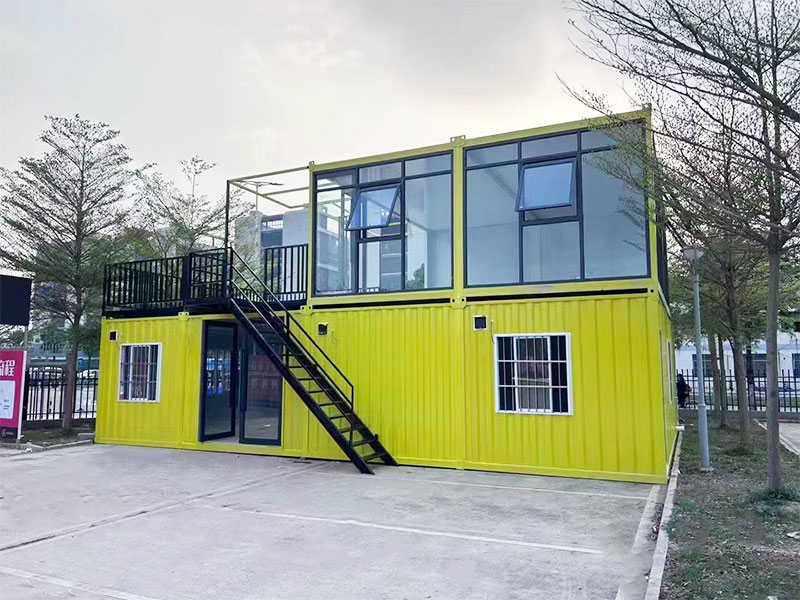
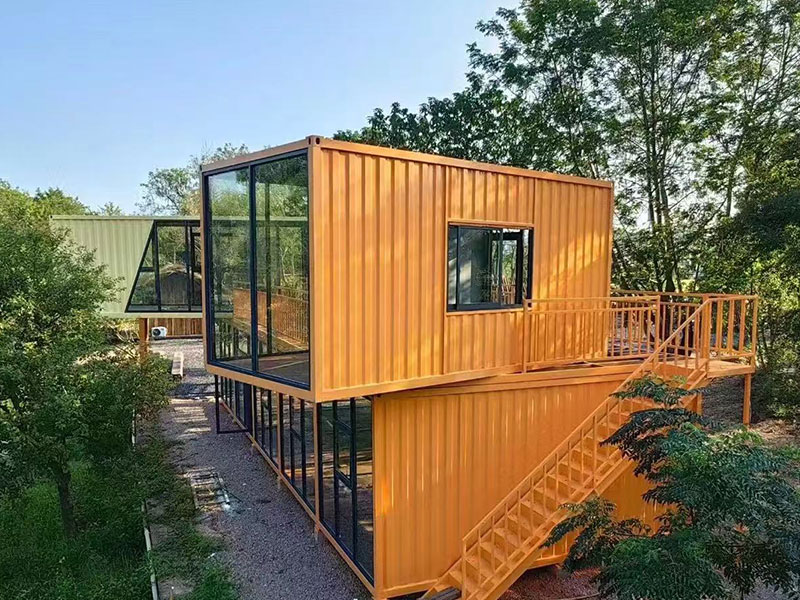
Corrugated steel wall containers use cold-rolled steel sheets pressed into a wave profile and fixed to a welded steel frame. The corrugation greatly increases the sheet bending stiffness, allowing a thin steel skin to resist buckling, denting, and deformation. This is the same layout used in standard shipping containers, whose walls survive stacking, lifting, and transport without permanent deformation.
Flat Sandwich Panel Containers
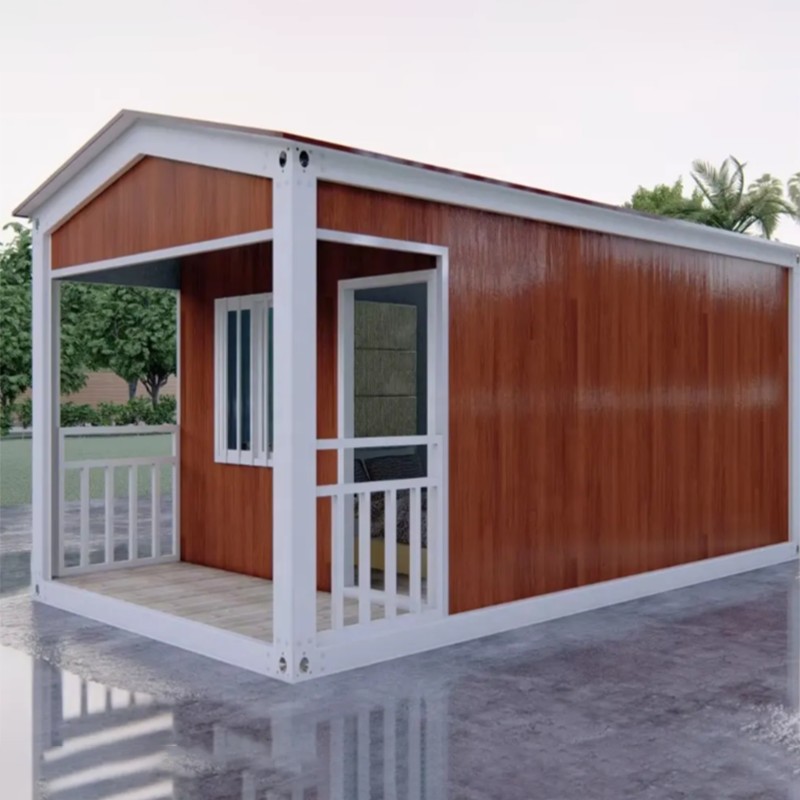
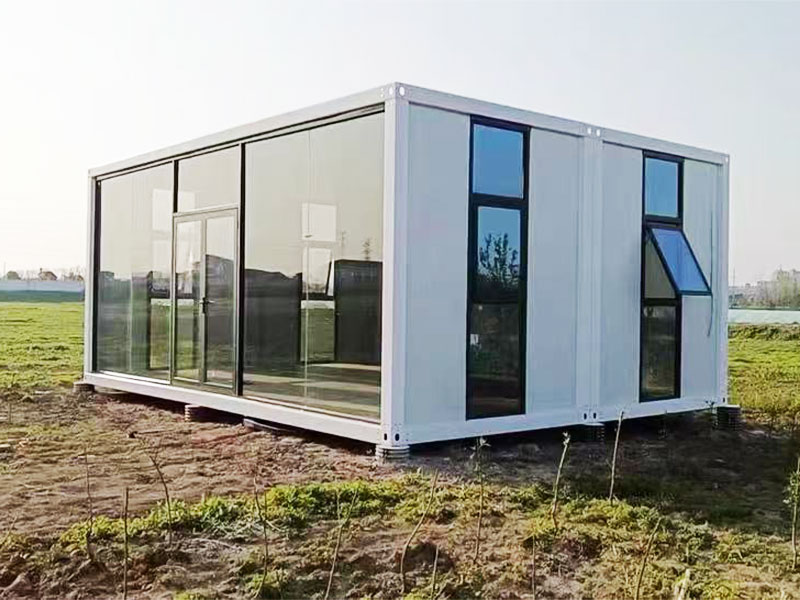
Flat sandwich panel containers use composite panels with two flat steel faces bonded to a core such as EPS, rock wool, or polyurethane foam. The flat faces give a clean appearance and a smooth interior, but they lack the geometric stiffening of corrugations. Performance depends mainly on the frame design, face sheet thickness, and core bond quality.
Structural Rigidity: How the Two Wall Systems Compare
Structural rigidity is the ability of a wall to resist bending, buckling, and twisting under load. It decides stacking capacity, snow load resistance, wind and seismic performance, and dimensional stability during transport and installation.
Stacking and Load Transfer
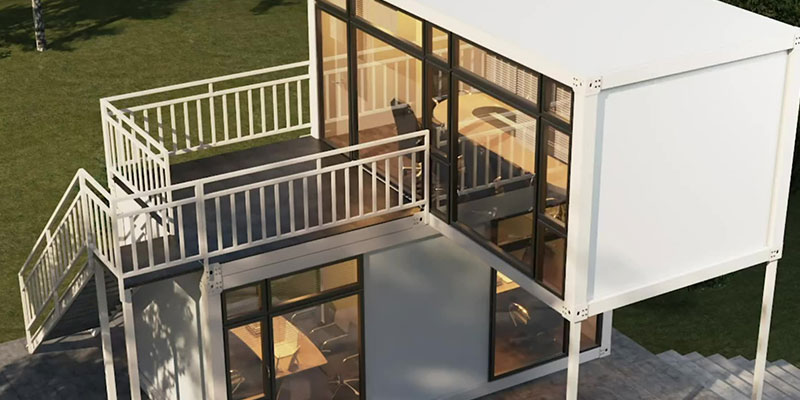
Corrugated steel wall containers benefit from the stiffening effect of the wave profile. The ridges and grooves increase the effective depth of the wall and transfer vertical loads toward the steel corner posts. Flat sandwich panel containers rely almost entirely on the steel frame for vertical load transfer. The flat faces contribute little stiffness, so weld and connection quality becomes the deciding factor. For stacking or multi-story projects, corrugated steel walls are the safer and more conservative choice.
Corrugated walls also resist lateral wind and seismic loads better, because the profile acts like a series of shallow ribs across the entire surface. Localized impacts deform only one or two grooves, so damage stays small. Flat panels, in contrast, can develop large concave dents, and a severe impact can crush the foam core and detach the outer steel face, permanently reducing both stiffness and insulation value.
Bottom line: if the container will be stacked, lifted, or subjected to impact, corrugated steel walls give the clearest structural advantage.
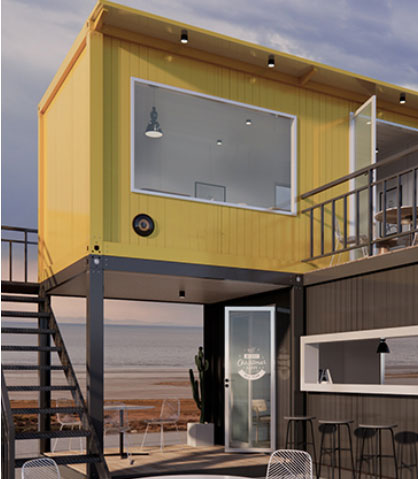
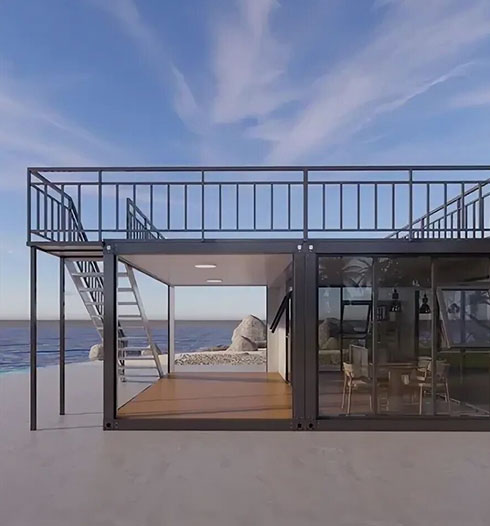
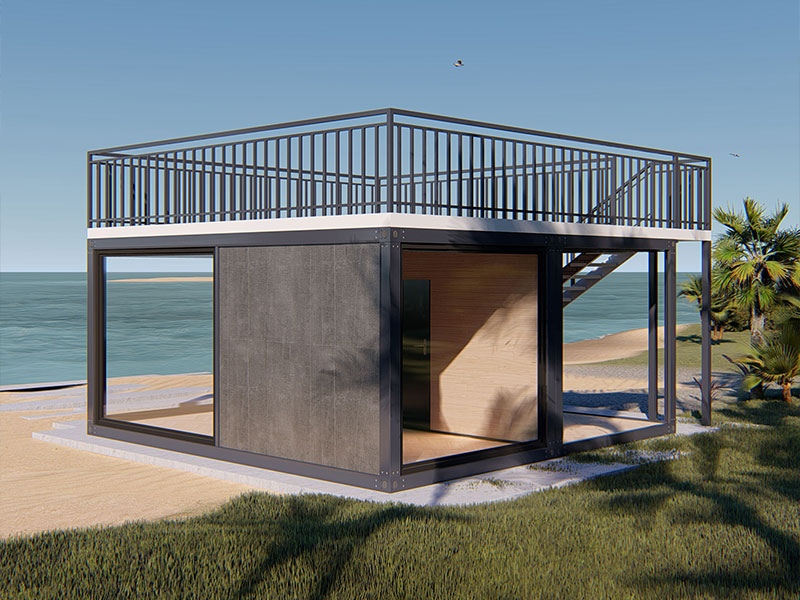
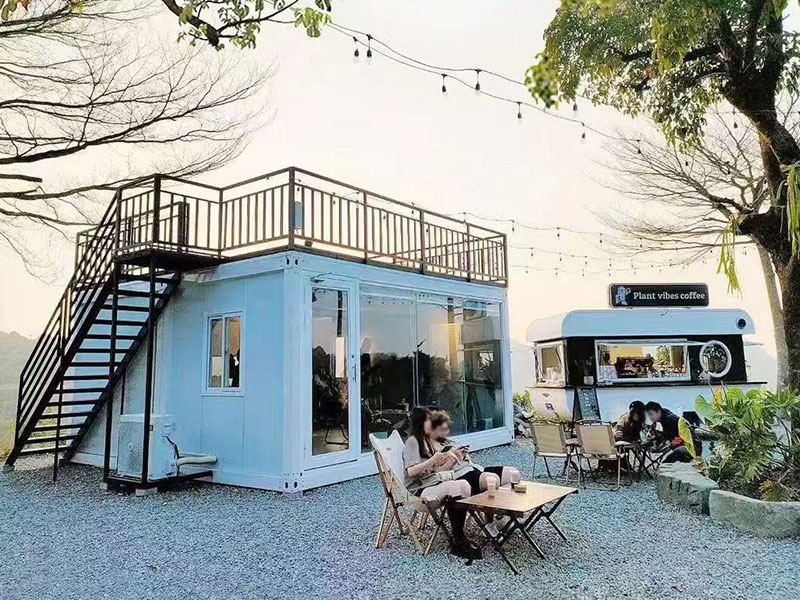
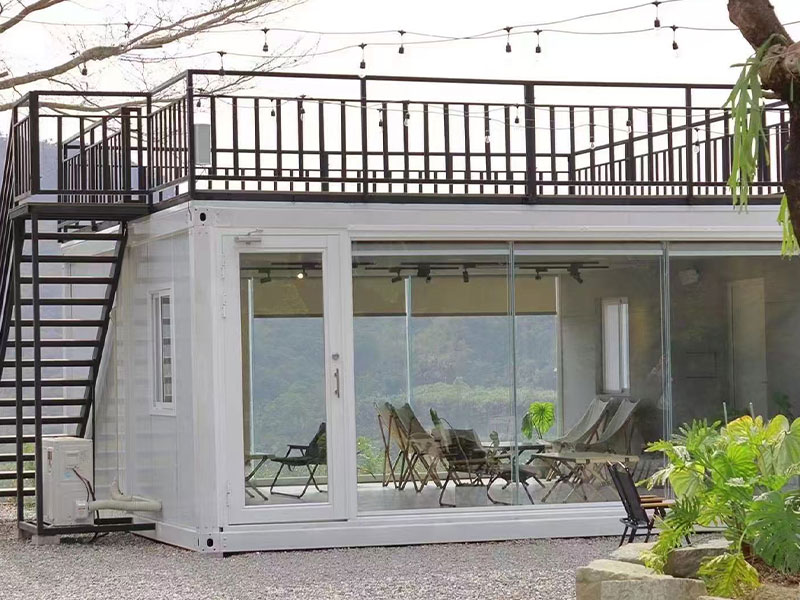
For maximum rigidity, a corrugated box container house built on a welded steel frame is the most common and proven design. For special projects, a stable structure container house adds reinforced corner castings, thicker wall sheets, and extra frame bracing to meet strict engineering requirements.
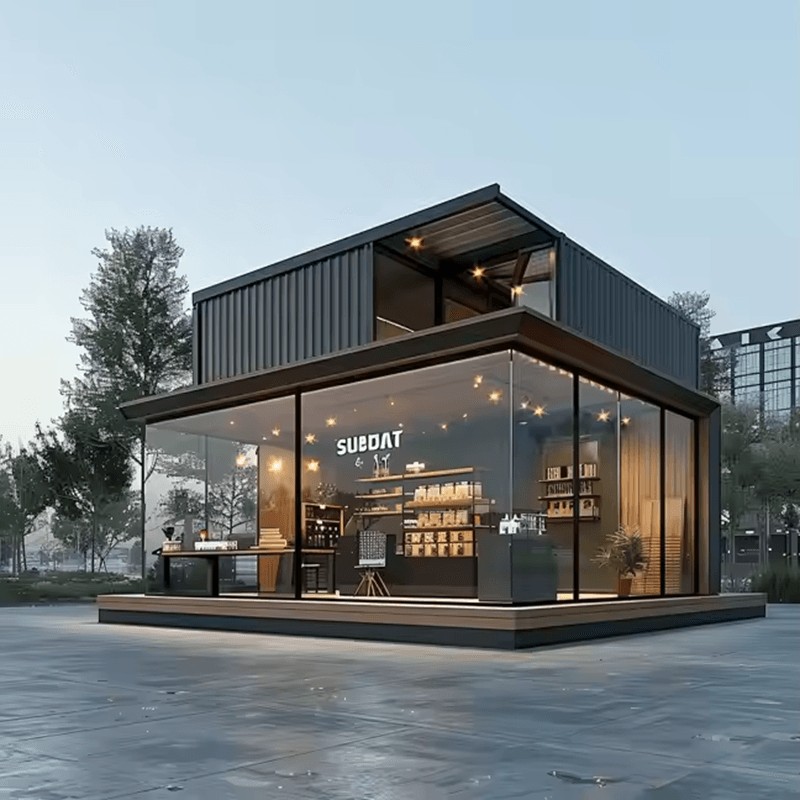
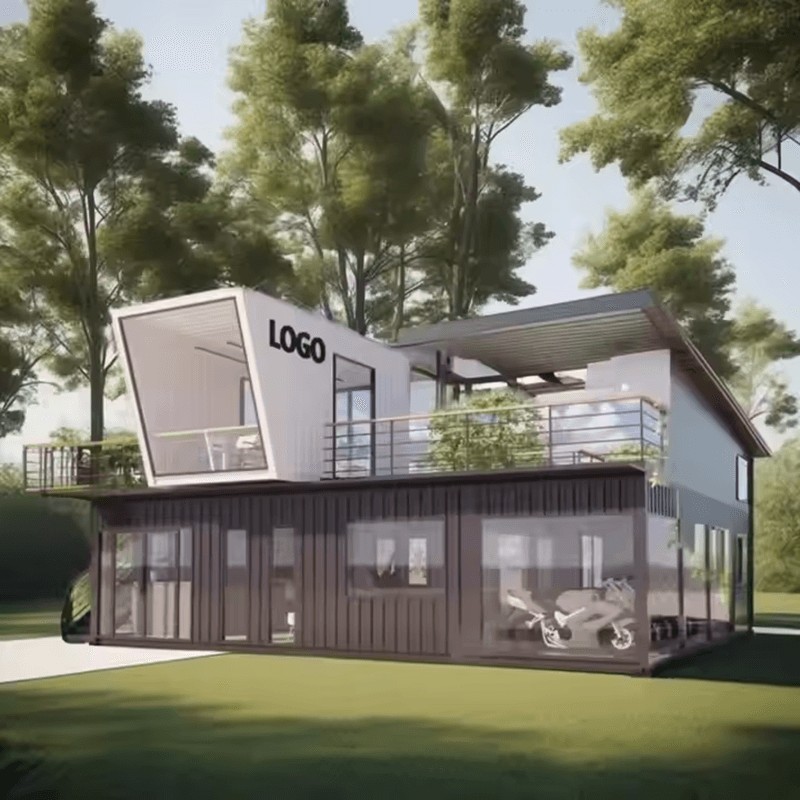
 Corrugated Steel Modular Container House for Durable Outdoor UseThis design uses corrugated steel panels on a welded frame for high rigidity and modern industrial styling. It suits camps, offices, and homestays where structural strength and quick assembly matter.View Product →
Exterior Durability: Weather, Impact, and Corrosion Resistance
Exterior durability determines how long a container keeps its appearance and structural integrity outdoors. Both systems start with galvanized, pre-painted steel, so the base corrosion resistance is similar. The real differences lie in geometry, joints, and how each wall reacts to physical damage and moisture.
Impact and Scratch Resistance
Corrugated steel walls handle impact better because the wave profile limits the size of a damaged area and makes scratches far less visible. Flat sandwich panels are smooth and continuous, so every dent and scratch is immediately obvious. More importantly, a puncture in a flat panel exposes the core. Water can then penetrate through the damaged face and corrode the steel from the inside, a failure mode often described as panel swelling or pillowing.
Moisture, Sealants, and Long-Term Weathering
Corrugated walls shed rain quickly along the grooves and have almost no flat surface where water can pool. They do trap dust and debris in the grooves, and exposed welds or fasteners should be checked periodically. Flat panels present large surfaces and long panel joints that rely on weatherproof sealant. Ultraviolet radiation degrades the sealant over time, so it must be replaced every few years. If the sealant fails, wind-driven rain can enter the panel core, reducing insulation performance and causing hidden corrosion. A well-maintained sandwich panel container house, if edge seals are inspected regularly, can still serve reliably outdoors for many years.
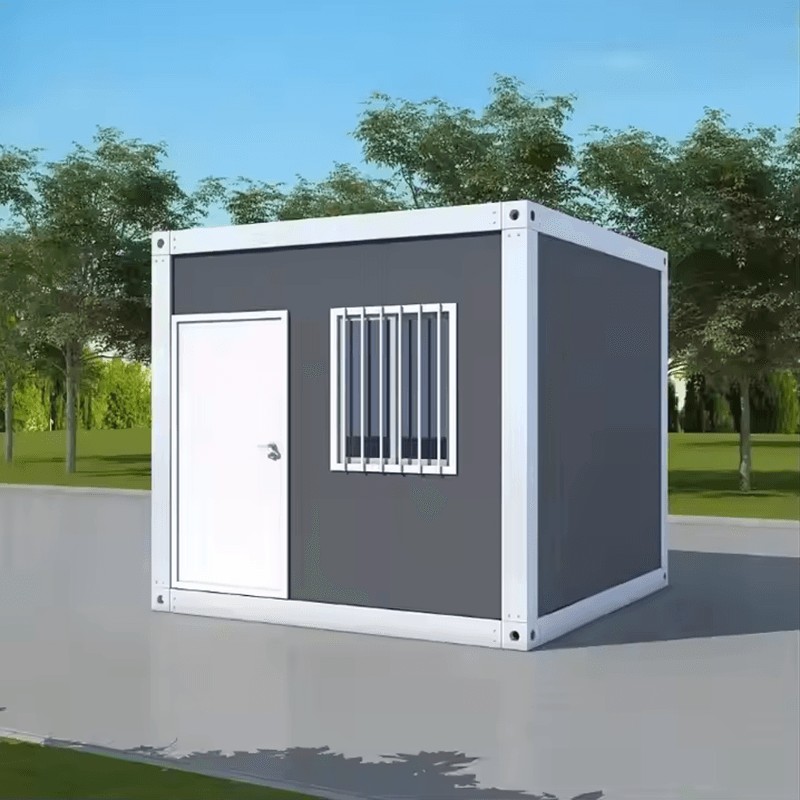
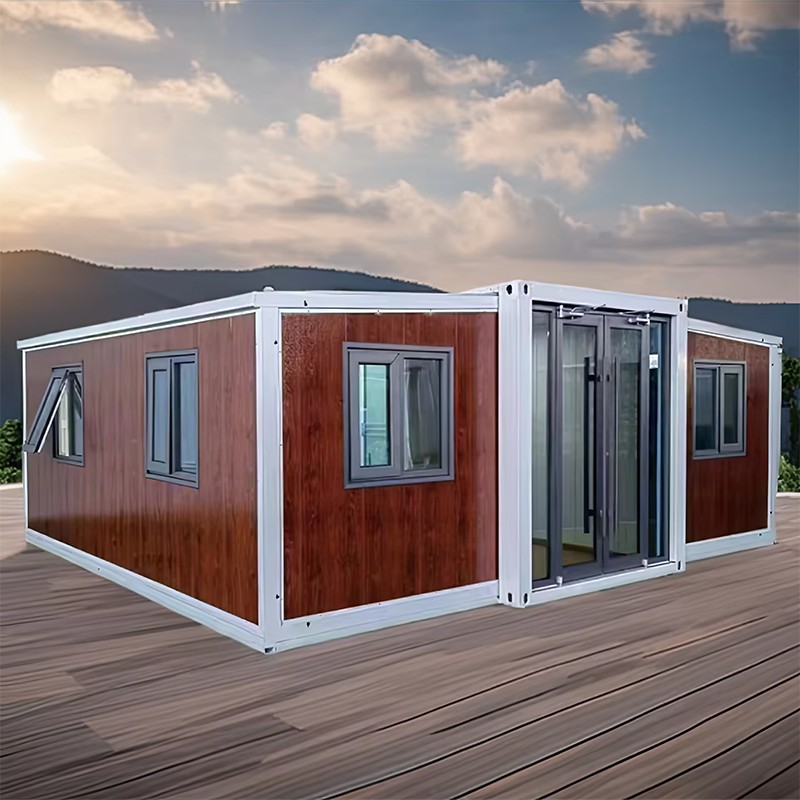
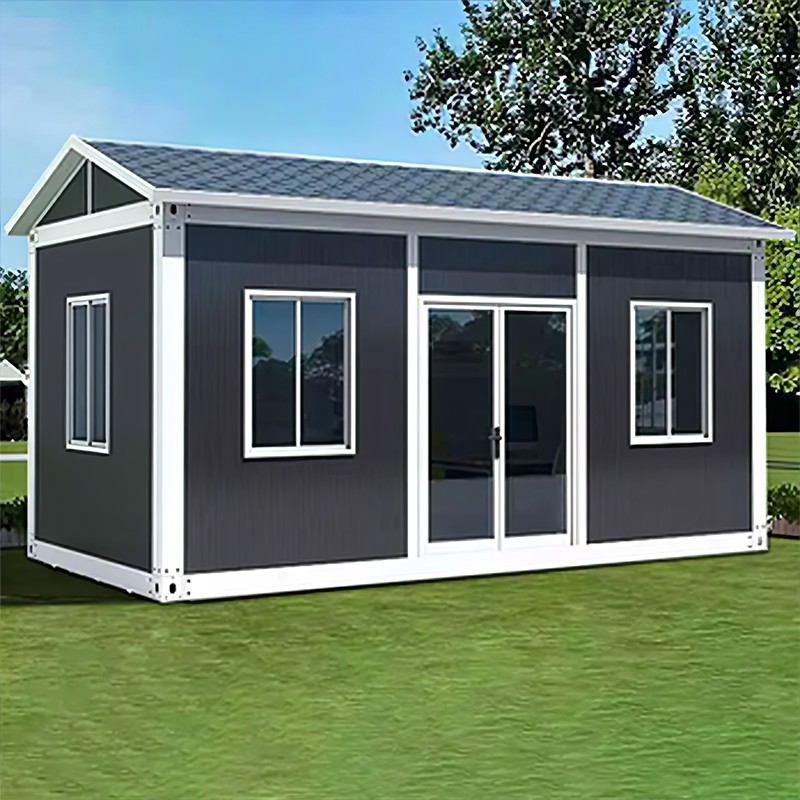
 Sandwich Panel Container House with Integrated Insulation OptionsFlat sandwich panels provide a smooth interior and built-in thermal insulation, with rock wool, polyurethane, or EPS cores. Ideal for living spaces needing comfortable, easily finished walls and reliable weather sealing.View Product →
Thermal Performance, Fire Safety, and Interior Finish
Insulation and Energy Efficiency
A corrugated steel wall is a single steel skin with almost no thermal resistance. If the container is used for living or working, the interior must be lined with rock wool, glass wool, or foam board, plus a vapor barrier to prevent condensation. Flat sandwich panels include insulation inside the panel itself. The core material sets the performance level: rock wool offers balanced insulation and fire resistance, polyurethane foam gives the best R-value per unit thickness, and EPS is economical but weak on fire safety.
Fire Safety
For buildings with fire safety requirements, the panel core is the critical factor. Rock wool sandwich panels use mineral wool, which does not burn and blocks flame spread. A fireproof rock wool sandwich panel container house is therefore the strongest choice for fire-sensitive projects such as site dormitories, schools, hospitals, and retail units. EPS-core panels are combustible and should be avoided where fire codes apply.
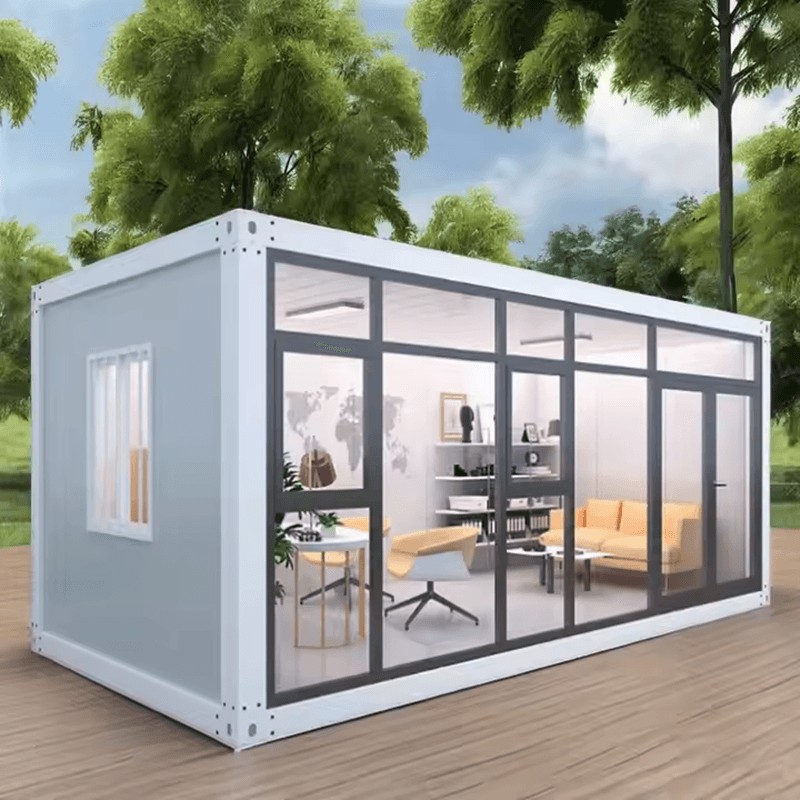
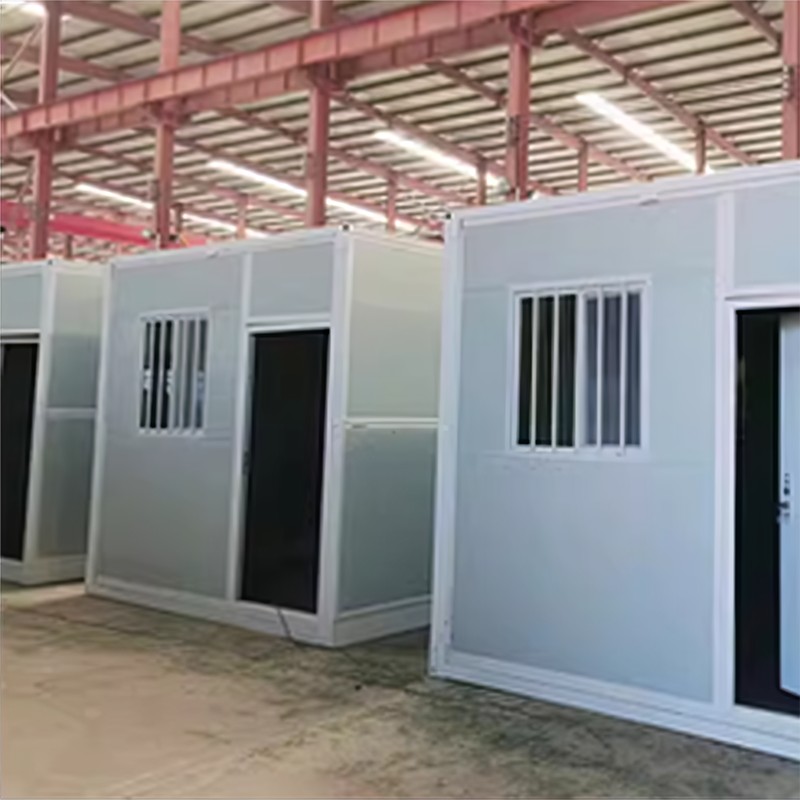
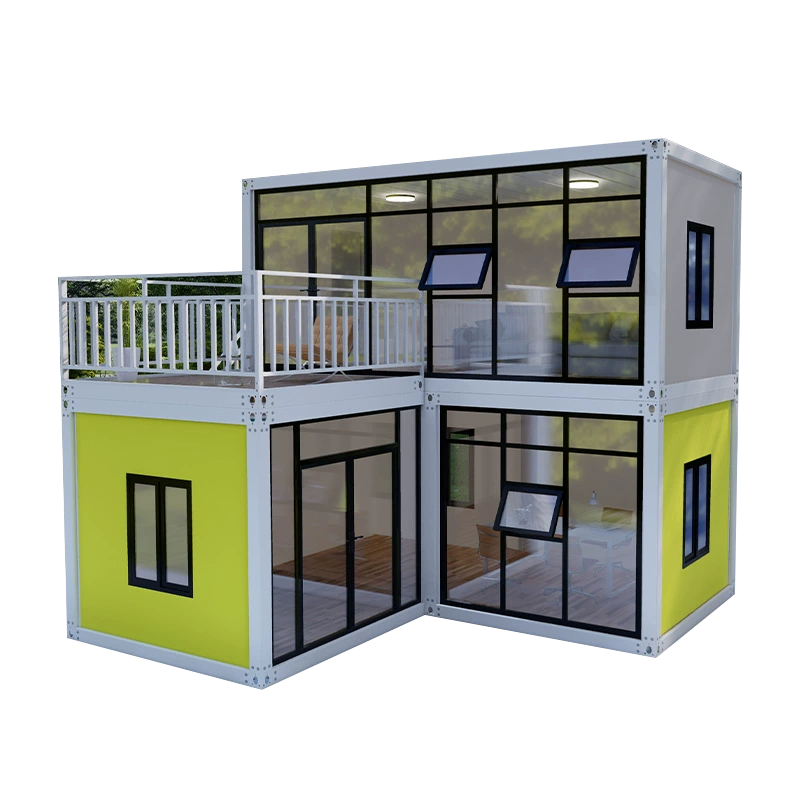 Fireproof Rock Wool Sandwich Panel Container House for SafetyThis container uses a non-combustible mineral wool core to block flame spread, making it a strong choice for dormitories, schools, hospitals, and retail units under fire codes while offering reusable, quick-install construction.View Product →
Interior Finish and Usable Space
Flat panels give a smooth interior ready for painting, tiling, or paneling. Corrugated walls leave wavy surfaces that complicate the installation of cabinets, walls, and services. To achieve a flat interior in a corrugated container, you need furring strips, insulation, a vapor barrier, and lining boards, which reduces the usable width by six to ten centimeters per wall and adds labor and material cost. For the same exterior footprint, a flat panel container offers more comfortable living space.
| Feature | Corrugated Steel Wall | Flat Sandwich Panel |
|---|---|---|
| Structural rigidity | High, profile stiffening | Moderate, frame-dependent |
| Impact resistance | High | Low to moderate |
| Thermal insulation | Low, must be added | Good, core-dependent |
| Fire safety | Non-combustible shell | Rock wool best, EPS risk |
| Interior finish | Furring and lining required | Smooth and ready to finish |
| Exterior maintenance | Low | Moderate, sealant inspection |
| Long-term durability | Excellent | Good if well sealed |
Cost, Lifespan, and Maintenance Considerations
The first cost of a corrugated steel wall container is usually lower when it follows the standard box format, because the corrugated sheet is efficient to manufacture and strong even when thin. However, if the container needs insulation and interior lining, those additions push the final price up. Over its full life cycle, the corrugated system remains very economical because the steel shell rarely needs more than repainting.
Flat sandwich panel containers vary widely in price depending on the core. EPS panels are the cheapest, rock wool panels cost more but add fire protection and acoustic insulation, and polyurethane panels give the best energy efficiency. A flat panel container leaves the factory as a finished product, so buyers should compare the total installed cost rather than only the base box price.
Key point: for a warm climate and low budget, a corrugated steel box with simple ventilation is hard to beat. For year-round occupied space, a rock wool or polyurethane sandwich panel container delivers better comfort and lower running costs.
Maintenance differs as well. Corrugated steel containers need an occasional inspection of welds, fasteners, and paint, and a damaged section can be repaired by welding a steel strap or replacing one panel. Flat panel containers need regular inspection of all joint seals. If a flat panel is severely damaged, the complete panel must be replaced, and matching the same color and profile can be difficult.
How to Choose the Right Container House for Your Project
- Choose a corrugated steel wall container when the unit will be stacked, crane-lifted, transported frequently, or installed on sites with strong wind, heavy snow, or high impact risk.
- Choose a flat sandwich panel container when the priority is comfortable living or working space, energy efficiency, clean aesthetics, and quick installation with no additional interior works.
- Choose a rock wool sandwich panel container when fire codes apply or when the building houses many people, such as a site dormitory, clinic, or school.
- For a temporary site office on a budget, a corrugated steel box with optional insulation is usually the most practical choice.
At Suzhou Shengshan Prefabricated Housing Manufacturing Co., Ltd, both corrugated box houses and sandwich panel houses are produced under the same quality system, with raw material inspection, controlled welding, and batch traceability. If you want to understand the deeper differences between welded steel frames and panel-based structures, read our steel structure versus sandwich panel container house guide before making a decision.
Frequently Asked Questions
Q1: Which wall system is structurally stronger?
Corrugated steel walls are stronger in bending and impact because the wave profile adds stiffness over the whole wall. Flat sandwich panel walls can be strong enough when the steel frame is well engineered, but they have a smaller safety margin under concentrated or impact loads.
Q2: Do flat sandwich panel containers last as long outdoors as corrugated steel ones?
Yes, if they are properly sealed and maintained. The main risks are impact damage and moisture ingress through degraded joint sealant. Corrugated steel walls are more forgiving because they have few joints and hide scratches well, giving them a longer effective life in aggressive environments.
Q3: Can I add insulation to a corrugated steel wall container?
Yes. The standard method is to weld or screw furring strips to the inside of the corrugated wall, install rock wool or foam insulation, add a vapor barrier, and finish with lining boards. This improves comfort significantly but reduces interior width by six to ten centimeters per wall.
Q4: Which option is better for fire protection?
A flat sandwich panel with a rock wool core provides the best combination of insulation and fire resistance, because mineral wool does not burn and blocks flame propagation. EPS-core panels should be avoided in fire-sensitive buildings. A bare corrugated steel shell is non-combustible, but added combustible insulation inside can create a fire risk.