 English
 русский
 Français
 Español
 عربى
عربى

Introduction: Habitable containers are modular integrated housing products launched by Suzhou Shengshan Prefabricated Housing Manufacturing Co., Ltd. for the overseas engineering sector. They serve as a spatial solution for rapid deployment and flexible layout in overseas engineering camp accommodation. Characterized by factory prefabrication and overall hoisting, this product features a robust structure, waterproof durability, and helps shorten construction cycles and control comprehensive investment for related projects.
Content
- 1 Product Overview
- 2 Core Specifications and Features
- 3 Needs and Pain Points of Overseas Engineering Camp Accommodation Scenarios
- 4 Habitable Container Solution Design
- 5 Deployment and Case Reference
- 6 Selection and Adaptation Recommendations
- 7 Frequently Asked Questions (FAQ)
- 7.0.1 Q: Are habitable containers suitable for scenarios like overseas engineering camp accommodation?
- 7.0.2 Q: Approximately how long is the delivery cycle for overseas engineering camp accommodation projects?
- 7.0.3 Q: How do habitable containers ensure waterproofing, insulation, and safety in overseas engineering camp accommodation?
- 7.0.4 Q: Can exterior and interior finishes be customized for overseas engineering camp accommodation projects?
- 7.0.5 Q: How are transportation and installation handled for overseas engineering camp accommodation projects?
Product Overview
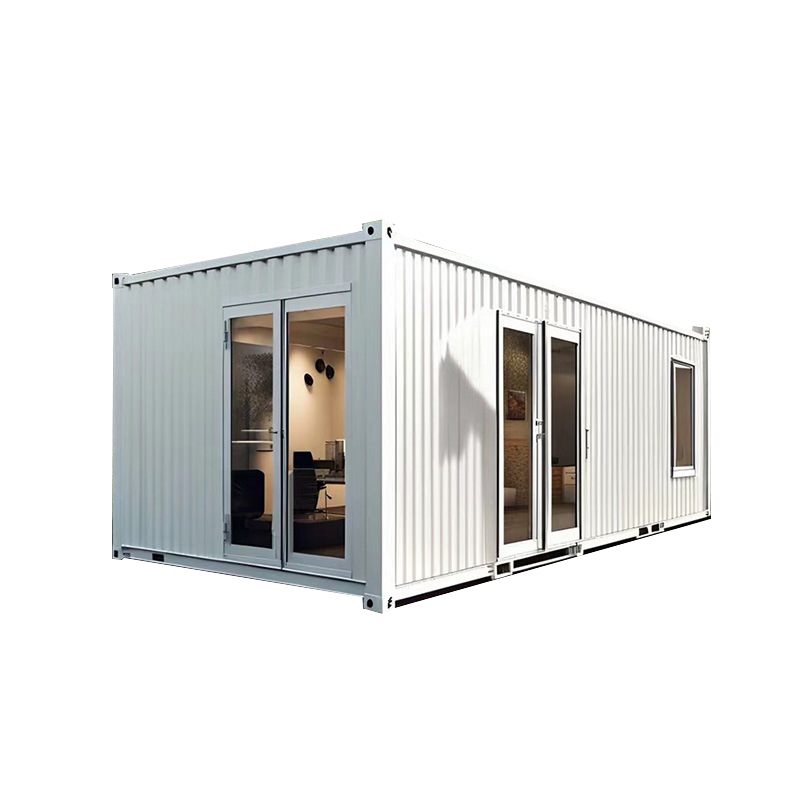
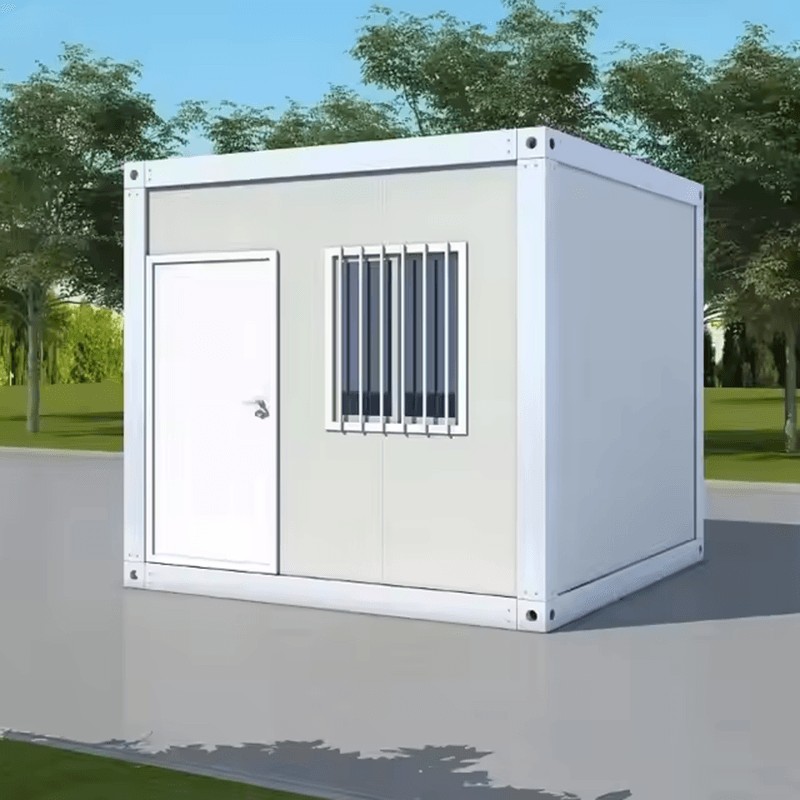
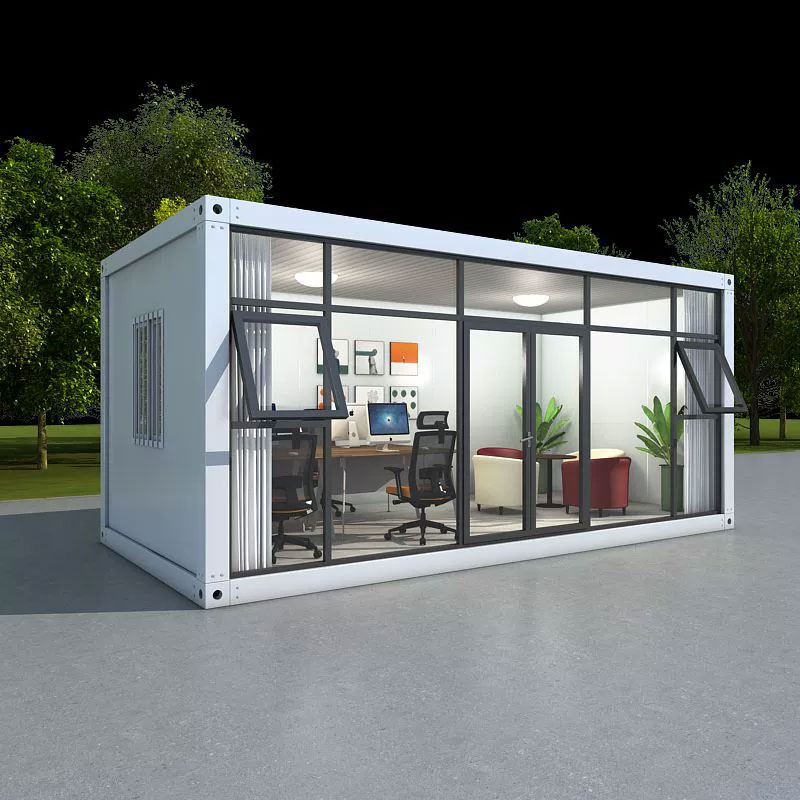
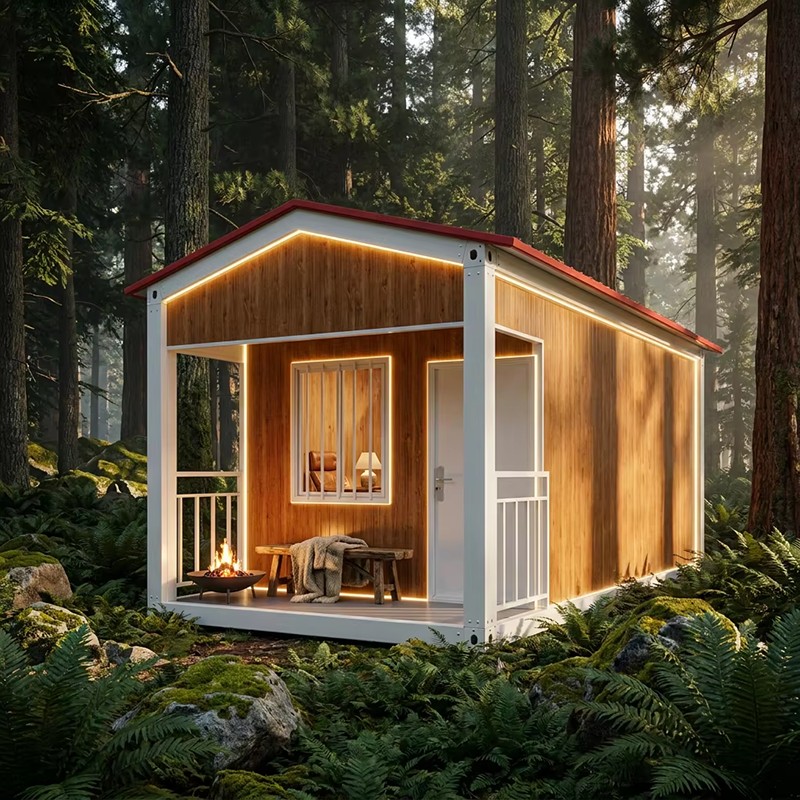
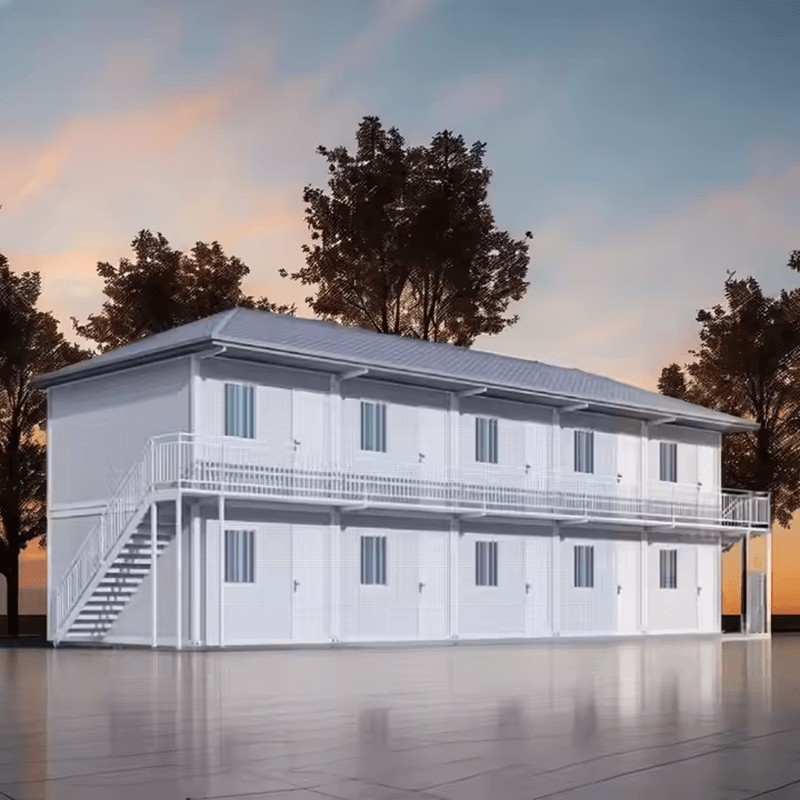
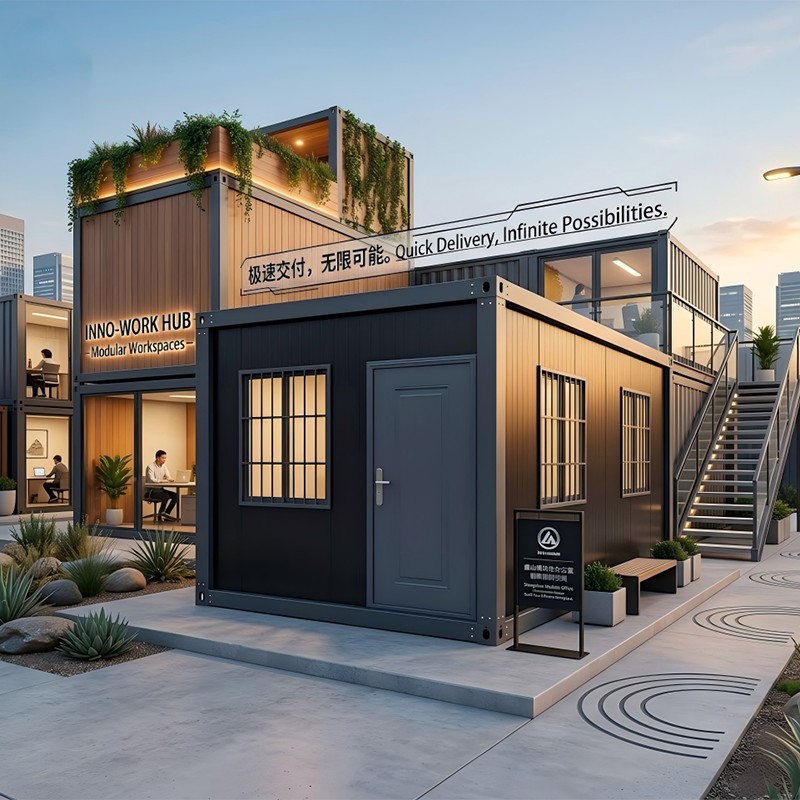
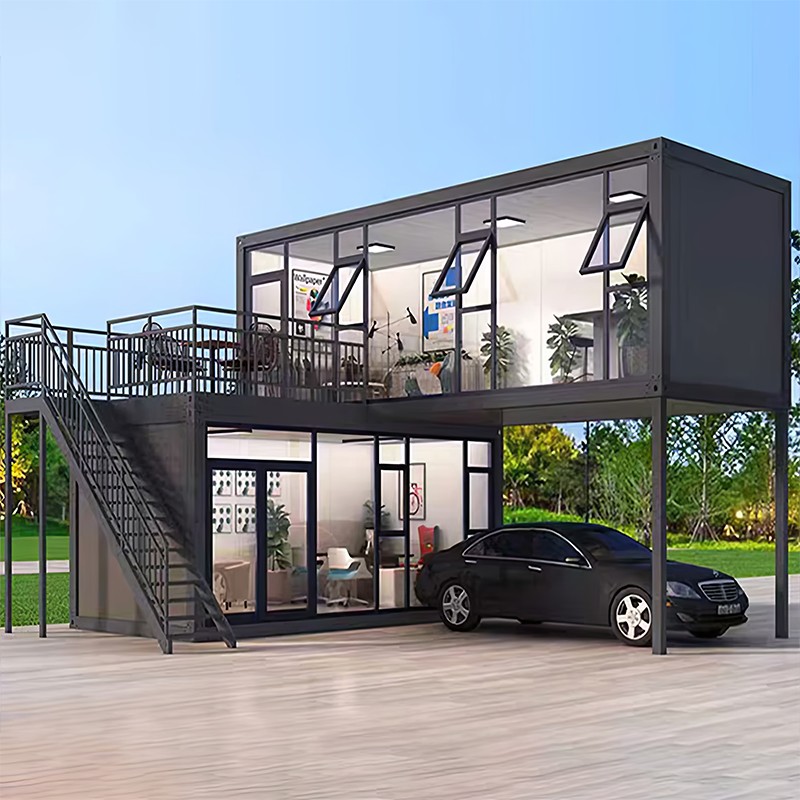
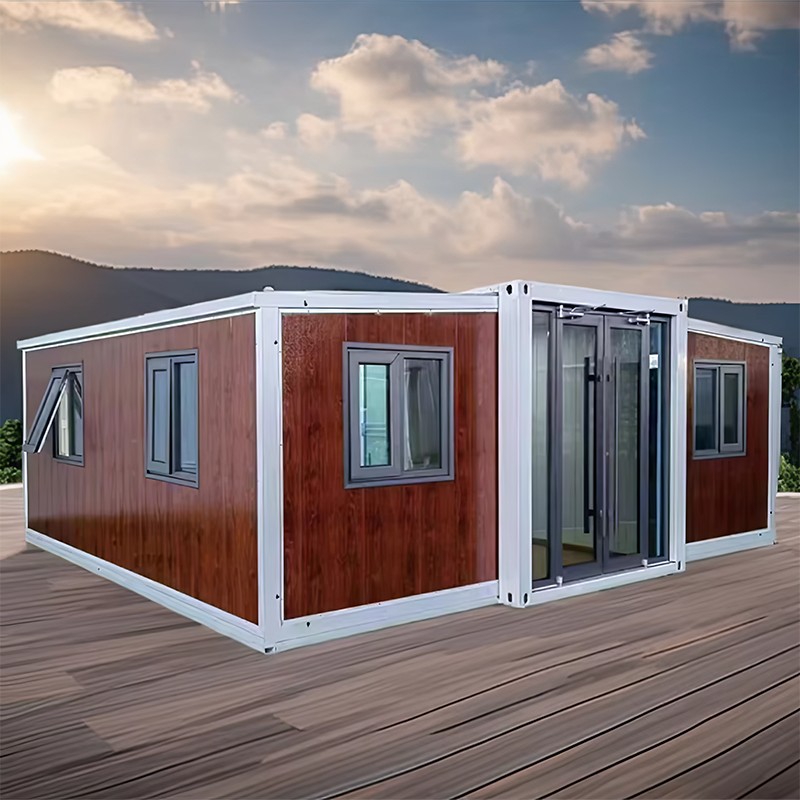
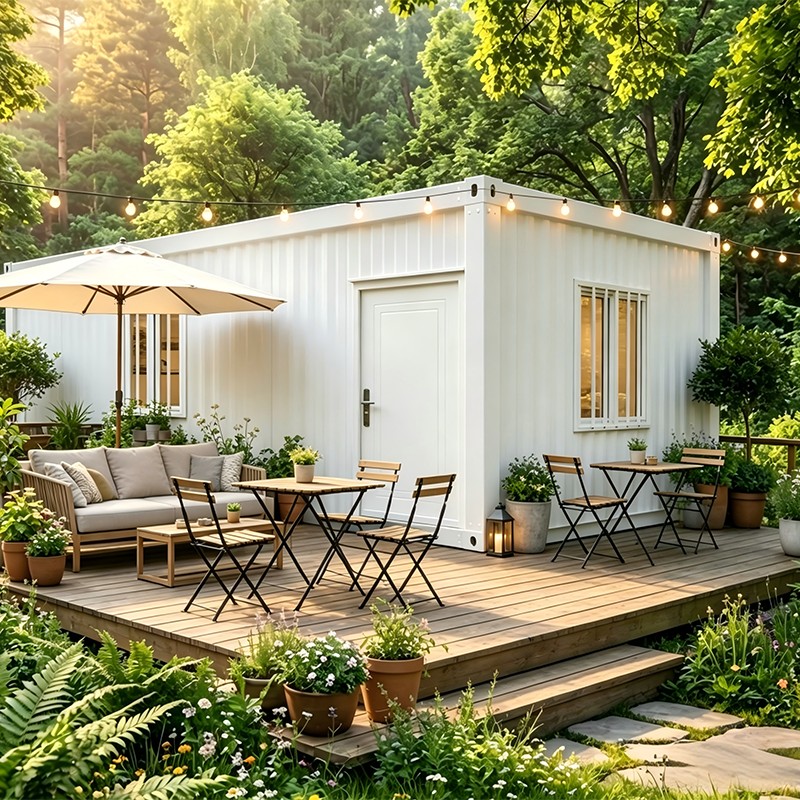
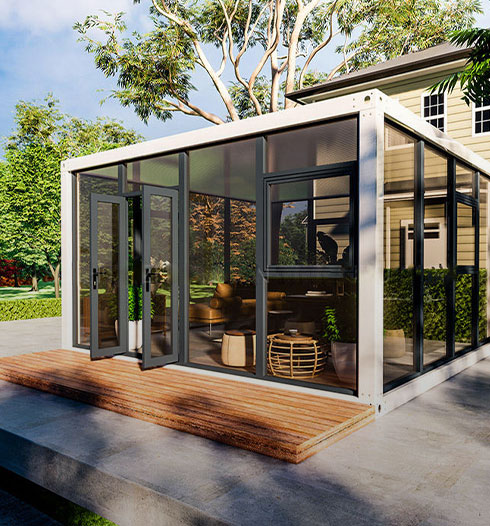
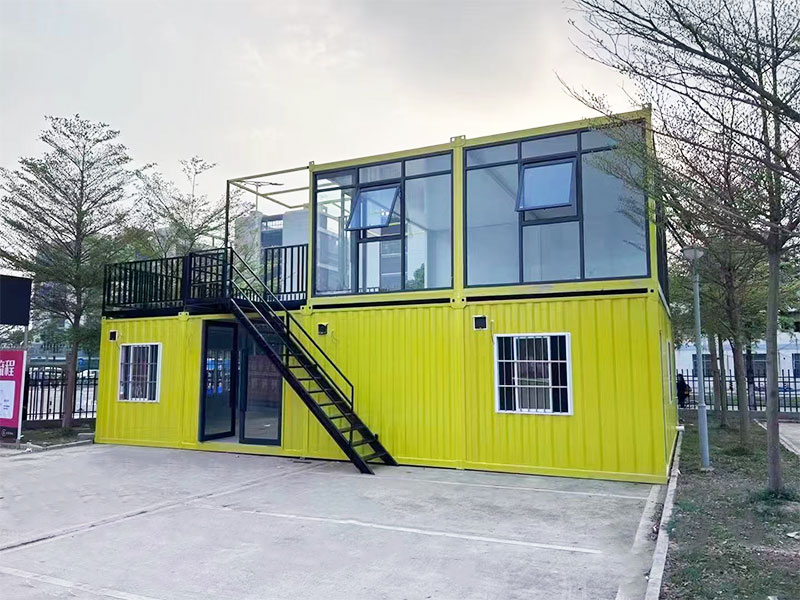
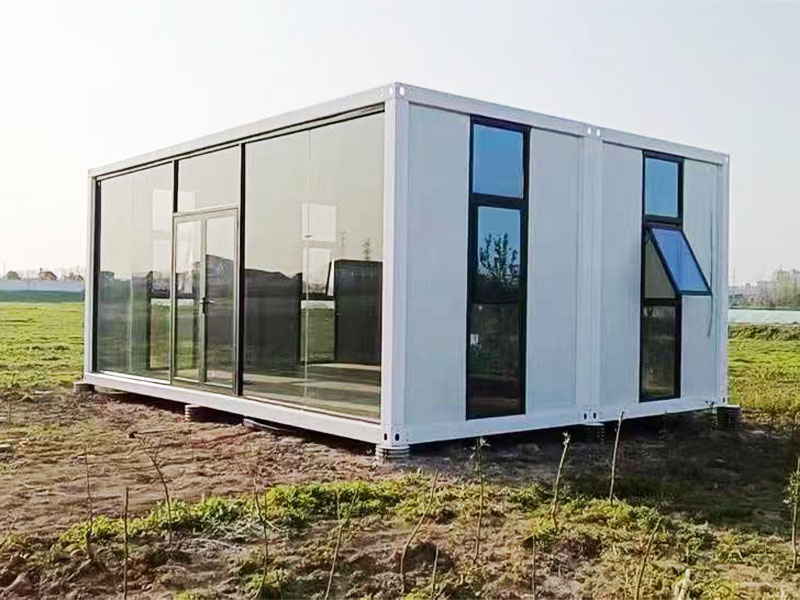
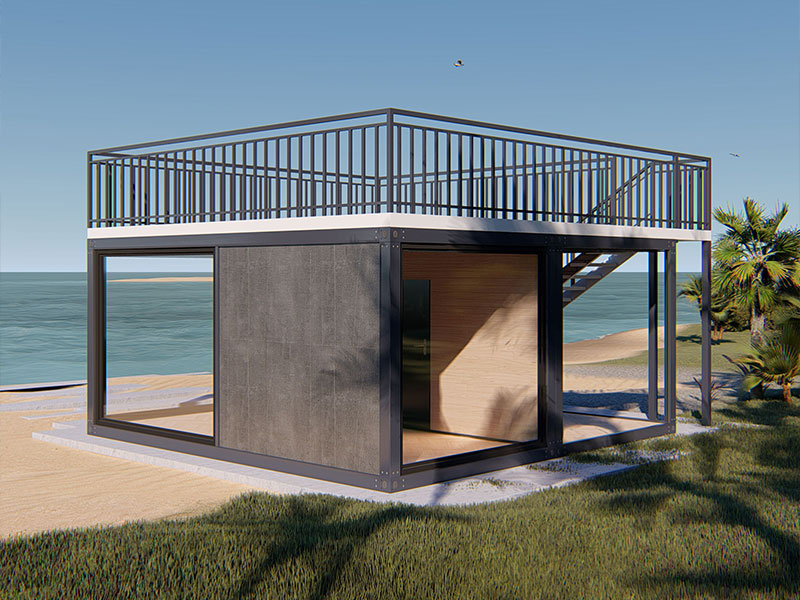
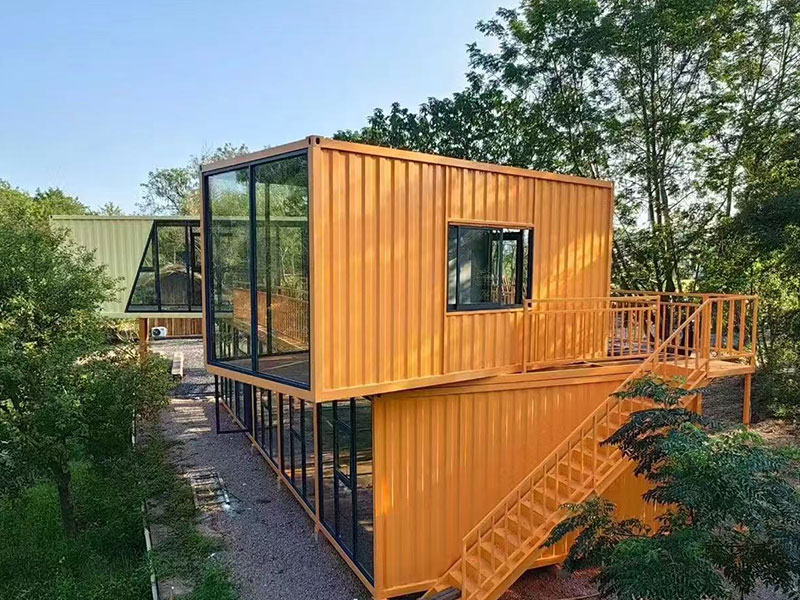
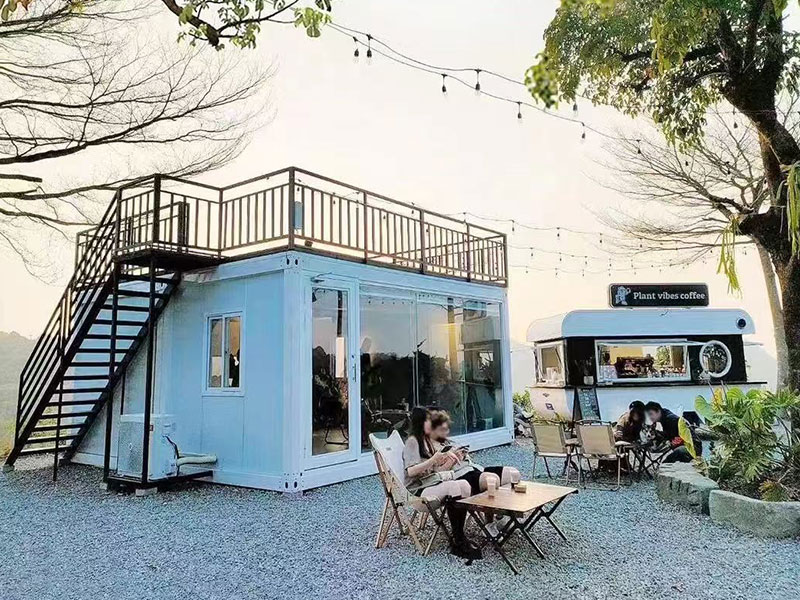
Shengshan habitable containers transform standard container bodies into comfortable living spaces equipped with insulation, doors, windows, electrical circuits, and lighting. They are suitable for scenarios such as construction site accommodation, overseas housing, and temporary residences, offering immediate occupancy upon hoisting and relatively low comprehensive costs.
Core Specifications and Features
Standard Specifications
- Standard container body with livable configuration
Reference Price
- Customized and calculated upon request
Main Structure
- Full steel frame / galvanized steel frame, providing good load-bearing, wind-resistant, and seismic performance
Surface and Craftsmanship
- Sealed waterproof, weather-resistant, and anti-corrosion, with optional internal insulation layers
Applicable Standards
- Referenceable to international standard container dimensions, facilitating transportation and export
Optional Configurations
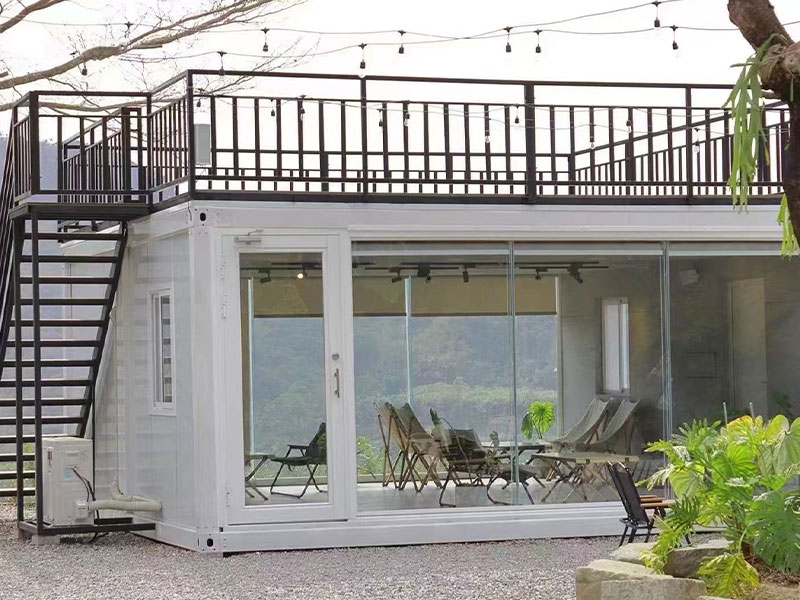
- Doors, windows, electrical circuits, lighting, air conditioning interfaces, and bathroom facilities can be configured as needed
Product Features and Advantages
- Livable configuration, ready to use upon hoisting
- Thermal insulation and soundproofing, comfortable living experience
- Suitable for construction sites, overseas, and temporary housing
- Movable and reusable
- Low comprehensive cost
Needs and Pain Points of Overseas Engineering Camp Accommodation Scenarios
- Overseas project residences require batch and compliant accommodation
- Must comply with international standards and customs clearance shipping specifications
- Local construction conditions are limited
Habitable Container Solution Design
- For overseas engineering camp accommodation: Adopting international standard container dimensions to facilitate maritime shipping and customs clearance
- For overseas engineering camp accommodation: Factory prefabrication and overall hoisting to reduce local construction workload
- For overseas engineering camp accommodation: Fully qualified, supporting one-stop foreign trade services
Combined with the modular characteristics of habitable containers, major prefabrication can be completed in the factory, followed by hoisting or rapid assembly on-site, thereby reducing civil engineering and disturbance to residents.
Deployment and Case Reference
Typical deployment steps: Requirement confirmation and solution design → Factory prefabrication and quality inspection → Transportation to site → Overall hoisting/rapid assembly → Connecting utilities and putting into use.
A certain overseas engineering project used standard container dormitories to build its station, ensuring smooth shipping and on-site implementation.
The enterprise possesses a production base of approximately 20,000 square meters and a team of about 200 people, with an annual production capacity exceeding 30,000 units, capable of undertaking bulk orders. It holds certifications such as EU CPR and ISO9001, facilitating project compliance both domestically and internationally.
Selection and Adaptation Recommendations
- If accommodation is the primary focus, it is recommended to prioritize evaluating thermal insulation, soundproofing, and bed layout; if commercial/office use is prioritized, attention should be paid to exterior customization and electrical interfaces.
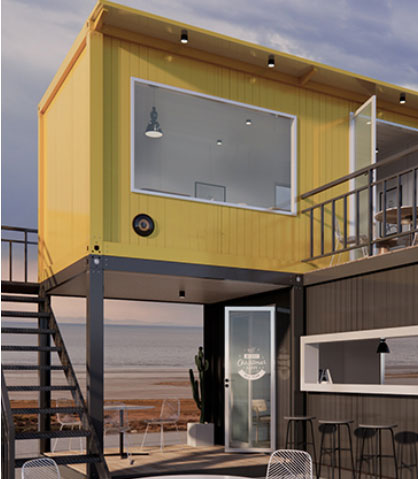
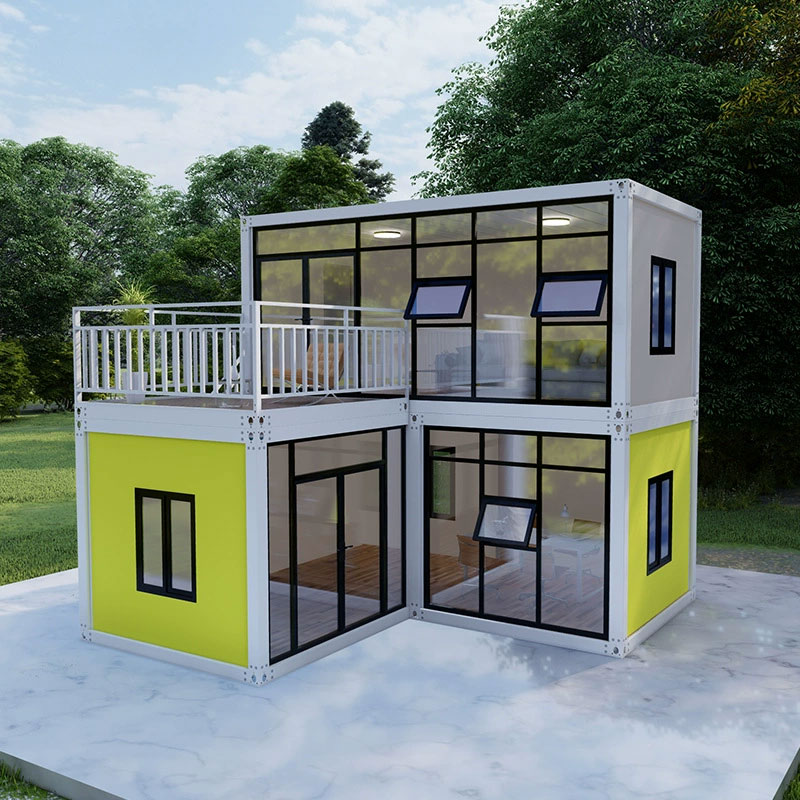
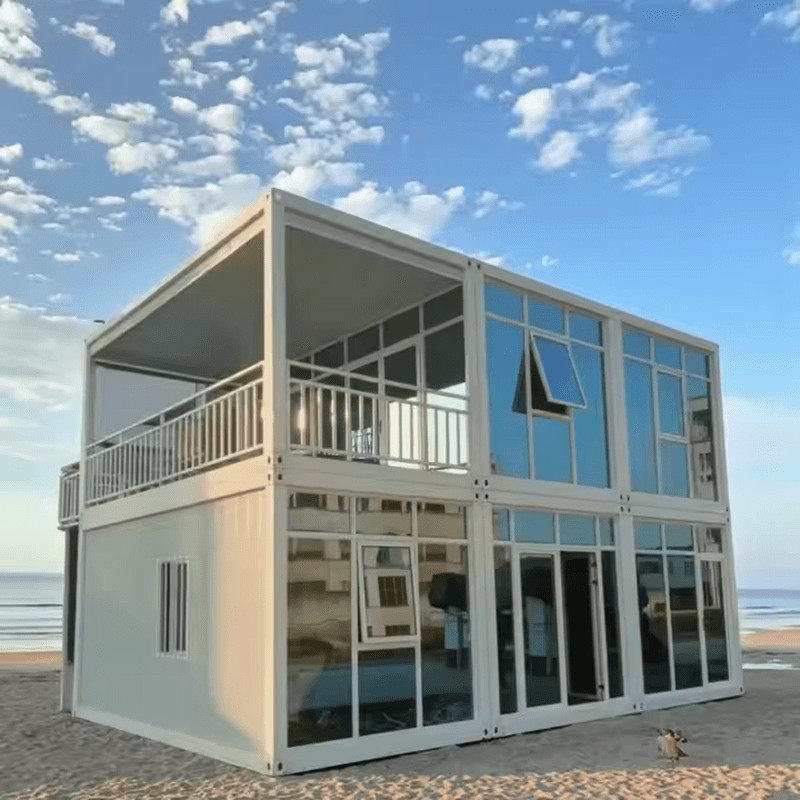
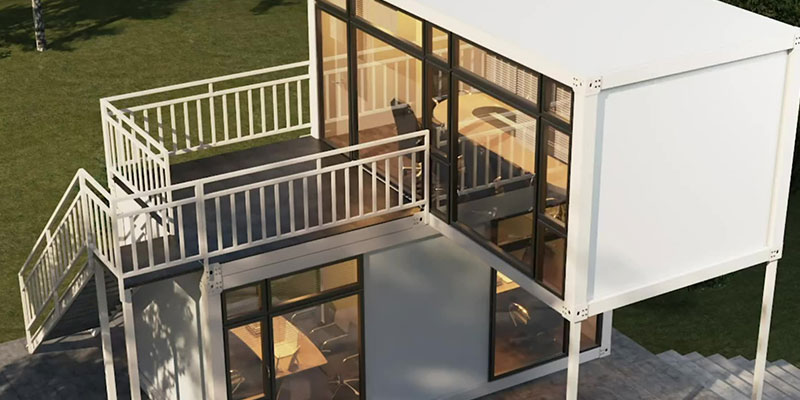
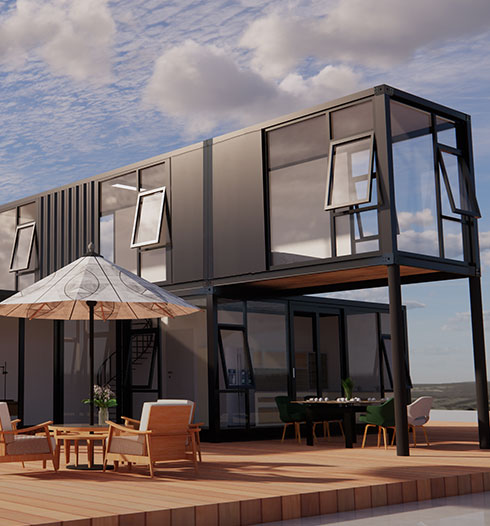
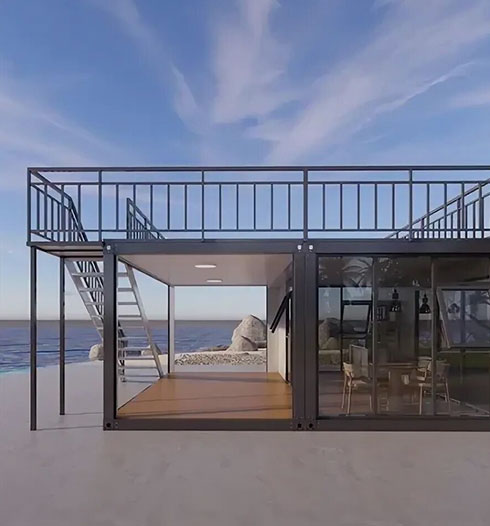
- For bulk deployment, multi-layer stacking and splicing can be considered to improve site utilization and transportation efficiency.
- For export or overseas scenarios, it is recommended to confirm dimensions, documents, and customs clearance requirements in advance, utilizing the manufacturer's one-stop foreign trade services to reduce risks.
Frequently Asked Questions (FAQ)
Q: Are habitable containers suitable for scenarios like overseas engineering camp accommodation?
A: Judging from product characteristics, habitable containers feature factory prefabrication, overall hoisting, and robust structures, well-adapting to the demands of rapid deployment and flexible layout for overseas engineering camp accommodation. It is recommended to further confirm suitability based on site conditions, scale, and compliance requirements.
Q: Approximately how long is the delivery cycle for overseas engineering camp accommodation projects?
A: Habitable containers are mainly prefabricated in factories, with on-site work primarily involving hoisting and connecting water and electricity, keeping the overall implementation cycle controllable. The actual cycle is influenced by customization complexity, batch quantity, and transportation distance; confirmation of scheduling with the manufacturer is advised before ordering.
Q: How do habitable containers ensure waterproofing, insulation, and safety in overseas engineering camp accommodation?
A: The product adopts a full steel frame and sealed waterproof craftsmanship, with internal insulation layers, doors, windows, and circuits configured as needed. It offers good wind-resistant, seismic, and weather-resistant performance, adapting to the environmental requirements of long-term or phased use in overseas engineering camps.
Q: Can exterior and interior finishes be customized for overseas engineering camp accommodation projects?
A: Yes. Habitable containers support custom exterior styles, interior layouts, and equipment interfaces (such as air conditioning, bathrooms, exhaust systems, etc.) according to specific scenarios, better fitting the actual use and image requirements of overseas engineering camps.
Q: How are transportation and installation handled for overseas engineering camp accommodation projects?
A: The products mostly adopt international standard container dimensions or modular components, facilitating land and maritime transportation. On-site implementation mainly relies on overall hoisting or rapid assembly, making them ready for use once utilities are connected, rendering the transportation and installation steps relatively simple.