
 English
 русский
 Français
 Español
 عربى
عربى

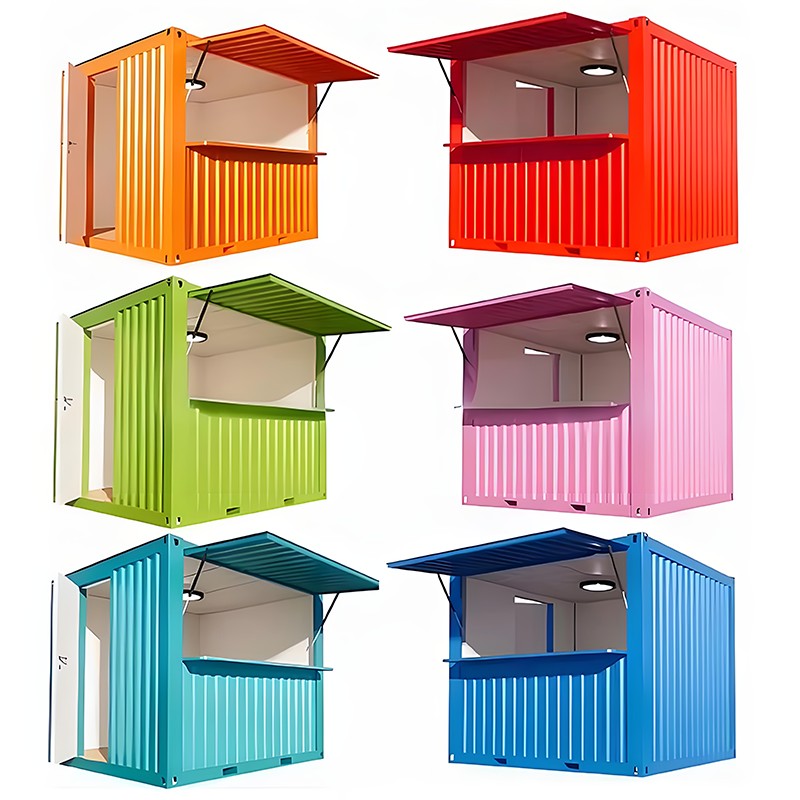
Container kiosks with roller shutter doors are becoming a familiar sight in modern commercial spaces: street food stands, parking lot retail, seasonal markets, and compact service points. The concept is simple, but the execution requires attention. A steel container provides durability and fast installation. A roller shutter door adds a secure, space-efficient closure that opens wide during service hours and locks down at night. Yet a successful kiosk is more than a metal box with a rolling door. Security, electrical wiring, and commercial foot traffic design must be planned as one system, and each area carries its own engineering considerations.
Content
- 1 Security First: Roller Shutter Doors as Your Primary Barrier
- 2 Electrical Wiring for Container Kiosks: Safety and Load Planning
- 3 Designing the Kiosk Layout for Commercial Foot Traffic
- 4 Coordinating Security, Wiring, and Foot Traffic in One Plan
- 5 Customization Options for Your Container Kiosk
- 6 Frequently Asked Questions
Security First: Roller Shutter Doors as Your Primary Barrier
During business hours, the kiosk is open to customers. After closing, the roller shutter becomes the single most important obstacle between your stock and the outside world. A well-designed shutter system does more than cover an opening; it resists forced entry, withstands weather, and survives repeated daily operation.
Look for these security features when specifying a roller shutter for your container kiosk:
Factory-installed shutters have an important advantage. When the track, barrel, and brackets are mounted on the container frame during production, the door opening can be reinforced with steel tubing and the whole assembly aligned with the corner posts. Retrofitting a shutter on site rarely achieves the same level of integration.
Good security design assumes the kiosk will be unattended. Specify every shutter, lock, and hinge for daily use and harsh weather, not just for the first month of operation.
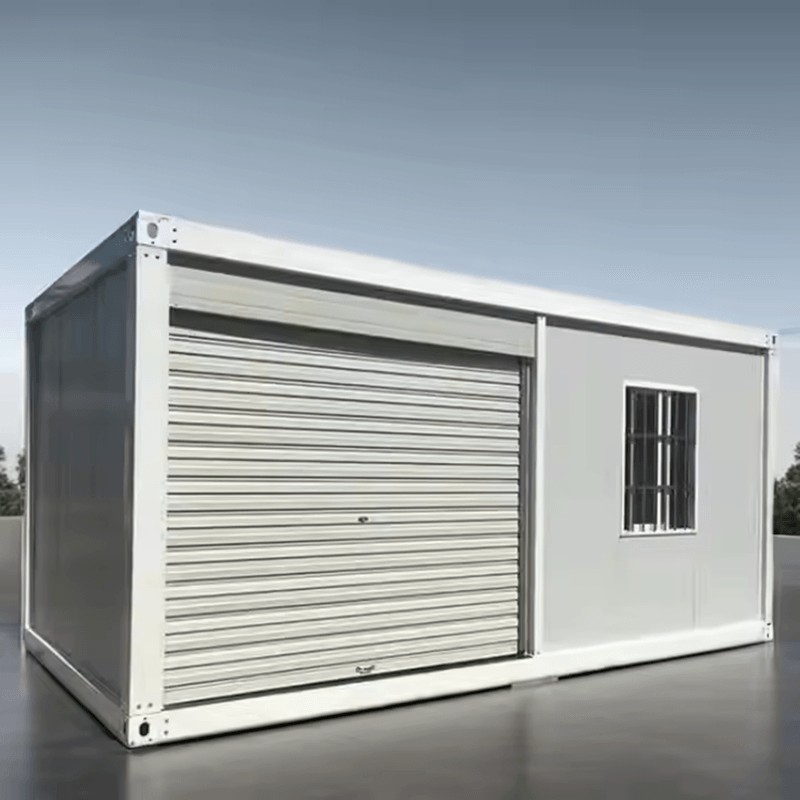
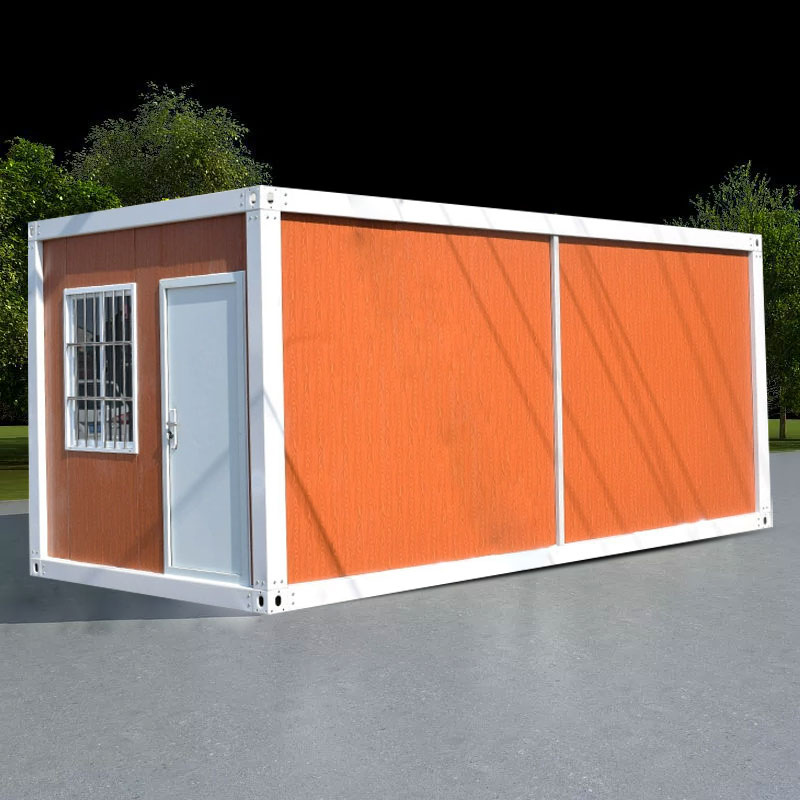
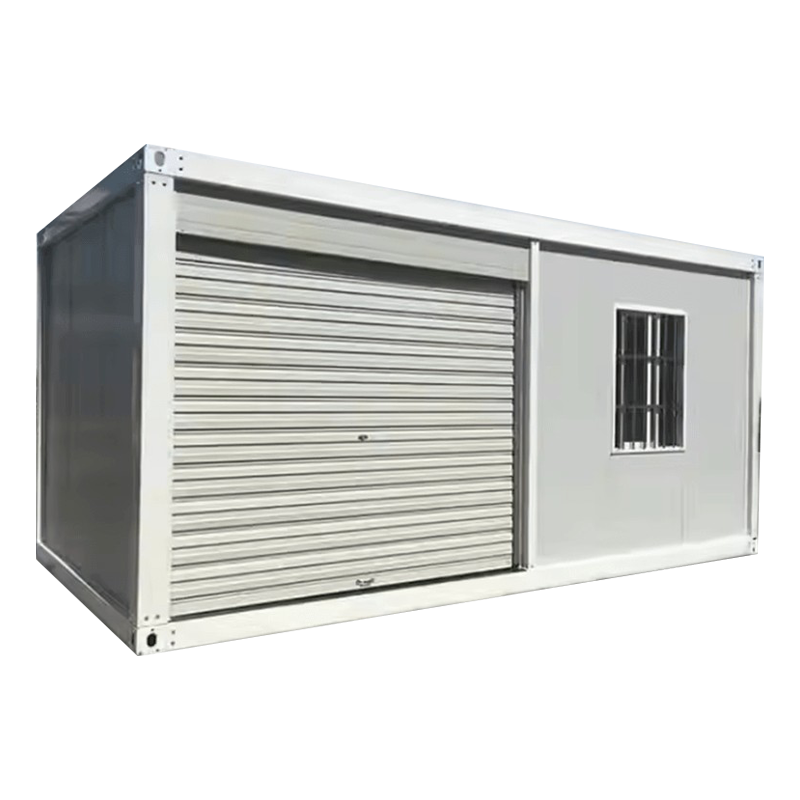 Prefabricated Container With Rolling Shutter Door for Secure AccessThis steel-framed container integrates a corrosion-resistant rolling shutter, manual or electric operation, and insulated sandwich panels. It suits warehouses, shops, or studios where rapid entry and strong protection are key.View Product →
Electrical Wiring for Container Kiosks: Safety and Load Planning
A container kiosk is a fully conductive steel enclosure. That makes electrical design more demanding, not less. Every circuit must be protected, grounded, and physically routed so that a fault cannot energize the frame or start a fire. Safe wiring is not an accessory; it is a prerequisite for any commercial kiosk operation.
Before ordering, list every appliance you intend to run: lights, refrigeration, cooking equipment, point-of-sale systems, and signage. Calculate the total connected load and the expected simultaneous demand, then size the incoming supply accordingly. Most single-unit kiosks operate well on a 240V single-phase supply with a 30 to 60 amp rating, but your equipment list will determine the exact requirement.
| Equipment | Typical Power Draw | Wiring Note |
|---|---|---|
| LED lighting | 30-60W | Dedicated circuit |
| Refrigerated display case | 150-400W | 16A circuit |
| Coffee machine | 1000-2000W | 16A or 20A circuit |
| POS terminal and router | 50-150W | Socket circuit |
| Space heater or cooling unit | 500-1500W | 16A circuit |
These are typical estimates only. Confirm the specifications of your equipment with a licensed electrician before finalizing the kiosk design. For locations without a reliable grid connection, a generator or solar-battery system can be integrated, but it must still feed through the same distribution board and grounding network.
Designing the Kiosk Layout for Commercial Foot Traffic
The roller shutter that secures the kiosk at night becomes a large service opening during the day. How that opening is used determines how many customers you can serve, how quickly queues move, and how comfortable the experience feels. For seasonal businesses, the ability to open wide during high-traffic weekends and close down completely midweek makes the roller shutter an operating tool, not just a security device.
Service window placement
A full-width shutter creates an impressive frontage, but many operators prefer a lower fixed counter section with the shutter rolling up above it. This configuration allows serving while the shutter is partially closed, which keeps the interior temperature stable and reduces security risk during quieter hours.
Queue and display zones
Customers need a clear path to the counter and space to step aside after ordering. Keep a minimum clear width of about 1.2 meters in front of the kiosk so two people can pass comfortably. If the location experiences peak rushes, consider two transaction points: one for ordering and payment, another for pickup.
Accessibility and sight lines
A threshold level with the surrounding pavement, a counter height near 950 mm for wheelchair users, and unobstructed sight lines into the kiosk all improve service speed and customer confidence.
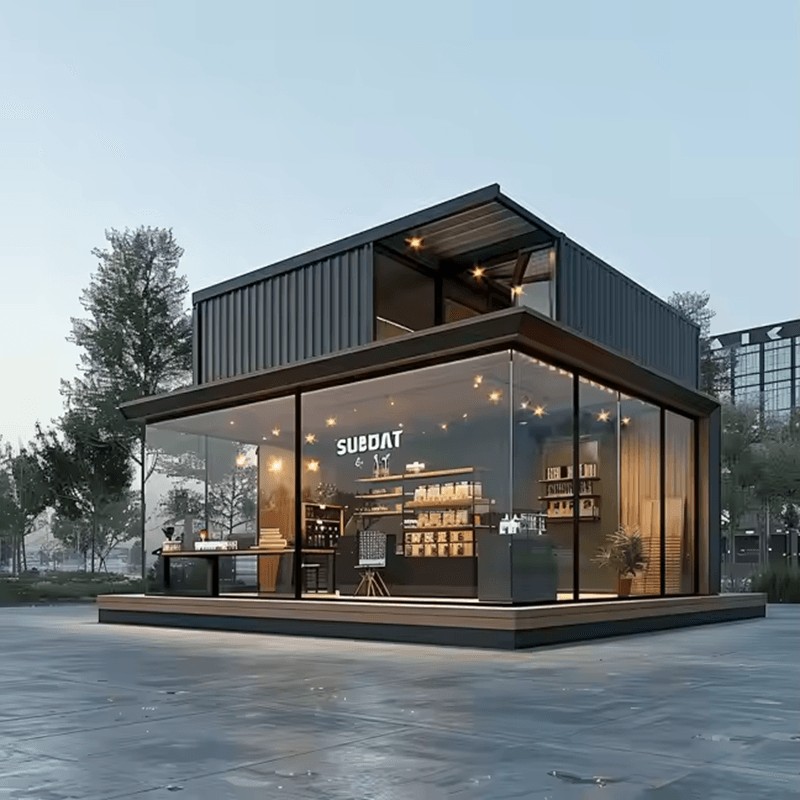
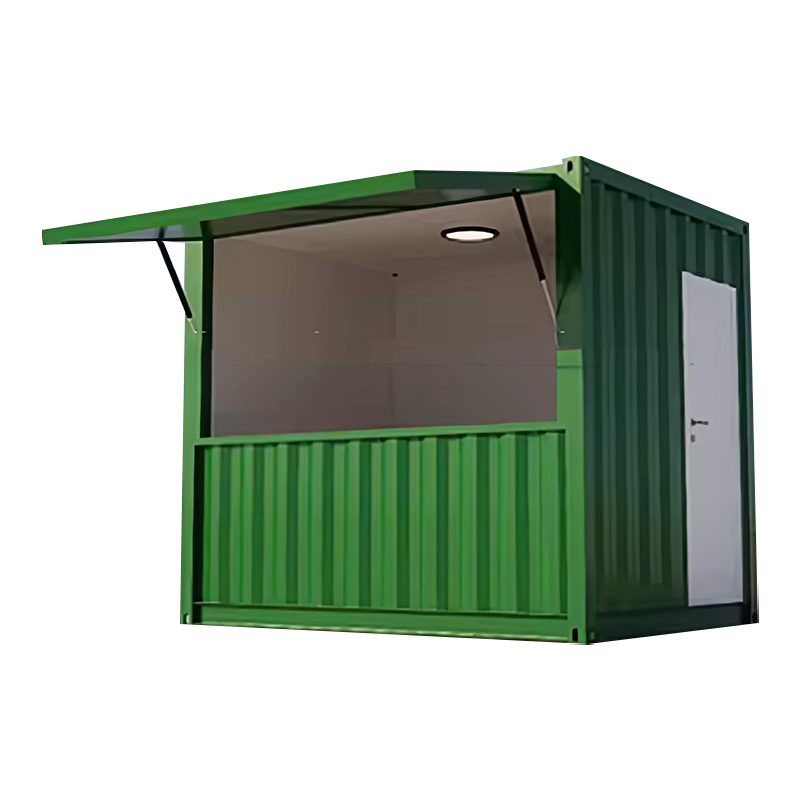 Portable Corrugated Panel Shop for Modular Retail SpacesThis lightweight, modular shop uses corrugated panels to fold into a creative retail or exhibition space. Its adaptable design supports quick deployment and flexible layouts, making it a practical choice for small businesses.View Product →
Coordinating Security, Wiring, and Foot Traffic in One Plan
The best container kiosk designs treat structure, power, and people flow as a single integrated plan, because each affects the others.
A prefabricated kiosk with pre-installed wiring and a factory-fitted roller shutter avoids the coordination problems that arise when separate contractors work inside a tiny steel box. The unit arrives tested and ready to connect. Early coordination is also cheaper than rework: decide the positions of the electrical panel, shutter controls, and equipment before the container is fabricated, because moving them later means cutting into wall panels and re-running cables.
Customization Options for Your Container Kiosk
No two commercial sites are identical, and a kiosk should not have to be either. Working with a manufacturer that supports custom specifications lets you control everything from the shutter opening size to the interior layout.
Custom-built kiosks are manufactured in the factory and delivered ready to operate. You can add insulated walls for year-round comfort, double-glazed windows for natural light, or an external meter board for simple utility connection. A good manufacturer will ask about your menu, operating hours, climate, and site access before recommending a configuration; use those questions to sharpen your own brief. For a broader look at what container-based structures can offer, review our guide to container house benefits, designs, and custom solutions.
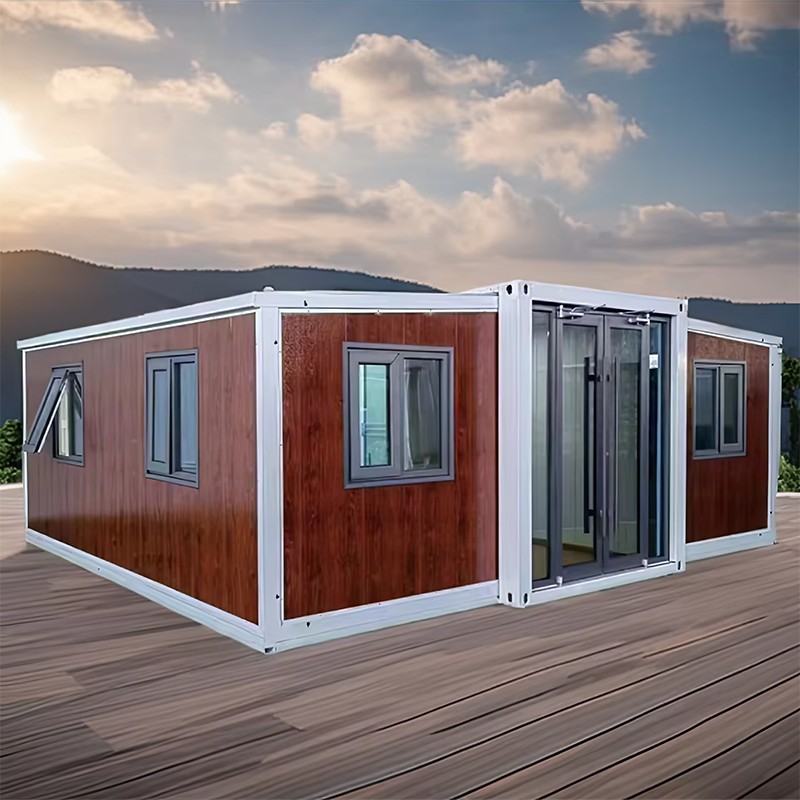
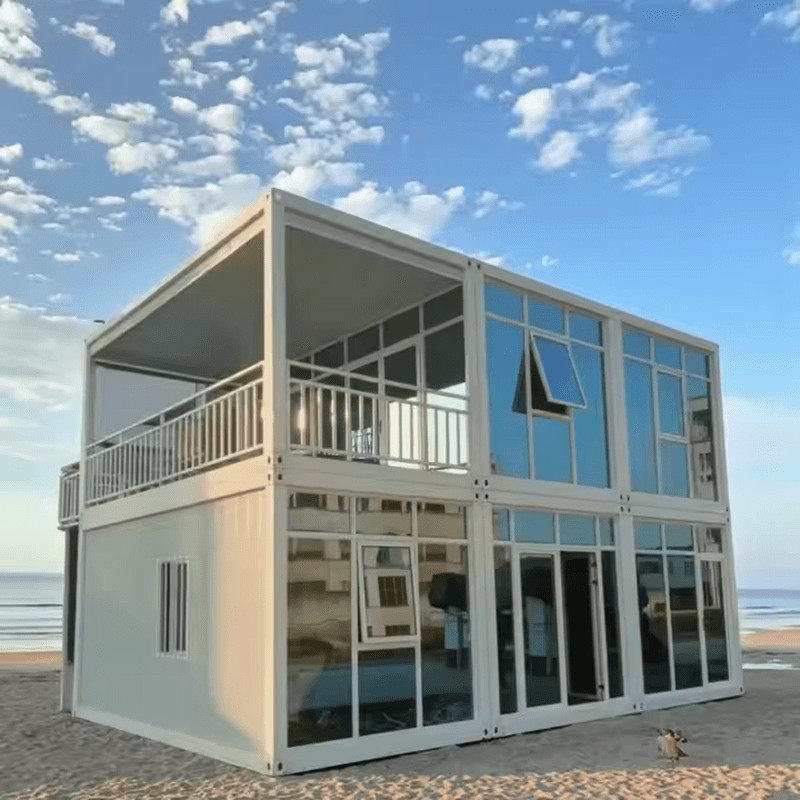
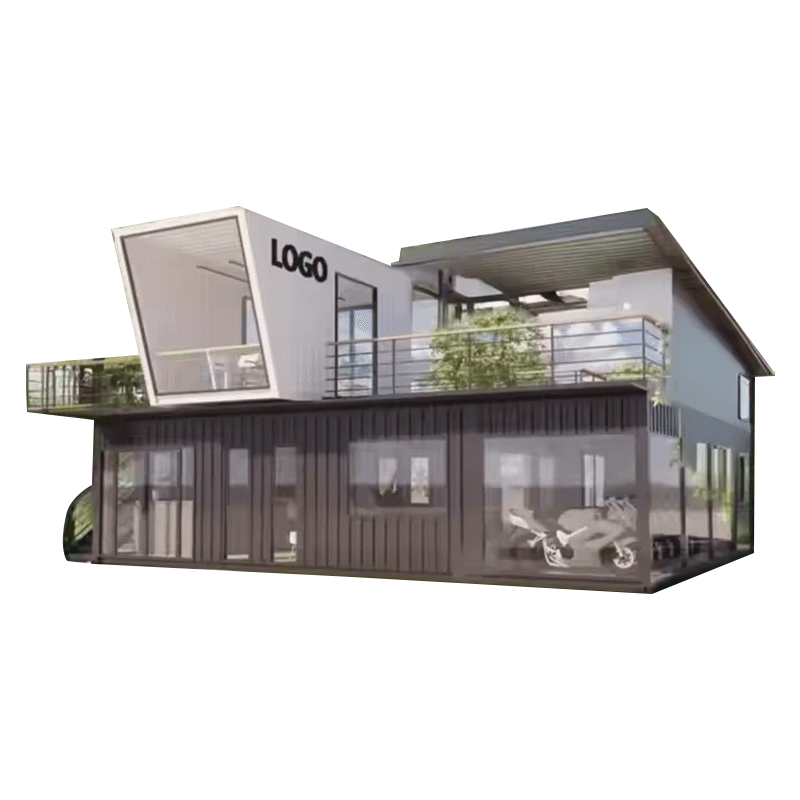 Customized Modular Container Home With Personalized DesignThis container home is built to your exact size, appearance, and interior style, using high-quality materials for stable construction. It combines fast assembly and mobility with unique branding, ideal for business or personal use.View Product →
Frequently Asked Questions
Q1: Are roller shutter doors secure enough for overnight kiosk storage?
Yes. Interlocking steel slats, guide rails bolted to the container frame, and a lockable bottom rail provide strong resistance to forced entry. For higher-risk locations, add anti-lift brackets, a padlock hasp, or an alarm system.
Q2: How much electrical capacity does a container kiosk need?
Most small kiosks operate well on a 240V single-phase supply with 30 to 60 amps. List all equipment wattages first, then size the distribution box and breakers. Have a licensed electrician verify the final design.
Q3: Can I combine a roller shutter with a fixed serving window?
Yes. A common configuration uses a lower fixed counter with a serving window and a roller shutter above that closes the full opening after hours. This keeps service fast while maintaining security.
Q4: Can the kiosk be relocated after installation?
Yes, if the kiosk is built with lifting lugs or fork pockets, the electrical service is disconnected at the meter, and the transport route is sized for the container dimensions. Factory-built kiosks are designed for repeated lifting and relocation.