 English
 русский
 Français
 Español
 عربى
عربى

Remote mining operations demand far more from workforce accommodation than standard prefabricated buildings can offer. Dust from drilling, blasting, crushing, and haulage drifts into living quarters, while heat, humidity, and limited fresh air can turn sleeping units into uncomfortable, unhealthy spaces. Modular container housing has become the preferred solution for mining camps because it combines structural strength, rapid deployment, and flexible configuration. Yet the container houses used on these sites must be engineered specifically for the environment: heavy-duty ventilation keeps air moving, while dust-proof design keeps airborne particles outside where they belong.
Heavy-duty ventilation and dust-proof design are not optional upgrades for mining camp housing; they are essential engineering decisions that protect both people and assets.
Content
- 1 Why Heavy-Duty Ventilation and Dust-Proof Design Matter in Mining Camps
- 2 Core Engineering Principles of Dust-Proof Modular Housing
- 3 Designing Heavy-Duty Ventilation Systems for Camp Container Units
- 4 Selecting Durable Materials for Mining Camp Housing
- 5 Configuring Modular Housing for Mining Camp Life
- 6 Frequently Asked Questions
- 6.0.1 Q1: What is the recommended air exchange rate for modular mining camp housing?
- 6.0.2 Q2: How does dust-proof design prevent particles from entering container houses?
- 6.0.3 Q3: Can modular container housing withstand extreme weather at remote mine sites?
- 6.0.4 Q4: Are rock wool sandwich panel container houses fire-resistant?
Why Heavy-Duty Ventilation and Dust-Proof Design Matter in Mining Camps
Mining camps are not ordinary construction sites. They are often located in deserts, high plateaus, or other remote regions where windblown dust, sand, and fine mineral particles are a constant presence. Once dust enters a living unit, it settles on bedding, clothing, and food surfaces, and it is easily inhaled during sleep. Long-term exposure can contribute to respiratory irritation, coughing, and fatigue, issues that directly affect workforce wellbeing and site productivity.
Poor ventilation creates a second set of problems. A sealed container room occupied by several workers quickly accumulates carbon dioxide, body heat, and moisture. Condensation forms on walls and ceilings, promoting mold growth and corrosion of steel framing. Over time, the internal environment becomes not only uncomfortable but damaging to the structure itself. Heavy-duty ventilation and dust-proof design therefore work together: ventilation controls temperature, humidity, and air quality, while dust sealing ensures that the incoming fresh air is clean and that dust cannot enter through gaps and joints.
Beyond health and comfort, these design features support compliance with workforce accommodation standards and demonstrate a genuine duty of care to employees and contractors. Camps that provide clean, dry, well-ventilated rooms report higher retention and better morale, which matters in remote locations where recruiting every worker is costly.
Core Engineering Principles of Dust-Proof Modular Housing
Dust-proofing a modular building is more than adding a filter. It requires a systematic approach to the building envelope, starting with panel joints and ending with the way air enters and leaves the unit.
- Sealed panel joints: Wall and roof panels are joined with precision-engineered connections and gaskets, so fine dust cannot be drawn through gaps during windy periods or when the ventilation system runs under negative pressure.
- High-performance doors and windows: Doors use weather stripping and tight latching, while windows are fitted with seals that prevent dust ingress even in high-wind events.
- Pressurization strategy: A slightly positive interior pressure prevents dust from being pulled in through small openings. This is particularly effective when combined with mechanically supplied filtered air.
- Filtered fresh air intakes: Ventilation openings are fitted with multi-stage filters capable of trapping coarse sand and fine dust before air enters the occupied space.
- Easy-to-clean interiors: Smooth, non-porous wall surfaces and sealed floors allow rapid cleaning, so any dust that does enter can be removed quickly and surfaces do not harbor particles.
| Design Feature | Primary Function | Benefit in Mining Camps |
|---|---|---|
| Gasketed panel joints | Block dust infiltration | Cleaner sleeping spaces |
| Pressurized interior | Prevent particle entry | Reduced respiratory irritation |
| Multi-stage air filters | Purify incoming air | Consistent indoor air quality |
| Sealed door and window systems | Eliminate gaps | Better performance in windstorms |
| Smooth interior surfaces | Simplify cleaning | Lower maintenance workload |
Designing Heavy-Duty Ventilation Systems for Camp Container Units
Ventilation in modular camp housing must be planned around occupancy, climate, and the dust load of the site. A basic rule is that every occupied sleeping unit needs a continuous supply of fresh air. Passive approaches, such as opening windows and roof vents, work in moderate climates, but they are not reliable in dusty or extreme conditions. Heavy-duty ventilation systems combine passive and mechanical elements to guarantee performance regardless of weather.
Key ventilation elements
- Cross-ventilation layout: Windows and vents are positioned on opposite walls so natural airflow can sweep through the unit when conditions allow.
- Roof-level exhaust vents: Warm, humid air rises and exits through high-level vents, preventing condensation and reducing heat buildup.
- Mechanical exhaust fans: High-capacity fans with dust-resistant coatings maintain air exchange even when windows must stay closed during dust storms.
- Filtered supply units: In regions with extreme dust loads, dedicated supply fans push filtered and slightly pressurized air into the living space.
Air exchange rates should be calculated based on the number of occupants. For a standard 6-meter container accommodating four to six workers, a continuous air exchange rate of at least 30 cubic meters per hour per person is a practical benchmark, with higher rates recommended for tropical or high-altitude sites where heat stress is a concern. The table below summarizes typical ventilation configurations for common camp unit types.
| Unit Type | Occupancy | Recommended Ventilation Approach |
|---|---|---|
| Standard 3 by 6 m sleep unit | 4 to 6 workers | Cross-ventilation plus roof vent and exhaust fan |
| Large dormitory | 10 to 20 workers | Mechanical supply with filtration and multi-point exhaust |
| Bathroom and shower unit | Shared | Continuous high-volume exhaust with corrosion-resistant fan |
| Kitchen and mess unit | Shared | High-capacity exhaust hood plus filtered supply air |
Selecting Durable Materials for Mining Camp Housing
The material specification of a modular container house determines how well it resists dust, moisture, wind, fire, and repeated handling. For mining camps, durability is not optional; units are often transported over rough roads, lifted by crane, stacked, and expected to last for years in aggressive environments.
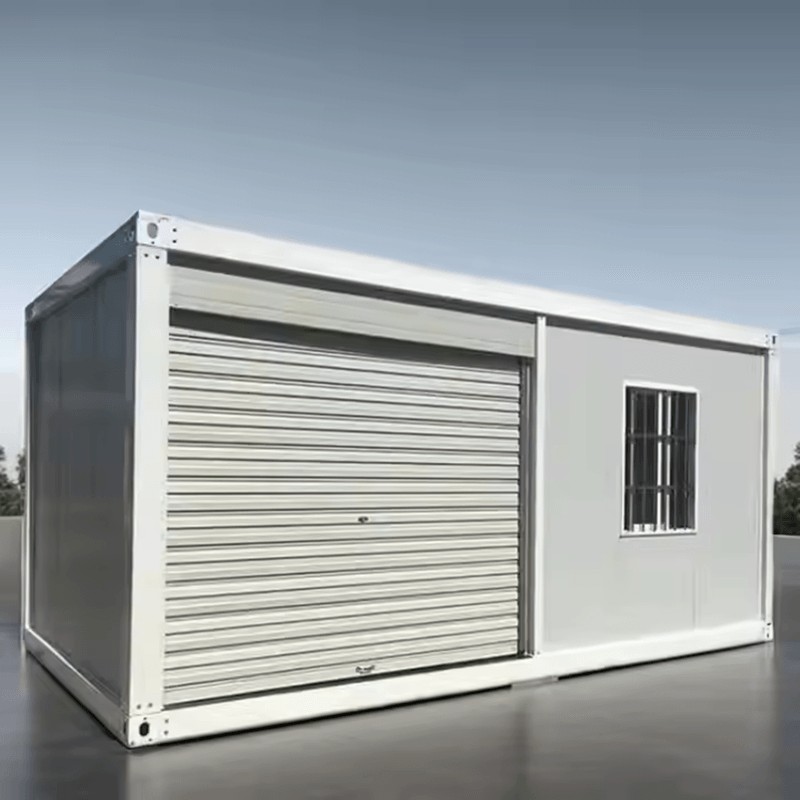
Steel structure: A hot-dip galvanized steel frame provides the load-bearing strength needed for stacking, wind resistance, and secure anchoring. Steel-structure container houses are widely used in mining projects because they keep their shape under heavy loads and resist impact damage during transport and installation.
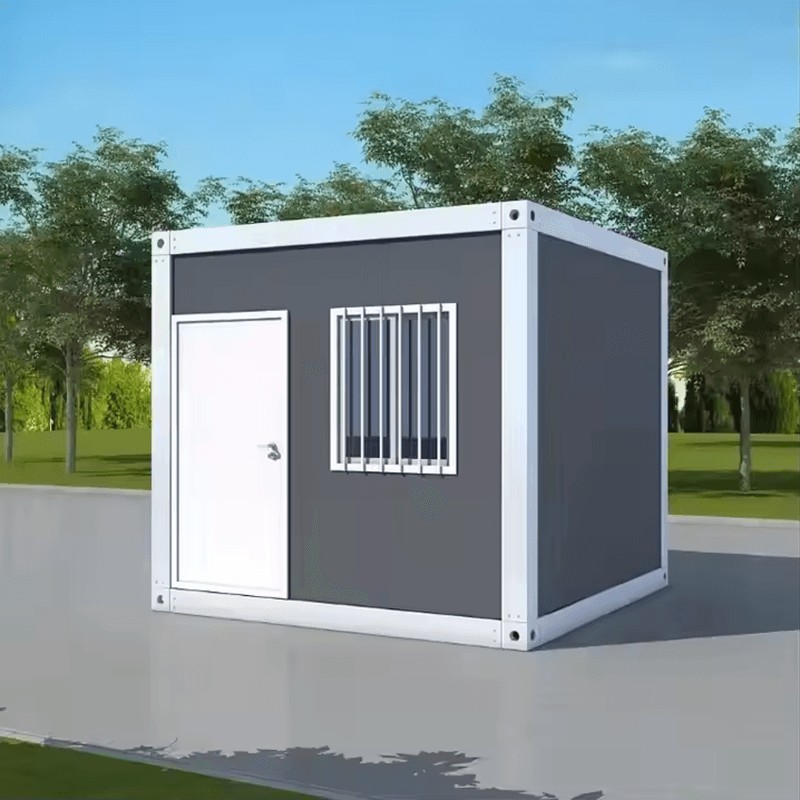
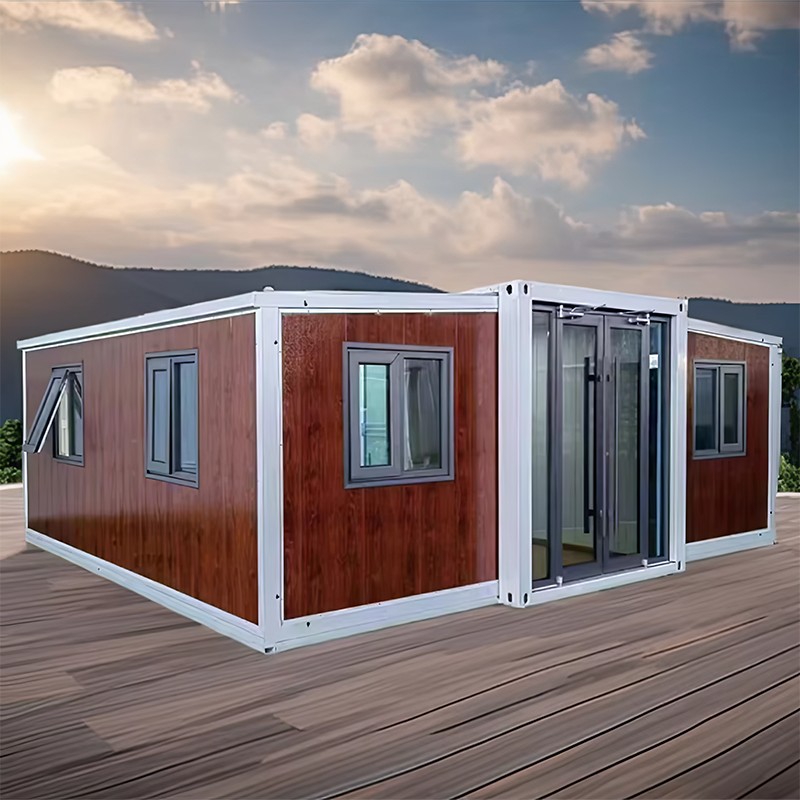
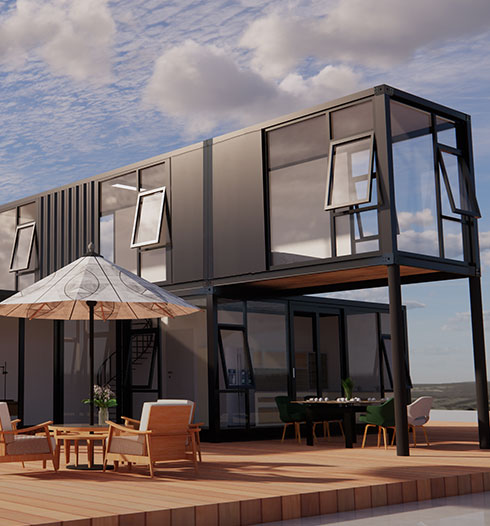
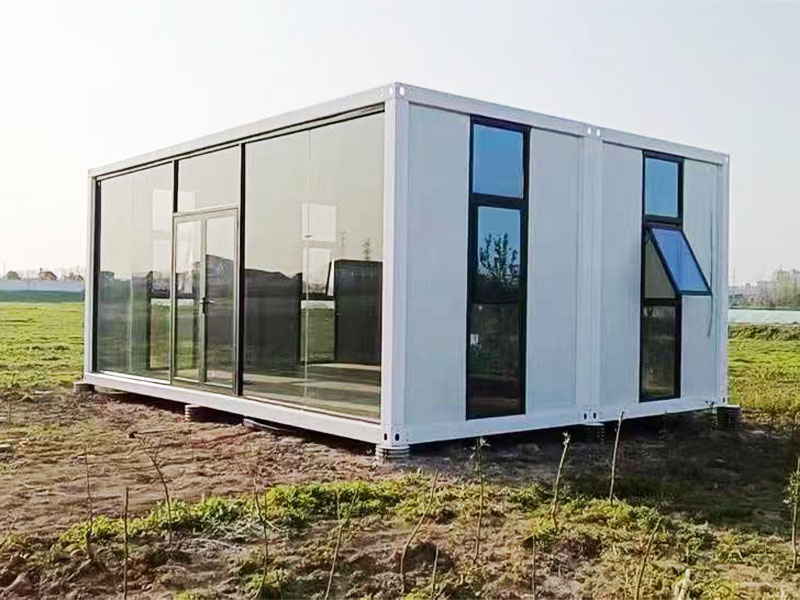
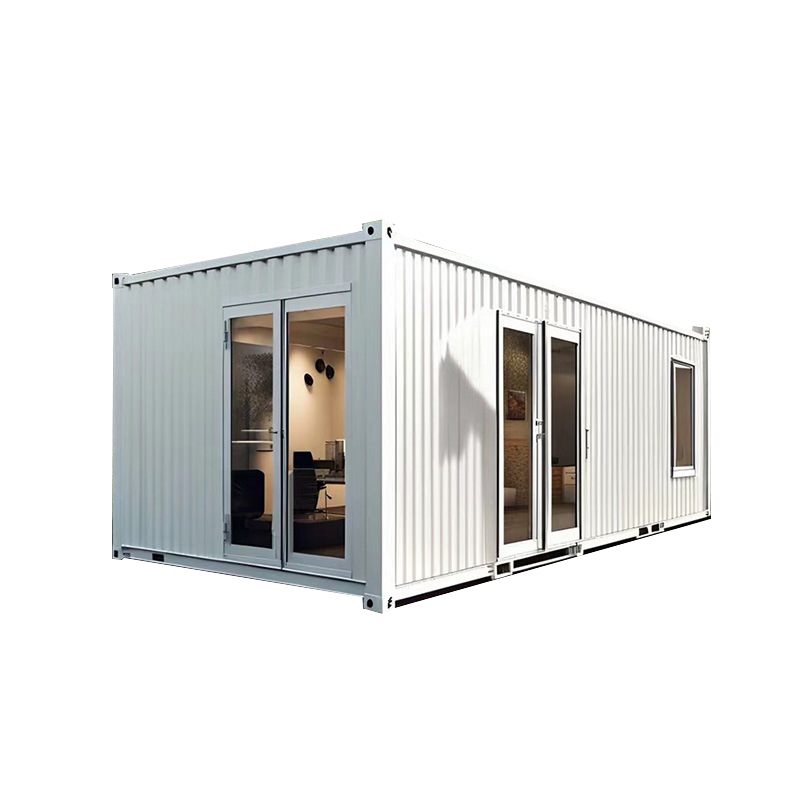 Hot-Dip Galvanized Steel Frame Container HouseThis container house features a load-bearing galvanized steel frame for stacking and wind resistance. Its sandwich panel walls offer insulation options, making it suitable for mining camp housing with transport ease.View Product →
Rock wool sandwich panels: Wall and roof panels with a rock wool core deliver excellent fire resistance, thermal insulation, and sound absorption. In mining camps, where welding, fuel storage, and machinery create fire risks, rock wool cores offer a critical layer of protection. The non-combustible core also helps maintain comfortable indoor temperatures in both hot and cold climates, reducing the load on heating and cooling systems.
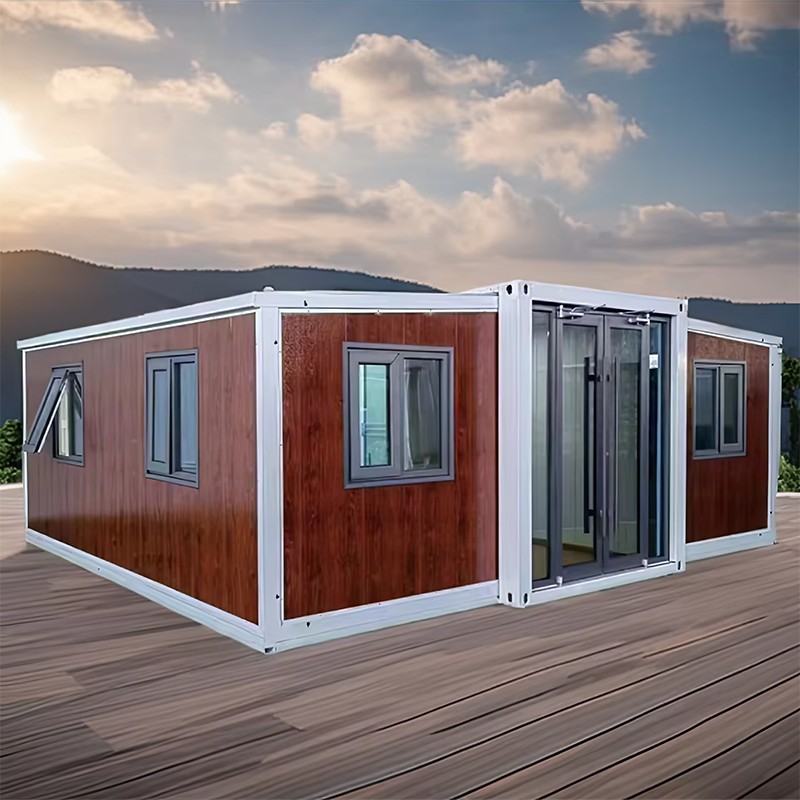
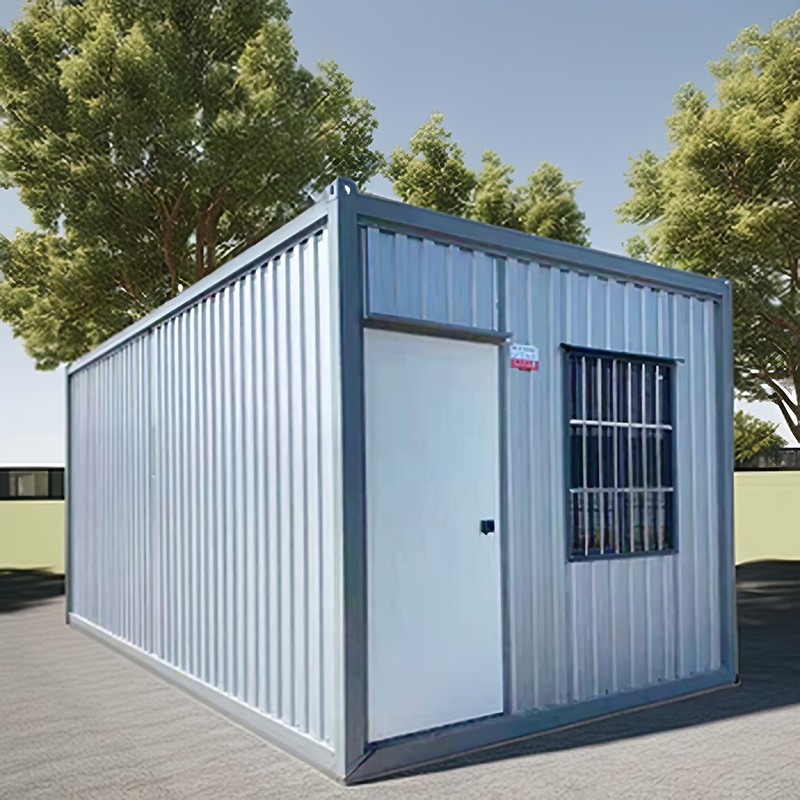
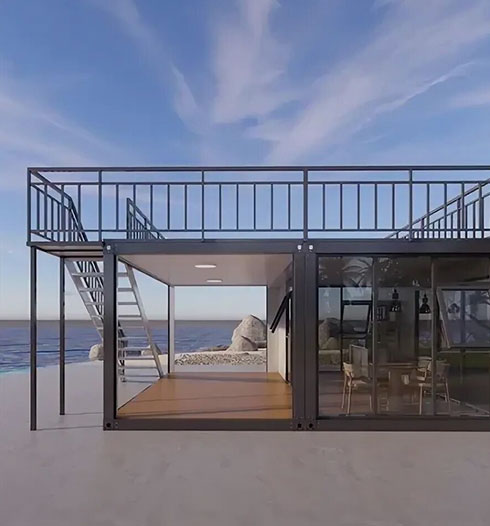
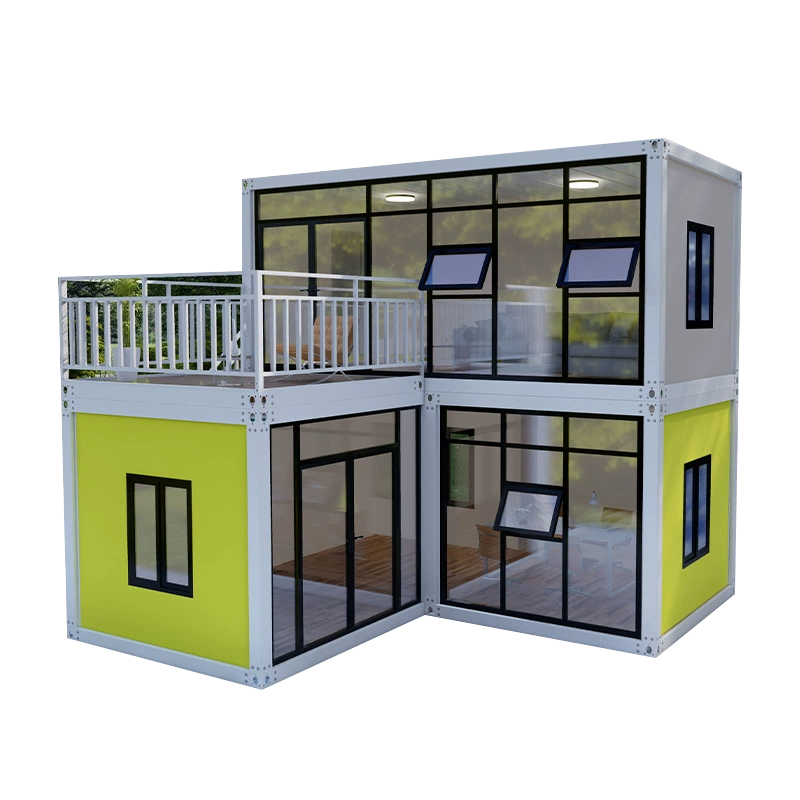 Fireproof Rock Wool Sandwich Panel HouseDesigned with non-combustible rock wool panels, this prefabricated house provides fire protection, thermal insulation, and sound absorption. It is reusable and rustproof, ideal for construction sites and remote camps.View Product →
Choosing fire-resistant and corrosion-resistant materials is one of the most important decisions in a mining camp project. As explored in our guide to fireproof rock wool container houses, these panels do more than protect lives; they lower insurance risk and extend the service life of the camp. Exterior cladding should also be selected for resistance to windblown sand, with coatings that withstand abrasion and UV exposure at high altitude.
Configuring Modular Housing for Mining Camp Life
Every mining camp has its own layout constraints, workforce size, and climate challenges. Modular container housing is inherently flexible, and experienced manufacturers can configure units to match the specific requirements of a project: standard sleepers, large dormitories, bathroom and shower modules, kitchens, mess halls, offices, clinics, and recreation spaces can be combined into a complete camp.
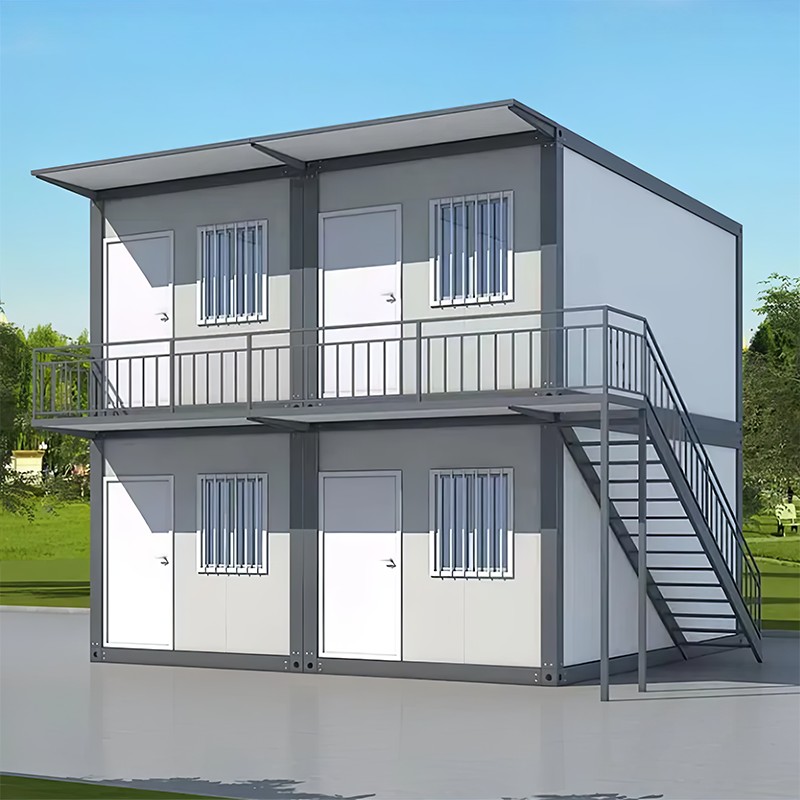
For large workforces, large dormitory units maximize sleeping capacity while keeping ventilation and dust control manageable. A well-designed dormitory separates the sleeping area from circulation zones, integrates high-level exhaust points, and uses filtered mechanical supply to maintain air quality even with many occupants. The manufacturer can customize interior layouts, window positions, and ventilation openings during production, ensuring each unit performs correctly for its intended role.
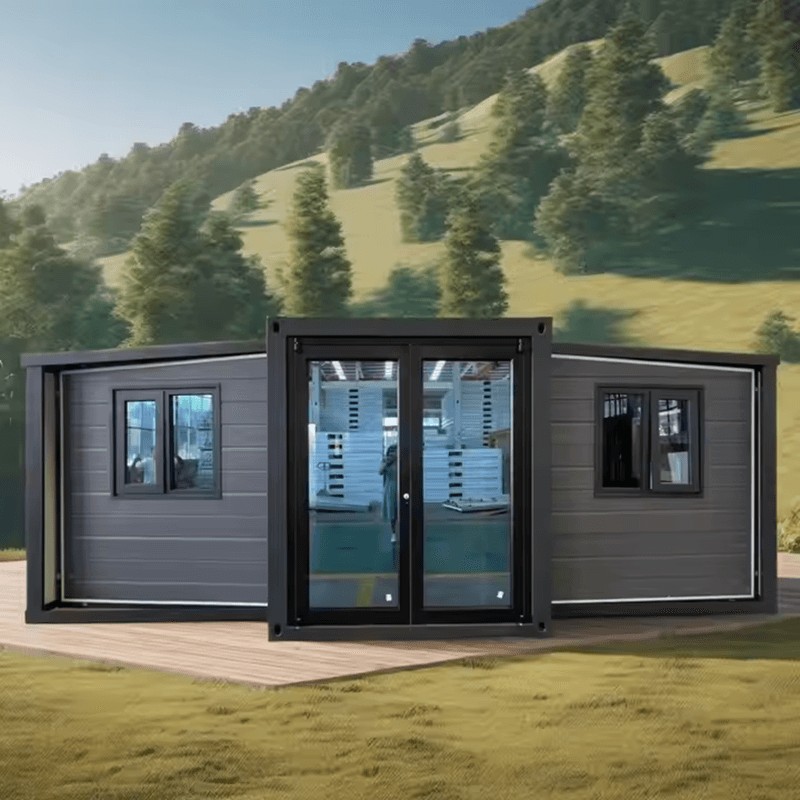
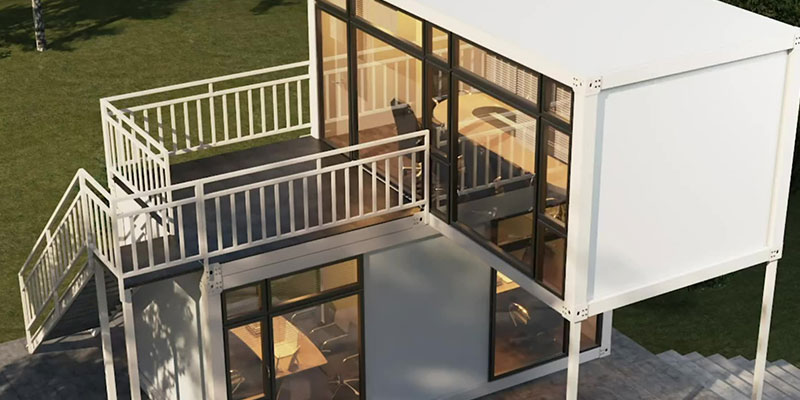
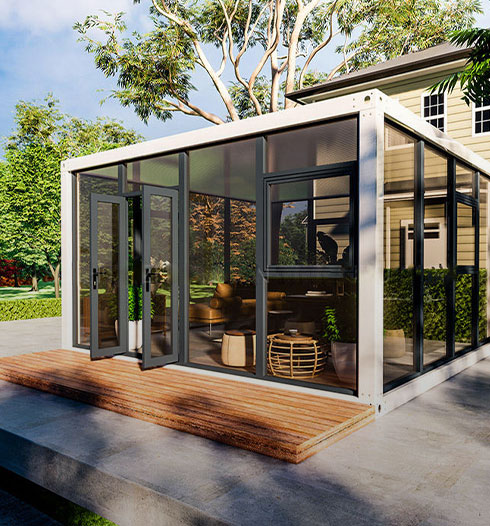
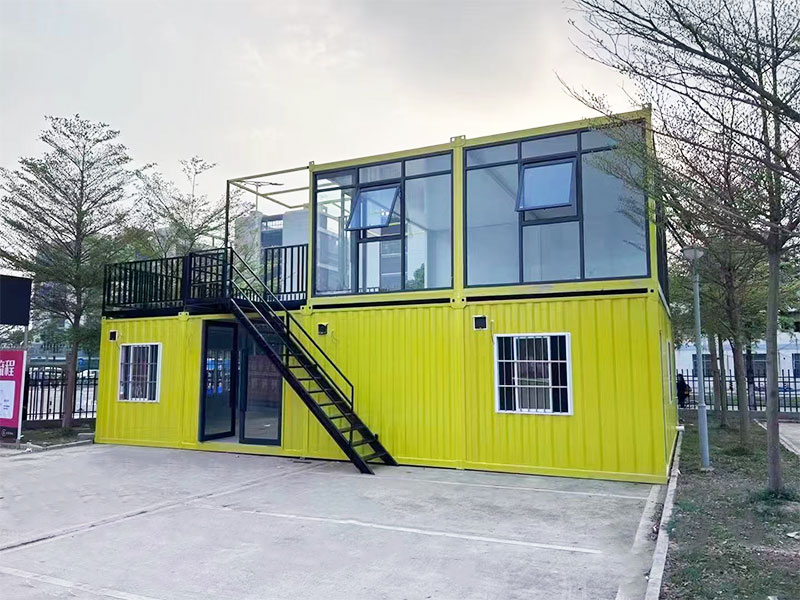
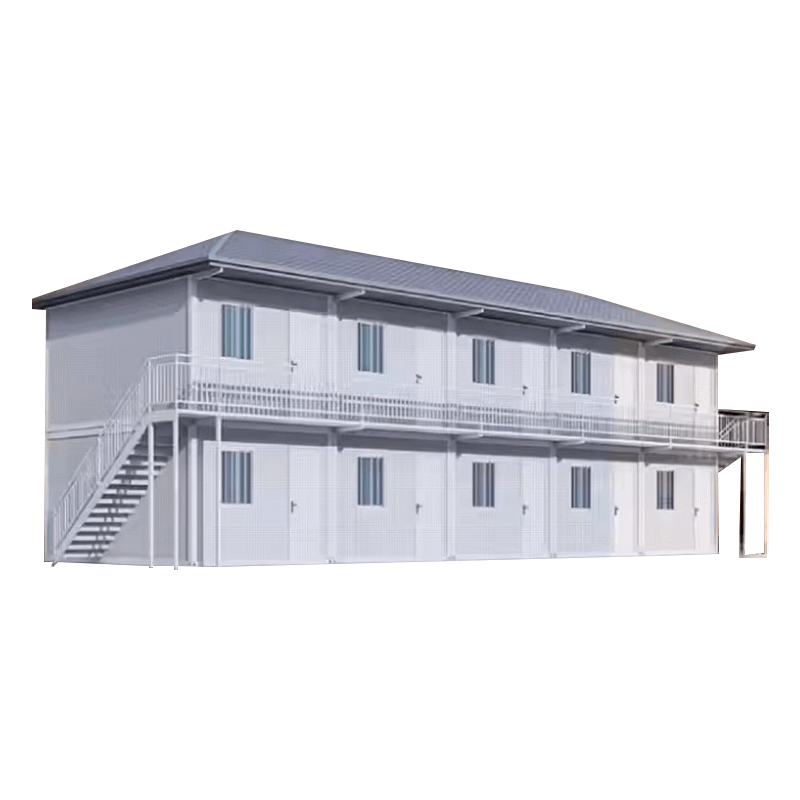 Spliced Steel Frame Large Dormitory Container HouseThis modular dormitory combines multiple containers into spacious living quarters using high-strength steel and fireproof sandwich panels. It offers flexible layouts, quick assembly, and accommodates many occupants efficiently.View Product →
Bathroom and shower modules require especially robust ventilation because of their constant moisture load. Container houses can also be combined with expansion boxes to create larger communal spaces without increasing the number of transport units, a major advantage in remote logistics. When planning a camp, the fastest path to a successful outcome is to work with a modular prefabricated housing manufacturer that understands the operational reality of mining sites and delivers structural design, sealing details, ventilation integration, and interior finishing as part of a single engineered package.
Frequently Asked Questions
Q1: What is the recommended air exchange rate for modular mining camp housing?
A continuous fresh air supply of at least 30 cubic meters per hour per occupant is a practical baseline for sleeping units. For tropical, high-altitude, or heavily occupied spaces, increase the rate to 45 cubic meters per hour per person or more, and combine it with mechanical extraction for reliable performance.
Q2: How does dust-proof design prevent particles from entering container houses?
Dust-proofing combines gasketed panel joints, weather-sealed doors and windows, filtered air intakes, a slightly positive interior pressure, and smooth interior surfaces. Together these measures block dust infiltration at every possible entry point and keep indoor air clean even during windstorms.
Q3: Can modular container housing withstand extreme weather at remote mine sites?
Yes, when the unit is engineered with a heavy steel frame, proper anchoring, weather-resistant panels, and reinforced sealing. The roof structure and wall connections must be designed for the local wind load, and the manufacturer can adapt the specification to desert sandstorms, heavy snow, or high-altitude UV exposure.
Q4: Are rock wool sandwich panel container houses fire-resistant?
Rock wool sandwich panels are classified as fire-resistant building materials. The mineral wool core does not burn, and it slows the spread of heat and flame, providing additional evacuation time in an emergency. This makes them a preferred choice for camp facilities located near fuel, machinery, and welding activities.
Modular container housing for mining camps is only as good as the engineering behind its ventilation and dust-proof design. Units that combine a robust steel structure, fire-resistant rock wool panels, and carefully planned airflow will keep workers healthier, more comfortable, and more productive, even in the most challenging environments. For project managers and procurement teams, the key is to choose a manufacturer that treats ventilation and dust control as core engineering requirements rather than optional extras, and that can customize every unit to the conditions of the mine site.