 English
 русский
 Français
 Español
 عربى
عربى

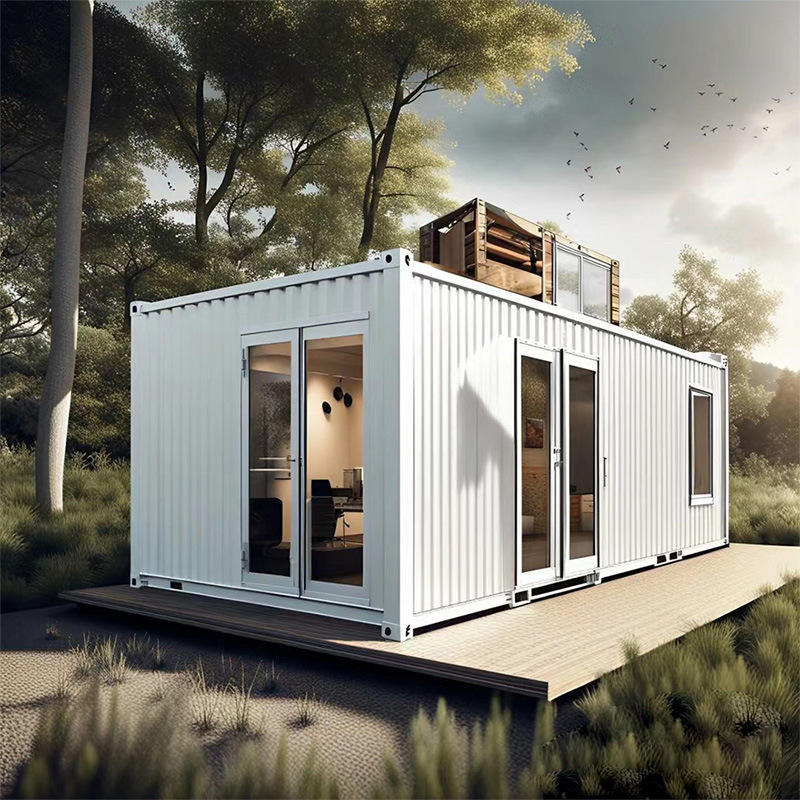
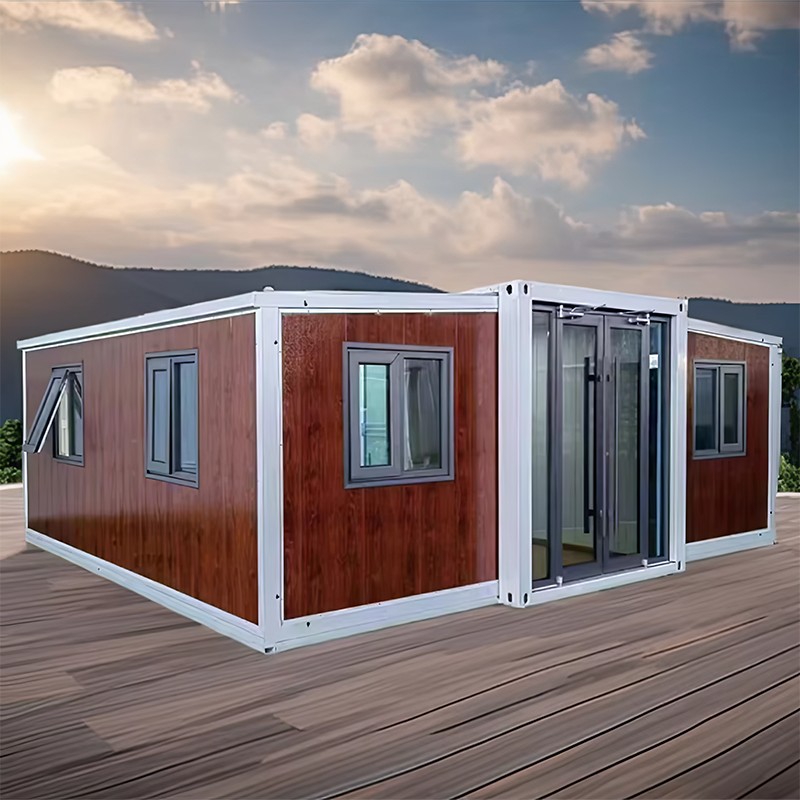
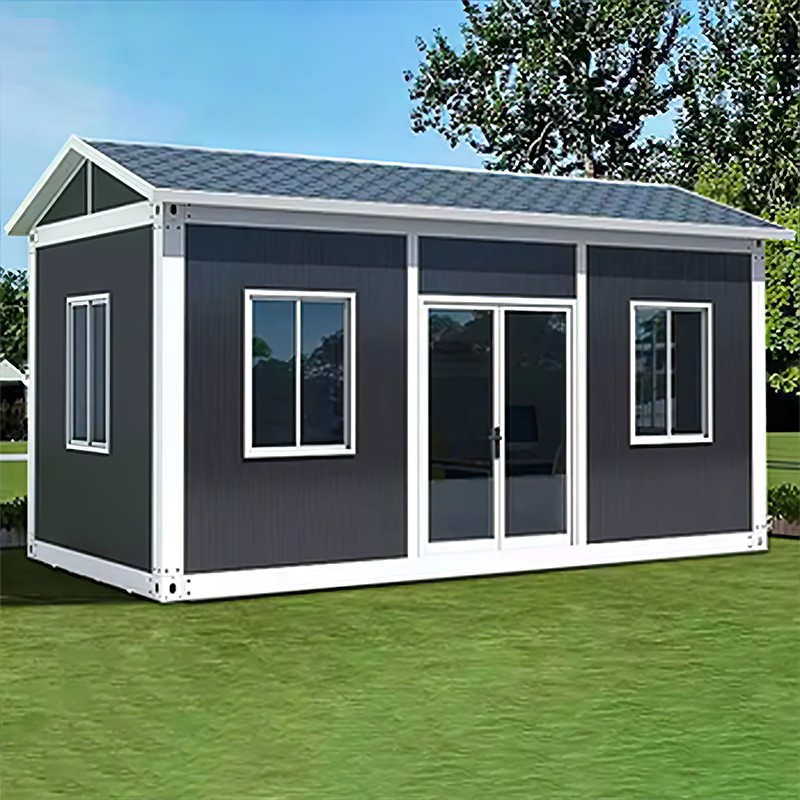
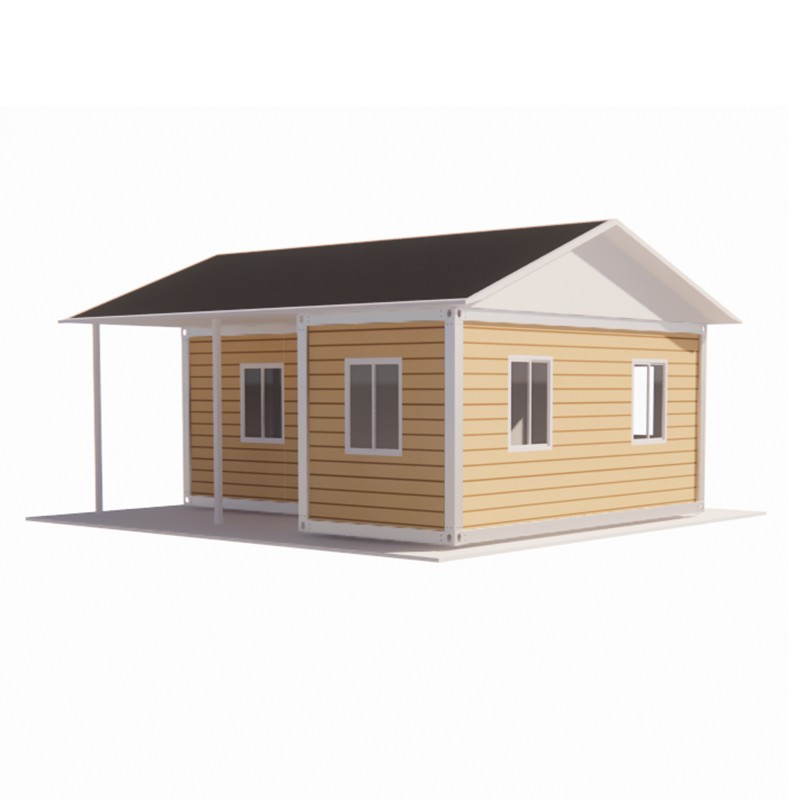
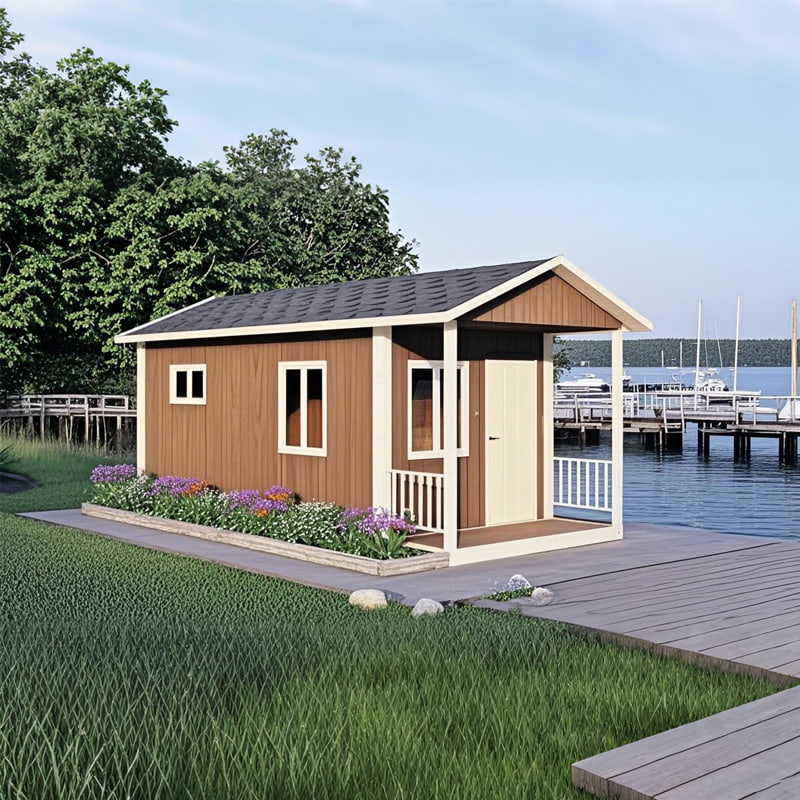
A convenient container house is the most practical entry point into the prefabricated housing market, combining rapid assembly, controlled factory quality, and a lower entry price than a traditional stick-built home. The structure arrives as an engineered, transportable shell that can be fully livable in 8 to 12 weeks after site preparation, not months or years. For anyone seeking a sturdy, customizable dwelling that minimizes on-site labor and waste, the shipping container home delivers a clear, actionable result.
Content
- 1 Why Prefabricated Living Starts with a Container
- 2 Construction Timeline: From Factory to Foundation
- 3 Cost Breakdown: Container vs. Traditional Build
- 4 Durability and Structural Performance
- 5 Customization Without Complexity
- 6 Sustainability and Energy Efficiency
- 7 Permits and Zoning: What to Know Before You Buy
- 8 Choosing the Right Supplier and Configurations
Why Prefabricated Living Starts with a Container
Container houses turn a global surplus of steel boxes into immediate building blocks. An estimated 14 million out-of-service shipping containers sit idle worldwide, creating a steady, low-cost supply chain. Prefabrication inside a factory means welding, insulation, plumbing, and electrical rough-ins happen under a roof, shielded from weather delays. This fundamentally shifts the project timeline and quality control away from the unpredictability of an open construction site.
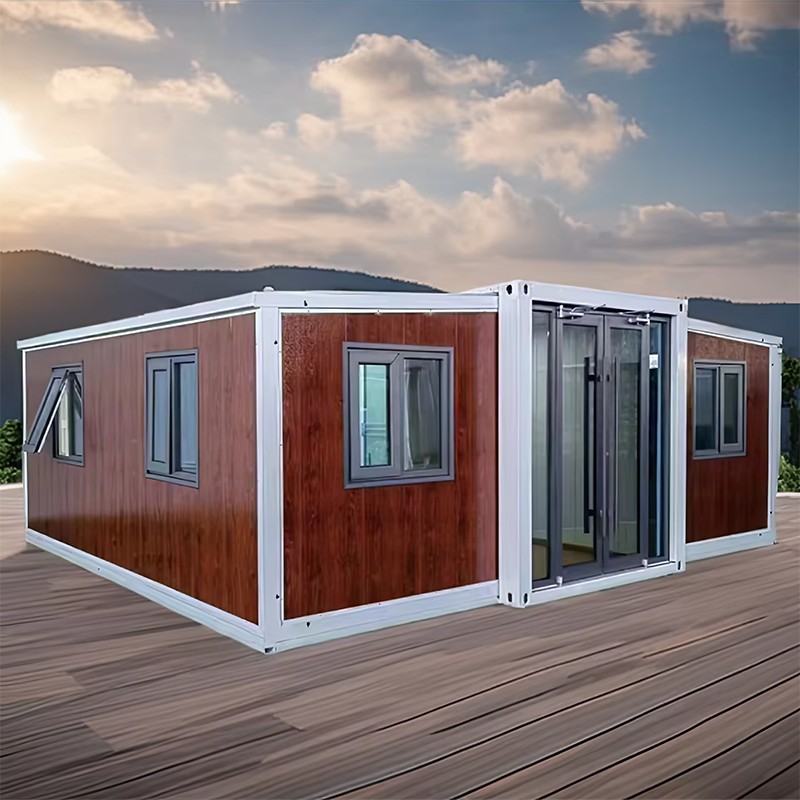
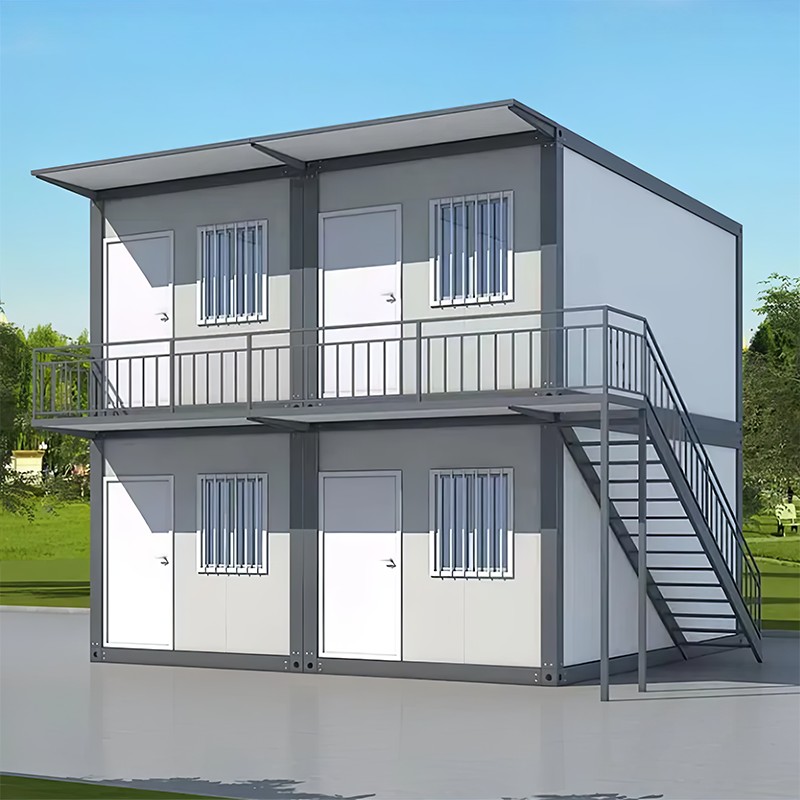
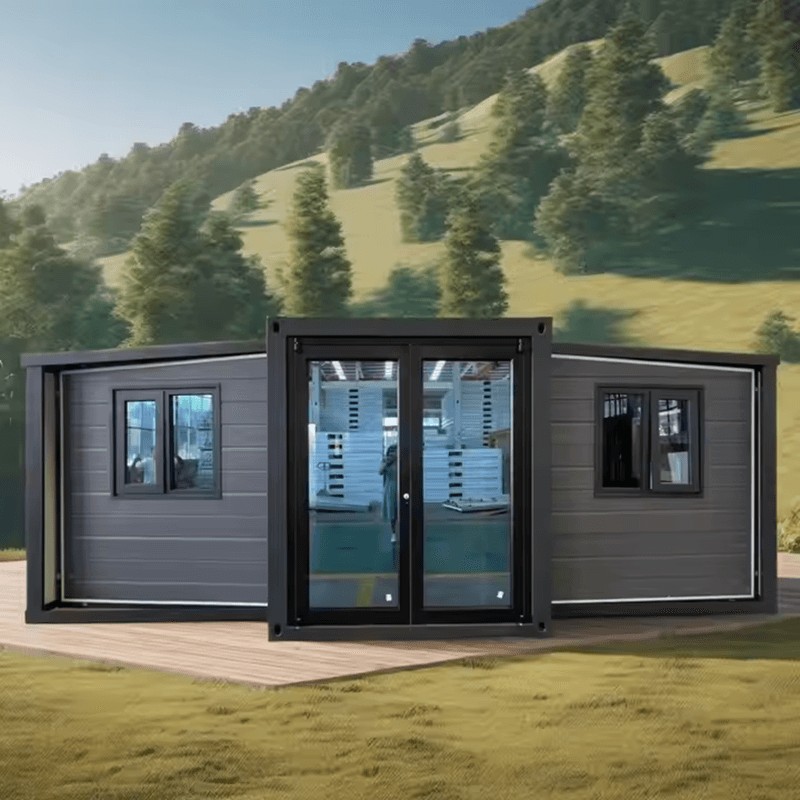
The "convenient" label is not a marketing phrase. A single container module can be delivered on a flatbed truck, lifted by crane onto a simple gravel pad or piers, and connected to utilities in a single day. Multi-unit designs stack or join with the same bolted-corner castings used on cargo ships, removing the need for complex foundations. This plug-and-play logic makes container homes a favourite for accessory dwelling units, remote workforce housing, and emergency shelters where speed and transportability are non-negotiable.
Construction Timeline: From Factory to Foundation
A conventional home often faces a 6- to 12-month build cycle before factoring in permits and weather. A prefabricated container house compresses the critical path. The table below illustrates a realistic sequence for a single 40-foot unit, assuming a straightforward, level site and standard local permits.
| Phase | Duration | Key Activity |
|---|---|---|
| Permitting & Engineering | 2–4 weeks | Structural stamps, site plan approval |
| Factory Fabrication | 6–8 weeks | Steel cutting, insulation, MEP rough-in, interior finishes |
| Site Prep & Delivery | 1–2 weeks | Gravel pad, utility trenches, crane placement |
| On-Site Connections | 1 week | Hook up water, electric, sewer, final trim |
Total elapsed time from contract signing to handover often lands between 10 and 15 weeks. By contrast, an on-site tiny home of similar square footage can easily take five to seven months once subcontractor schedules are aligned. The container route eliminates framing, roofing, and exterior cladding as separate, weather-dependent tasks because the shell itself is the structural envelope.
Cost Breakdown: Container vs. Traditional Build
Cost per square foot is the most cited metric, but it hides important trade-offs. A bare used 40-foot high-cube container can be purchased for $2,500 to $5,000, providing a raw 320 square feet for under $16 per square foot. The finished home cost depends heavily on the level of interior fit-out, insulation strategy, and locally required upgrades.
- Basic DIY conversion (owner-built): $80–$120 per sq ft
- Manufacturer turnkey unit (mid-range finish): $180–$250 per sq ft
- Premium off-grid container home with solar and high-end fixtures: $300–$400+ per sq ft
Compare this to a conventional site-built home in the U.S., where the median construction cost hovers around $150 per square foot for standard finishes, not including land. When land, permits, and extended carrying costs are considered, the container house often saves 15–25% on total project outlay, particularly for small footprints where traditional builders face minimum mobilization charges.
Durability and Structural Performance
Shipping containers are fabricated from Corten steel, a weathering steel alloy engineered to withstand decades of saltwater exposure and stacking loads of up to 192 metric tons in a nine-high stack. The corner castings form a rigid frame capable of resisting wind loads exceeding 100 miles per hour when properly anchored. In seismic zones, the unitized steel box performs well because the entire structure moves as one monolithic entity rather than relying on multiple nailed connections.
Practical longevity depends on maintenance of the protective paint system and prevention of trapped moisture. With a properly detailed rainscreen or cladding system and routine inspection of the underside, a container house can serve for 50 years or more. The absence of wood framing also eliminates the risk of termite damage and fungal decay, two of the leading causes of long-term degradation in light-frame construction.
Customization Without Complexity
Layout and Module Combinations
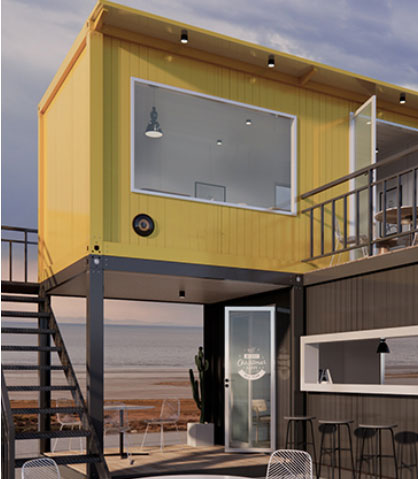
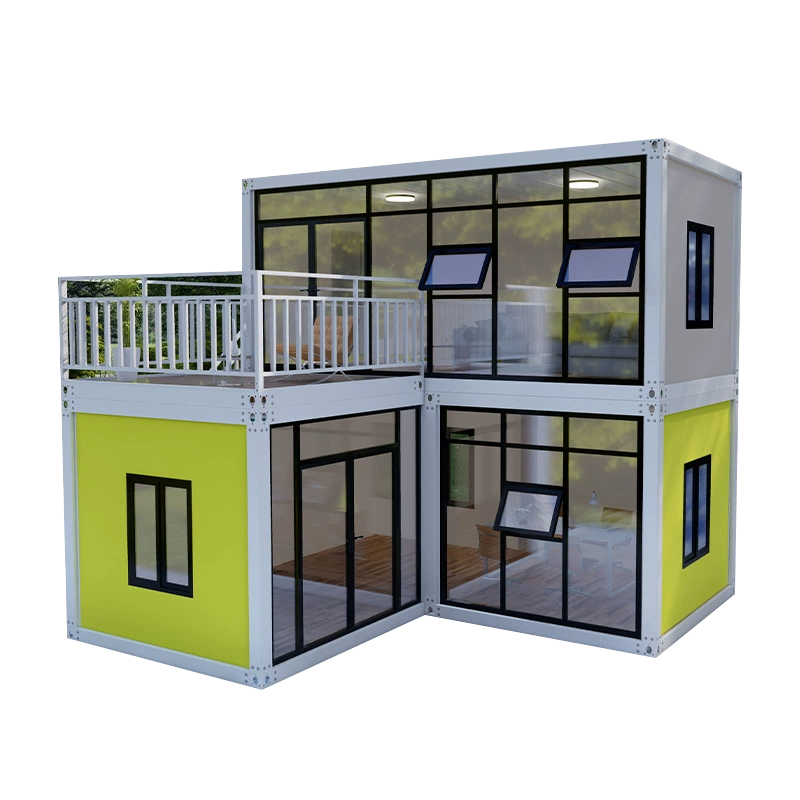
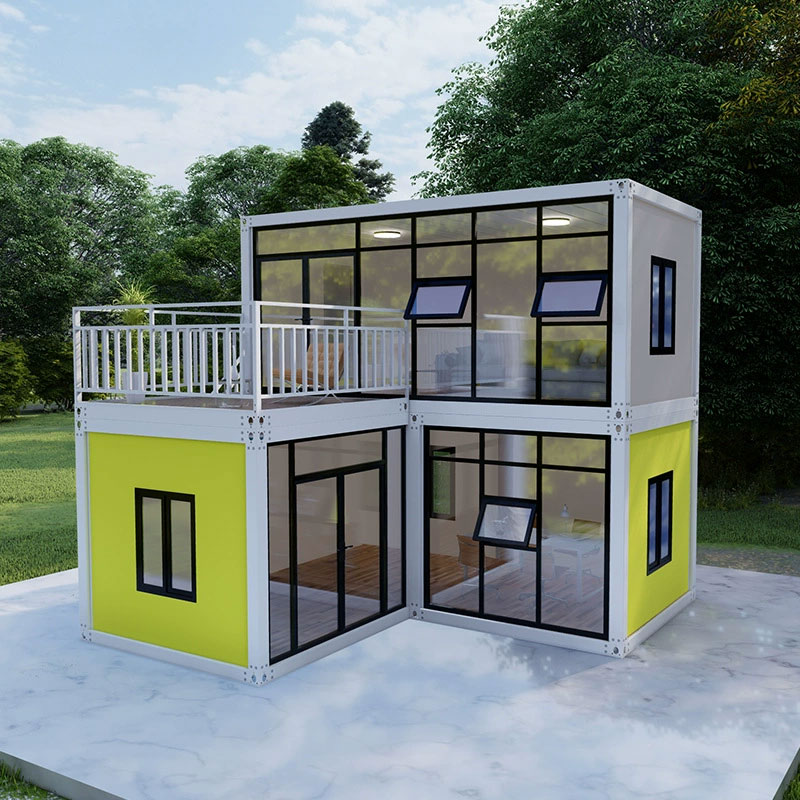
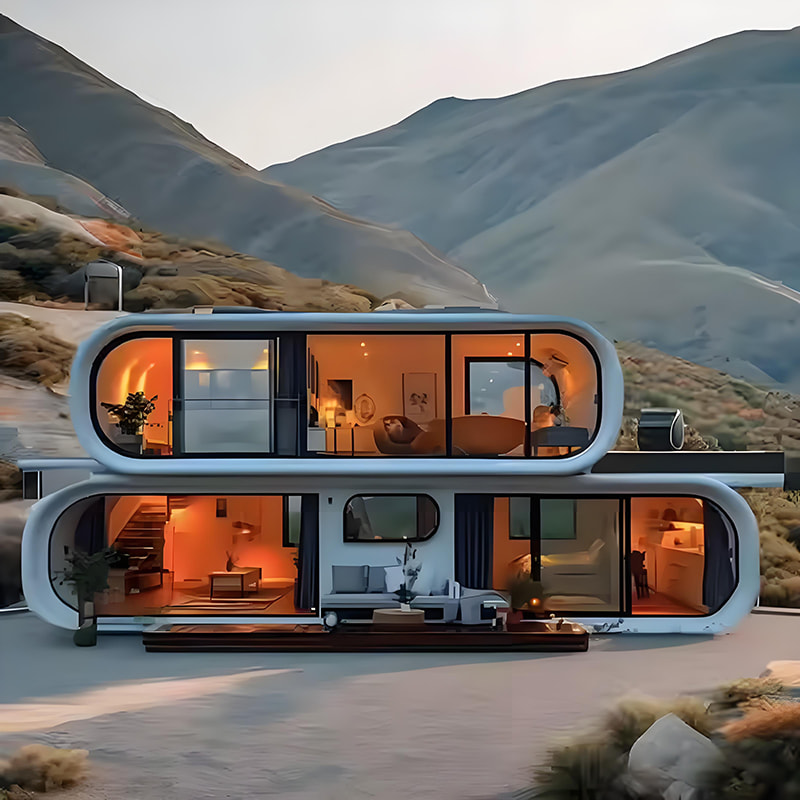
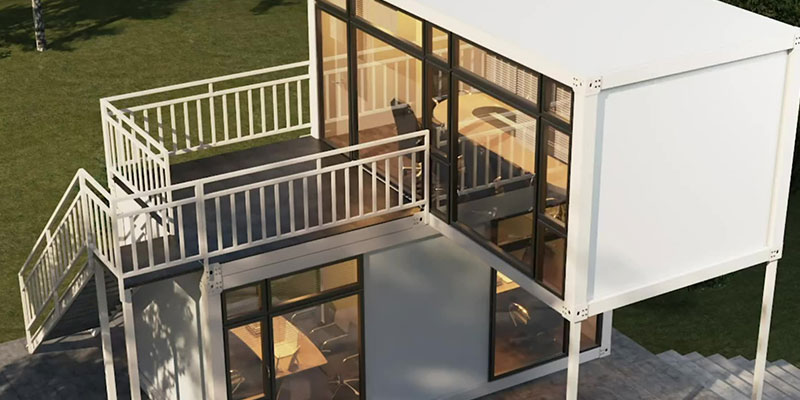
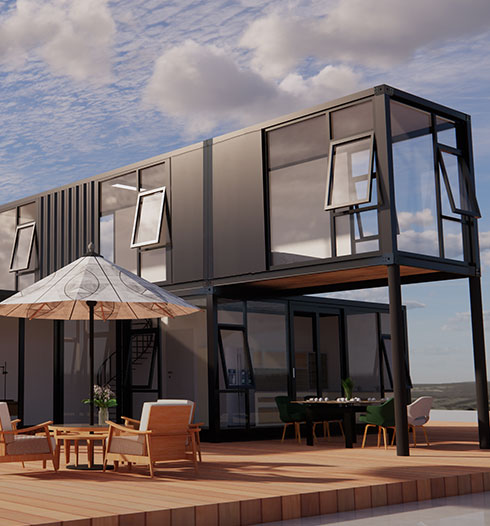
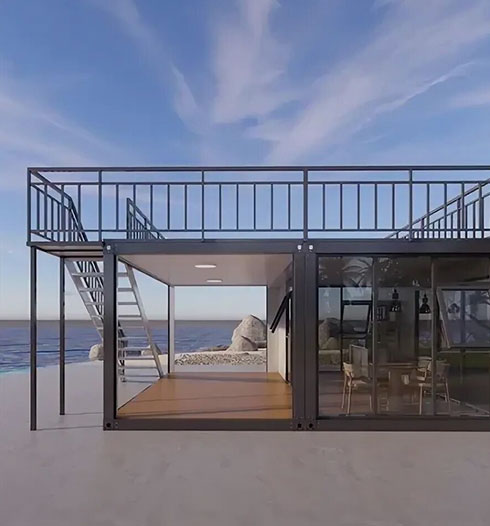
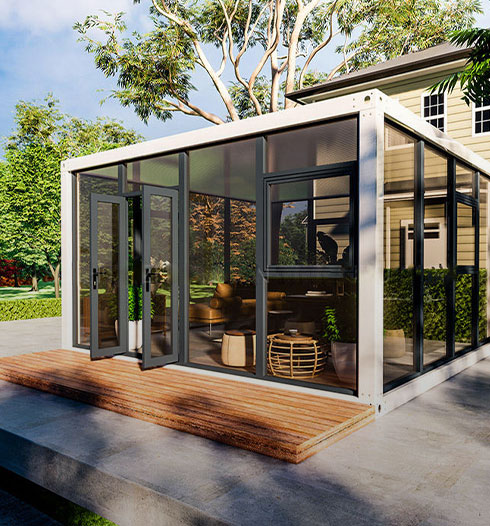
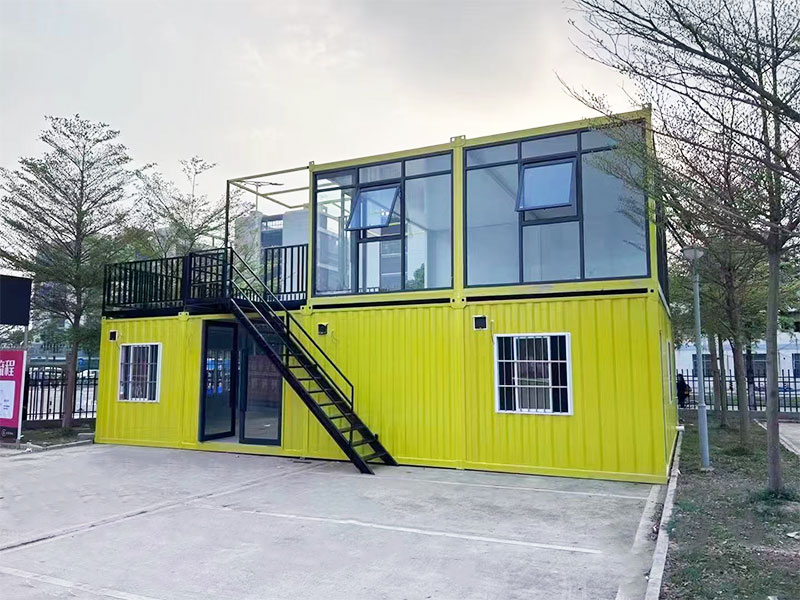
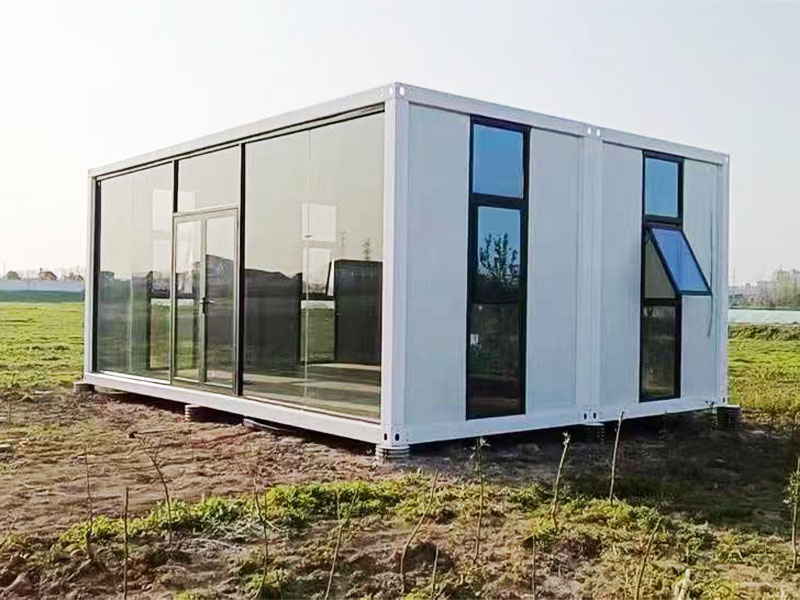
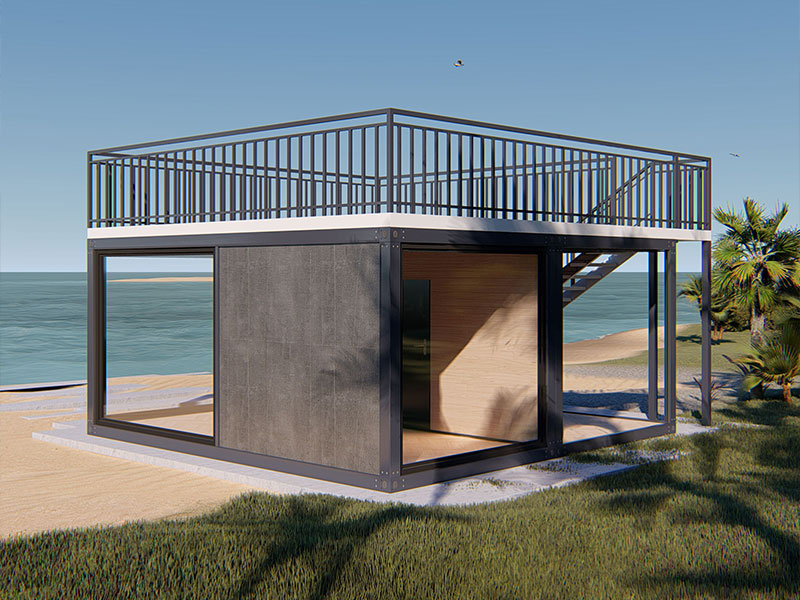
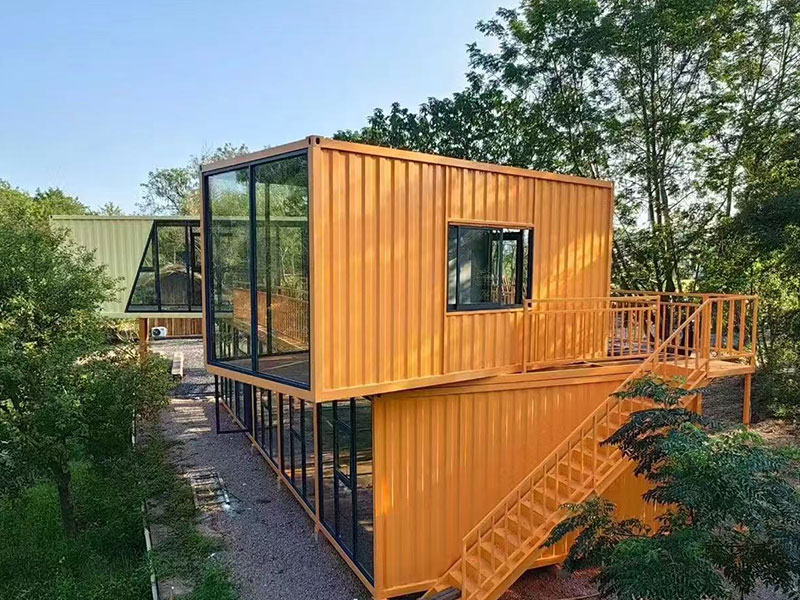
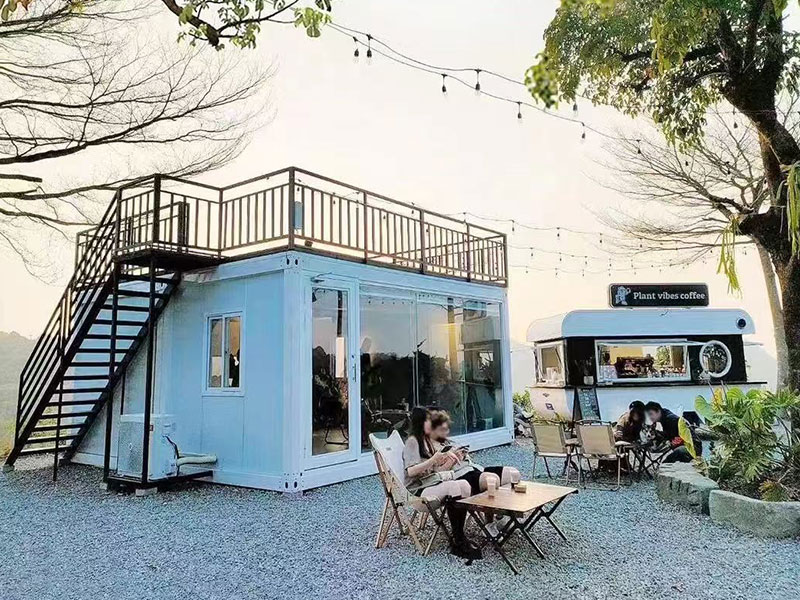
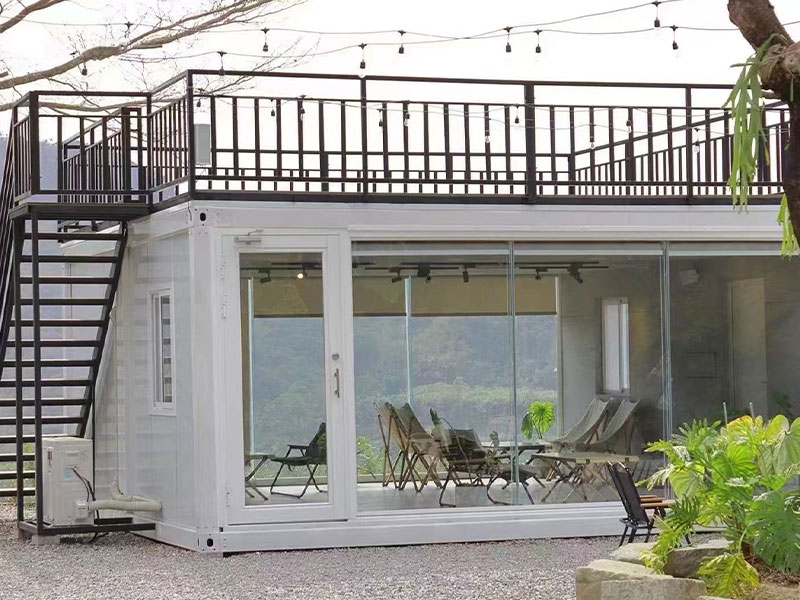
The modularity of ISO-standard container sizes (20-foot and 40-foot lengths, 8-foot width) lets designers compose multiple units side-by-side or stacked. Removing interior walls between joined containers creates open-plan living zones up to 640 square feet in a double-wide configuration. Cantilevered bedroom pods, roof terraces, and full-height glass curtain walls are all achievable by cutting openings and welding in reinforcement frames before interior finishing.
Interior Finishes and Systems
Factory integration allows for pre-installed kitchens, bathrooms, and even smart home wiring harnesses. Closed-cell spray foam is the dominant insulation method because it bonds to the steel, provides a vapour barrier, and achieves an R-value of around R-6 per inch without shrinking the interior excessively. Many manufacturers offer certified electrical panels and PEX plumbing already tied into a single service connection point, so the home arrives with only a few utility stubs to link up.
Sustainability and Energy Efficiency
Repurposing a single 40-foot container saves approximately 3,500 kilograms of steel from being melted down and re-rolled. The cradle-to-gate embodied energy of a reused container is a fraction of that required to produce new light-gauge steel or kiln-fired bricks for an equivalent enclosure. Combined with high-performance insulation and a modest footprint, container homes can achieve net-zero energy status with a reasonably sized photovoltaic array.
Material waste is also drastically reduced. Factory fabrication cuts steel with CNC precision, recycles offcuts immediately, and orders interior materials to exact dimensions. Typical on-site stick framing generates 20–30% waste in lumber alone; container prefabrication keeps total construction debris below 5% of the building mass.
Permits and Zoning: What to Know Before You Buy
Container homes are still classified differently by local authorities. Some jurisdictions treat them like manufactured housing governed by HUD code, while others require a full site-built permit path with structural engineer stamps. Before ordering a unit, verify the following:
- Confirm that the parcels zoning allows modular or manufactured dwellings.
- Obtain a certified foundation and anchoring design suitable for your soil type.
- Request a structural calculation package from the container house supplier, showing connection details and wind/seismic compliance.
- Clarify whether the building department will accept an ICC-ES or similar third-party evaluation report for the modified container.
Proactive communication with the permitting office can cut approval time in half. Many successful projects present the container house as a pre-engineered accessory structure rather than a custom build, drawing on the structural rigidity of the original cargo certification.
Choosing the Right Supplier and Configurations
A convenient container house starts with a transparent manufacturer. Look for suppliers that provide a fixed-price contract covering the entire module—structure, insulation, windows, mechanical rough-ins, interior wall and floor finishes—and a clear installation manual for local contractors. The best firms offer a single service connection panel and pre-tested systems so that the remaining on-site work is limited to trenching and tie-in.
When comparing configurations, consider a high-cube container (9 feet 6 inches interior height) rather than standard height. The extra 12 inches allows for a dropped ceiling with concealed ductwork, making the interior feel indistinguishable from a conventional apartment. Stacking two units and omitting the middle floor section creates a double-height living area that brings abundant daylight into the core of the home.
The final product is not a compromise: it is a fully warrantied, weathertight, transportable dwelling that aligns with both tight budgets and accelerated schedules. As more municipalities update their codes to welcome modular construction, the convenient container house is moving from niche novelty to a standard option in the prefabricated housing catalogue.