 English
 русский
 Français
 Español
 عربى
عربى

Content
- 1 What Is an Expanded Container House?
- 2 Double Wing Expansion: How the Box Housing System Works
- 3 Expanded Container House vs. Standard Container Conversion: A Comparison
- 4 Primary Applications of Double Wing Expansion Box Housing
- 5 Specification Checklist When Sourcing an Expanded Container House
- 6 Regulatory and Permitting Considerations
What Is an Expanded Container House?
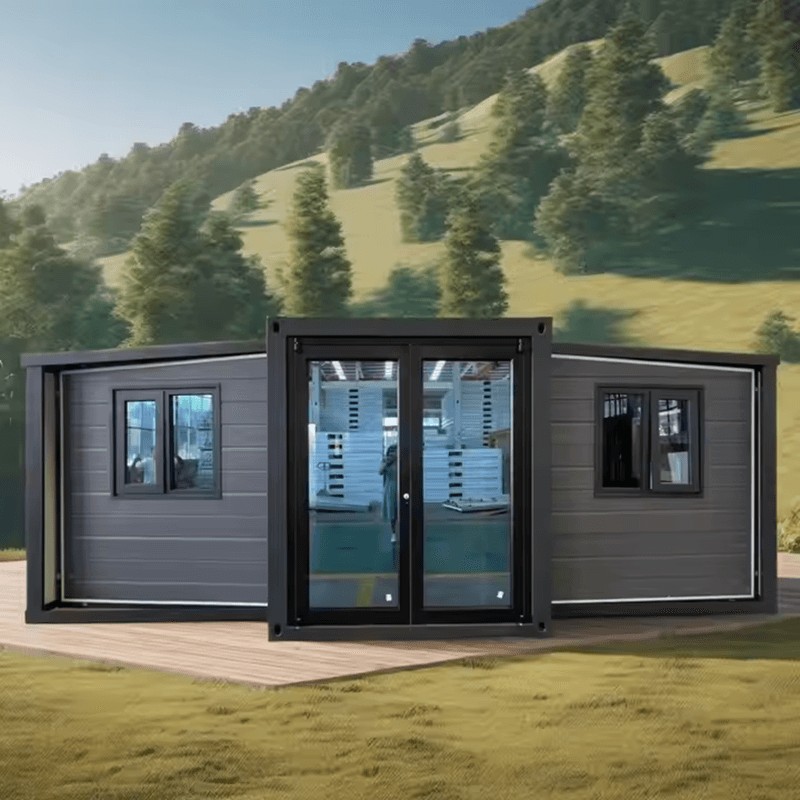
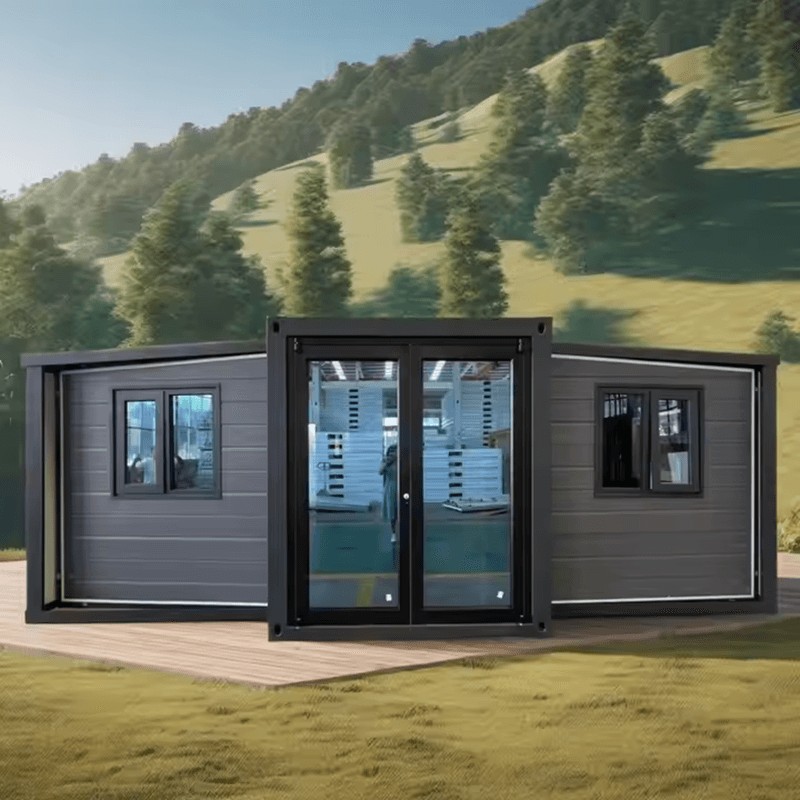
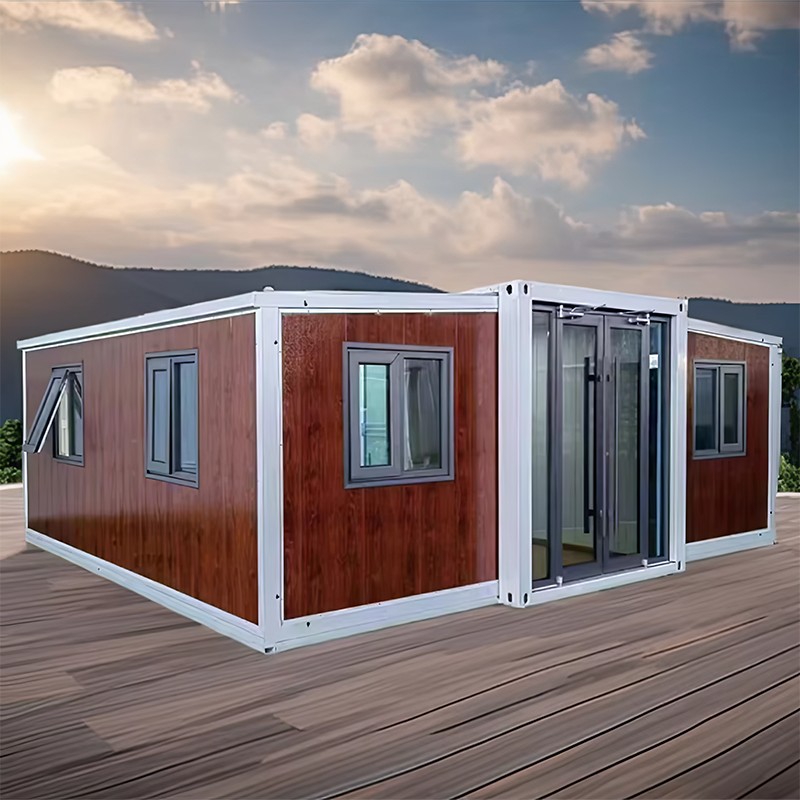
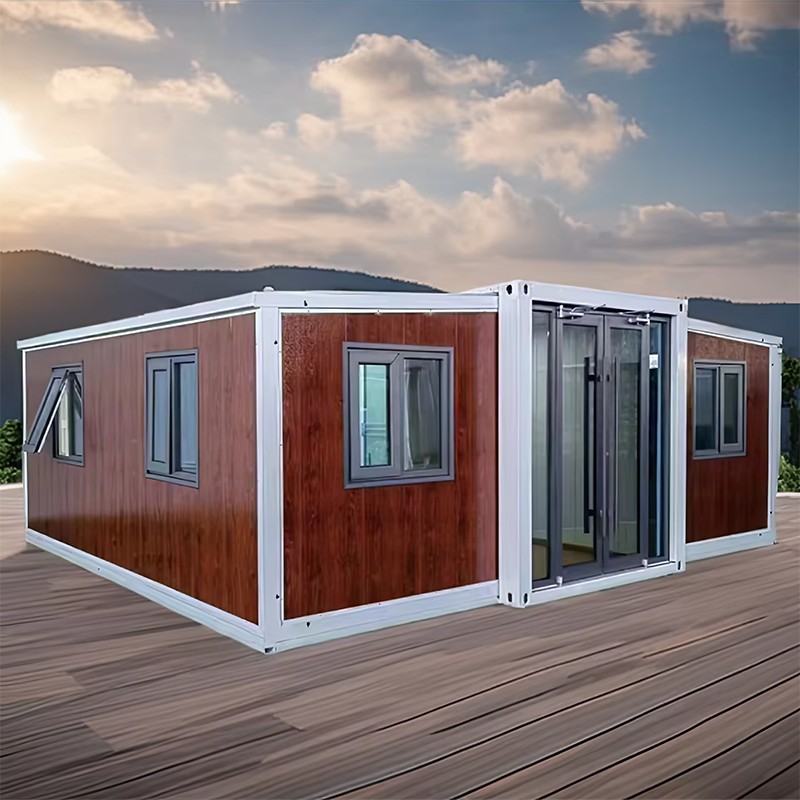
An expanded container house is a prefabricated modular structure built on a steel shipping container frame that can mechanically extend its interior floor area — typically by 40% to 100% — through folding wall panels, slide-out sections, or hinged wing modules. Unlike static container conversions, the expansion mechanism allows the unit to be transported in a compact, road-legal configuration and then deployed to full living or working size on-site within hours, without heavy cranes or specialized labor.
The core appeal is the combination of factory-controlled build quality and genuine spatial flexibility. A standard 20-foot container measures roughly 14.8 m² internally; the same unit with two lateral wing expansions can deliver over 28 m² of usable space. This makes expanded container houses a practical solution for remote worksites, emergency relief operations, eco-resorts, and permanent residential use where conventional construction is impractical or slow.
Double Wing Expansion: How the Box Housing System Works
The double wing expansion box housing design is the most spatially efficient configuration in the expanded container category. Two independent side wings — each typically 1.0 m to 1.5 m deep — fold outward from both lateral walls simultaneously, extending the total interior width from the standard 2.35 m to approximately 4.5 m to 5.0 m. The expansion is actuated by hydraulic cylinders or electric linear actuators embedded in the floor frame, requiring only a 220V power connection or a small generator to deploy.
Key structural elements that distinguish a well-engineered double wing unit include:
- Hot-dip galvanized steel subframe with a minimum yield strength of 345 MPa to handle transport and repetitive expansion cycles
- Interlocking corner seals with EPDM gaskets rated for wind-driven rain at ≥120 km/h
- Pre-fitted MEP routing — electrical conduits, water supply lines, and drainage drops are factory-installed and reconnect automatically as wings extend
- Insulated composite panels (EPS or polyurethane core, 75 mm to 100 mm) achieving U-values of 0.3 W/m²K or better
Full deployment of a double wing unit by two workers takes 20 to 45 minutes depending on the actuation system, compared to 3–5 days for equivalent modular framed construction.
Expanded Container House vs. Standard Container Conversion: A Comparison
Buyers often weigh the expanded container house format against a conventionally modified shipping container. The table below summarizes the most decision-relevant differences.
| Factor | Expanded Container House | Standard Container Conversion |
|---|---|---|
| Transport width | 2.43 m (ISO-compliant) | 2.43 m (ISO-compliant) |
| Deployed interior width | 4.5 m – 5.0 m (double wing) | 2.35 m (fixed) |
| On-site setup time | 20 – 45 minutes | 2 – 8 hours (connections only) |
| Relocatability | Fully mobile; folds back for transport | Movable but no size reduction |
| Floor area (20-ft base) | ~28 m² deployed | ~14.8 m² fixed |
| Unit cost range (FOB) | USD 12,000 – 28,000 | USD 5,000 – 15,000 |
| Crane required for install | No (self-leveling jacks) | Yes (for placement) |
The higher unit cost of the expanded format is typically recovered within 12–18 months for commercial operators through reduced labor costs, faster revenue-generating deployment, and avoided foundation work.
Primary Applications of Double Wing Expansion Box Housing
The versatility of the double wing format makes it viable across a broad range of sectors where speed, portability, and livable space must coexist:
- Mining and energy worksites: Fly-in, fly-out (FIFO) operations require accommodation that arrives with equipment and disappears when the contract ends. A double wing bunkhouse can sleep 4–6 workers comfortably within a single ISO transport envelope.
- Disaster relief and humanitarian logistics: Organizations including the UN Office for Project Services (UNOPS) have specified expandable container units for medical posts and family shelter in post-disaster contexts because units can be airlifted, trucked, or sea-freighted using standard logistics chains.
- Eco-tourism and glamping resorts: Operators in markets like Southeast Asia and East Africa deploy double wing units as high-end chalets, benefiting from low site disturbance and the ability to remove units at the end of a seasonal lease without leaving permanent structures.
- Pop-up retail and exhibition spaces: Trade show organizers and retail brands use branded expanded container houses as temporary storefronts, showrooms, and product launch venues, leveraging the visual drama of watching the unit unfold as part of the marketing experience.
- Permanent residential use in land-constrained markets: In urban fringe zones and rural areas where conventional permits are slow, expandable container homes offer a compliant modular dwelling that can be installed, inspected, and occupied faster than site-built alternatives.
Specification Checklist When Sourcing an Expanded Container House
Buyers comparing factory quotes should evaluate suppliers against a consistent set of technical and commercial parameters. The following checklist covers the variables most likely to affect long-term performance and total cost of ownership:
- Expansion mechanism type — hydraulic systems offer higher load capacity and smoother actuation; electric screw actuators are simpler to maintain in the field. Confirm cycle life rating (typically 5,000–10,000 cycles minimum).
- Steel grade and anti-corrosion treatment — request mill certificates for structural steel (Q345B or equivalent) and confirm whether the frame is hot-dip galvanized or only painted. Hot-dip galvanizing adds 5–15 years to outdoor service life.
- Insulation specification — verify panel thickness, core material (EPS vs. PU), and declared thermal performance. In temperate to cold climates, polyurethane panels (75 mm, λ ≈ 0.022 W/mK) are strongly preferred.
- Wind and snow load certification — ISO 1161 corner fittings are standard, but structural load ratings should match the deployment region's building code. Ask for engineering calculations or third-party test reports.
- Pre-fitted MEP scope — confirm exactly which electrical, plumbing, and HVAC components are factory-installed vs. field-connected. More factory integration means lower on-site labor costs but also higher shipping weight.
- Warranty and spare parts availability — for actuators and sealing gaskets especially, confirm that replacement parts are stocked or available with lead times under 30 days.
Lead times from Chinese manufacturers typically run 20–35 days for standard configurations and 45–60 days for custom builds with branded interiors or non-standard dimensions. Factor in 18–25 days of ocean freight to European or North American ports when planning project timelines.
Regulatory and Permitting Considerations
Permitting for expanded container houses varies significantly by jurisdiction and intended use. Several factors consistently influence regulatory outcomes:
Temporary vs. permanent classification: In most EU member states and in many US jurisdictions, structures classified as "temporary" (typically defined as occupancy under 6 months without a permanent foundation) face lighter permitting requirements. Double wing expansion units placed on adjustable steel pads rather than concrete foundations often qualify for this classification.
CE marking and building material standards: Buyers in the European market should confirm that steel components comply with EN 10025 and that fire performance of panels meets EN 13501. Reputable manufacturers supply full documentation packages for customs and building authority submissions.
Energy efficiency compliance: In jurisdictions with mandatory building energy codes (e.g., Germany's GEG, or the UK's Part L), expanded container houses intended for permanent residential use must meet minimum envelope performance standards. Factory-insulated units with U-values below 0.3 W/m²K generally satisfy current requirements without supplementary retrofits.