 English
 русский
 Français
 Español
 عربى
عربى

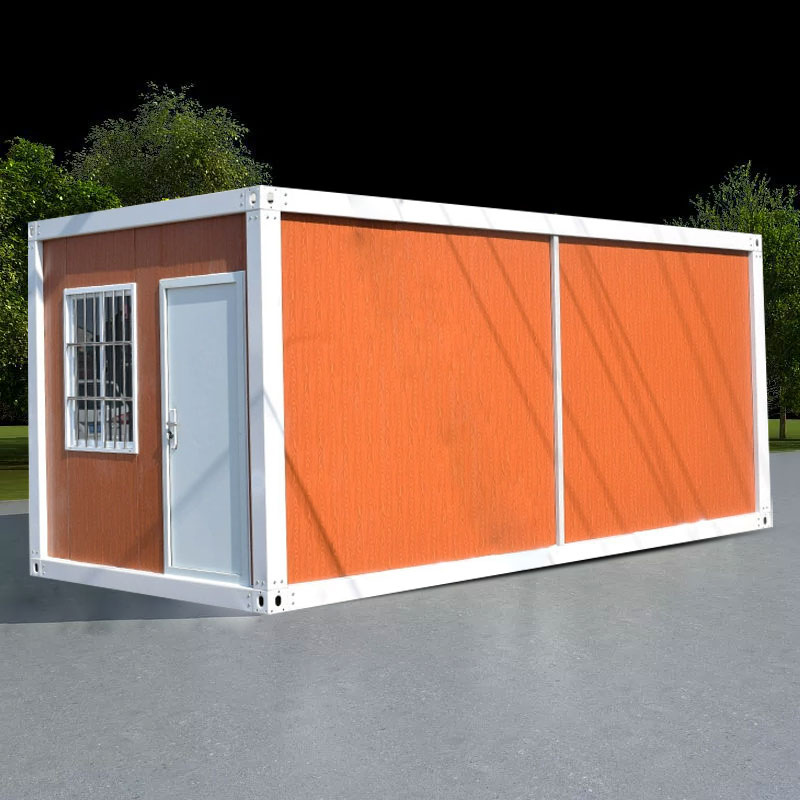
A steel structure container house is a modular building constructed from repurposed shipping containers with reinforced steel frames, offering superior load-bearing capacity, seismic resistance, and rapid deployment compared to traditional construction. These structures utilize Corten steel frames with wall thicknesses of 1.6 to 3.0 millimeters, achieving stacking loads of 80 to 150 metric tons and floor load capacities of 2,000 to 4,000 kilograms per square meter. A stable structure container design incorporates strategic steel reinforcement at corner posts, longitudinal beams, and floor junctions, enabling safe vertical stacking up to 8 units high and wind resistance up to 150 kilometers per hour when properly anchored. The combination of marine-grade steel durability, factory prefabrication, and modular scalability makes steel structure container houses suitable for residential, commercial, emergency, and industrial applications across diverse climate zones.
Content
- 1 Core Structural Components of Steel Structure Container Houses
- 2 Load Capacity and Structural Performance Data
- 3 Corrosion Protection and Material Durability
- 4 Modular Configurations and Design Flexibility
- 5 Insulation, Energy Efficiency, and Climate Control
- 6 Applications Across Residential, Commercial, and Emergency Sectors
- 7 Cost Efficiency and Sustainability Advantages
Core Structural Components of Steel Structure Container Houses
The structural integrity of a steel structure container house depends on four primary components that work together to create a stable, load-bearing system. Understanding these elements is essential for evaluating quality, ensuring compliance, and planning modifications.
Corten Steel Frame and Wall Panels
The primary structural material is Corten steel, also known as weathering steel, which develops a protective oxide layer that prevents further corrosion. Standard container house skeletons use steel with a minimum thickness of 2.0 to 3.0 millimeters for structural elements. Wall panels typically measure 1.6 to 2.0 millimeters in thickness. The steel grade commonly specified is ASTM A36 or S355JR, with a minimum yield strength of 250 megapascals. This material composition ensures the structure can withstand harsh maritime conditions and decades of outdoor exposure with minimal degradation.
Corner Castings and Lifting Points
Standard ISO corner castings are integrated at all eight corners of the container module, enabling stacking, lifting, and transport using standard crane and forklift equipment. These castings are rated for the full stacking load of the structure and provide the primary connection points for multi-unit configurations. The corner posts transfer vertical loads from stacked units directly to the foundation, making them critical stress concentration points that require inspection for cracks or deformation before assembly.
Floor and Roof Structural Systems
The floor structure consists of marine plywood or steel decking supported by structural crossmembers, designed to carry live loads of 2.0 to 3.0 kilonewtons per square meter. Roof systems use corrugated steel with integrated rainwater management and are engineered to support snow loads of 300 to 600 kilograms per square meter. The roof live load is typically specified at 0.5 kilonewtons per square meter, while the top frame supports 1.0 kilonewton per square meter for equipment or green roof installations.
Connection and Reinforcement Systems
Steel reinforcements are strategically embedded in high-stress zones such as corner posts, along longitudinal beams, and at floor junctions. Welded or bolted connections using high-strength steel with wear-resistant bushings ensure load distribution and torsional rigidity. Bolt connection designs allow two workers to install one house unit in approximately 8 hours without requiring cranes, significantly reducing on-site labor costs and deployment time.
Load Capacity and Structural Performance Data
Steel structure container houses demonstrate impressive load-bearing capabilities that exceed many traditional light-frame construction methods. These specifications are critical for engineering multi-story configurations and ensuring safety under extreme environmental conditions.
Vertical Stacking and Floor Load Ratings
The stacking load capacity of a standard steel reinforced container ranges from 80 to 150 metric tons, enabling safe vertical stacking of 4 to 8 units depending on foundation design and local seismic requirements. Floor load capacity reaches 2,000 to 4,000 kilograms per square meter, sufficient for heavy equipment, dense occupancy, or library-style storage. The bottom frame is engineered for live loads of 2.5 kilonewtons per square meter, while the top frame accommodates 1.0 kilonewton per square meter for rooftop installations.
Wind and Seismic Resistance
When properly anchored to foundation systems, steel structure container houses withstand wind speeds up to 150 kilometers per hour, equivalent to Category 1 hurricane conditions. Seismic performance is engineered to resist 8 magnitude earthquakes, with design parameters including a seismic precautionary intensity of 8 degrees, site characteristic cycle of 0.45 seconds, and a steel structure damping ratio of 0.05. The maximum horizontal earthquake influence coefficient is calculated at 0.04 for a 5-year design reference period.
Transportation and Dynamic Load Tolerance
The original shipping container design accounts for dynamic loads during ocean transport, rail movement, and road hauling. This inherent ruggedness translates directly to residential and commercial applications, where the structure must endure vibration, shifting foundations, and accidental impact. The structural safety level is designated as Grade 2, with an importance coefficient of 1.0, indicating standard occupancy risk classification.
| Performance Parameter | Specification | Engineering Significance |
|---|---|---|
| Stacking Load | 80 to 150 metric tons | Supports 4 to 8 story vertical stacking |
| Floor Load | 2,000 to 4,000 kg per m2 | Heavy equipment and dense occupancy |
| Roof Load | 300 to 600 kg per m2 | Snow accumulation and equipment mounting |
| Wind Resistance | Up to 150 km per hour | Category 1 hurricane equivalent |
| Seismic Rating | 8 magnitude earthquake | High seismic zone suitability |
| Steel Thickness | 1.6 to 3.0 mm | Structural wall and frame durability |
| Service Life | 30 to 50 years | Long-term investment viability |
Corrosion Protection and Material Durability
The longevity of a steel structure container house depends heavily on corrosion protection systems that combat moisture, salt spray, and atmospheric pollutants. Without proper treatment, steel containers can develop rust that compromises both aesthetics and structural integrity.
Hot-Dip Galvanizing and Coating Systems
Structural steel frames undergo hot-dip galvanizing with zinc coatings ranging from 85 to 140 micrometers in thickness. This sacrificial protection system prevents rust even if the coating is scratched. Additional protection includes two-component epoxy primer with polyurethane topcoat, creating a multi-layer barrier against moisture penetration. For coastal or marine environments where salt spray accelerates corrosion, cathodic protection systems or powder-coated finishes are recommended to extend service life.
Fire Resistance and Safety Features
Steel structure container houses achieve fire-proof ratings of Grade 4 or higher when combined with non-combustible insulation and cladding materials. The steel frame itself does not burn, but unprotected steel loses strength at elevated temperatures. Fire-resistant coatings, intumescent paints, or encasement in fire-rated boards maintain structural integrity during fire events. All designs must incorporate adequate emergency egress openings that meet minimum size requirements under International Building Code standards.
Pest and Mold Resistance
Unlike wood-framed construction, steel structures are impervious to termites, wood-boring insects, and fungal decay. This inherent resistance eliminates the need for chemical treatments and reduces long-term maintenance costs. However, condensation management is critical, as temperature differentials between steel surfaces and interior air can create moisture accumulation that supports mold growth. Proper vapor barriers, thermal breaks, and ventilation systems prevent these issues.
Modular Configurations and Design Flexibility
The modular nature of steel structure container houses enables virtually unlimited architectural configurations through horizontal expansion, vertical stacking, and creative spatial arrangements. This flexibility supports applications ranging from single-unit tiny homes to multi-story commercial complexes.
Single-Container and Multi-Container Layouts
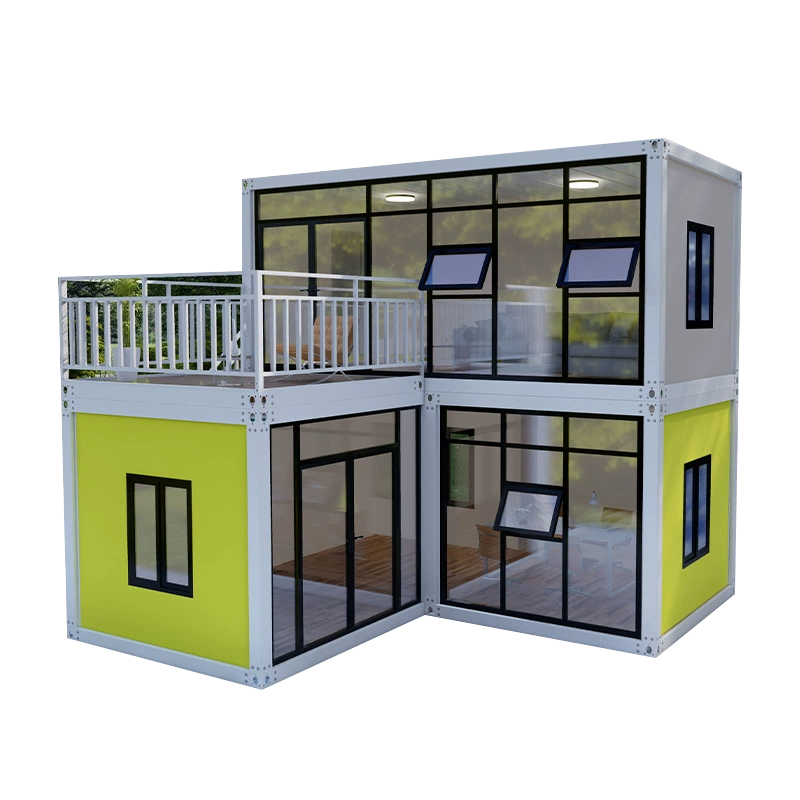
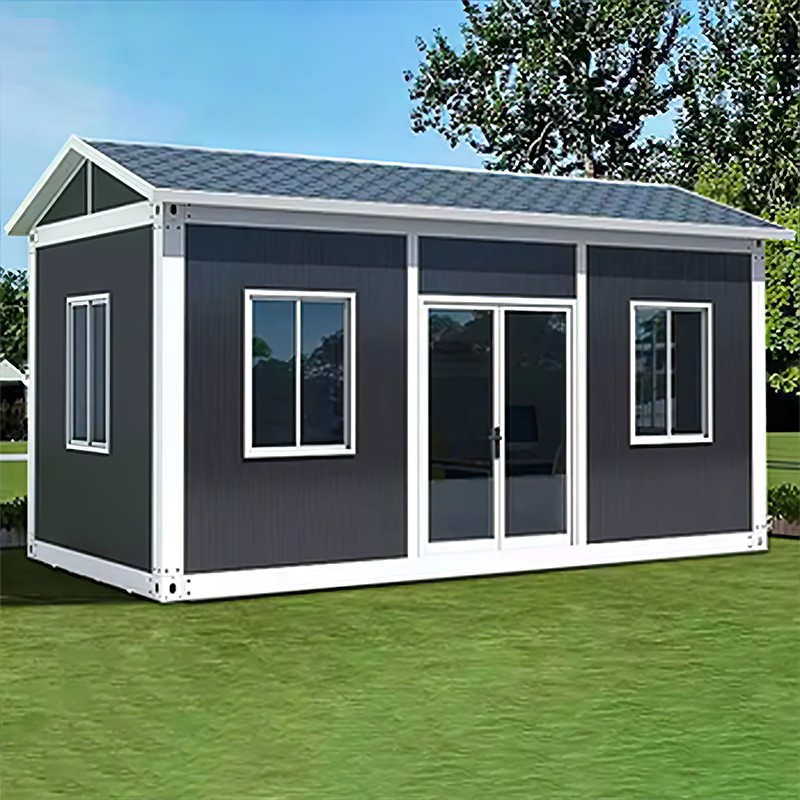
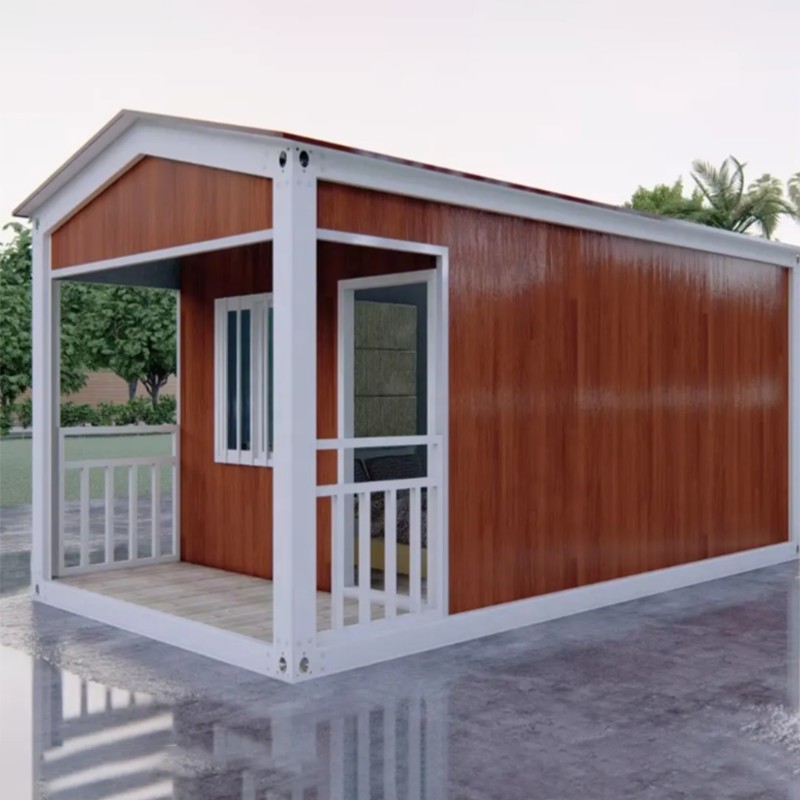
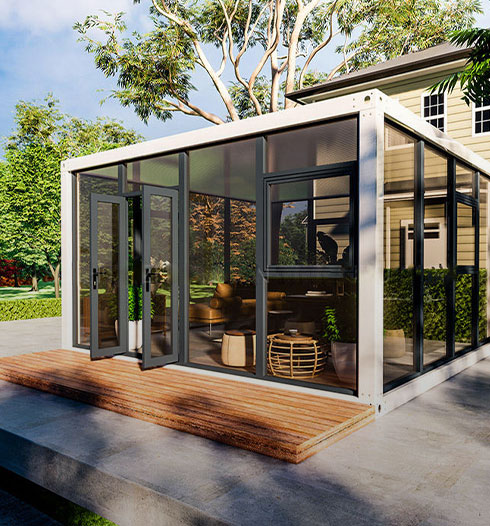
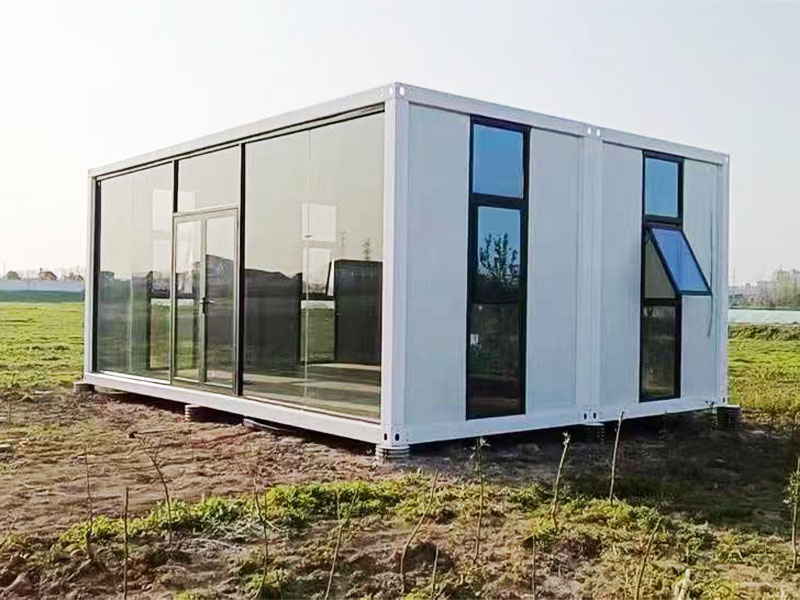
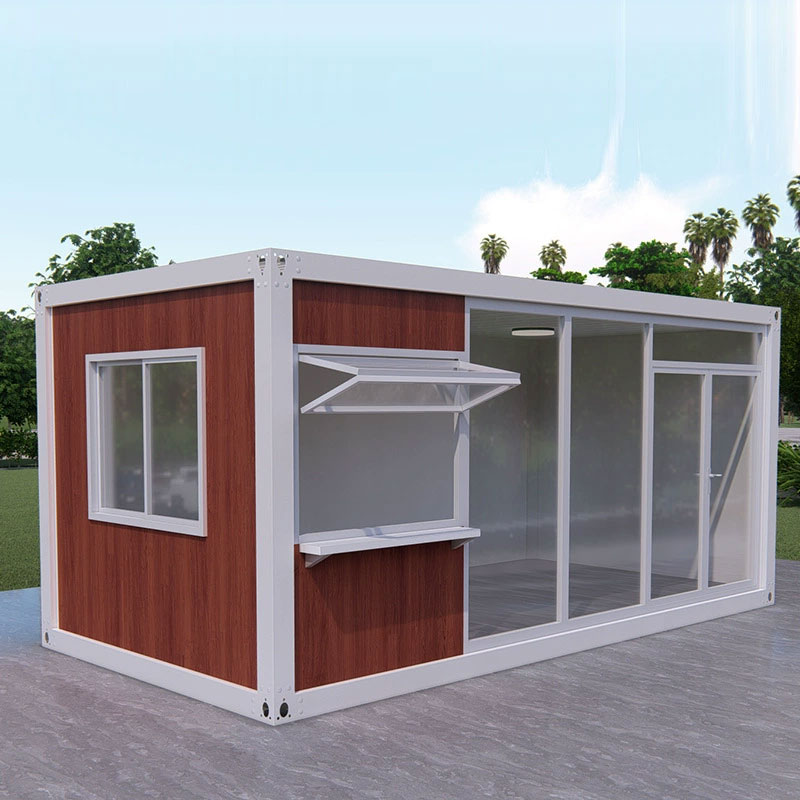
Single-container homes offer compact living spaces of approximately 14 to 15 square meters for a 20-foot unit or 28 to 30 square meters for a 40-foot unit. These designs minimize construction cost and site disruption, making them ideal for tiny homes, guest cottages, and temporary worker accommodations. Multi-container arrangements combine two or more units side-by-side or in L-shaped and U-shaped configurations to create expanded floor plans with separate living, sleeping, and utility zones.
Stacked and Elevated Designs
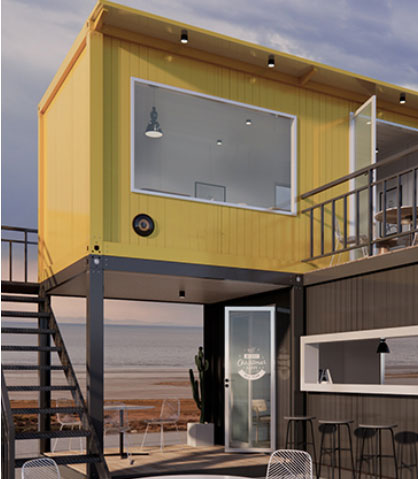
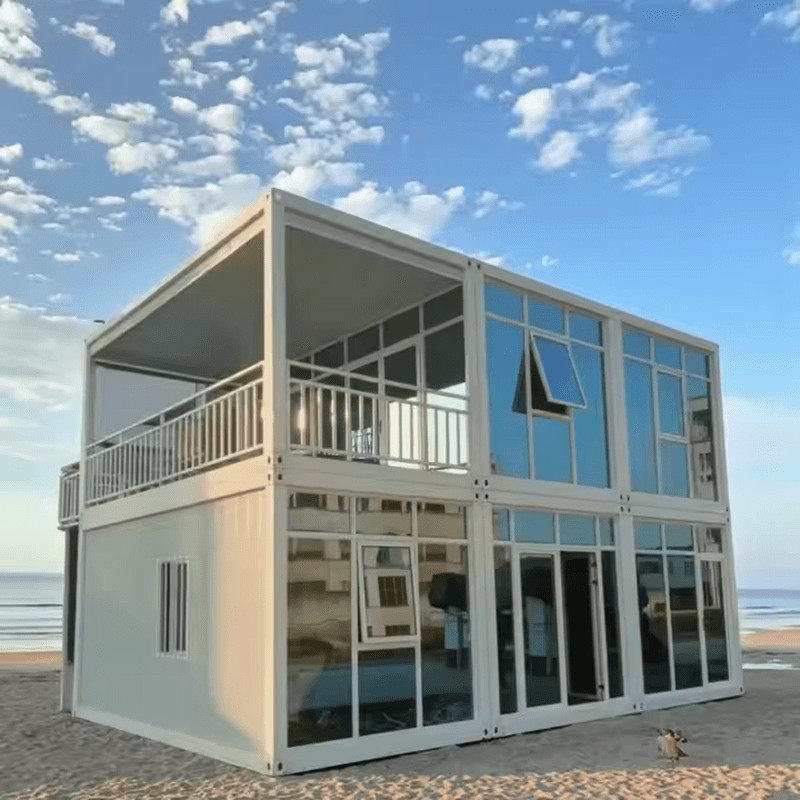
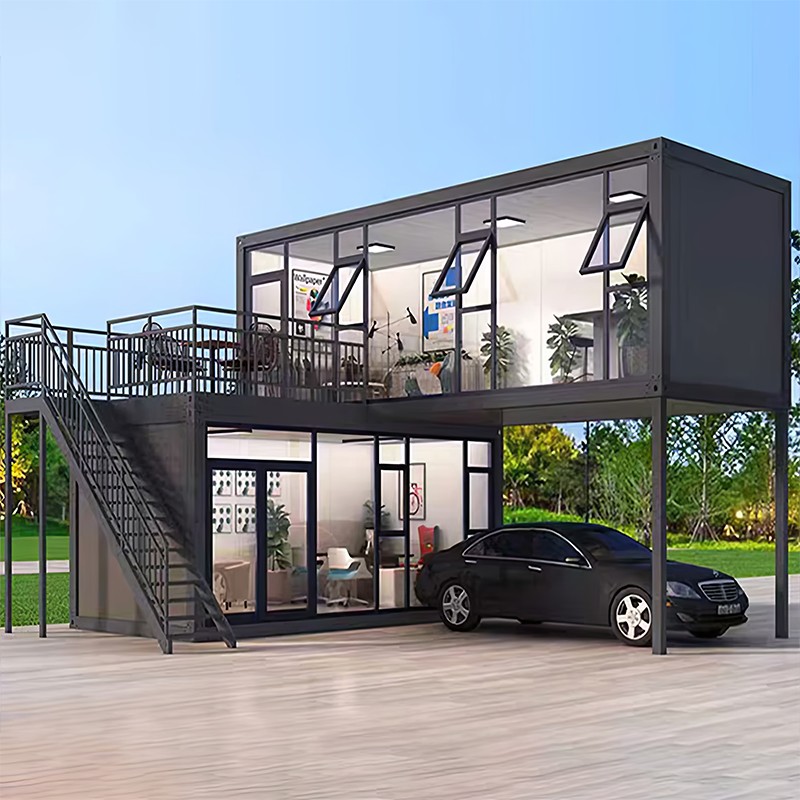
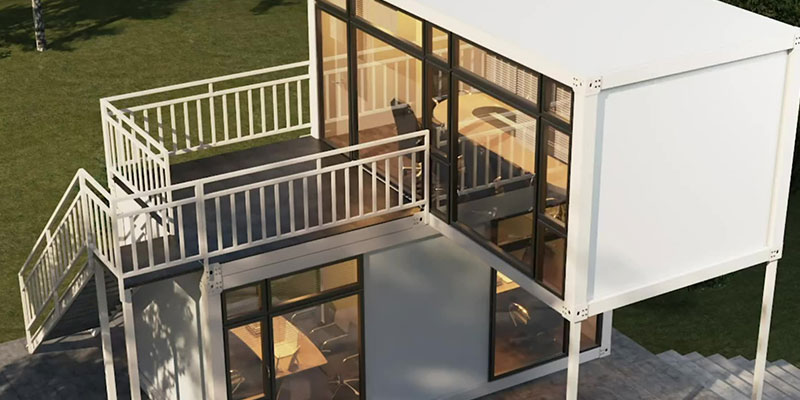
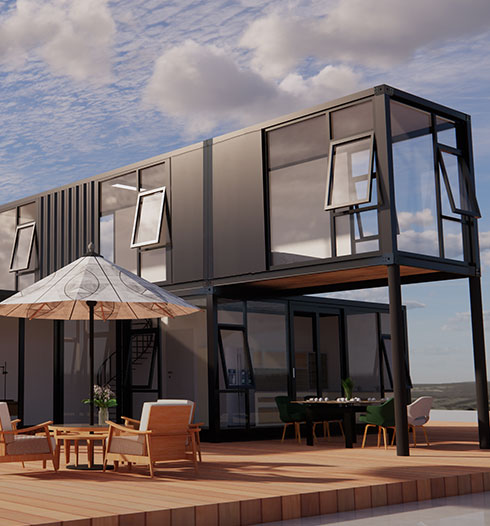
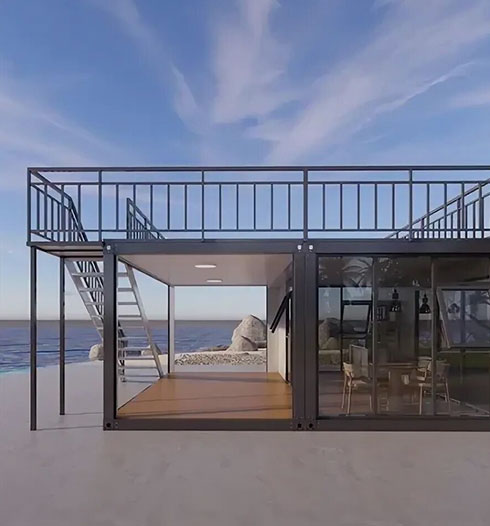
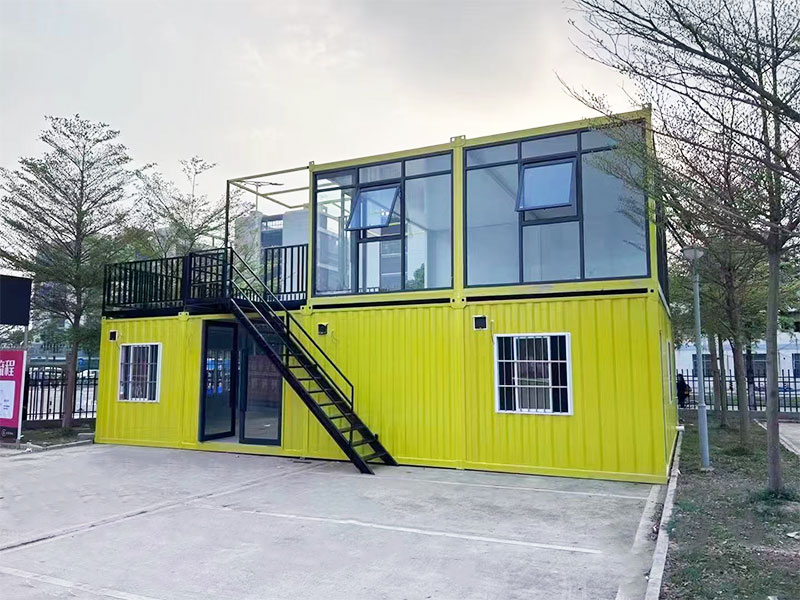
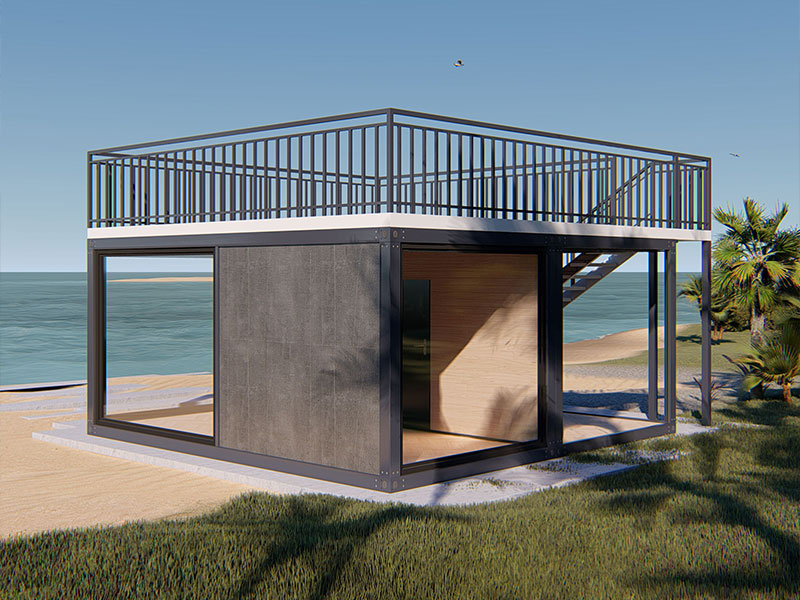
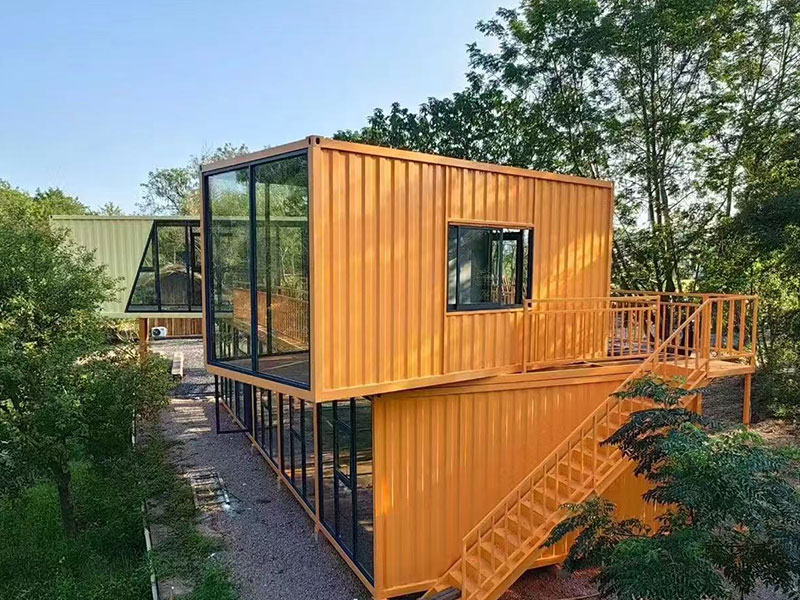
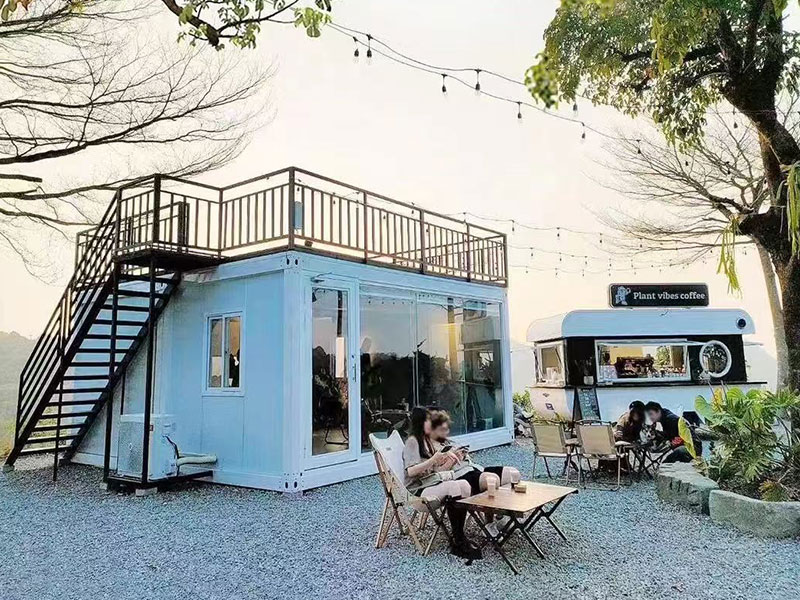
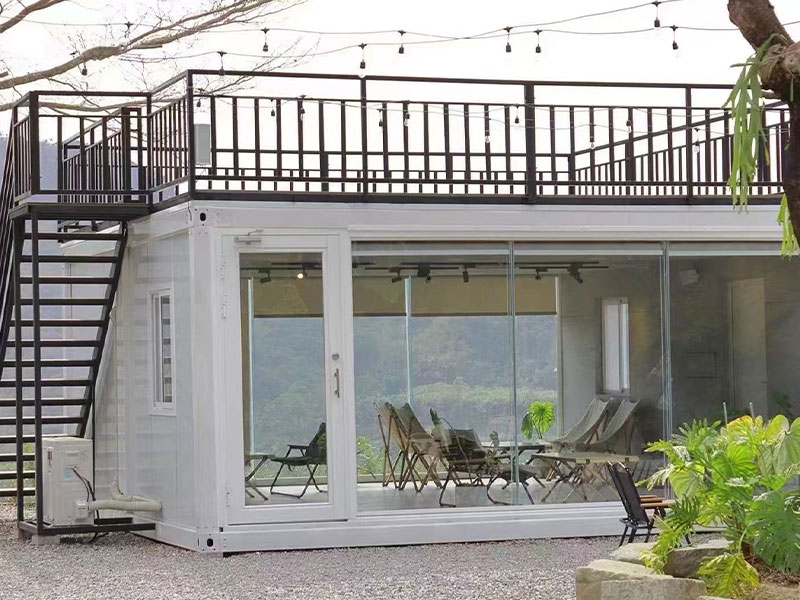
Vertical stacking maximizes limited land area and creates dramatic architectural profiles. Two to three story configurations are common, with clear separation between floors such as living spaces below and sleeping areas above. Elevated designs raise containers on concrete piers, steel stilts, or helical piles to improve ventilation, prevent flood damage, and create covered parking or storage beneath the living space. These elevated foundations require robust reinforcement and careful load distribution analysis.
Expandable and Foldable Variants
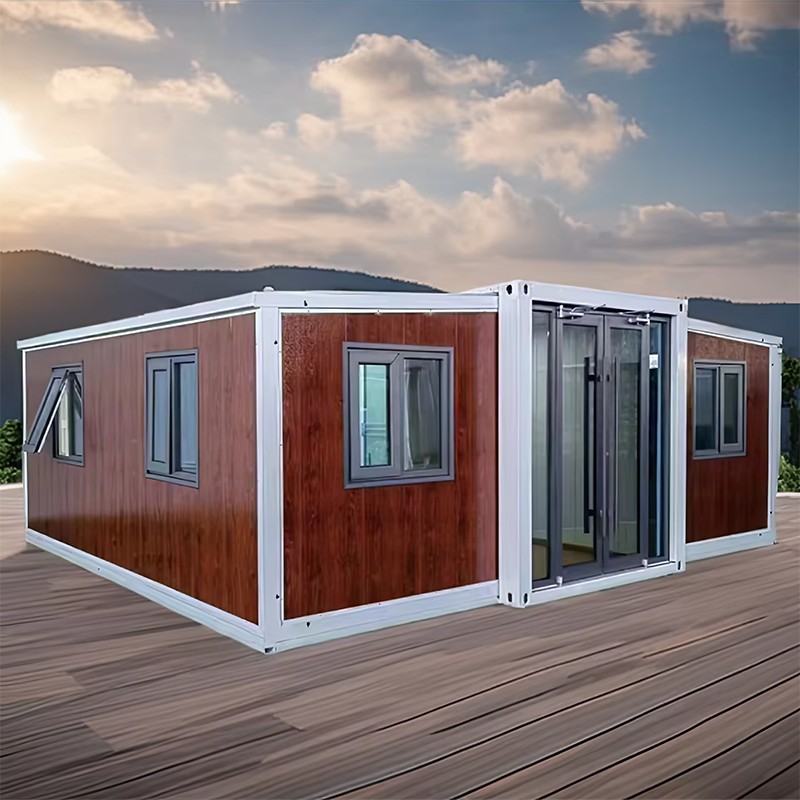
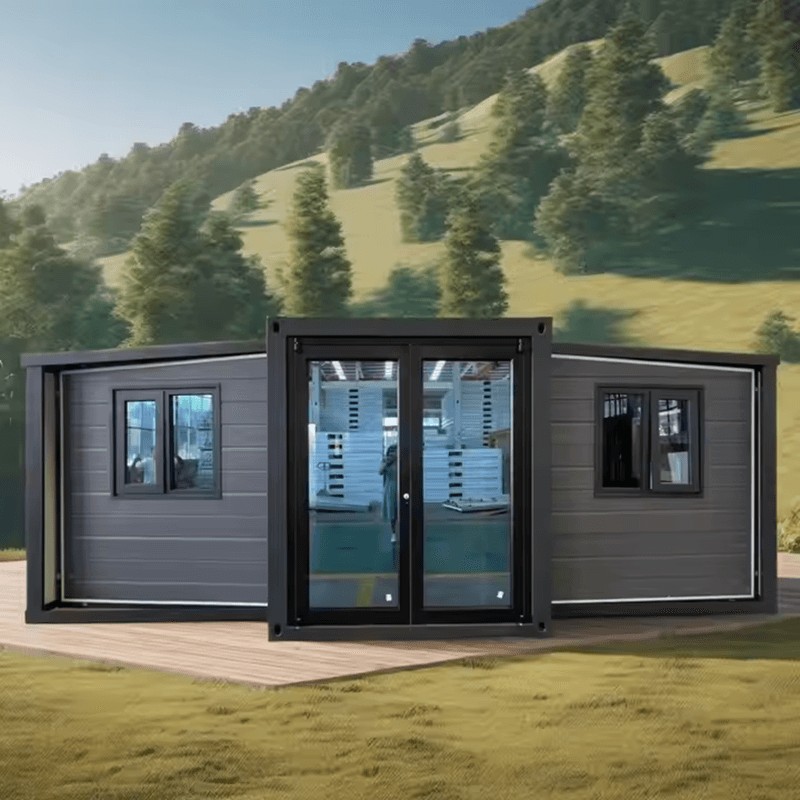
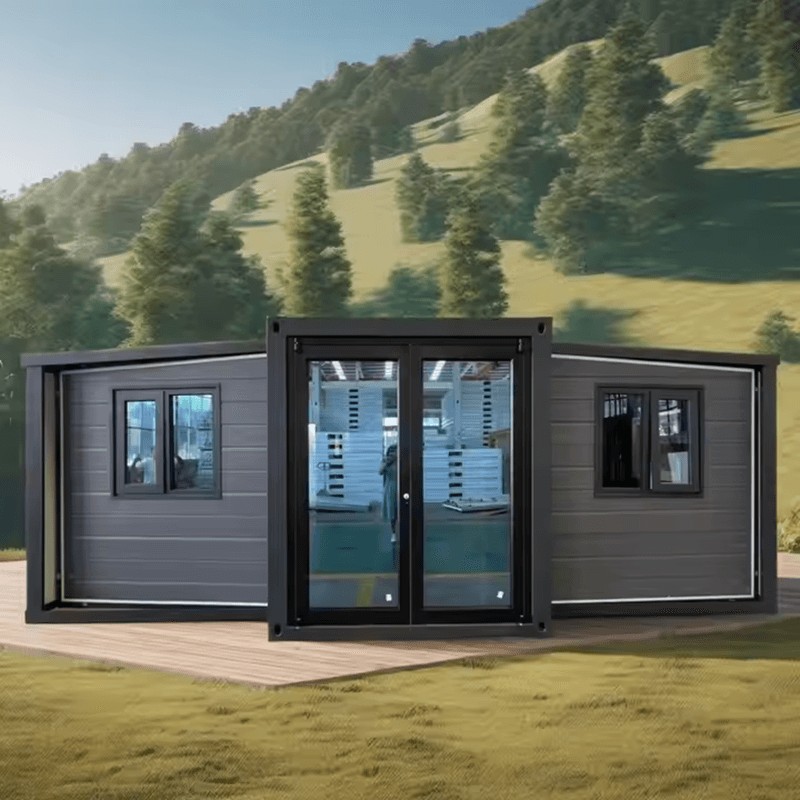
Expandable container houses incorporate folding mechanisms that double or triple interior floor area when deployed. Scissor-lift, hinge-and-pivot, or telescopic corner post systems allow expansion from a standard 8-foot width to 16 or 24 feet. Deployment times range from 15 to 60 minutes depending on size and automation level. When folded, these units meet ISO container standards for transport, enabling efficient logistics and rapid relocation.
Insulation, Energy Efficiency, and Climate Control
Steel is highly thermally conductive, making insulation one of the most critical design considerations for container houses. Without proper thermal management, steel walls transfer heat rapidly, creating uncomfortable interior temperatures and condensation problems.
Insulation Types and Thermal Performance
Common insulation options include rock wool or fiberglass at 50 millimeters thickness providing R-values of 1.5 to 2.0, and polyurethane foam at 75 to 100 millimeters thickness achieving R-values of 3.5 to 5.0. Vacuum insulated panels offer the highest thermal performance for space-constrained applications. Thermal breaks at steel connections minimize heat transfer pathways, while vapor barriers prevent moisture migration that causes condensation on cold steel surfaces.
HVAC Integration and Energy Savings
Properly insulated steel structure container houses can reduce heating and cooling costs by 30 to 50 percent compared to uninsulated metal buildings. Pre-installed mounting points for mini-split systems, ductwork chases, and ventilation equipment streamline mechanical system installation. Double or triple-glazed windows with thermal breaks further enhance energy performance. Many designs incorporate solar-ready roofing, rainwater harvesting systems, and greywater recycling for off-grid capability.
Applications Across Residential, Commercial, and Emergency Sectors
The versatility of stable structure container designs enables deployment across diverse sectors where rapid construction, durability, and cost efficiency are paramount.
Residential and Worker Housing
Container houses serve as affordable single-family units, tiny homes, vacation rentals, and temporary worker accommodations. Factory prefabrication reduces on-site construction time by 40 to 60 percent compared to traditional building methods. Units arrive pre-wired and pre-plumbed, requiring only foundation preparation and utility connections for occupancy.
Commercial and Institutional Uses
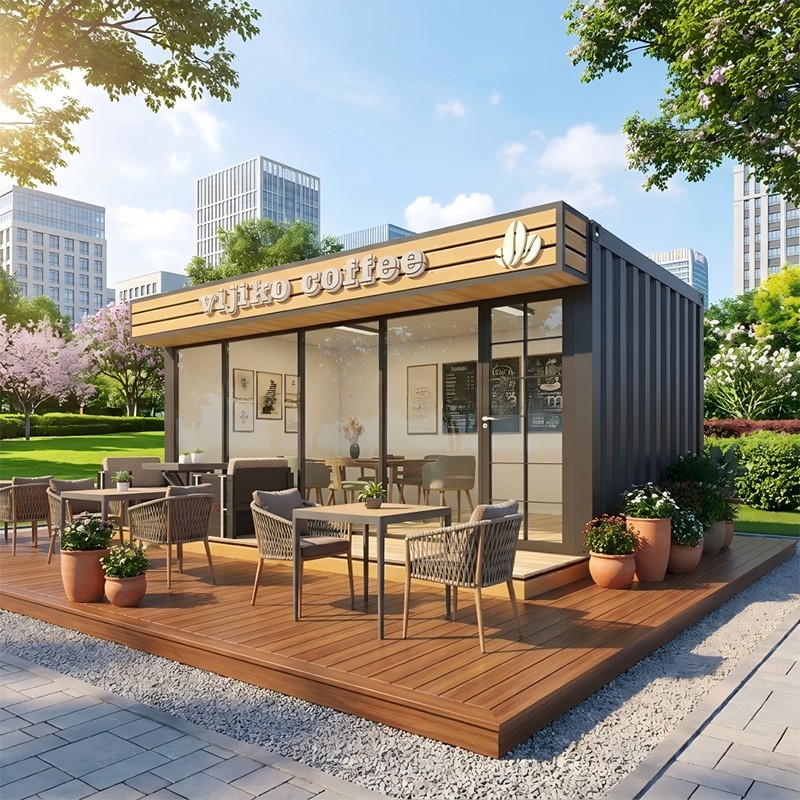
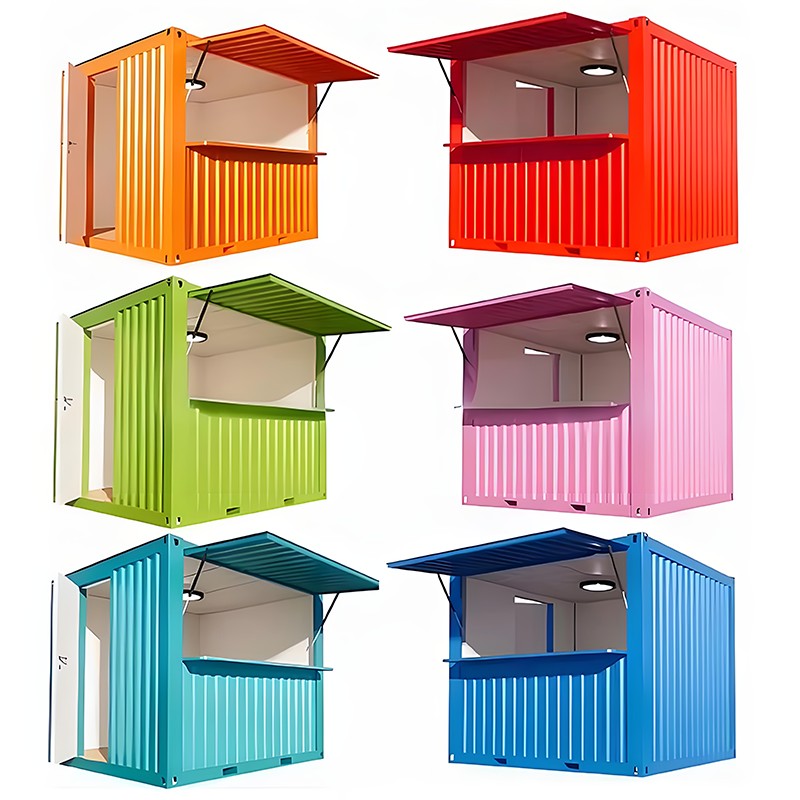
Commercial applications include pop-up offices, retail kiosks, co-working spaces, site supervision cabins, rapid-deployment classrooms, and training centers. The modular format allows businesses to expand footprint incrementally as needs grow, avoiding large capital outlays for permanent construction.
Emergency and Healthcare Deployment
In disaster relief scenarios, steel structure container houses deploy as emergency shelters within hours of arrival. Mobile clinics, triage units, and quarantine facilities benefit from the hygienic steel interior surfaces, rapid sanitation capability, and secure locking systems. The stable structure withstands aftershocks and severe weather that would compromise tent-based emergency housing.
Cost Efficiency and Sustainability Advantages
Steel structure container houses offer compelling economic and environmental advantages over conventional construction approaches.
Base structure costs run 20 to 40 percent lower than conventional framing, with additional savings from reduced labor, shorter construction timelines, and minimal site preparation. Each container home recycles approximately 16,000 kilograms of steel, saving up to 15 tons of carbon dioxide emissions during construction compared to virgin material builds. The service life of 30 to 50 years with proper maintenance ensures long-term value, while modular expandability protects against obsolescence. Units can be disassembled and relocated, preserving investment value and adapting to changing land use requirements.