 English
 русский
 Français
 Español
 عربى
عربى

Content
- 1 What Is a Container Home?
- 2 What Is an Expanded Container House?
- 3 Inside Shipping Container Homes: What the Interior Really Looks Like
- 4 Shipping Container Home Designs: From Single Box to Multi-Container Compound
- 5 Pros and Cons of Container Homes
- 6 Is a Container Home Right for You? Key Questions Before You Build
What Is a Container Home?
A container home is a residential structure built using repurposed intermodal shipping containers — the standardized steel boxes used to transport goods by sea, rail, and road. Standard containers come in two principal sizes: the 20-foot unit (6.1 m × 2.4 m × 2.6 m) and the 40-foot unit (12.2 m × 2.4 m × 2.6 m), with high-cube variants adding an additional 30 cm of interior height. These dimensions define the fundamental module around which container homes are designed.
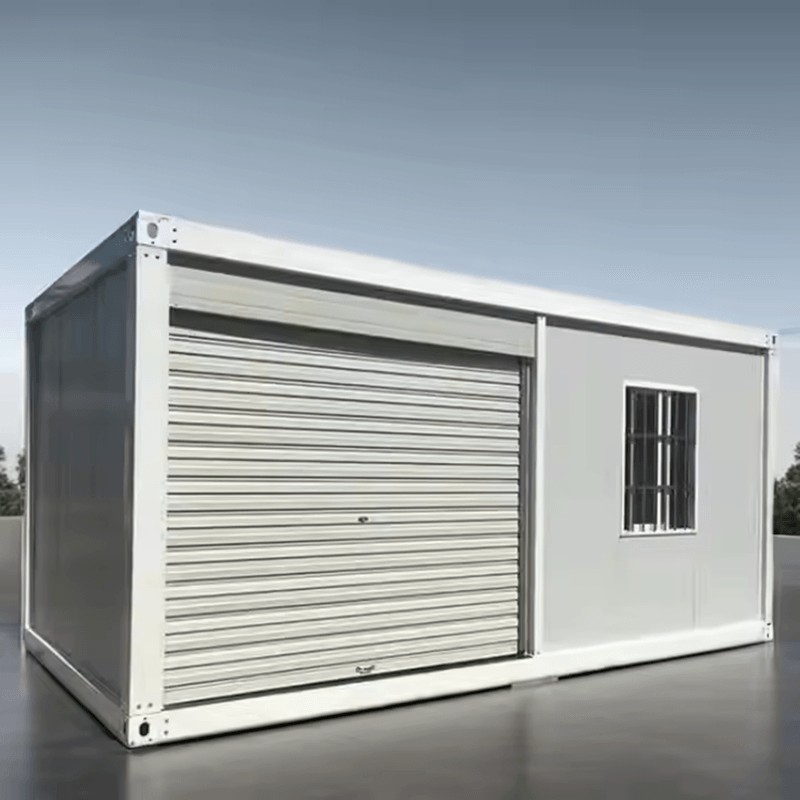
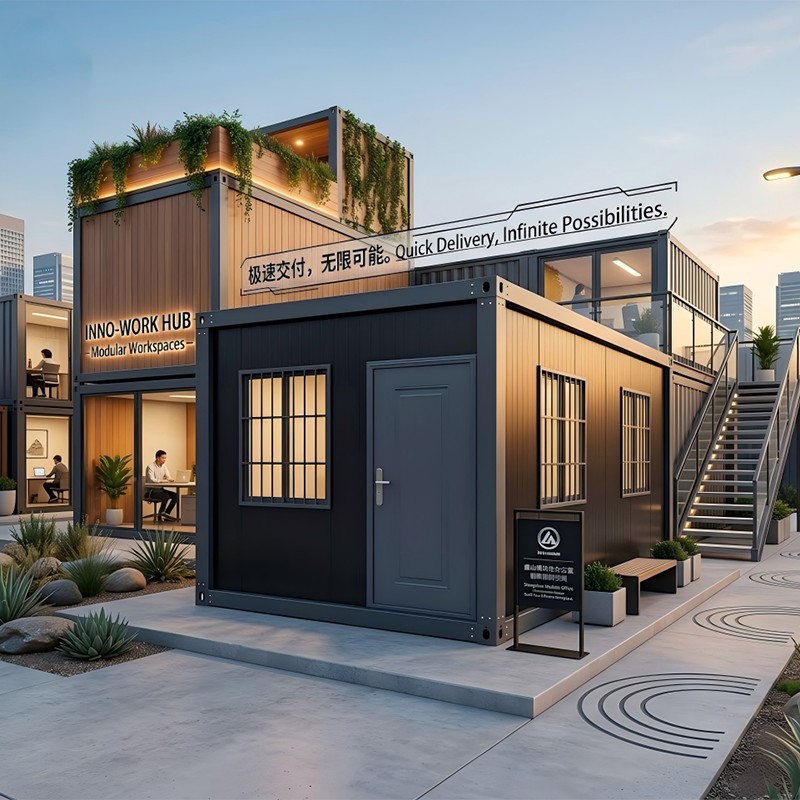
Container homes range from minimalist single-box studios to multi-container compounds spanning several hundred square meters. They can be installed as permanent residences on private land, as relocatable off-grid retreats, as accessory dwelling units (ADUs) on existing properties, or as modular housing developments by commercial developers. The common thread is the structural steel Corten shell of the container, which forms the primary load-bearing frame of the dwelling.
The concept gained mainstream traction in the early 2000s through architects experimenting with prefabrication and sustainable building. Today, container homes are a recognized housing typology with dedicated manufacturers, building codes in many jurisdictions, and a substantial body of completed projects ranging from budget self-builds to architecturally acclaimed luxury residences.
What Is an Expanded Container House?
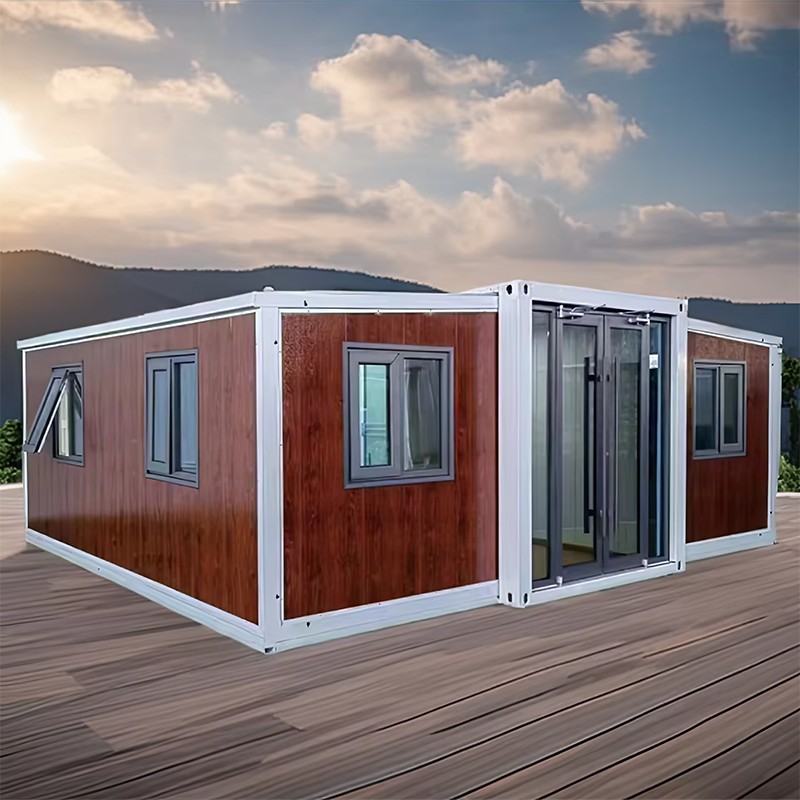
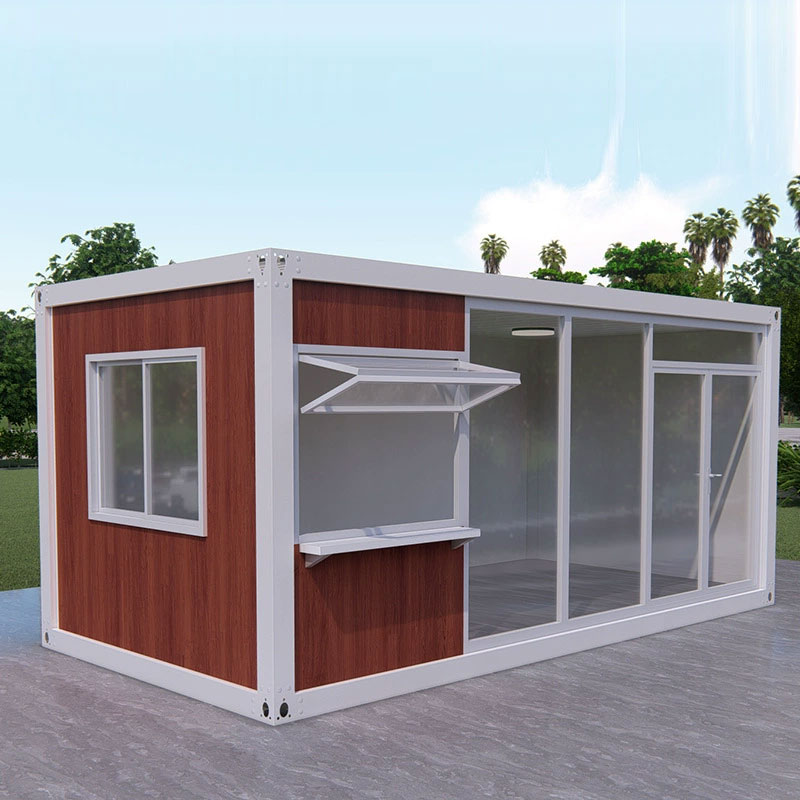
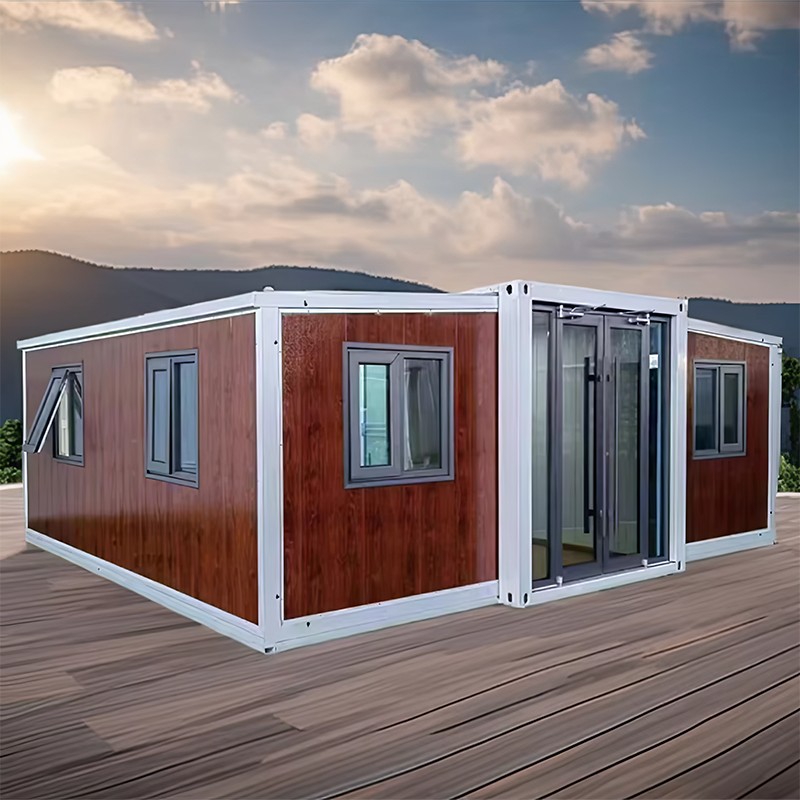
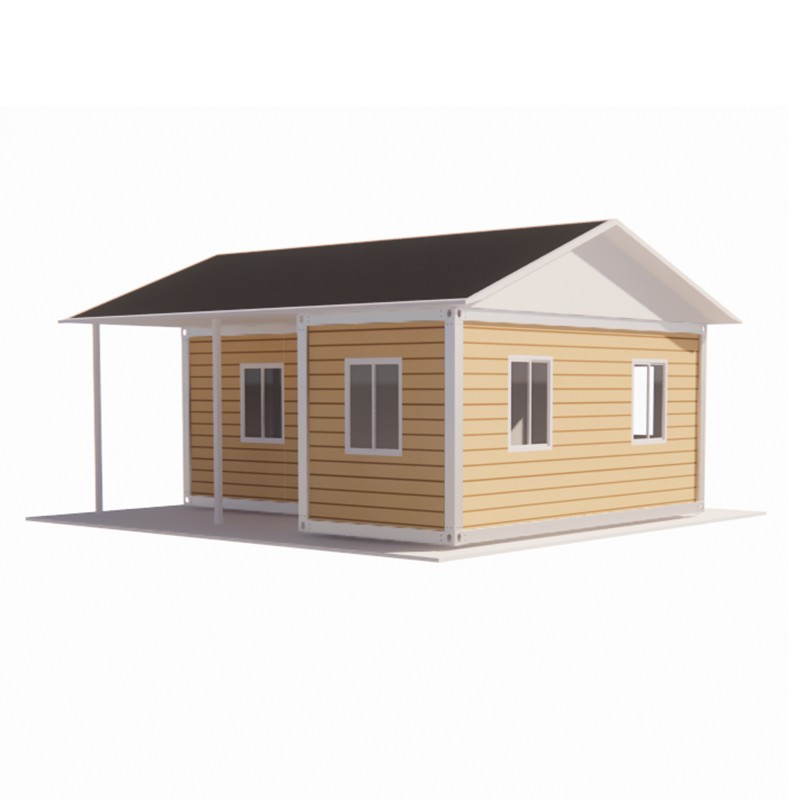
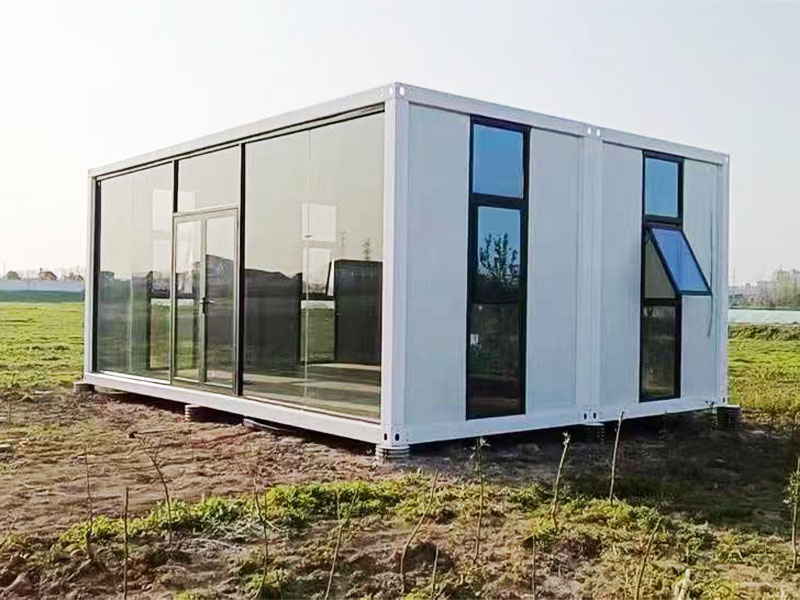
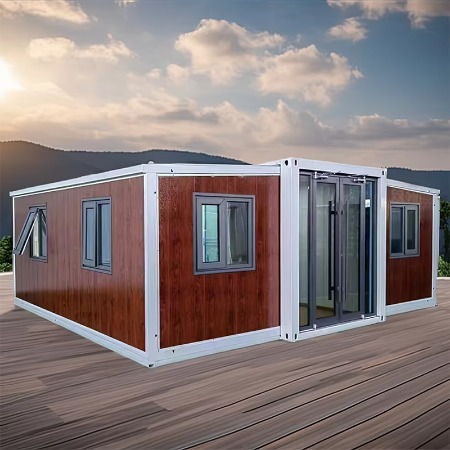
An expanded container house is a factory-built dwelling that ships in a compacted, container-sized form and unfolds or extends on-site to create a significantly larger living space. Unlike a standard repurposed container home — where the container dimensions are fixed — an expanded container house uses hydraulic or manual folding mechanisms, slide-out panels, and hinged wall sections to multiply the usable floor area, often achieving two to three times the footprint of the collapsed unit.
The expanded container house format solves the most persistent criticism of standard container homes: their narrow interior width. A standard 40-foot container is only 2.35 m wide internally — far below the 3.5–4.5 m room widths common in conventional residential construction. By expanding laterally on site, these structures can achieve interior widths of 6–8 meters, creating conventionally proportioned living spaces that bear little resemblance to the shipping container they arrived in.
Expanded container houses are particularly well-suited to remote or rural sites with limited construction infrastructure, temporary or semi-permanent installations (site offices, disaster relief housing, eco-lodges), and buyers who want factory-controlled build quality without the logistics of assembling multiple containers on site. Installation typically requires a crane or telehandler to position the unit and a small crew of two to four people to complete the expansion — the entire process can be accomplished in a single day on a prepared foundation.
Inside Shipping Container Homes: What the Interior Really Looks Like
The interior experience of a shipping container home is shaped primarily by decisions made during the fit-out phase — insulation method, ceiling treatment, floor material, and how openings are cut. Raw container interiors are industrial spaces with corrugated steel walls, plywood floors (often treated with pesticides and fumigants from shipping use), and exposed structural ribs. Finished container homes bear almost no resemblance to this starting point.
Insulation and Wall Finishes
Insulation is the single most important interior decision in a container home. Steel conducts heat extremely efficiently — an uninsulated container becomes dangerously hot in summer and bitterly cold in winter. The three main insulation approaches each produce different interior aesthetics:
- Spray foam insulation (closed-cell polyurethane): Applied directly to the interior steel walls, spray foam adheres to the corrugated surface and creates a continuous thermal and vapor barrier without requiring a separate frame. It is the most space-efficient option — losing only 50–75 mm of interior width — and is particularly effective in humid climates where condensation control is critical. The foam surface is then clad with plywood, gypsum board, or timber paneling to create the finished wall.
- Stud frame with batt insulation: A timber or steel stud wall is built inside the container shell, and mineral wool or fiberglass batt insulation is installed between the studs. This approach creates a conventional wall cavity familiar to any builder and accommodates electrical conduit and plumbing runs easily. The tradeoff is a greater loss of interior width — typically 100–150 mm per wall — and a higher risk of condensation between the cold steel shell and the warm interior if the vapor barrier is not installed correctly.
- External insulation (EIFS or cladding system): Insulation is applied to the outside of the container, preserving the full interior width and eliminating condensation risk entirely. This method is architecturally versatile — the exterior cladding can be timber, composite panel, render, or metal — but adds cost and weather exposure time during construction.
Ceiling Height and Light
Standard container interior height is approximately 2.39 m (2.69 m in high-cube containers). After insulation and ceiling finish, effective headroom drops to around 2.2–2.4 m — acceptable but not generous by residential standards. High-cube containers are strongly preferred for living spaces; the additional 30 cm of raw height translates to noticeably more comfortable proportions once fitted out.
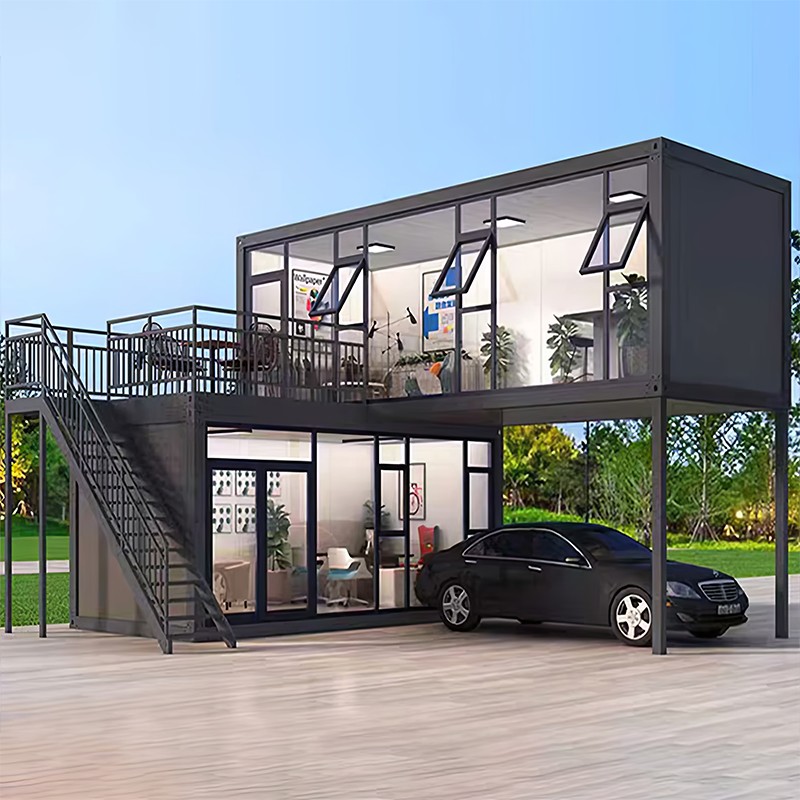
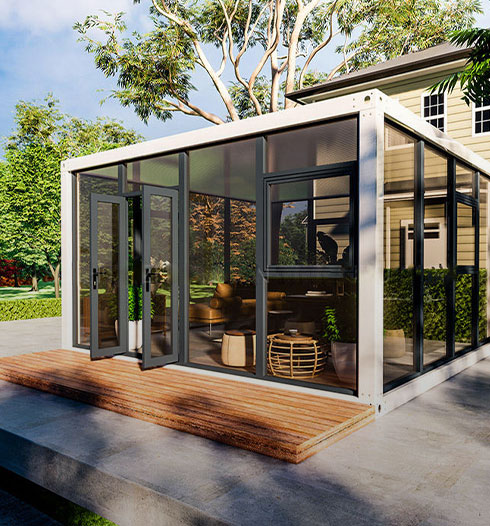
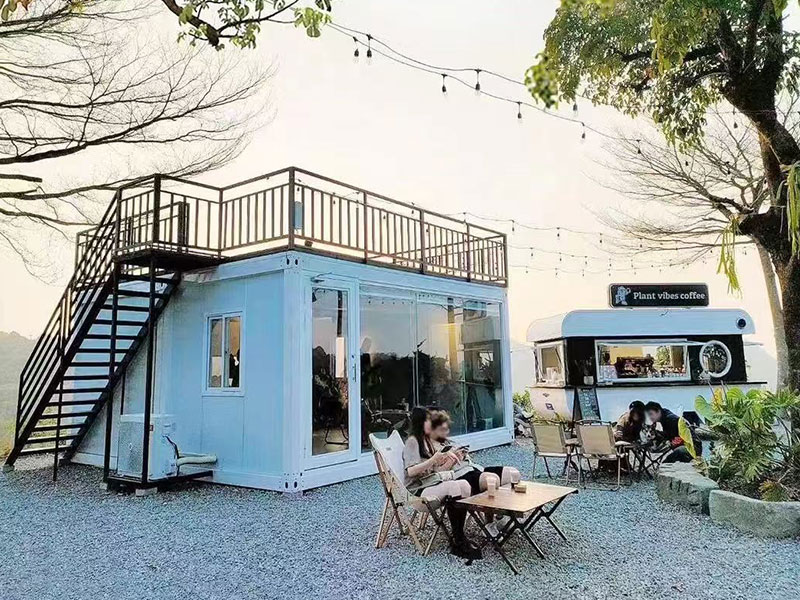
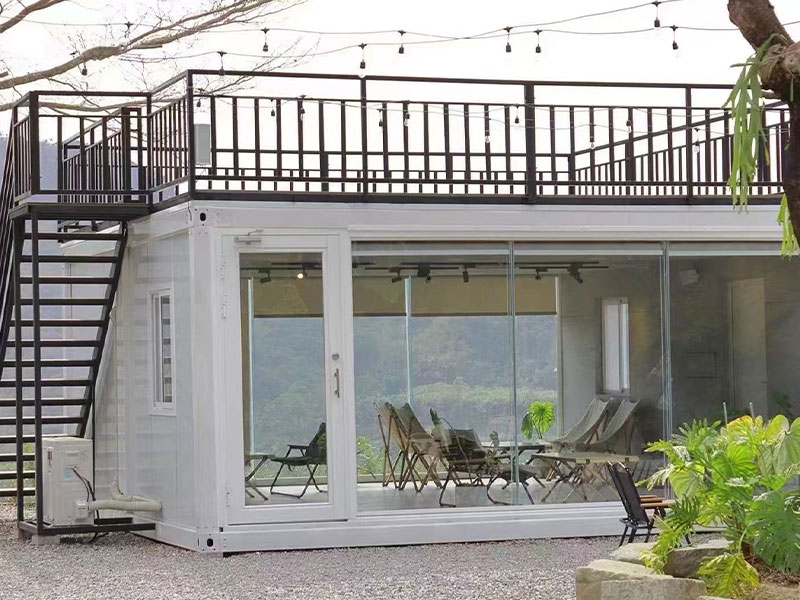
Natural light is transformed by cutting openings into the steel walls for windows and glazed doors. Large sliding glass doors on the long elevation — the most common design move in container homes — flood the interior with light and connect the living space to outdoor decks, fundamentally altering the spatial experience from the closed industrial box of the raw container.
Flooring
The original plywood floor of a used shipping container must be evaluated carefully — many containers used in international trade were treated with pesticides including methyl bromide or tributyltin, which are hazardous to occupants. Options include sealing and cladding the original floor (acceptable if the existing floor boards are in good condition and the treatment type is confirmed as non-hazardous), replacing the plywood entirely, or installing a new floor structure over the container base rails. Finished flooring materials run the full gamut — polished concrete overlay, engineered timber, ceramic tile, and luxury vinyl plank are all common in container home interiors.
Shipping Container Home Designs: From Single Box to Multi-Container Compound
Container home design has evolved considerably beyond simple single-box conversions. Contemporary container architecture exploits the modular, stackable nature of the container format to create complex spatial arrangements that would be difficult or expensive to achieve with conventional construction.
Single Container Homes
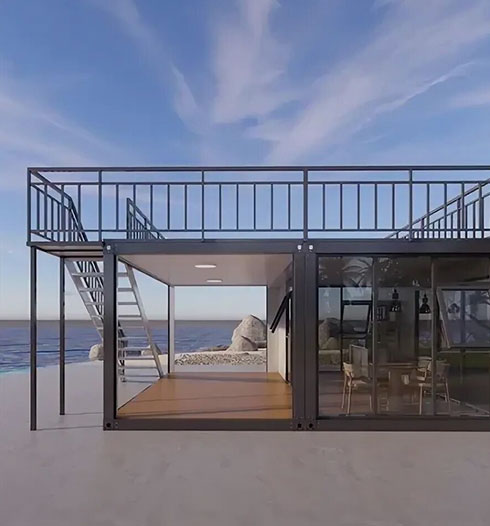
A single 40-foot container provides approximately 30 m² of floor area — sufficient for a studio apartment, a vacation cabin, or a compact guest house. Single-container designs suit ADU applications, rural retreats, and budget-conscious first-time builders. The spatial challenge is the narrow footprint: good single-container design typically opens one long elevation fully to the outside with sliding or folding glazed doors, making the outdoor deck an extension of the interior living area.
Multi-Container Linear Arrangements
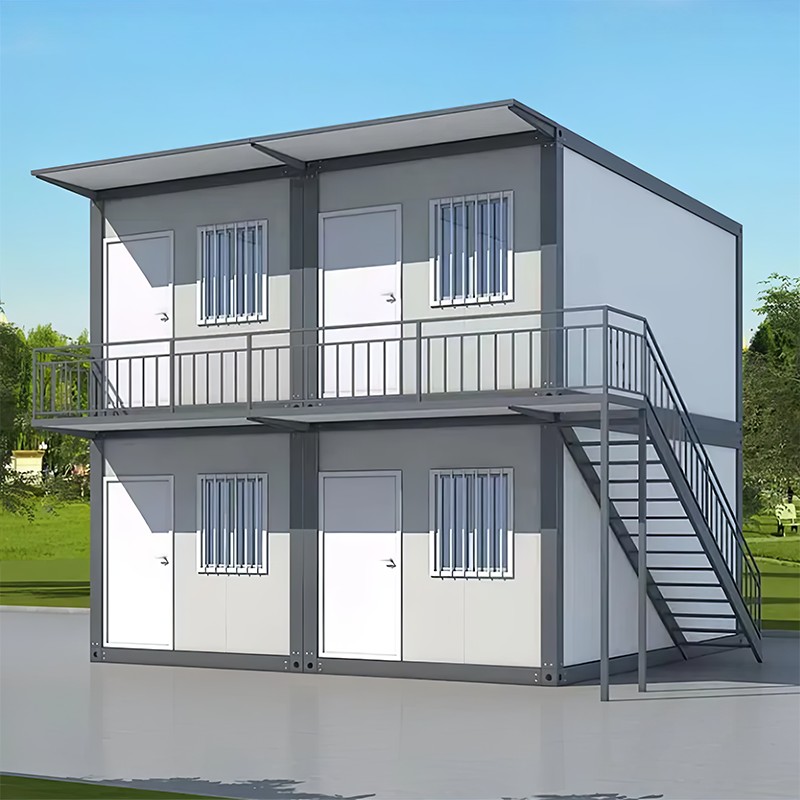
Two or more containers placed end-to-end or side-by-side on the same level create linear floor plates comparable to a conventional bungalow or ranch house. Two 40-foot containers side-by-side, with the dividing wall removed, create an interior approximately 4.8 m wide × 12 m long — a viable two-bedroom home footprint. Side-by-side arrangements require careful structural engineering where the shared wall is cut, as the original container corner posts carry all vertical loads and the wall panels themselves contribute to racking resistance.
Stacked and Cantilevered Designs
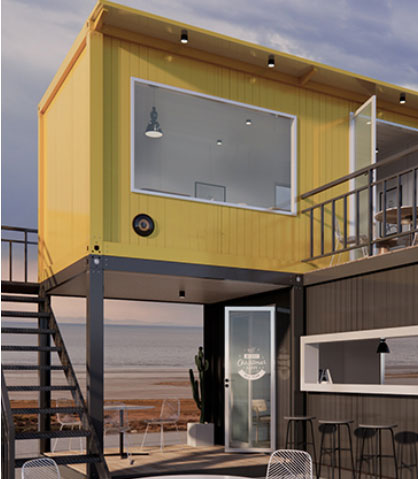
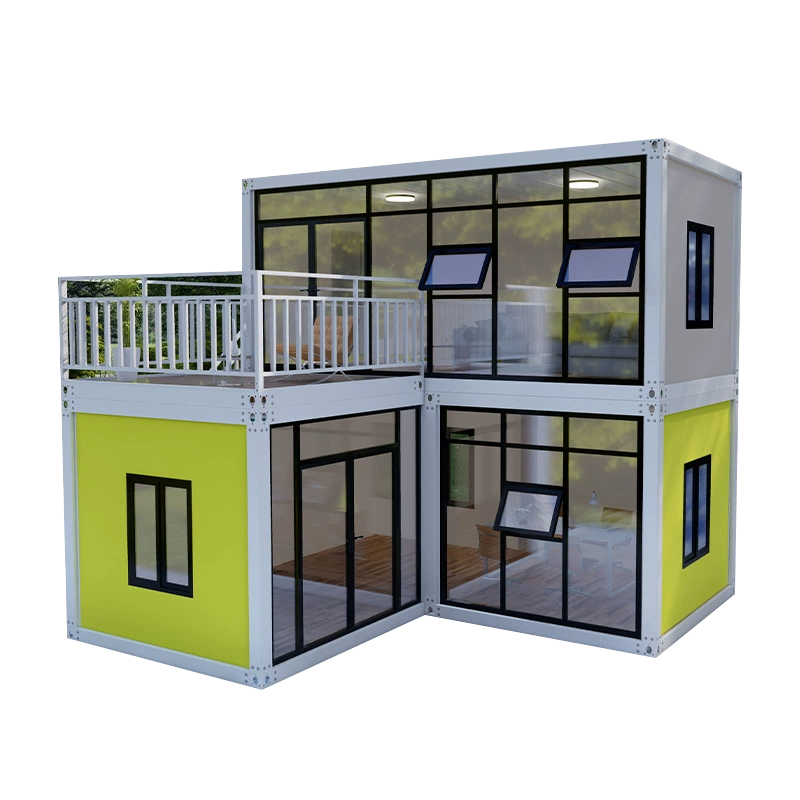
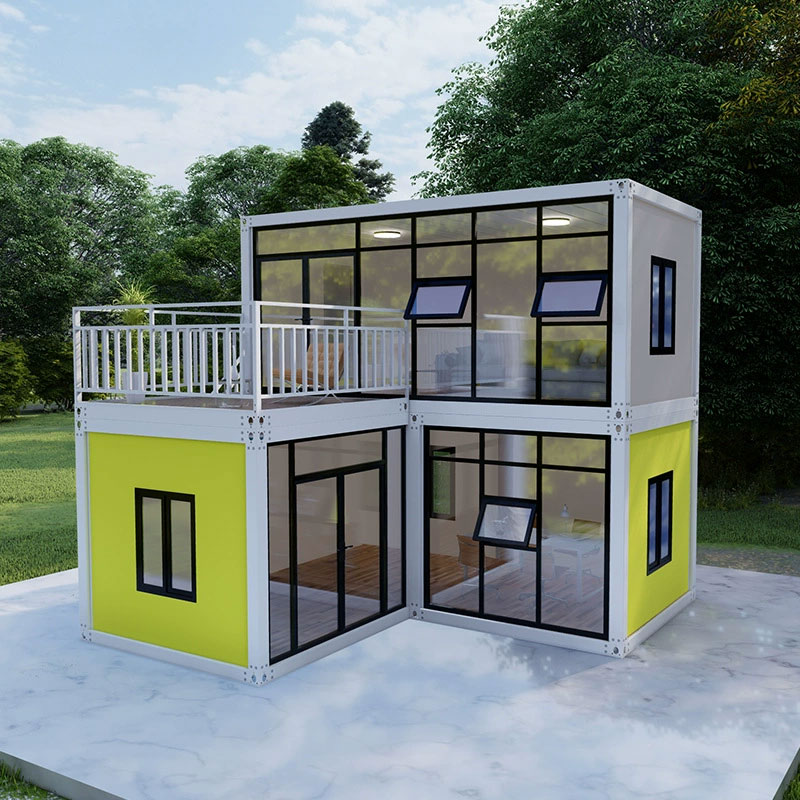
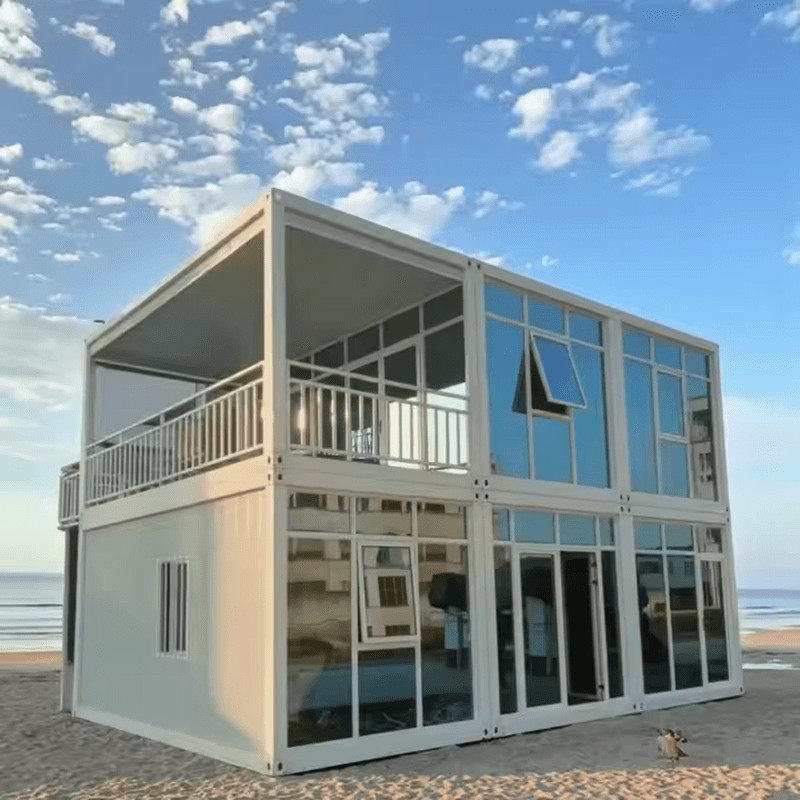
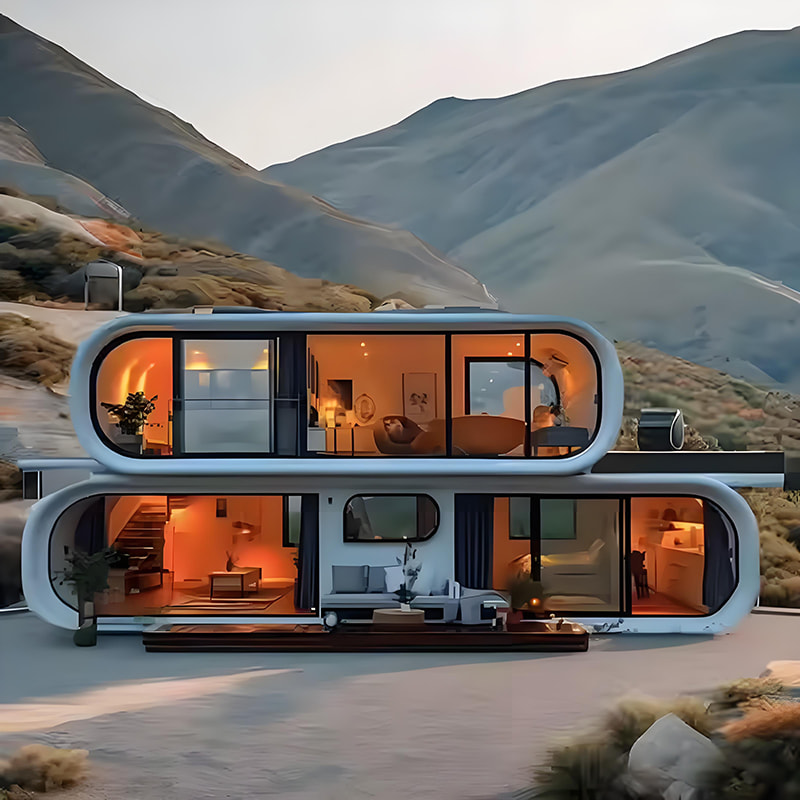
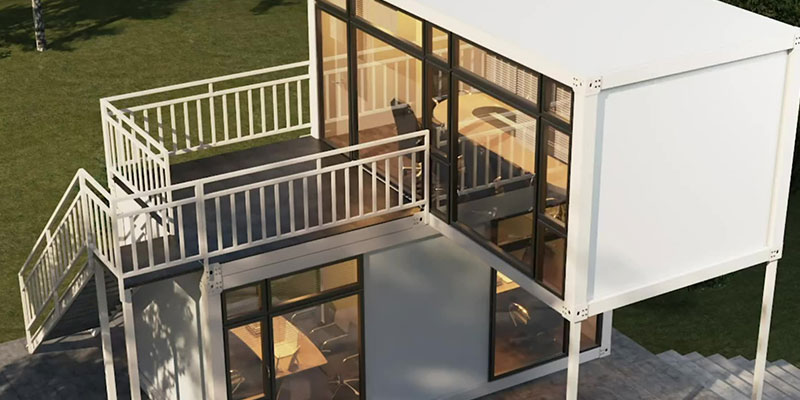
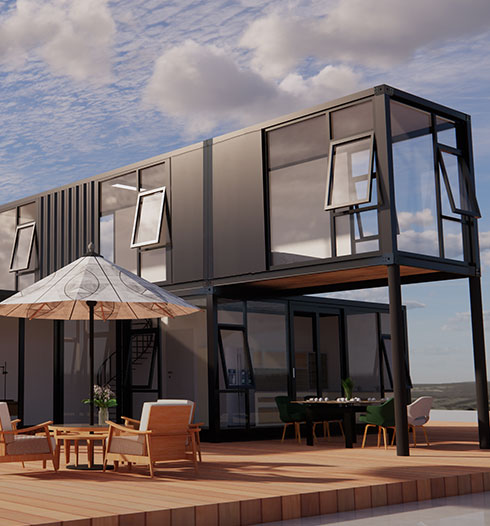
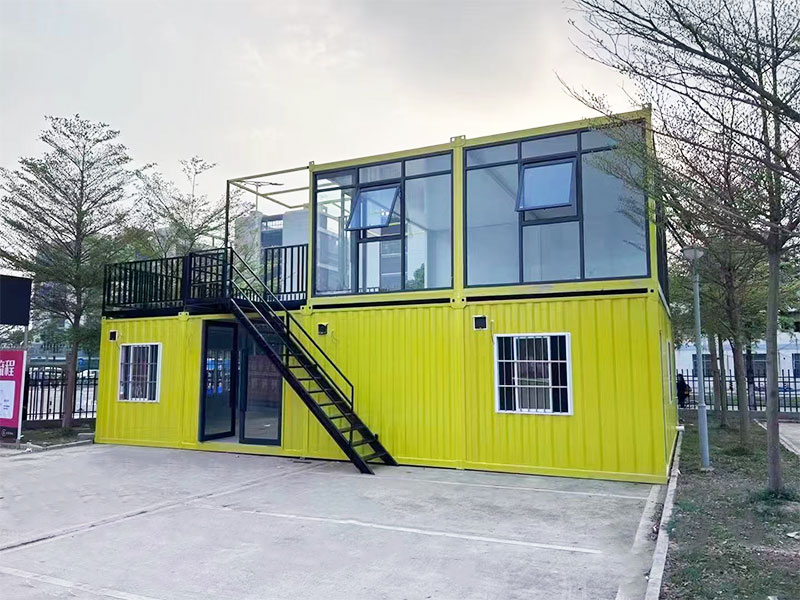
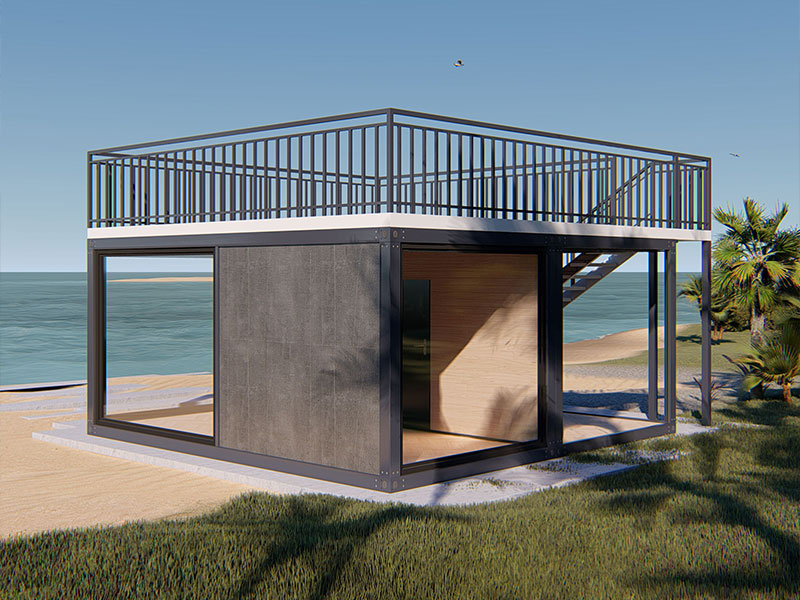
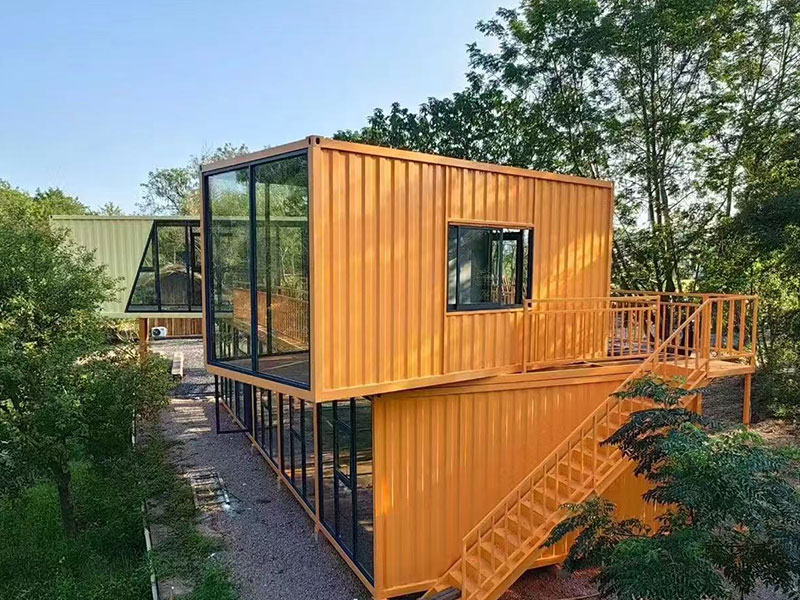
Stacking containers vertically creates multi-story homes and opens up dramatic architectural possibilities. A common design move is to offset upper containers from lower ones — cantilevering a bedroom module over a deck or living area, creating shade and visual interest simultaneously. Structural engineers must verify that the corner post loads from upper containers are transferred correctly to the lower containers or to independent footings; cantilevers beyond approximately 2.5 m typically require supplementary steel structure rather than relying on the container frame alone.
Container and Conventional Construction Hybrids
Some of the most successful container home designs combine containers with conventional light-frame construction — using containers for the bedroom wing (where the narrow proportions suit sleeping spaces well) and a timber-framed open-plan living and kitchen space connecting them. This hybrid approach captures the prefabrication benefits of container construction while avoiding the spatial limitations of trying to fit large social spaces into a 2.4 m wide module.
Pros and Cons of Container Homes
Container homes attract strong opinions in both directions. A clear-eyed assessment of their genuine advantages and real limitations helps prospective buyers and builders make decisions based on evidence rather than marketing enthusiasm or reflexive skepticism.
Advantages of Container Homes
- Structural strength: Shipping containers are engineered to carry 25–30 tonnes of cargo and to stack nine units high fully loaded at sea. The Corten steel frame is inherently resistant to wind and seismic forces, performs well in high-wind zones, and requires no additional structural framing for most single-story applications. This is a genuine engineering advantage over light-timber-frame construction in high-wind or high-snow-load environments.
- Speed of construction: Factory-built or expanded container homes can be delivered to site in a near-complete state, reducing on-site construction time dramatically compared to conventional builds. An expanded container house can be operational within days of delivery; a multi-container custom home can often be completed in three to six months compared to twelve to eighteen months for equivalent conventional construction.
- Relocatability: A container home on a temporary foundation can theoretically be lifted, transported, and reinstalled on a new site — a meaningful advantage for owners who may need to move, or for applications such as eco-lodges and resort accommodation where flexibility in site use is commercially valuable.
- Durability in harsh environments: Corten steel is specifically formulated to resist corrosion by developing a stable oxide patina. In coastal, tropical, or industrial environments where timber or light-gauge steel framing would deteriorate rapidly, a well-maintained container shell can last 25–50 years with minimal structural intervention.
- Aesthetic distinctiveness: For owners who want architecture that makes a visual statement, the industrial aesthetic of exposed Corten steel, the rectilinear geometry, and the cantilevered forms achievable with stacked containers offer a design language that is genuinely difficult to replicate in conventional construction at the same cost.
Disadvantages of Container Homes
- Thermal performance challenges: Steel is an excellent thermal conductor — the opposite of what a building envelope should be. Without high-performance insulation installed correctly and continuously, a container home will have extreme thermal bridging at the structural ribs and corner posts, leading to high heating and cooling costs. Achieving modern energy code compliance (e.g., Passive House standard) in a container home requires more insulation thickness and greater construction care than in a timber-framed building.
- Narrow interior dimensions: The 2.35 m internal width of a standard container is a hard constraint that limits furniture arrangement, spatial generosity, and accessibility compliance. Widening the footprint requires either side-by-side container pairing (with the structural and cost implications that entails) or selection of an expanded container format.
- Planning and permitting complexity: Container homes exist in a regulatory grey zone in many jurisdictions. Some councils treat them as conventional buildings requiring full building permits and compliance with residential codes; others classify them as temporary structures with different (sometimes simpler, sometimes more restrictive) rules. Researching the specific planning environment of the intended site before purchasing containers is essential — not all zoning classifications permit container dwellings.
- Cost can exceed expectations: The widely repeated claim that container homes are inherently cheaper than conventional construction is frequently inaccurate. The raw container cost is low, but insulation, fit-out, plumbing, electrical, and structural modifications to cut openings can bring the total cost per square meter to a level comparable with — or exceeding — conventional light-frame construction. Cost savings are most reliably achieved in factory-built expanded or modular container formats, not in custom on-site container conversions.
- Contamination risk in used containers: As noted, many used containers carry residual pesticides, heavy metals, and industrial chemical contamination from their cargo history. Selecting certified one-trip (single-use) containers — more expensive but with a known cargo history — or conducting thorough chemical testing before occupancy is strongly recommended for any residential application.
| Factor | Container Home | Conventional Build |
|---|---|---|
| Structural frame | Corten steel — very high strength, minimal maintenance | Timber or steel stud — lighter, easier to modify |
| Construction time | 3–6 months (factory-built units: days on site) | 12–18 months typical |
| Interior width | 2.35 m (standard) / 6–8 m (expanded) | Unlimited — determined by design |
| Thermal performance | Challenging — requires careful insulation detailing | Easier to achieve energy code compliance |
| Relocatability | Possible with crane and transport | Not feasible |
| Cost vs. conventional | Comparable to slightly higher (custom); lower (factory-built) | Benchmark |
Is a Container Home Right for You? Key Questions Before You Build
Container homes suit some buyers and sites exceptionally well, and are a poor match for others. Before committing to a container home project, the following questions help clarify whether the format aligns with your needs:
- What are the planning rules on your site? Confirm with your local authority that a container dwelling is a permitted use under the applicable zoning classification before purchasing containers or engaging designers.
- Do you need a wide open-plan living space? If yes, either pair containers side-by-side (budget for the structural work to remove the shared wall safely), specify an expanded container format, or reconsider whether a container home suits your spatial requirements.
- What is your climate? Container homes in hot or cold climates require more insulation investment than those in mild maritime climates. Budget accordingly and specify insulation performance targets — not just insulation thickness — before proceeding.
- Are you buying new or used containers? One-trip containers cost more but carry far lower contamination risk and have a known structural condition. For any residential application, one-trip containers are the safer and often more economical long-term choice once remediation costs for used containers are factored in.
- Factory-built or custom? Factory-built expanded container homes offer greater cost predictability and quality control; custom on-site builds offer maximum design freedom but require experienced contractors and careful project management. Be realistic about your budget, timeline, and appetite for construction complexity before choosing your route.