 English
 русский
 Français
 Español
 عربى
عربى

Content
What Is a Prefab Folding Container House?
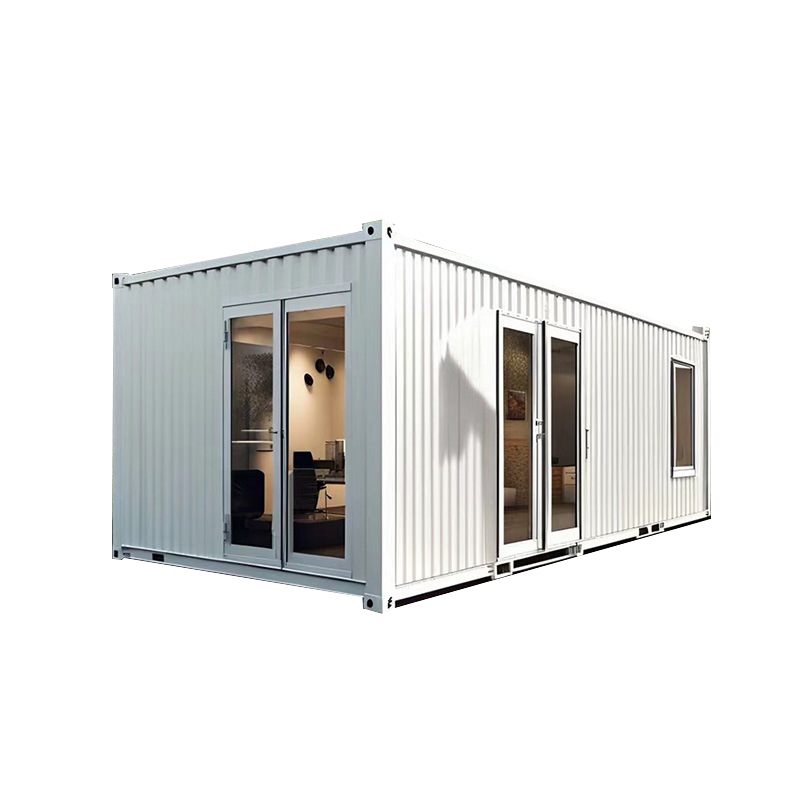
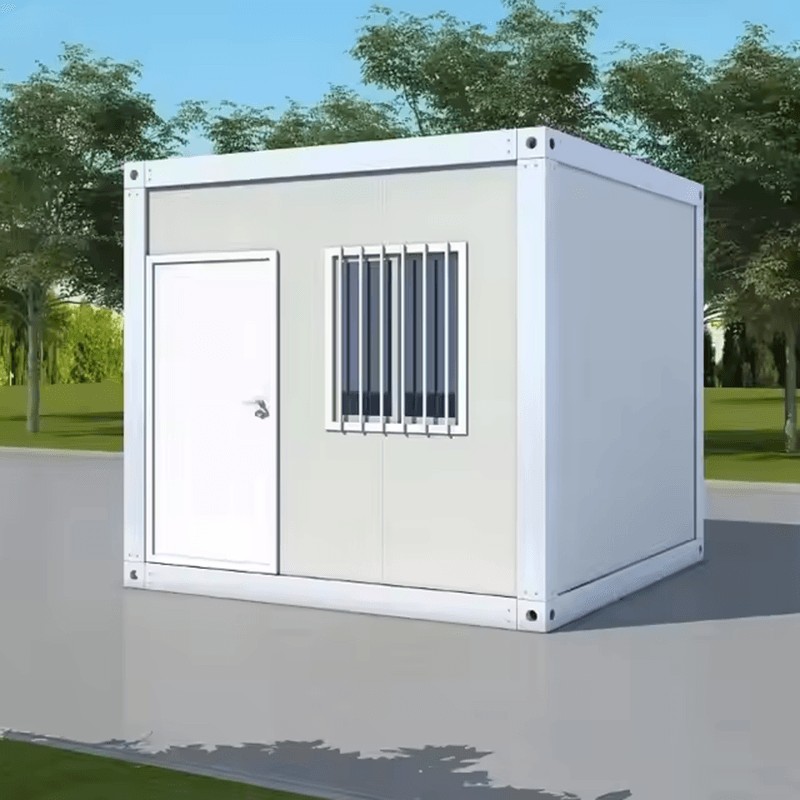
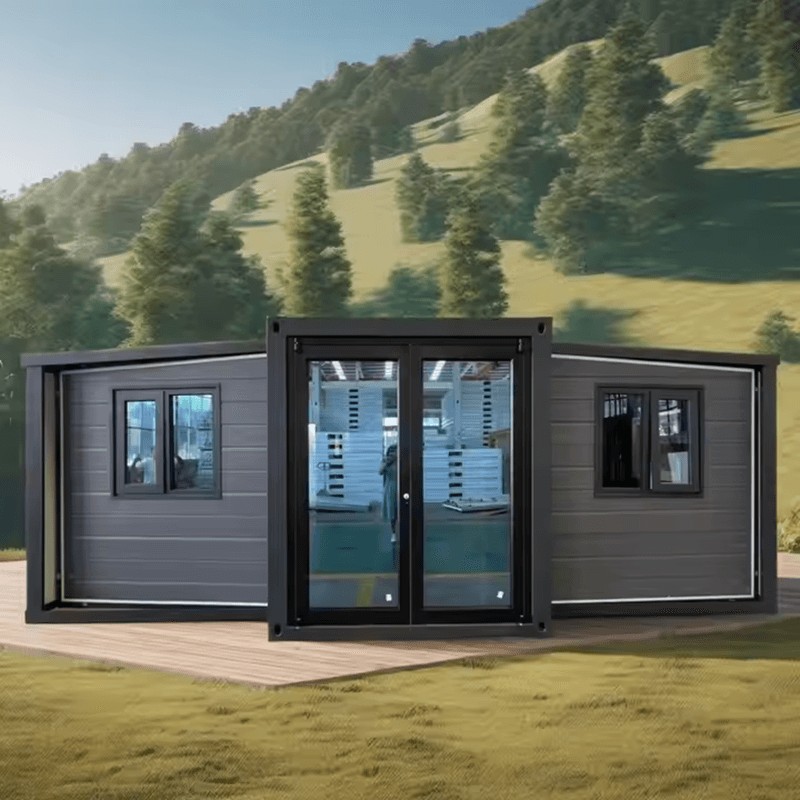
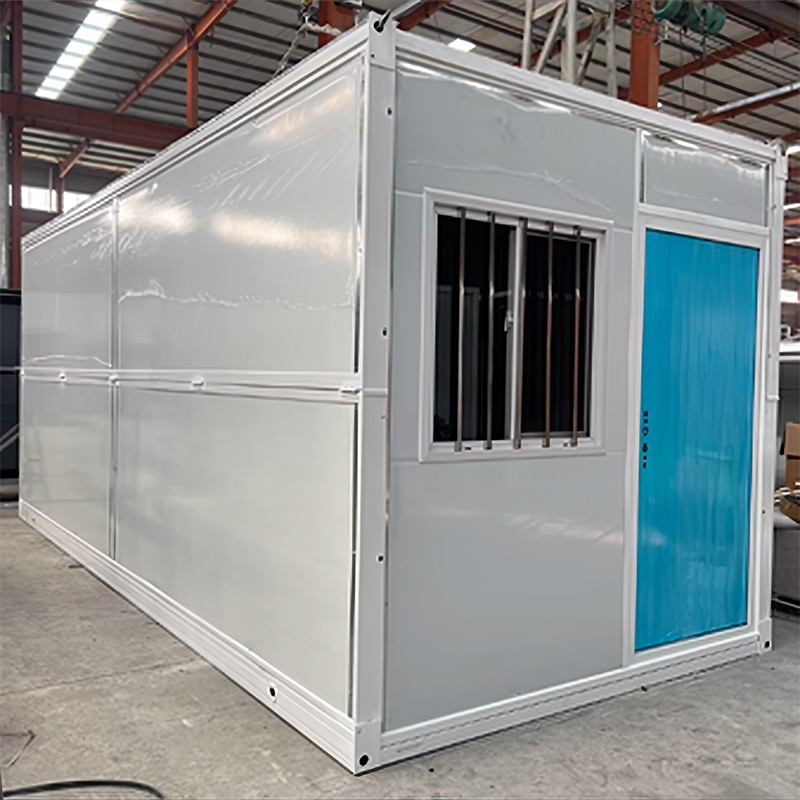
A prefab folding container house is a factory-manufactured modular structure engineered to fold flat for transport and unfold on-site into a fully functional living or working space. Unlike conventional shipping container conversions—which require crane placement and on-site fabrication—folding container units are designed to deploy in under four hours by a two-to-four person crew without heavy equipment, making them one of the most logistics-efficient forms of prefabricated housing available today.
The core mechanism relies on hinged wall panels and a collapsible frame system built from hot-dip galvanized steel. When folded, a standard unit compresses to approximately 350–400 mm in height, allowing four to six units to be stacked on a single flatbed truck—a transport efficiency ratio that conventional prefab modules cannot match. Once unfolded and locked, the structure achieves the same load-bearing performance and weather resistance as a fixed modular building.
How the Folding Mechanism Works
The structural logic of a folding container house centers on a rigid steel chassis that remains fixed, while the roof, floor extension panels, and side walls rotate on heavy-duty piano hinges rated for thousands of deployment cycles. The sequence from collapsed to habitable typically follows these stages:
- Site preparation — Level the ground and install concrete footings or adjustable screw piles at the four corner anchor points. Most units require a foundation tolerance of ±20 mm across the diagonal.
- Unit placement — Position the folded unit on the foundation using a forklift or pallet jack. The compact form factor eliminates the need for a crane in most deployments.
- Wall deployment — Release the transport locking pins and use the integrated hydraulic or manual assistance arms to raise the side walls upright. Locking bolts at each hinge node secure the walls in the open position.
- Roof extension — Extend the roof panel outward to its full span and lock into place. Integrated EPDM rubber gaskets at all panel joints create a weathertight seal without additional site sealing.
- Service connection — Connect pre-routed electrical conduit, plumbing stub-outs, and HVAC ducting to site utilities. Most units arrive with interior fit-out—flooring, insulation, and wall cladding—already installed at the factory.
This factory-first approach means the majority of labor-intensive work—insulation installation, electrical rough-in, interior finishing—occurs in a controlled manufacturing environment rather than on a construction site, reducing on-site labor costs by 60–75% compared to stick-built equivalents of similar floor area.
Structural Performance and Key Technical Specifications
Buyers evaluating prefab folding container houses for procurement or project specification should compare units across a consistent set of structural and thermal parameters. Performance varies significantly between manufacturers, and the specifications below represent the ranges found across commercially available products.
| Specification | Typical Range | Notes |
|---|---|---|
| Floor area (single unit) | 15–40 m² | Expandable via side modules |
| Steel frame thickness | 2.0–3.0 mm | Hot-dip galvanized or powder-coated |
| Roof live load capacity | 1.0–2.0 kN/m² | Snow load compliance varies by region |
| Wind resistance | Up to 120 km/h | Anchoring method affects rating |
| Wall insulation (EPS/PU) | 50–100 mm | U-value typically 0.35–0.60 W/m²K |
| Folded transport height | 350–420 mm | 4–6 units per standard flatbed |
| Service life (design) | 15–25 years | Subject to maintenance schedule |
Stacking and Multi-Story Configurations
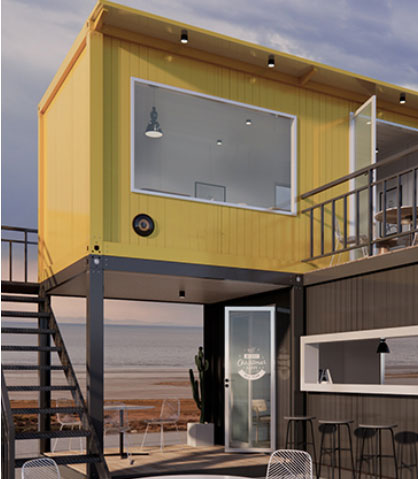
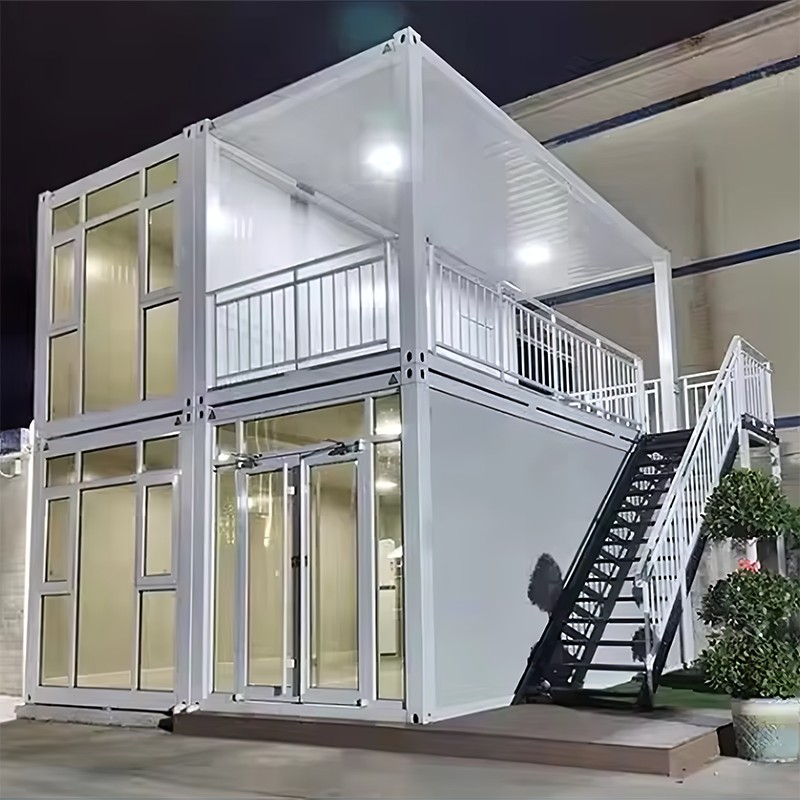
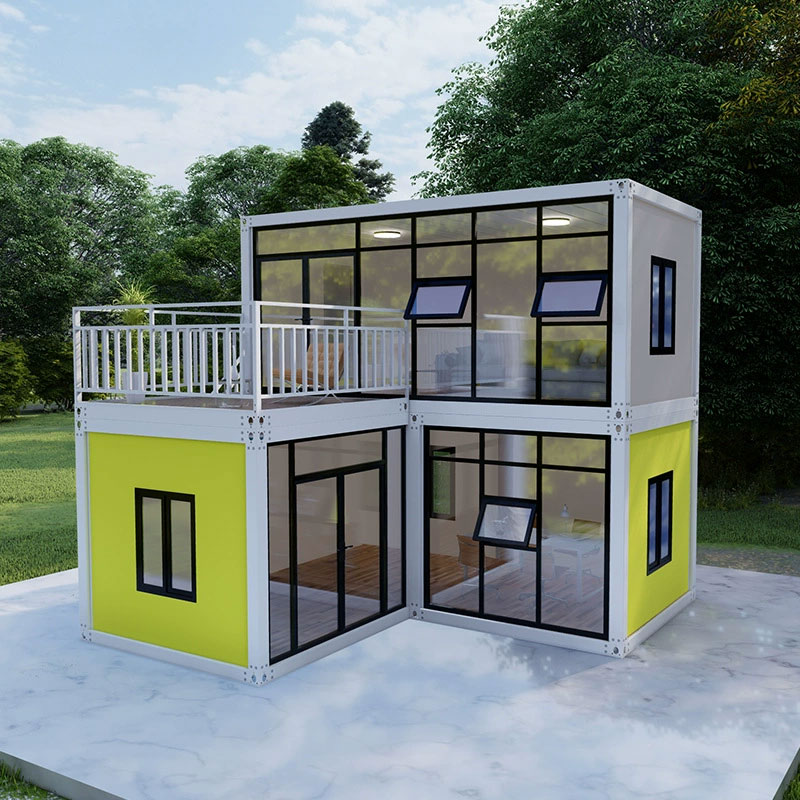
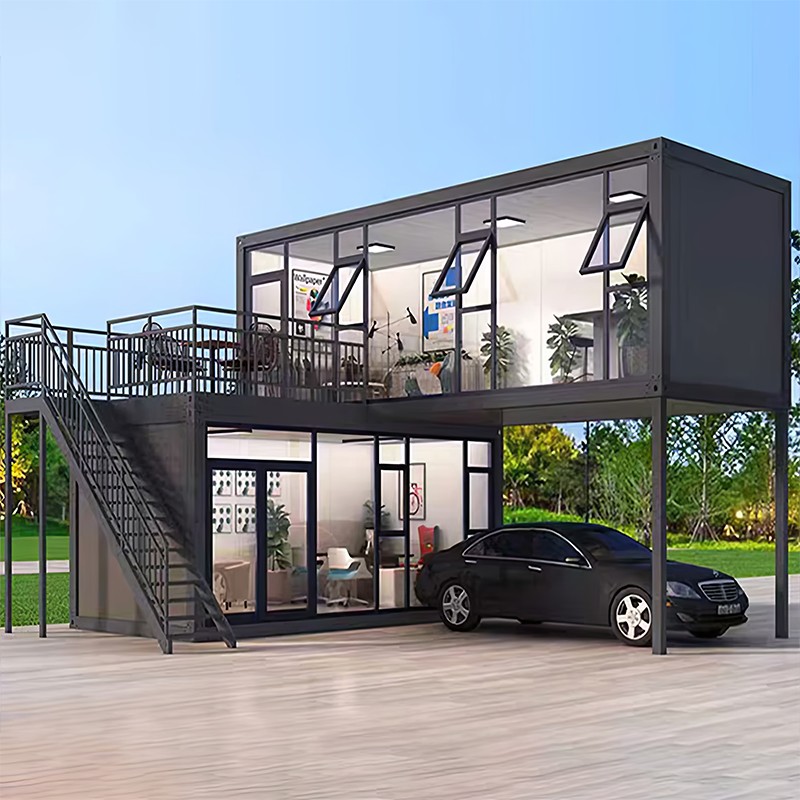
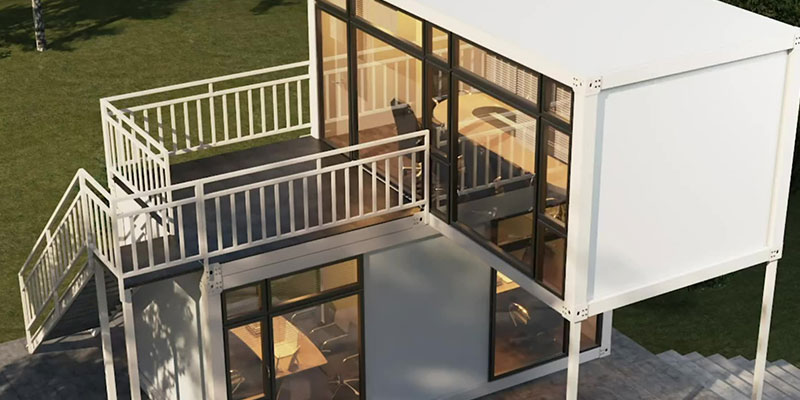
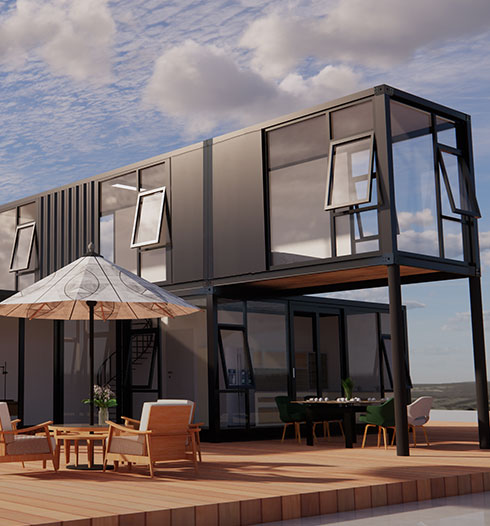
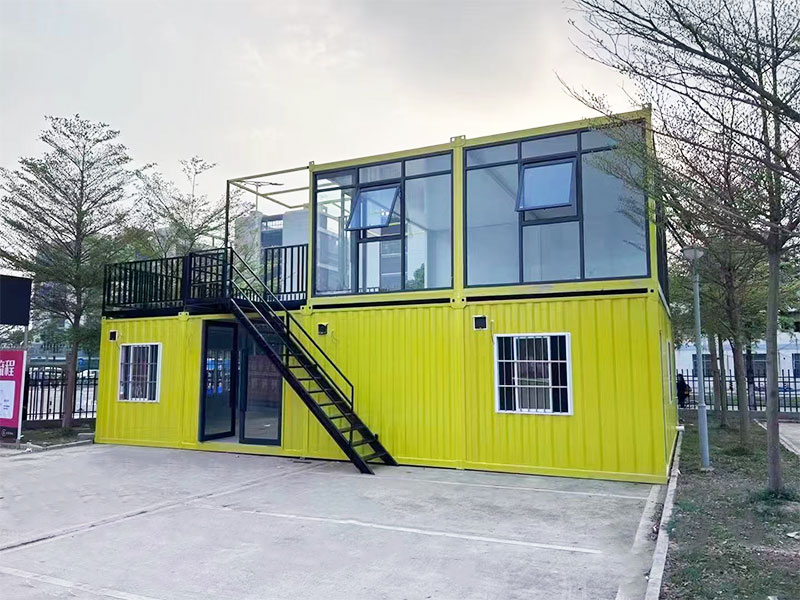
Most folding container house systems are engineered for single-story deployment, with corner casting systems designed to ISO 668 standards allowing two-story stacking where the ground unit is reinforced. Multi-story configurations require inter-unit connection hardware and a structural engineering review specific to the site's wind and seismic zone. Manufacturers offering certified two-story solutions typically rate the system to 3.0 kN/m² floor live load—sufficient for residential and light commercial occupancy without additional structural reinforcement.
Primary Applications and End-Use Scenarios
The combination of rapid deployment, transport efficiency, and relocatability makes prefab folding container houses well-suited to a wider range of applications than conventional permanent construction:
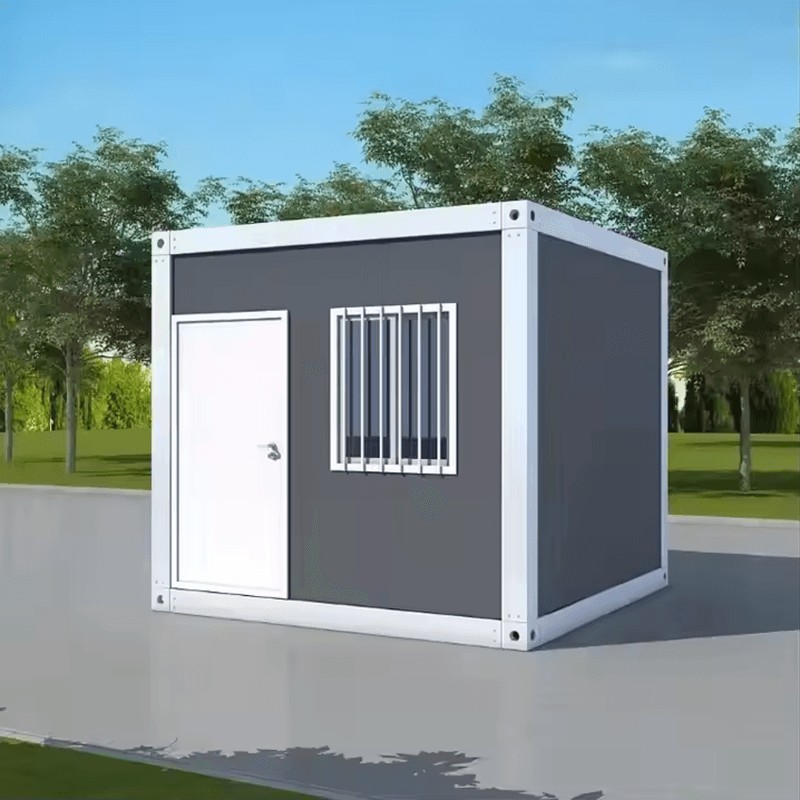
- Construction site accommodation — Worker dormitories, site offices, and canteen facilities that need to follow the project as it progresses, then be relocated or redeployed at project completion.
- Disaster relief and emergency housing — The four-hour deployment time and no-crane requirement make folding units viable for rapid-response shelter programs in areas with limited infrastructure access.
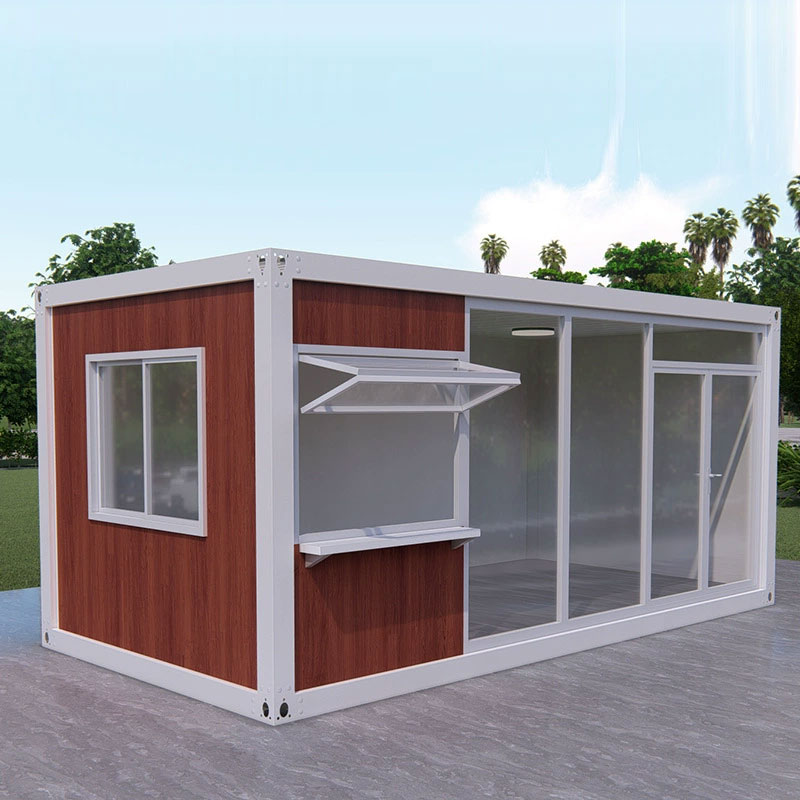
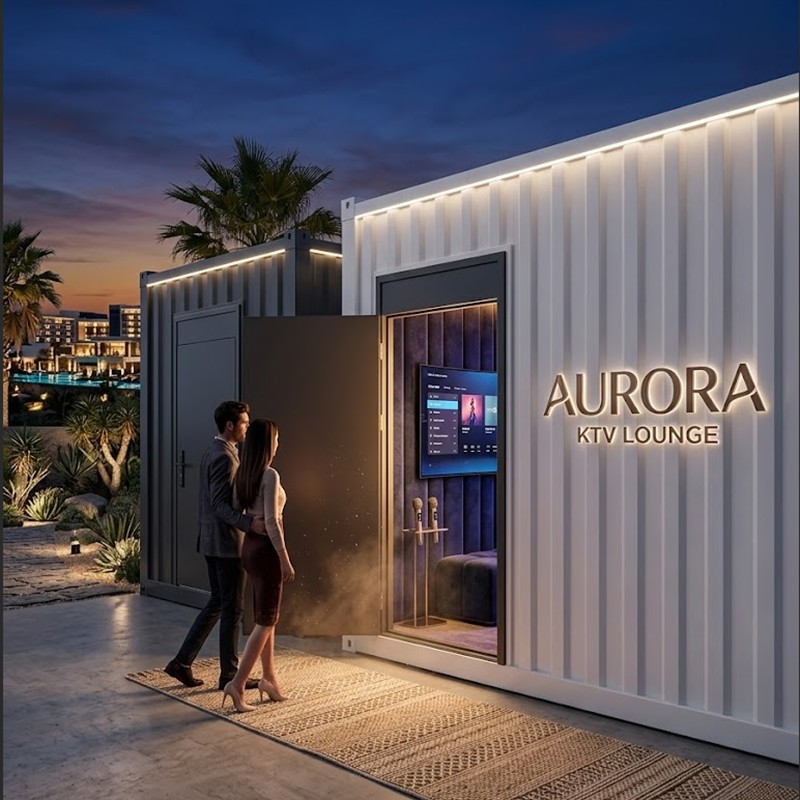
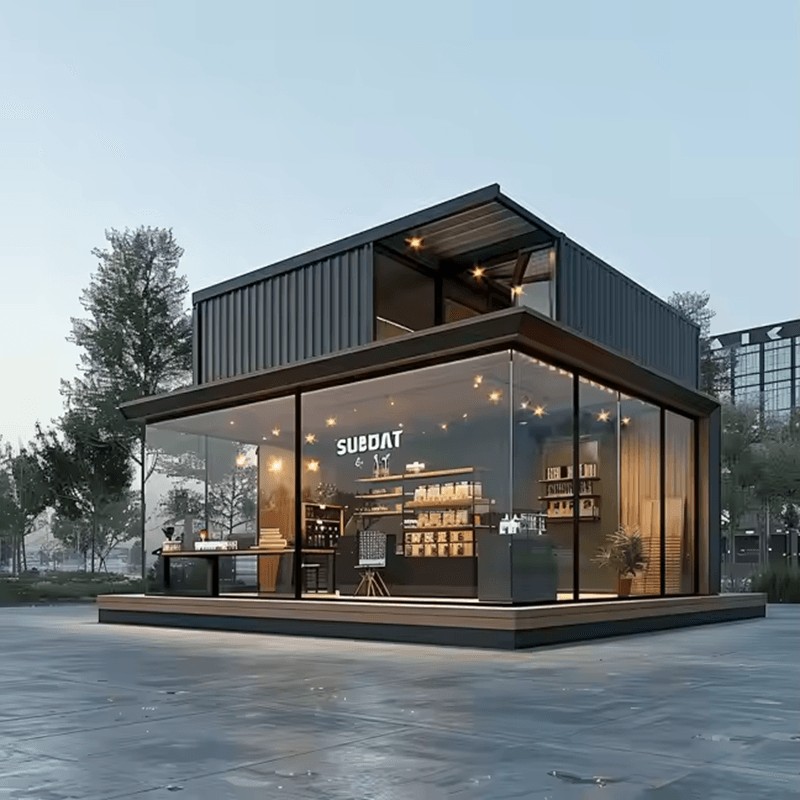
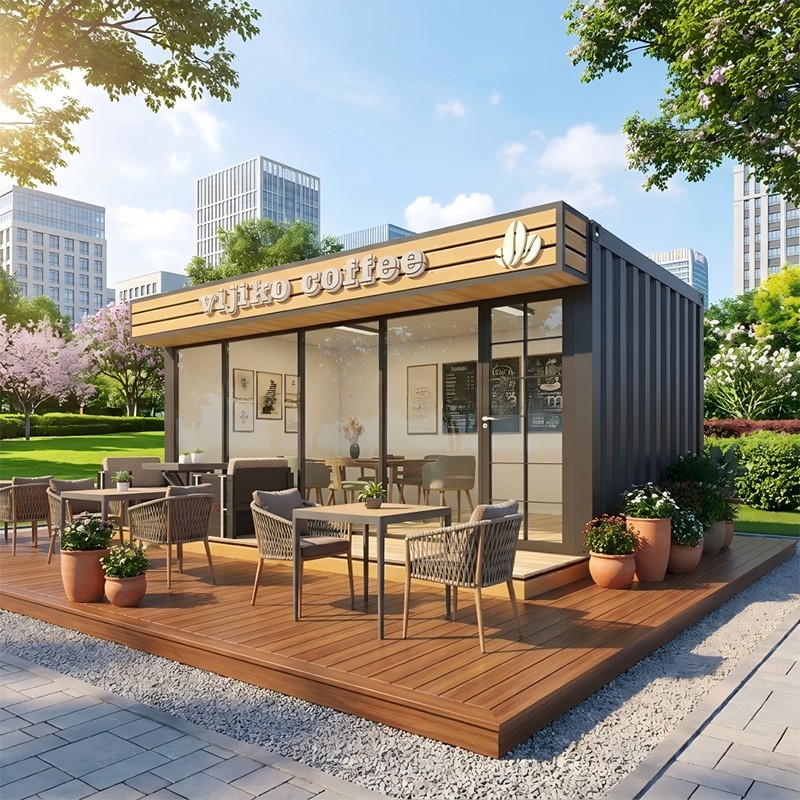
- Temporary retail and hospitality — Pop-up retail outlets, café pavilions, and seasonal hotel rooms in resort or event contexts where a building permit for permanent construction is not available or not warranted.
- Military and remote operations — Forward operating bases, field clinics, and command posts where air-transportable or vehicle-transportable structures are operationally required.
- Permanent residential use — In markets with permissive planning frameworks, folding container houses are increasingly used as permanent ADUs (accessory dwelling units), holiday cabins, and starter homes—particularly where site access limits conventional construction equipment.
What to Evaluate Before Purchasing or Sourcing
Procurement decisions for prefab folding container houses involve factors beyond unit price per square meter. The following evaluation criteria consistently distinguish reliable products and suppliers from lower-quality alternatives in this market:
- Certification and compliance — Confirm that units carry applicable structural certifications for the destination market. CE marking is required for European projects; AS/NZS 4600 compliance applies in Australia. ISO 9001-certified manufacturing is a baseline quality indicator for export-oriented suppliers.
- Hinge and locking hardware quality — The folding mechanism is the highest-wear component in the system. Request documentation of hinge cycle testing (minimum 500 fold/unfold cycles without failure) and confirm that locking bolts are stainless steel or hot-dip galvanized rather than zinc-plated.
- Insulation type and panel sandwich construction — EPS (expanded polystyrene) sandwich panels offer cost efficiency; PU (polyurethane) foam panels provide better thermal performance at equivalent thickness. For cold-climate applications, specify a minimum 75 mm PU core with aluminum or color steel facings.
- Weatherproofing at fold joints — The interface between folding panels is the primary water ingress risk. Inspect gasket material specifications (EPDM is preferable over PVC for UV resistance) and request water penetration test results to EN 12865 or equivalent.
- Lead time and production capacity — Factory lead times for custom-specified folding container houses typically range from 15 to 35 working days. For project procurement requiring 20 or more units, confirm that the supplier's monthly output capacity does not create delivery schedule risk.
- After-sales support and spare parts availability — Hinge assemblies, locking pins, and gasket seals will require replacement over the building's service life. Verify that the manufacturer maintains a spare parts inventory and can supply components to international destinations.
Requesting a factory inspection or third-party pre-shipment inspection (PSI) through an agency such as SGS or Bureau Veritas is strongly recommended for first-time orders above 10 units, as fit-and-finish quality and panel alignment tolerances vary considerably across the manufacturer landscape.