 English
 русский
 Français
 Español
 عربى
عربى

Content
The Rise of Adaptive Living: A New Paradigm in Housing
The quest for efficient, affordable, and flexible living solutions has propelled innovative housing concepts to the forefront of architectural and construction discussions. Among these, the expandable house stands out as a compelling alternative, challenging the static nature of traditional brick-and-mortar homes. This model, characterized by its ability to grow and adapt to the evolving needs of its inhabitants, presents a fundamentally different philosophy towards ownership, space utilization, and financial investment. While conventional homes offer permanence and established cultural value, they often come with rigidity in design and significant upfront costs. This article delves into a detailed comparative analysis, examining how expandable houses measure up against traditional homes across critical dimensions of cost and spatial functionality. By exploring key concepts such as cost-effective expandable home additions and modular house price per square foot analysis, we aim to provide a clear, comprehensive understanding of which housing approach might align best with modern, dynamic lifestyles and financial planning strategies. The conversation moves beyond mere square footage to consider value, adaptability, and long-term living quality.
Upfront Investment and Long-Term Financial Trajectory
The financial journey of homeownership begins with the initial outlay, but its true character is revealed over decades. Here, the divergence between expandable and traditional homes is particularly stark, influencing affordability, budgeting, and future financial flexibility.
Breaking Down the Initial Capital Outlay
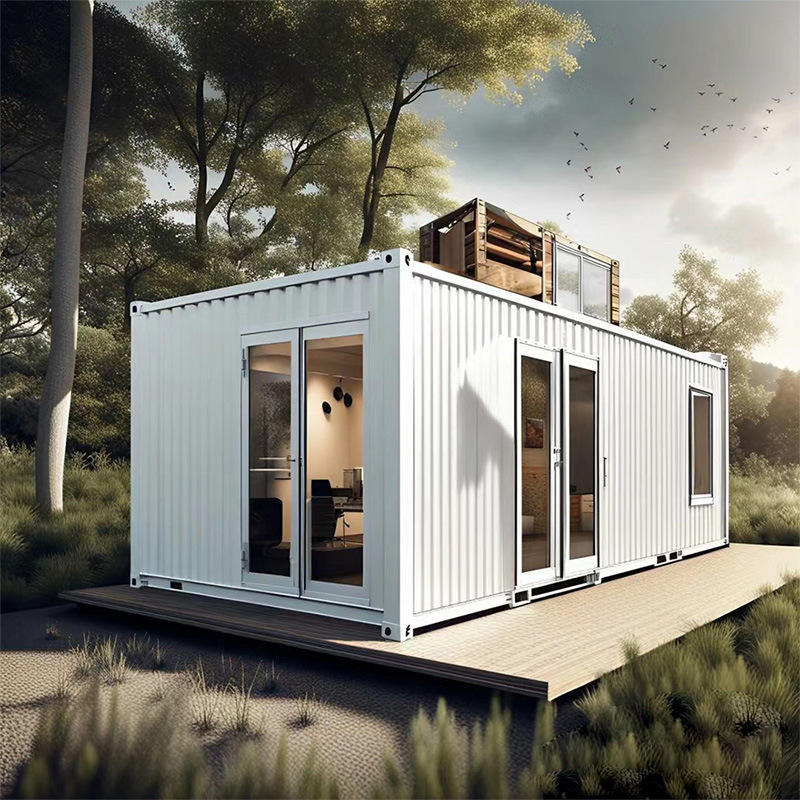
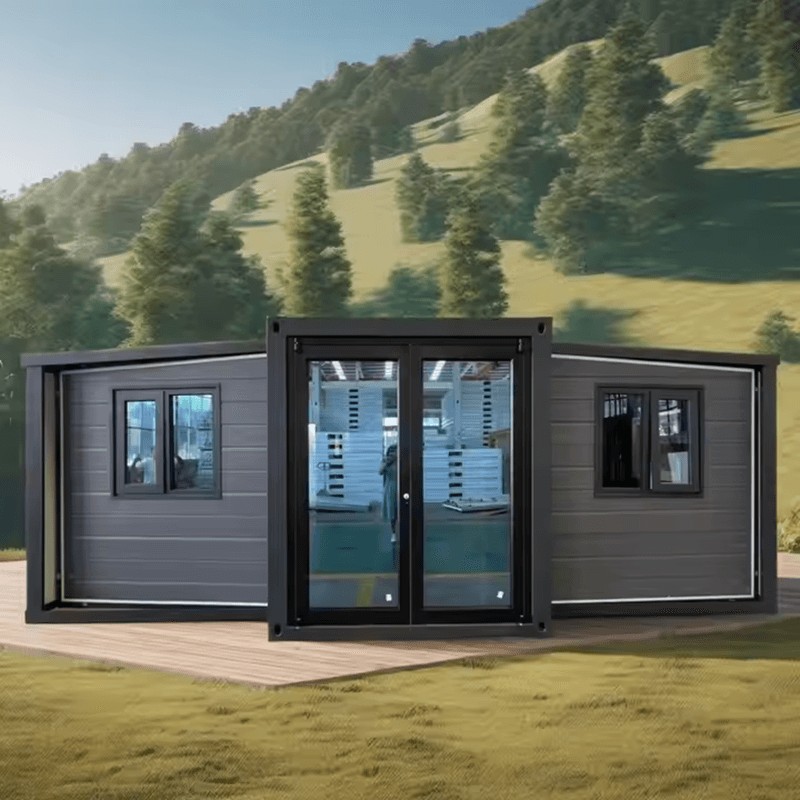
Traditional home construction typically involves a single, massive financial undertaking. Costs are incurred for a complete structure, including foundations, roofing, and full interior finishes, all at once. This requires significant capital, often secured through a large mortgage, locking the homeowner into a substantial, fixed debt from day one. In contrast, the financial model of an expandable house is inherently phased. The core structure is built first, which is often a compact, fully livable unit. This initial phase requires a notably lower capital investment. Subsequent expansions—adding a bedroom, extending the living area, or creating a home office—are financed separately as needs arise or savings accumulate. This approach to cost-effective expandable home additions allows for financial breathing room. For instance, a young family might build the core two-bedroom unit initially and plan a wing for a third bedroom five years later, spreading the financial burden over time and aligning costs with life stages.
Long-Term Value and Cost Evolution
The long-term financial picture encompasses maintenance, utility costs, property taxes, and potential appreciation. Traditional homes, built with enduring materials, often have predictable, though sometimes steep, maintenance schedules (e.g., roof replacement every 20-30 years). Their value is heavily tied to location and the overall real estate market. Expandable houses, especially modular or prefabricated ones, benefit from factory precision and modern materials that can lead to higher energy efficiency and lower routine maintenance. However, their appreciation can be more complex, depending on local perceptions and regulations regarding non-traditional homes. A key metric for evaluation is the modular house price per square foot analysis. When expansions are planned, this analysis allows homeowners to understand the incremental cost of new space, which is often more predictable and sometimes lower than the average cost per square foot in a traditional home addition, due to standardized manufacturing processes. The table below provides a snapshot of this financial comparison.
The following sentences outline the core financial contrasts: Traditional homes generally require a higher total initial investment but may offer more predictable, location-driven long-term appreciation. Expandable homes offer a lower entry point and phased investment for growth, with long-term costs heavily dependent on the quality of the core system and the execution of additions.
| Financial Aspect | Traditional Home | Expandable House |
|---|---|---|
| Typical Initial Investment | High, full-structure cost | Lower, core-unit cost |
| Financing Model | Single, large mortgage | Phased financing (core + additions) |
| Cost Predictability for Growth | Variable, contractor-dependent | More predictable via modular pricing |
| Long-Term Maintenance Focus | Roof, foundation, aging systems | System integrity, expansion seals |
| Utility Cost Trend | Depends on age/efficiency of build | Often lower due to modern, tight envelope |
Maximizing Utility: The Philosophy of Space
Space is not merely an area defined by walls; it is a resource whose utility defines the quality of daily life. The approach to spatial design and utilization forms the second major axis of comparison between these housing models.
Static Layouts vs. Dynamic Configurations
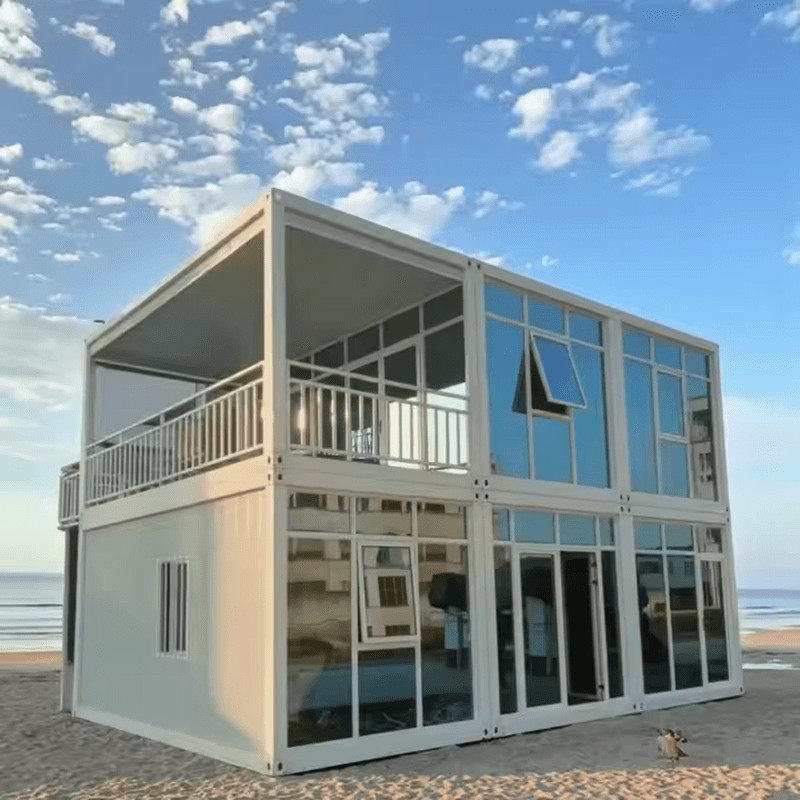
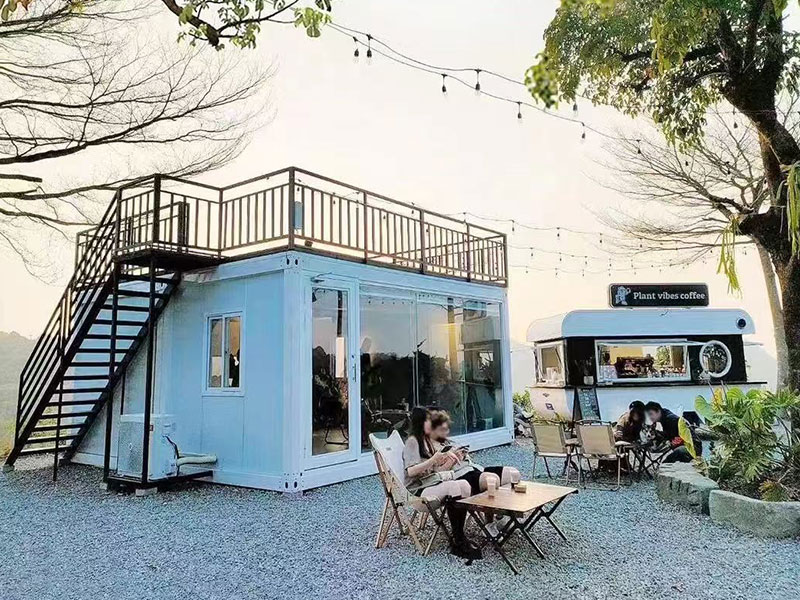
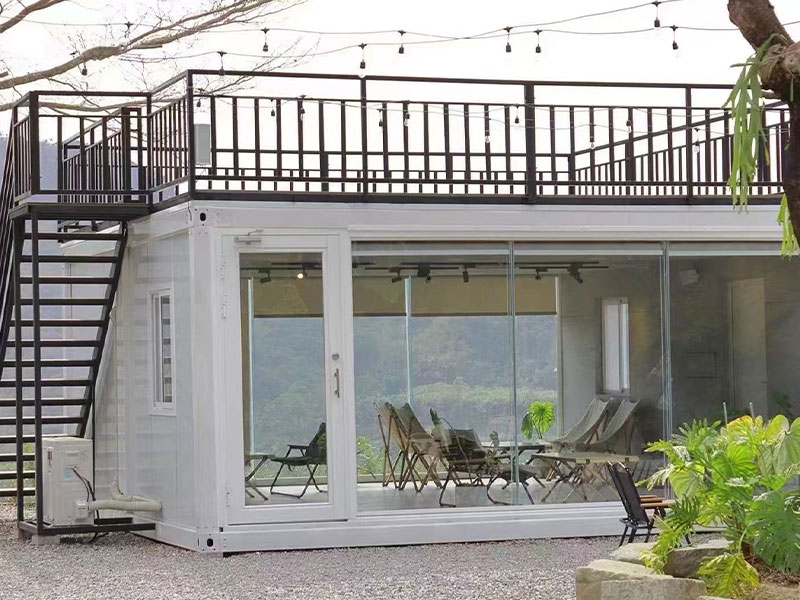
A traditional home's floor plan is largely immutable after construction. Walls are load-bearing, rooms have fixed purposes, and significant alteration requires expensive and disruptive renovation. This permanence can lead to underutilized spaces—formal dining rooms rarely used, or bedrooms empty after children leave. The expandable house champions adaptability. Its design philosophy often incorporates flexible interior partitions and a structural system designed for easy attachment of new modules. This facilitates the concept of flexible layout options for growing families. A room can serve as a nursery, later be reconfigured as a child's bedroom, and eventually transform into a home study without structural changes. The house itself can grow outward or upward, adding dedicated spaces as required, ensuring that every square foot is actively serving the current needs of the household.
Efficiency and Intelligent Design in Compact Living
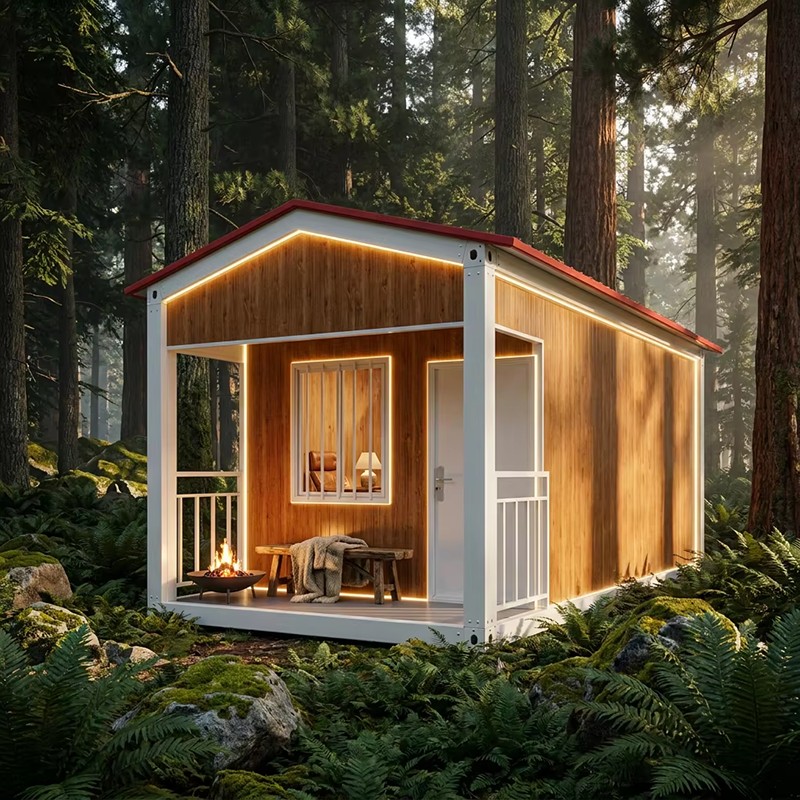
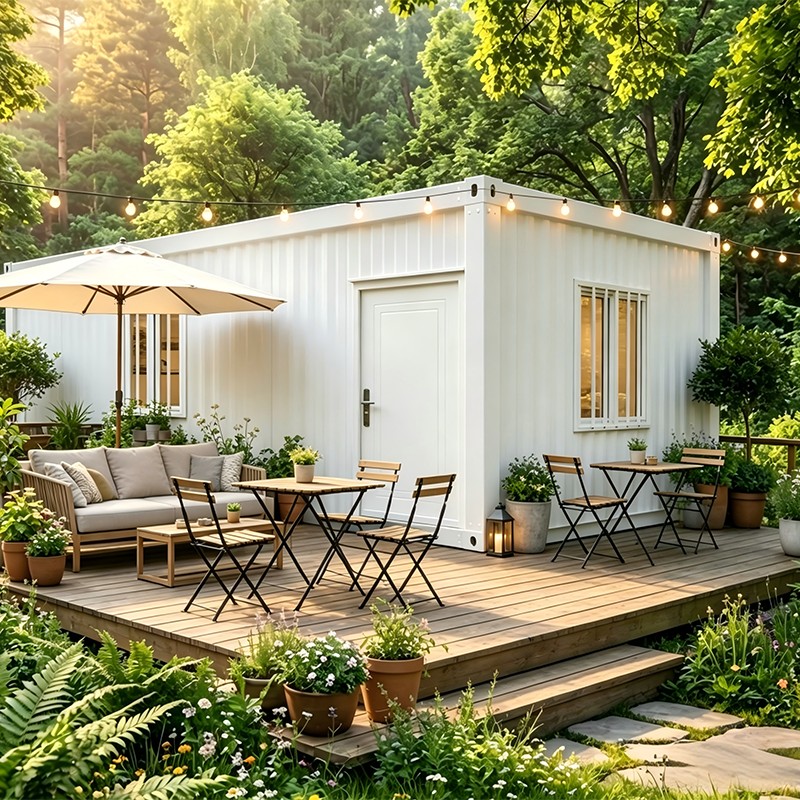
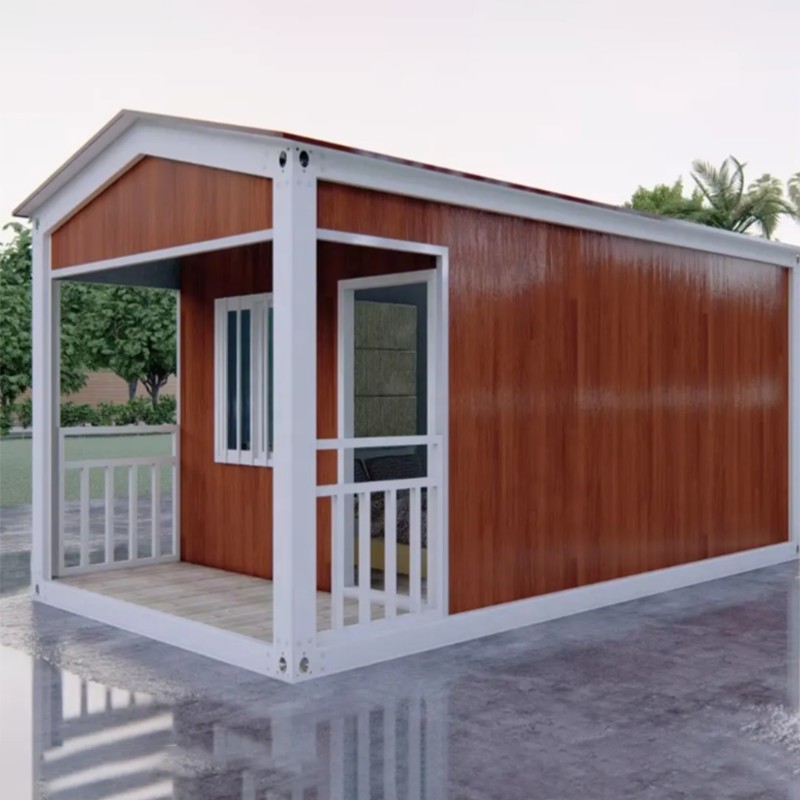
Because the initial core of an expandable house is often compact, intelligent design is paramount. Every inch is optimized through built-in storage, multi-functional furniture, and open-plan living areas that feel larger than they are. This contrasts with some traditional homes where space can be wasted in hallways, oversized rooms, or inefficient layouts. The focus on efficiency directly addresses the niche of small footprint expandable cabin designs. These designs prove that a highly functional, comfortable home can start with a minimal land use and environmental footprint, expanding only as necessary. This efficient use of space often translates to lower heating and cooling costs and reduced cleaning and maintenance time, contributing to a simpler lifestyle. The ability to design for specific, evolving needs—rather than adapting to a generic, pre-existing layout—represents a significant advantage in spatial utility.
Planning for Future Life Stages
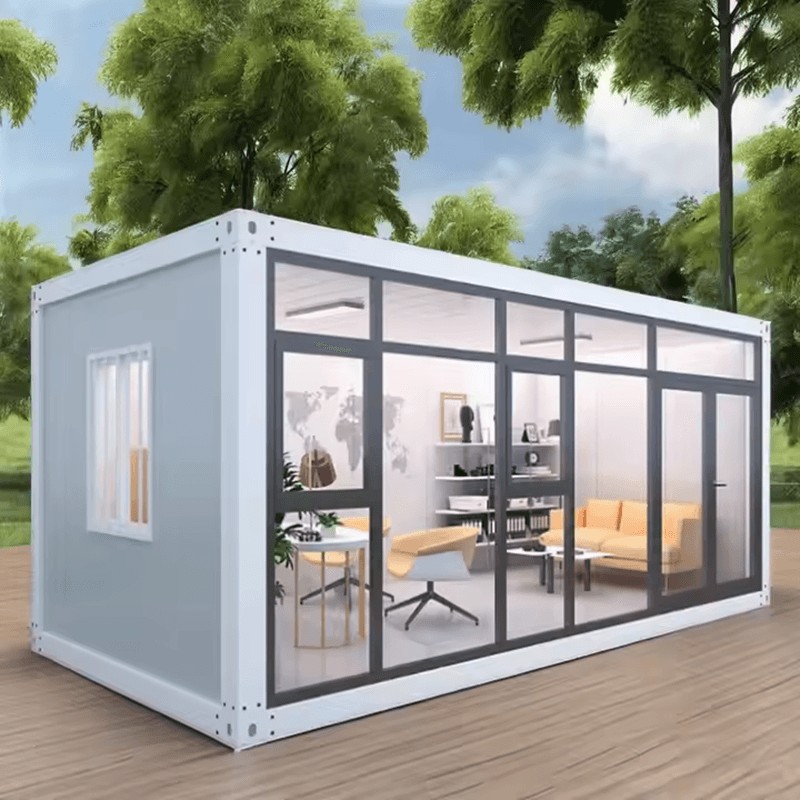
A critical consideration for many homeowners is how their dwelling will accommodate life's changes. A traditional home might be purchased with "room to grow," meaning extra bedrooms are bought and paid for years before they are needed. An expandable house allows for on-demand growth. Furthermore, it can elegantly address later life stages. The concept of an expandable accessory dwelling unit for rental income is a prime example. A separately modular unit can be added to the property to house aging parents, creating proximity while maintaining privacy, or it can be rented out to generate passive income. Similarly, a home office module can be added or removed based on work requirements. This strategic approach to space as a configurable asset stands in contrast to the "one-size-fits-all-for-decades" model of many traditional homes.
Practical Considerations in Construction and Implementation
The theoretical benefits of adaptability and cost phasing must be weighed against the practical realities of bringing such a home to life. This involves navigating regulations, understanding construction methodologies, and managing the expansion process itself.
Regulatory Hurdles and Permitting Processes
Both traditional and expandable homes must comply with local building codes, zoning laws, and permit requirements. However, expandable homes can face unique scrutiny. Some municipalities have regulations drafted specifically for stationary, permanent structures and may be unfamiliar with or skeptical of modular or expandable systems. Securing permits for future expansions may require pre-approval of master plans or separate applications for each phase. This underscores the importance of thorough research into prefab expandable building code requirements in the target location. Working with manufacturers and builders experienced in navigating these local bureaucracies is crucial. While traditional home construction also faces permitting delays, the path is typically more well-trodden and predictable for builders and officials alike.
The Construction Timeline and Disruption Factor
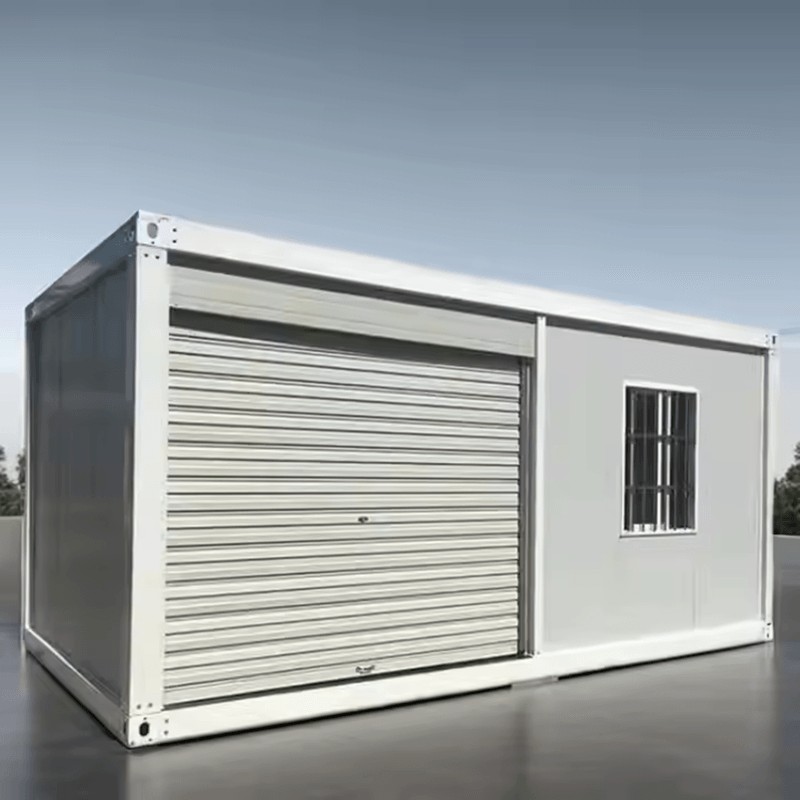
A traditional home build, from ground-breaking to move-in, can take anywhere from six months to over a year, subject to weather, labor availability, and material deliveries. Once complete, the homeowner is settled. For an expandable house, the initial core module can often be manufactured off-site in a matter of weeks and assembled on the foundation in days, leading to a dramatically faster initial occupancy. The disruption, however, is not eliminated but postponed. Future expansions will require new construction activity on-site, potentially impacting the use of the yard and creating noise and dust for a period. Effective planning can minimize this, but it remains a consideration that does not apply to a static traditional home after its initial construction is complete.
Synthesizing the Choice: Aligning Home with Lifestyle Vision
The decision between an expandable house and a traditional home is not a matter of identifying a superior option, but of matching a housing model to personal priorities, financial habits, and vision for the future. The expandable house offers a compelling pathway for those who value financial agility, wish to minimize initial debt, and prioritize a living space that evolves in lockstep with their life story. It is particularly suited to individuals or families who embrace efficient design, anticipate changes in household size or composition, and are proactive planners. The traditional home remains the anchor for those who seek immediate permanence, the tactile qualities of classic construction, and the stability of a known commodity in the real estate market. It appeals to buyers who prefer a complete product from the start and whose long-term spatial needs are already clearly defined. Ultimately, this comparison reveals that in the modern era, a home can be more than a static asset—it can be a dynamic partner in one's life journey, responsive to change and capable of growing in both form and value alongside its inhabitants.