 English
 русский
 Français
 Español
 عربى
عربى

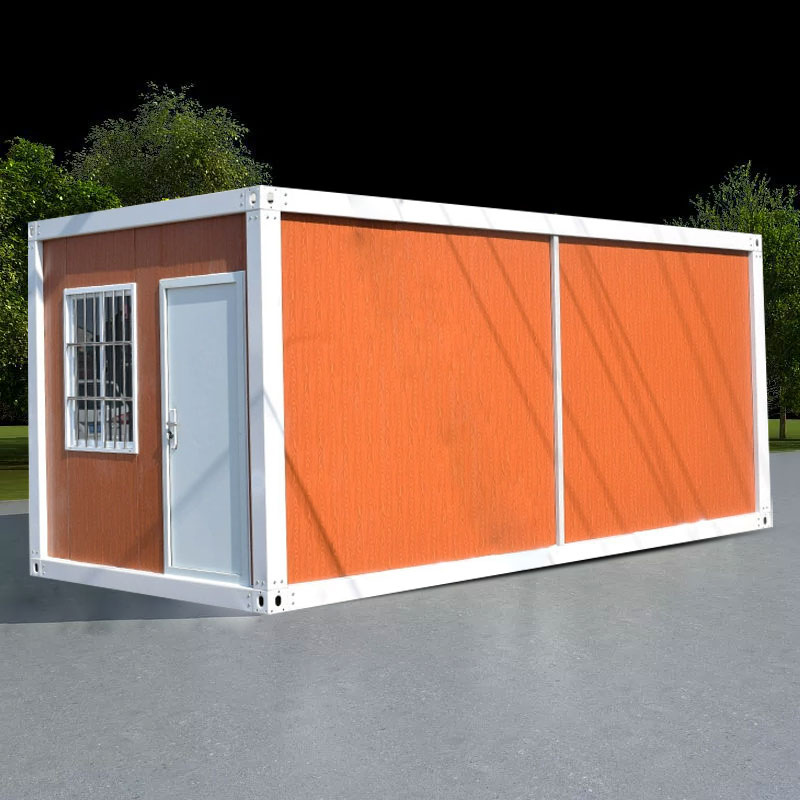
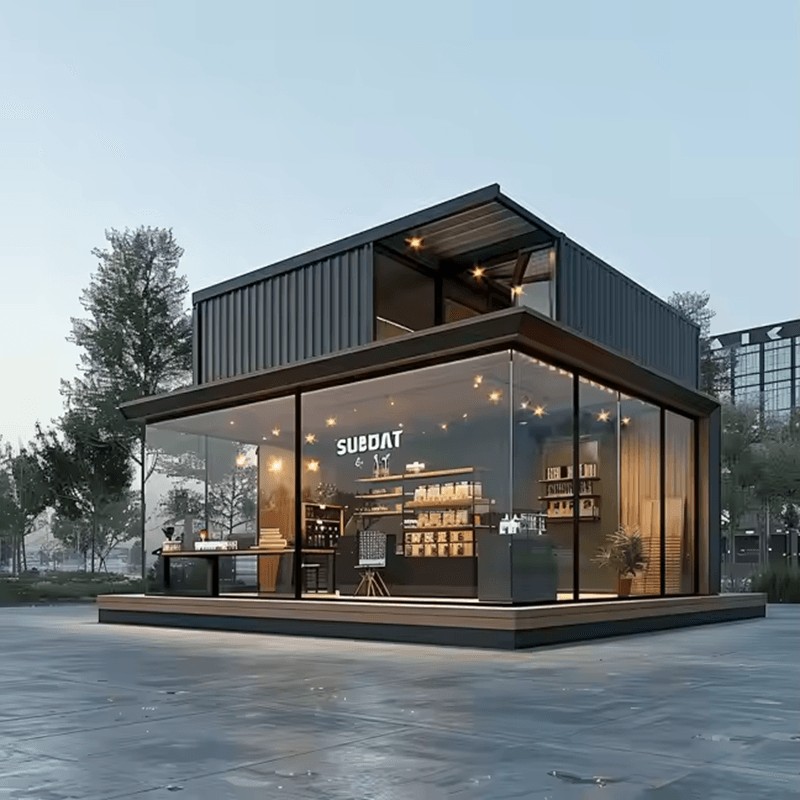
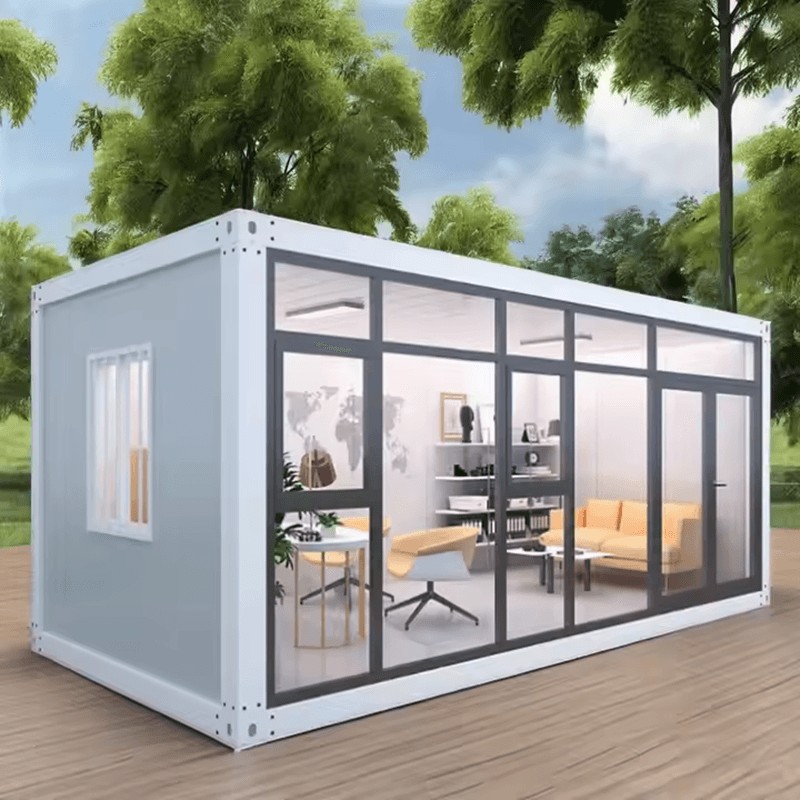
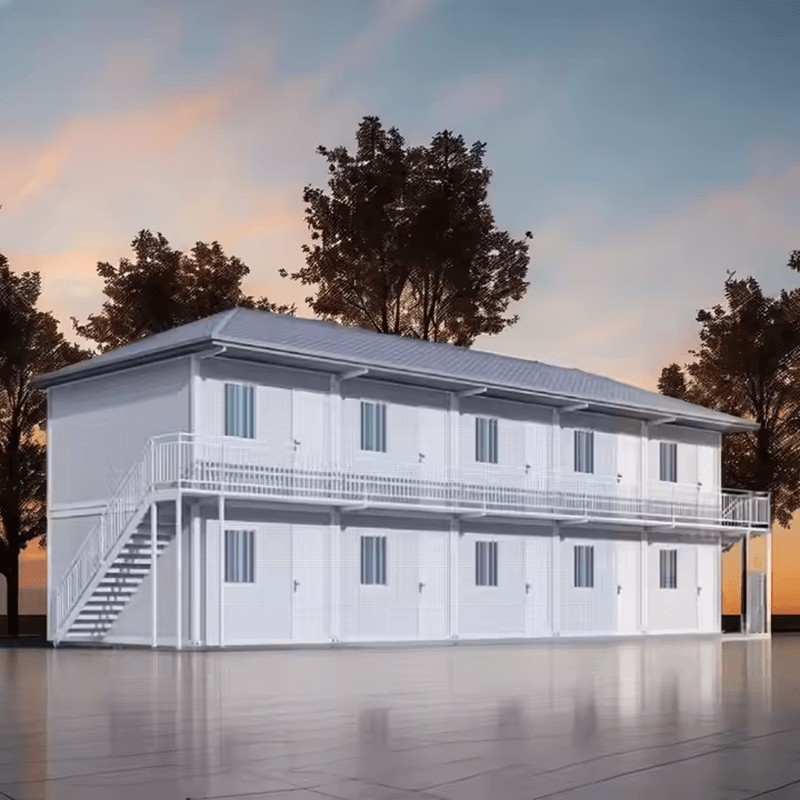
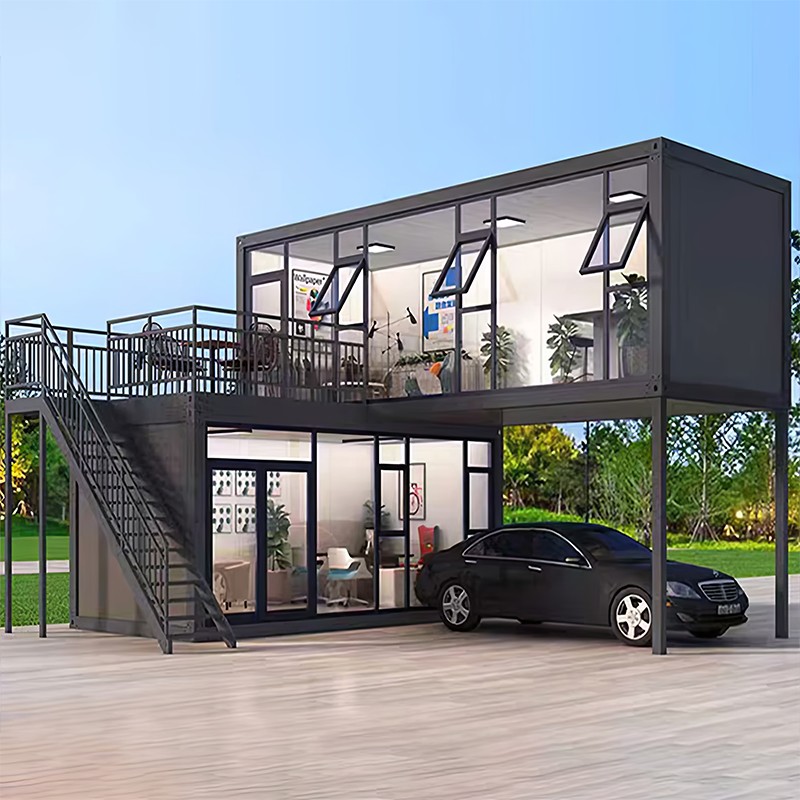
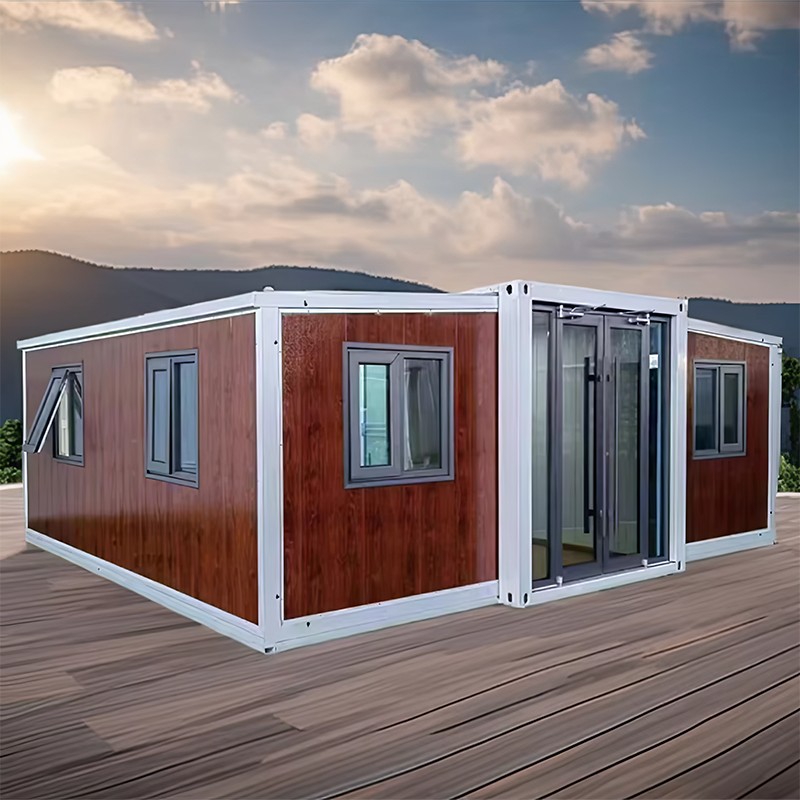
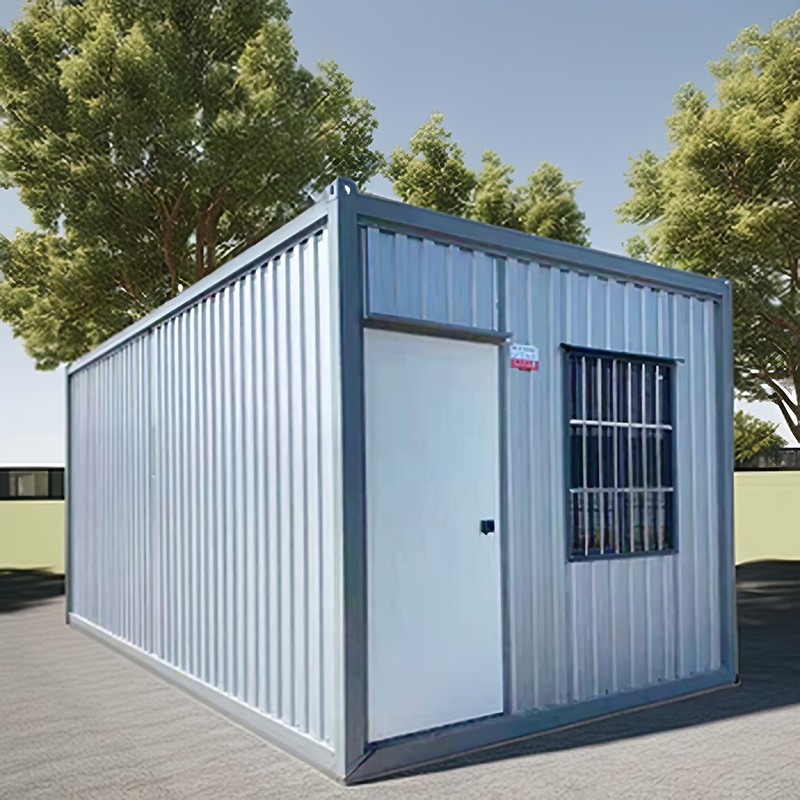
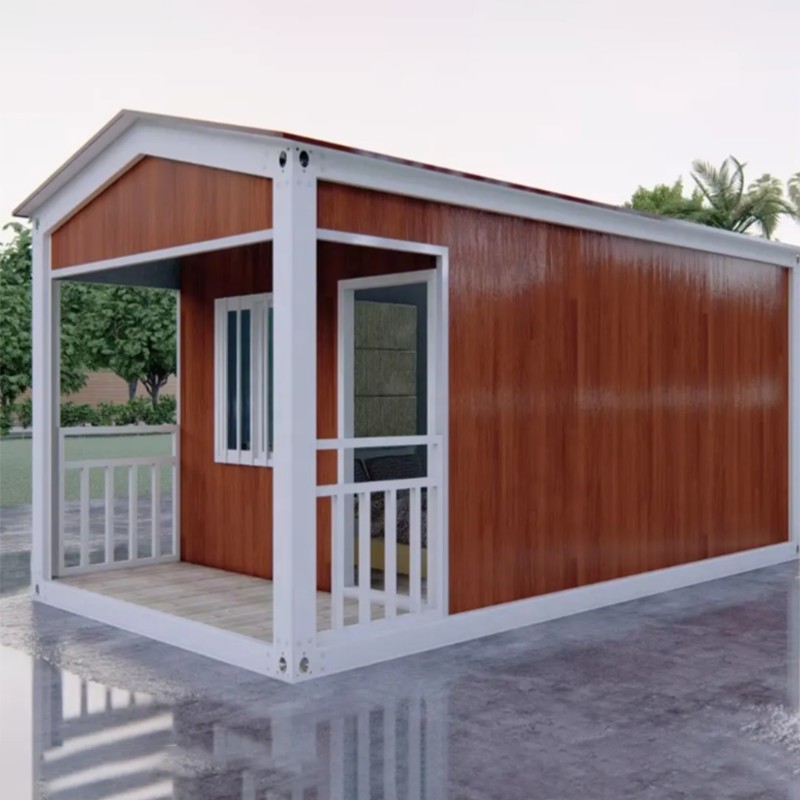
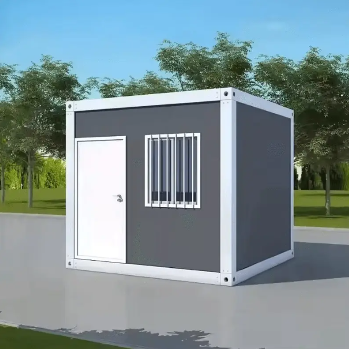
A prefabricated building house is constructed primarily from factory-made components — wall panels, roof trusses, and sometimes entire modules — that are transported to site and assembled, cutting on-site construction time by 30–50% compared to traditional masonry builds. The real differences between prefab options come down to structural system, material choice, and how the design handles insulation, foundations, and local code compliance.
Content
Structural Systems: Modular, Panelized, and Light Steel Frame
Prefab houses generally fall into three structural categories, each with different trade-offs for transport, assembly speed, and design flexibility.
- Modular construction: Full 3D room sections are built and finished in the factory, including wiring and plumbing rough-ins, then craned into place on site. Fastest assembly but limited by transport dimensions.
- Panelized construction: Flat wall, floor, and roof panels are shipped separately and assembled on site. More flexible for unusual layouts and easier to transport in standard containers.
- Light gauge steel frame (LGSF): Pre-cut and pre-drilled steel members are bolted or screwed together on site. Lightweight, resistant to termites and warping, and well suited to seismic zones.
Light steel frame systems are increasingly preferred in regions with high humidity or pest pressure, since steel doesn't rot, warp, or attract termites the way timber framing can over a building's lifespan.
Wall and Roof Panel Materials Determine Insulation Performance
The insulation value of a prefab house lives almost entirely in its panel construction. Sandwich panels — typically an EPS, XPS, rock wool, or polyurethane (PU) core between two steel or fiber-cement facings — are the most common choice because they combine structural rigidity with thermal performance in a single component.
| Core Material | Thermal Conductivity (W/m·K) | Best Suited For |
|---|---|---|
| EPS (expanded polystyrene) | ~0.035–0.040 | Budget housing, mild climates |
| PU / PIR foam | ~0.022–0.028 | Cold climates, energy-efficient builds |
| Rock wool / mineral wool | ~0.035–0.045 | Fire-rated walls, acoustic insulation |
Panel thickness also matters as much as core material — a 50mm EPS panel and a 100mm EPS panel can differ in insulation performance by nearly double, so specifying thickness alongside material type is essential when comparing quotes.
Foundation Choice Affects Both Cost and Permanence Classification
How a prefab house is anchored to the ground often determines whether local authorities classify it as permanent construction, a temporary structure, or a relocatable building — which in turn affects permitting requirements.
- Concrete slab foundation: Most common for permanent residences; provides the best stability and is required in most jurisdictions for long-term occupancy.
- Pier and beam (screw piles or concrete piers): Faster to install, allows for sloped or uneven sites, and is reversible — popular for sites where soil disturbance must be minimized.
- Steel chassis with skids or wheels: Used for relocatable units; classified differently under building codes and often subject to different inspection regimes than fixed structures.
Sites with poor soil bearing capacity or high water tables typically require pier-based foundations even for otherwise "permanent" prefab homes, since slab foundations can crack or settle unevenly under those conditions.
Code Compliance and Certification Vary Significantly by Region
Unlike fully site-built homes, prefab houses are often manufactured to a base specification and then need additional certification to meet local building codes — wind load ratings, seismic design categories, fire resistance ratings, and energy codes can all differ from where the unit was manufactured to where it's installed.
Buyers should confirm whether a unit carries certification relevant to their region — for example, compliance with local wind speed zones (often expressed in km/h or mph design wind speed) for coastal or cyclone-prone areas, or seismic design category ratings for earthquake-prone regions. A unit certified for a temperate, low-wind region may require structural reinforcement — additional bracing, anchor bolts, or roof tie-downs — before it can legally be installed in a high-wind or seismic zone, which can add 10–20% to the base cost if not planned for upfront.