 English
 русский
 Français
 Español
 عربى
عربى

Content
What Are Prefab Homes?
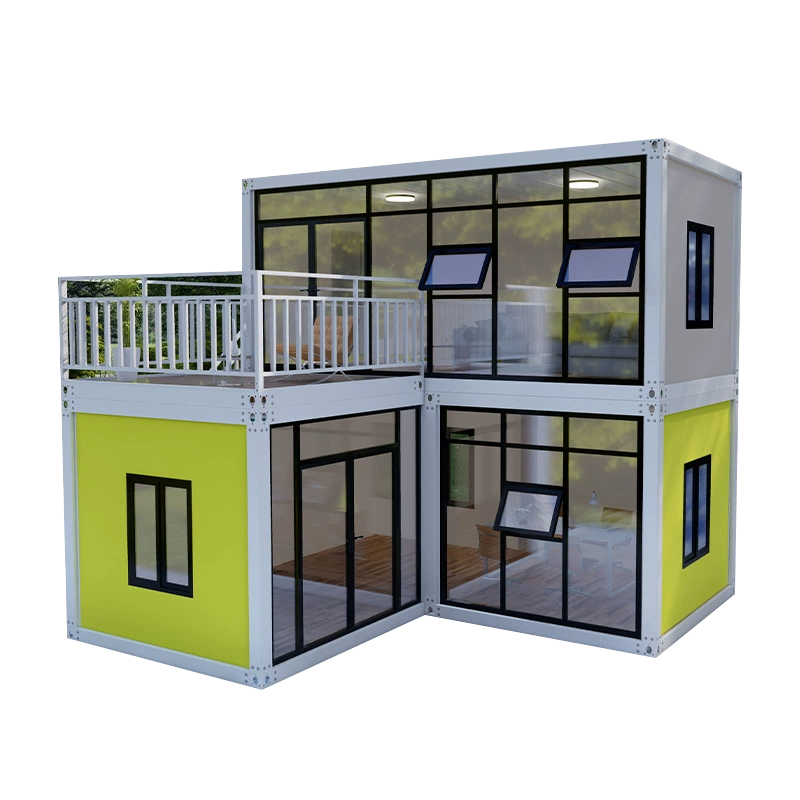
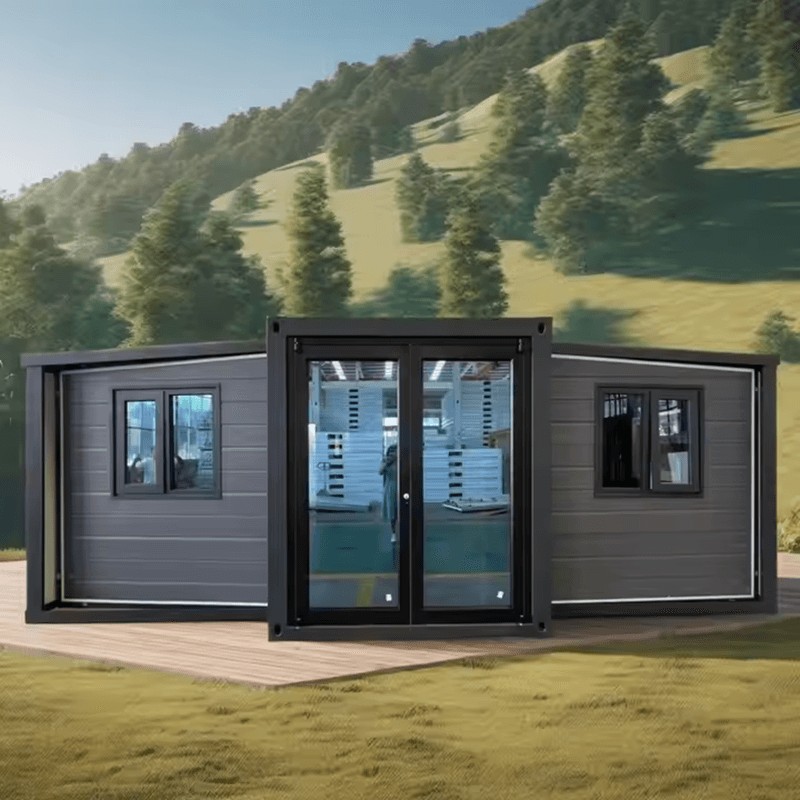
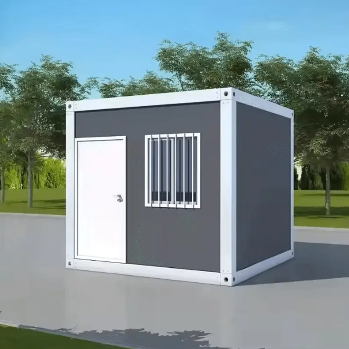
Prefab homes — short for prefabricated homes — are residential structures where major components are manufactured off-site in a controlled factory environment, then transported to a building plot and assembled. Rather than constructing a house entirely on-site from raw materials, prefabricated construction delivers ready-made panels, modules, or entire room sections that are craned into position and connected in a matter of days.
The term covers several distinct building methods — from modular homes (three-dimensional volumetric units stacked and joined on a foundation) to panelized systems (flat wall, floor, and roof panels assembled on-site) — but all share the same defining characteristic: most of the construction work happens in a factory, not on your plot.
Prefab is not a new concept. Factory-built housing has existed since the 19th century, and post-war economies relied heavily on it to address urgent housing shortages. What has changed is the technology: modern prefab homes bear little resemblance to the utilitarian structures of decades past, and today encompass everything from compact prefab small homes to architecturally ambitious multi-storey residences.
Prefab Homes vs Traditional Homes: The Core Differences
Understanding how prefabricated construction differs from conventional site-built housing clarifies where the real advantages — and limitations — lie.
| Factor | Prefab Homes | Traditional Homes |
|---|---|---|
| Build time | Weeks to a few months | 6–18+ months |
| Cost predictability | High (factory-fixed pricing) | Variable (weather, labour delays) |
| Quality control | Consistent, inspected environment | Varies by contractor and conditions |
| Design flexibility | Growing but still catalog-driven | Fully bespoke |
| Waste generation | Significantly lower | Higher |
| Site disruption | Minimal (short assembly window) | Extended, weather-dependent |
| Financing | Fewer lender options | Widely supported |
In practice, the gap between the two methods continues to narrow. High-end prefab house design now rivals bespoke architecture in ambition, and many buyers find the speed and cost predictability of prefab more compelling than the theoretical flexibility of traditional construction.
Pros of Prefab Homes
Faster Construction Timeline
Because factory production and site preparation happen simultaneously, prefab construction dramatically compresses the build schedule. A modular home that would take 12 months to build on-site can often be assembled in 10–16 weeks from foundation to handover. This speed reduces carrying costs — mortgage payments, rental costs during the build — that accumulate during a traditional construction timeline.
More Predictable Costs
Factory pricing locks in material and labour costs at the point of order. Traditional builds are susceptible to material price spikes, contractor overruns, and weather-related delays — all of which push budgets upward. Prefab budgets are not immune to site-specific costs (foundation work, utility connections, land preparation), but the structural component of the build carries far less financial uncertainty.
Consistent Build Quality
Factory construction takes place in a dry, controlled environment using precision tooling and standardized processes. Components are inspected at multiple production stages before leaving the facility. On a traditional site, work proceeds in variable weather conditions with teams whose quality can fluctuate — a risk that factory production largely eliminates.
Lower Environmental Impact
Prefabricated construction generates substantially less waste than site-built alternatives. Manufacturers cut materials to precise dimensions using the same templates repeatedly, minimizing offcuts and spoilage. Studies have found that factory construction can reduce on-site waste by 50–90% compared with conventional building methods, an increasingly important consideration as sustainability requirements tighten.
Energy Efficiency
Prefabricated exterior walls and roof panels are typically assembled with tight tolerances that reduce thermal bridging and air infiltration. Many modern prefab homes achieve energy performance ratings significantly above the minimum building code requirements, lowering heating and cooling bills over the structure's lifetime.
Cons and Problems with Prefab Homes
Land and Site Costs Are Still Significant
One of the most common misconceptions about prefab is that the advertised home price represents the total cost of homeownership. It does not. Land acquisition, site preparation, foundation work, utility connections, and local authority fees can equal or exceed the cost of the prefab structure itself — particularly in high-demand urban and suburban areas.
Limited Design Customization
Most prefab manufacturers offer a catalog of pre-designed floor plans with a finite range of configuration options. While bespoke prefab design is possible — and increasingly common at the high end of the market — it commands a premium that can erode the cost advantage over traditional construction. Buyers seeking genuinely unusual architectural forms may find prefab systems constraining.
Transport and Access Constraints
Modular home sections are large, heavy loads that require wide-load transport permits and unobstructed road access to the site. Rural plots with narrow lanes, low bridges, or tight turns can make delivery of factory-built modules difficult or impossible without expensive routing solutions. Panelized systems — which are assembled from flat panels rather than volumetric modules — mitigate this constraint but require more on-site labour.
Financing Challenges
Traditional mortgage products are designed around site-built construction. Some lenders are unfamiliar with prefab builds, and others apply stricter lending criteria or higher interest rates to prefabricated structures. This is improving as prefab becomes more mainstream, but buyers should research financing options early and confirm lender appetite before committing to a manufacturer.
Perceived Resale Value
In some markets, prefab homes have historically attracted lower resale valuations than comparable site-built properties. This perception is shifting — particularly for architecturally designed prefab homes with strong energy performance credentials — but it remains a factor in certain regions and for certain buyer demographics.
How Much Do Prefab Homes Cost?
Prefab homes cost varies widely depending on the construction system, specification level, and geography. As a general guide for the US market:
- Entry-level modular homes: $80–$130 per sq ft for the structure only (excluding land, foundation, and site work).
- Mid-range prefab homes: $130–$200 per sq ft, including a higher specification finish and some customization.
- High-end / architectural prefab: $200–$400+ per sq ft for bespoke design, premium materials, and Passive House or net-zero energy performance.
For context, a 2 bed 2 bath prefab home at mid-range specification typically falls in the 900–1,200 sq ft range, putting the structural cost at roughly $120,000–$240,000 before site costs. Add foundation work ($15,000–$50,000+), utility connections, and land, and the all-in cost rises substantially.
The cost of prefab walls — as standalone panelized components — ranges from approximately $20 to $65 per sq ft of wall area depending on insulation specification, structural rating, and whether windows and doors are pre-installed. Structural insulated panels (SIPs) sit at the higher end of this range but deliver superior thermal performance that reduces long-term energy costs.
Prefab Small Homes and Single-Story Designs
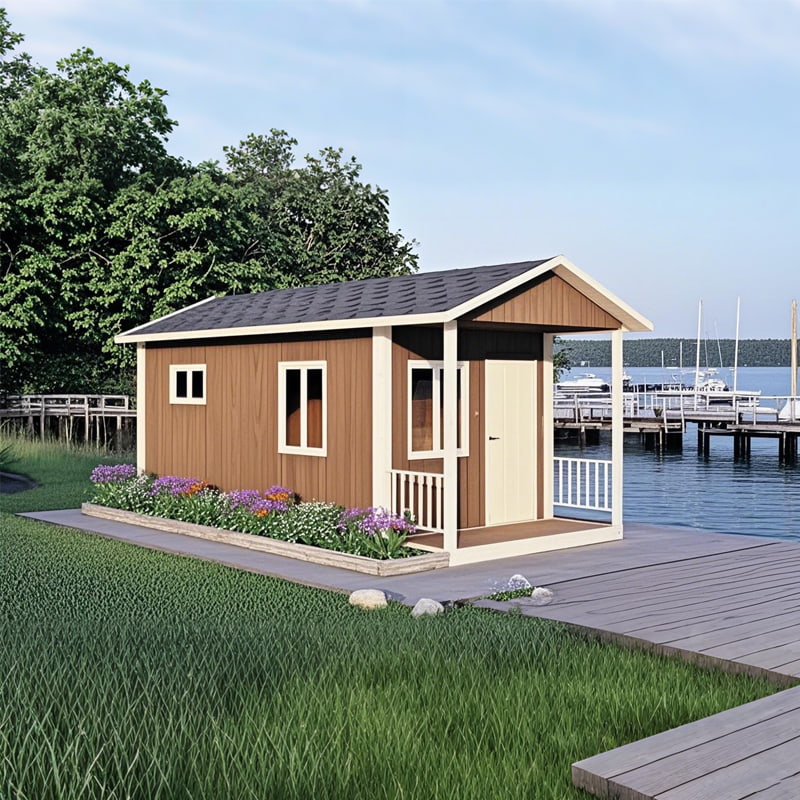
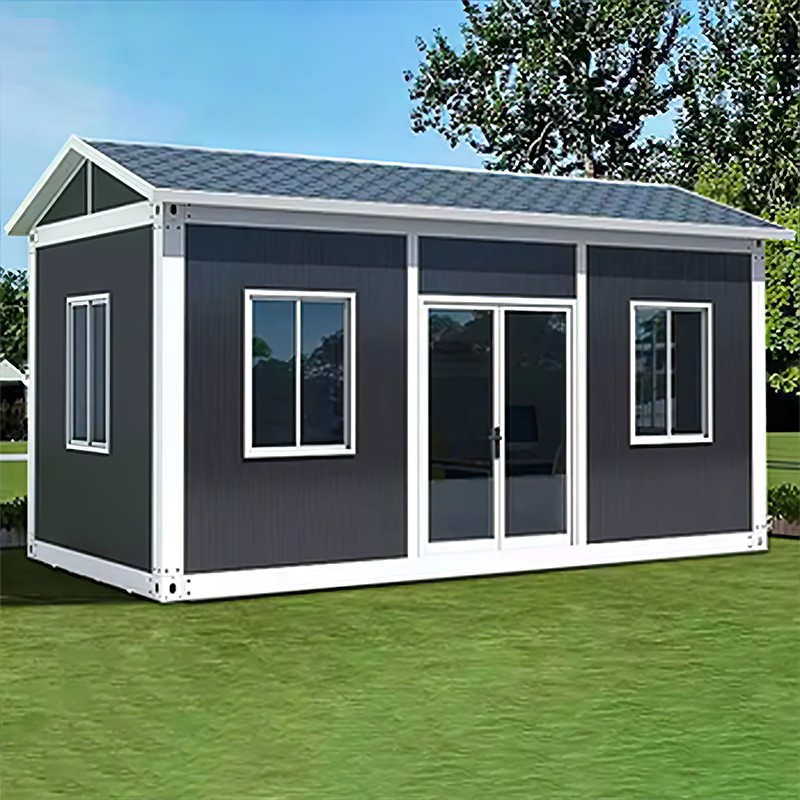
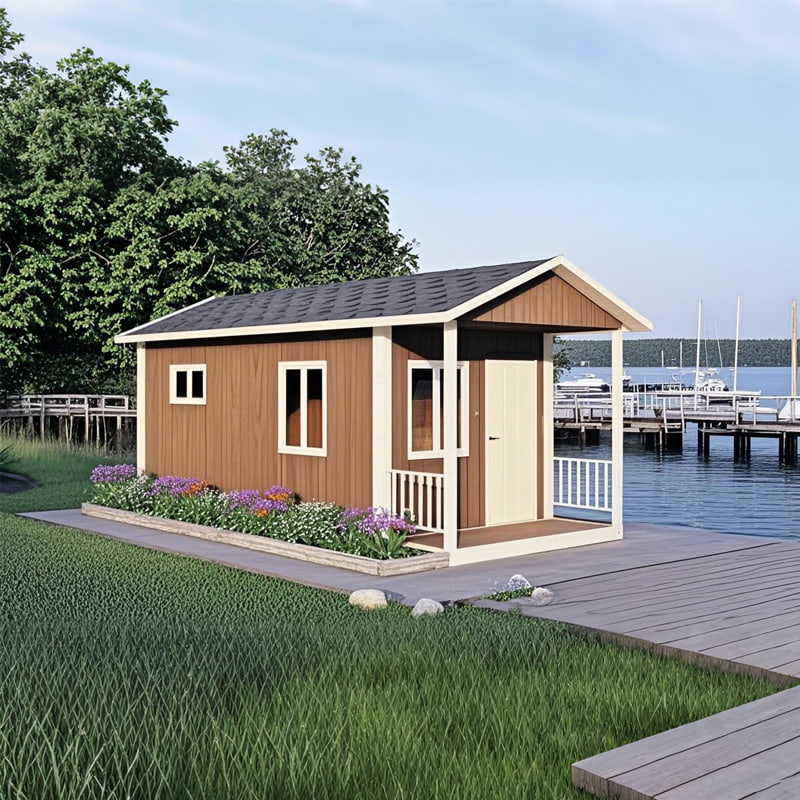
The strongest growth segment in the prefab market is compact housing. Prefab small homes — typically under 1,000 sq ft — address the intersection of housing affordability, minimal land requirements, and demand for downsizing among older homeowners. Prefab single-story homes are particularly popular in this category, offering step-free living that suits aging-in-place and accessible design requirements.
Single-story prefab designs benefit especially from the efficiency advantages of factory construction: a simple rectangular or L-shaped footprint is ideally suited to panelized or modular production, keeping per-square-foot costs lower than multi-storey configurations. Many manufacturers now offer dedicated compact ranges with floor plans starting from as little as 400 sq ft, suitable for primary residences, accessory dwelling units (ADUs), or holiday homes.
Prefabricated small homes also integrate well with off-grid infrastructure — solar panels, rainwater harvesting, composting systems — making them a practical choice for rural plots without mains utility access.
Is a Prefab Home Right for You?
Prefab homes make the most sense when speed, budget certainty, and energy performance are priorities — and when the site is accessible, the land is already owned or budgeted for, and at least one local lender is comfortable with factory-built construction.
They are less well-suited to buyers who need highly unconventional architecture, have site access constraints that complicate module delivery, or are in markets where prefab carries a meaningful resale discount.
The most important step before committing to any prefab manufacturer is developing a realistic all-in budget — structure, site preparation, foundation, connections, and contingency — and verifying that financing is available for the specific build method. With those foundations in place, prefabricated construction offers a genuinely compelling alternative to the uncertainty, delay, and waste of conventional site building.