 English
 русский
 Français
 Español
 عربى
عربى

Introduction: The container cafe is a modular prefabricated building product launched by Suzhou Shengshan Prefabricated Housing Manufacturing Co., Ltd. for the catering and commercial sector. It serves as a fast-deployable and flexible space solution for commercial street catering (milk tea, coffee, snacks). Characterized by factory prefabrication and overall hoisting, the product features a stable structure, waterproof durability, and can help project operators shorten construction cycles and control overall investment to a certain extent.
Content
- 1 Product Overview
- 2 Core Specifications & Features
- 3 Needs & Pain Points in Commercial Street Catering (Milk Tea / Coffee / Snacks)
- 4 Container Cafe Solution Design
- 5 On-Site Implementation & Case Reference
- 6 Selection & Adaptation Advice
- 7 Frequently Asked Questions (FAQ)
- 7.0.1 Q Are container cafes suitable for commercial street catering (milk tea / coffee / snacks) scenarios?
- 7.0.2 Q How long is the delivery cycle for a commercial street catering (milk tea / coffee / snacks) project?
- 7.0.3 Q How do container cafes ensure waterproofing, thermal insulation, and safety in commercial street catering scenarios?
- 7.0.4 Q Can the exterior and interior of commercial street catering projects be customized?
- 7.0.5 Q How are transportation and installation handled for commercial street catering projects?
- 7.1 Suzhou Shengshan Prefabricated Housing Manufacturing Co., Ltd.
Product Overview
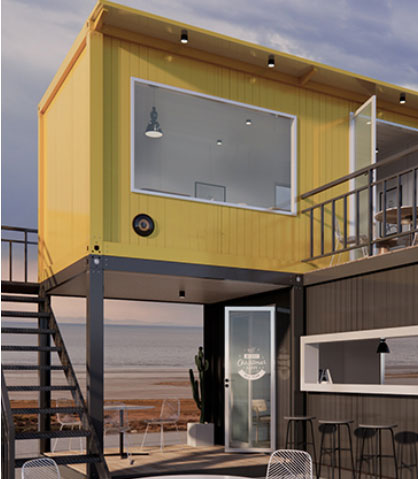
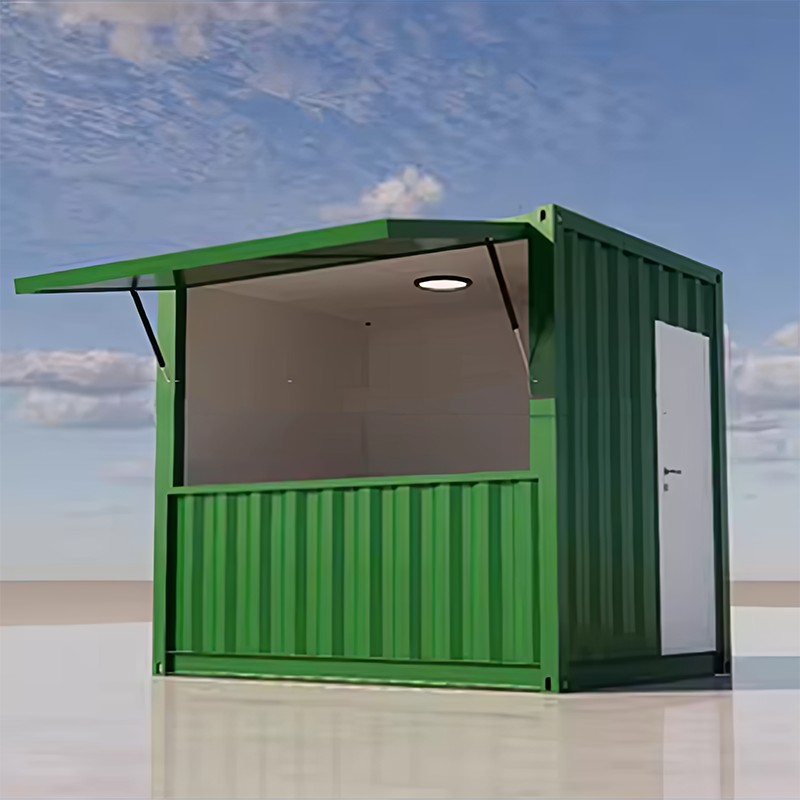
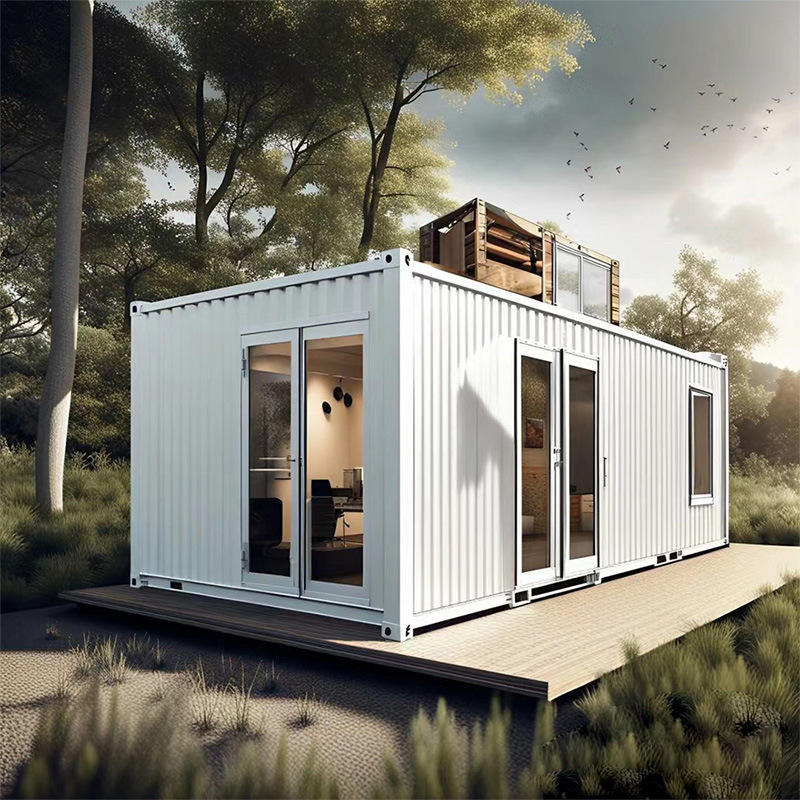
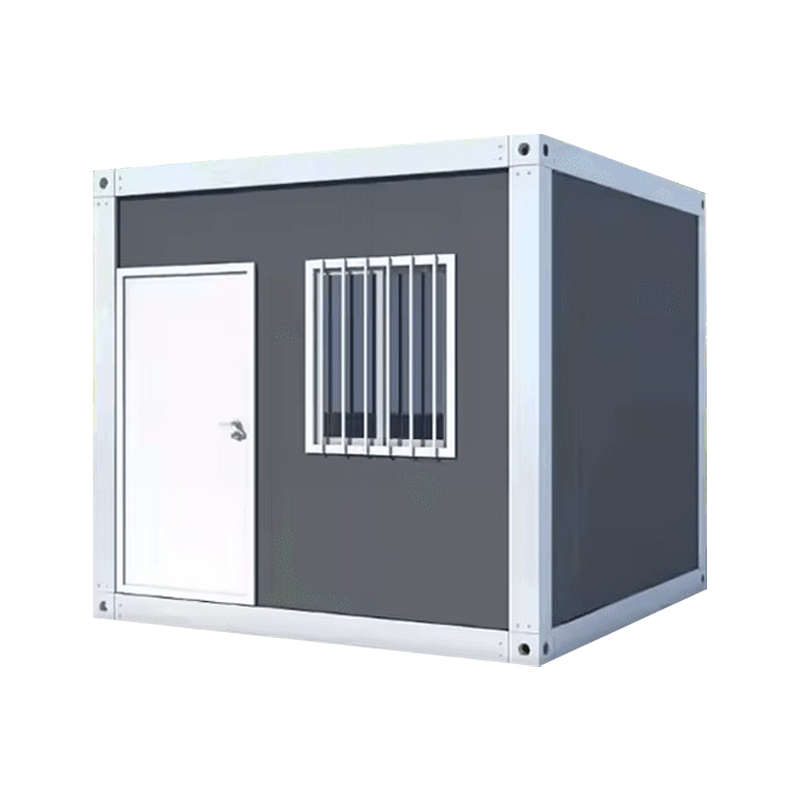
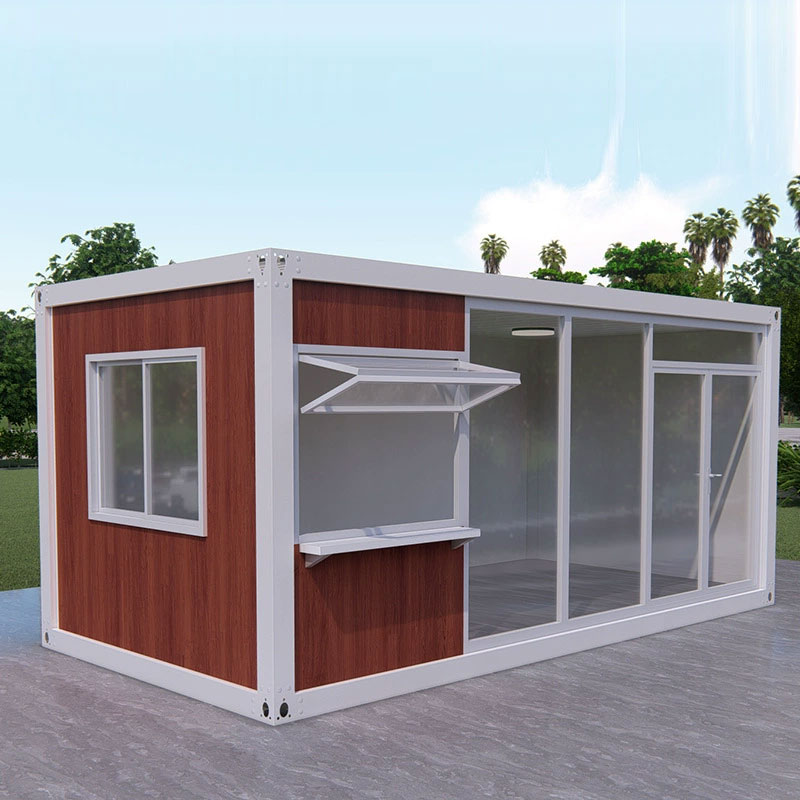
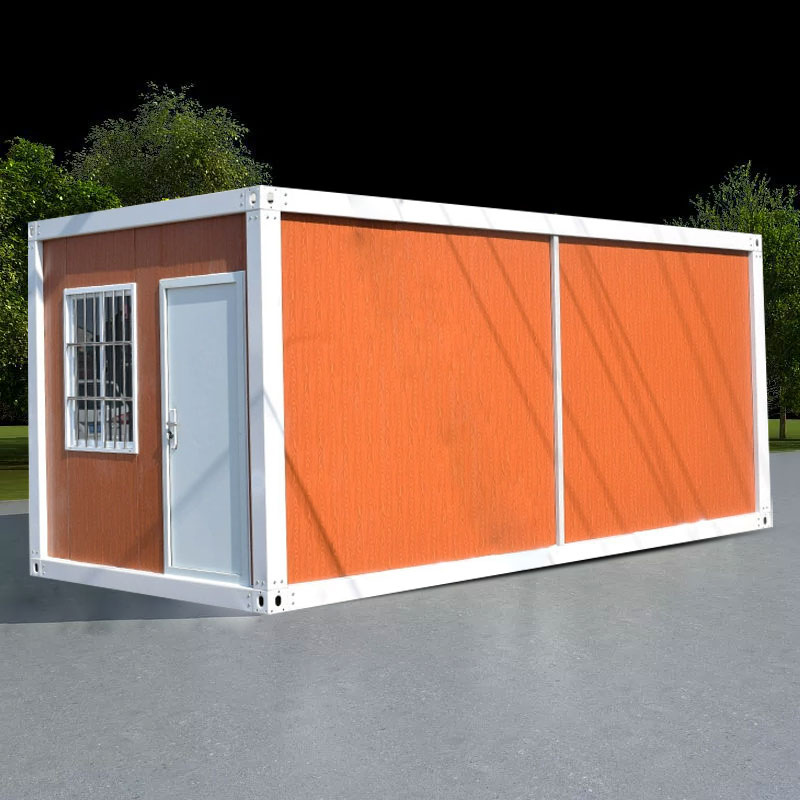
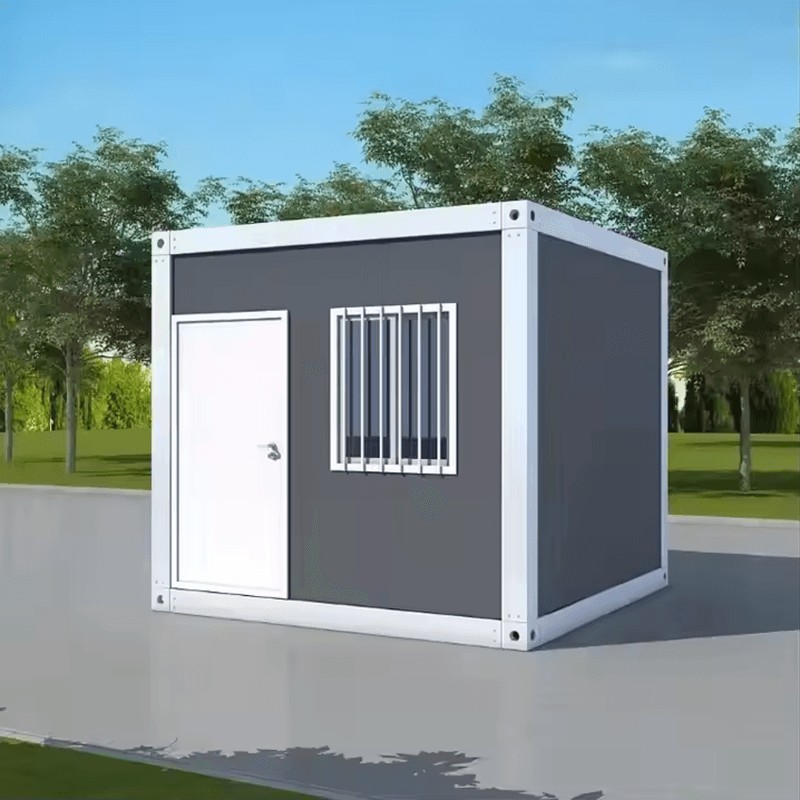
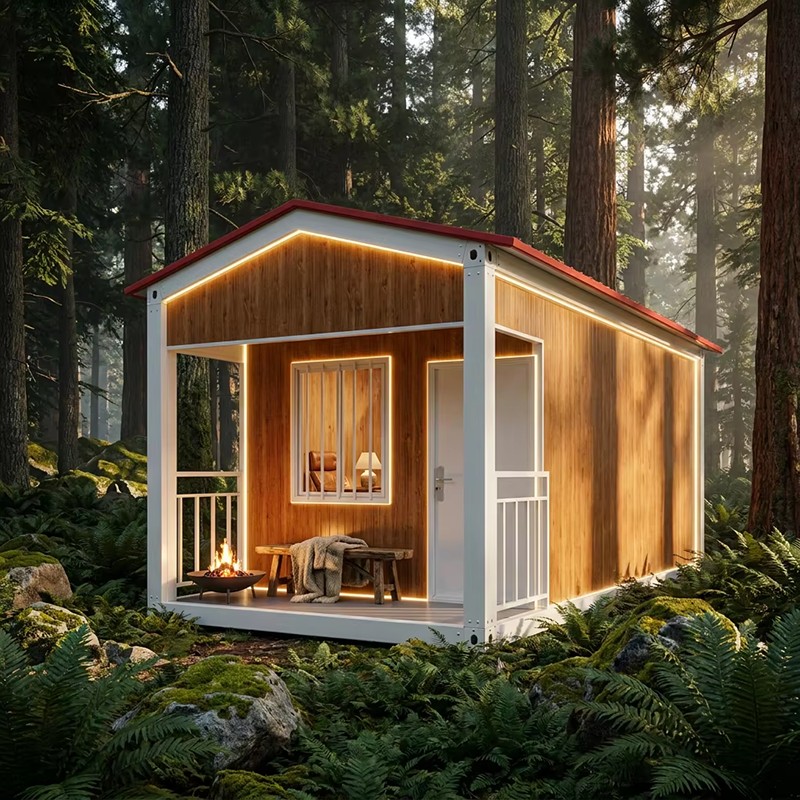
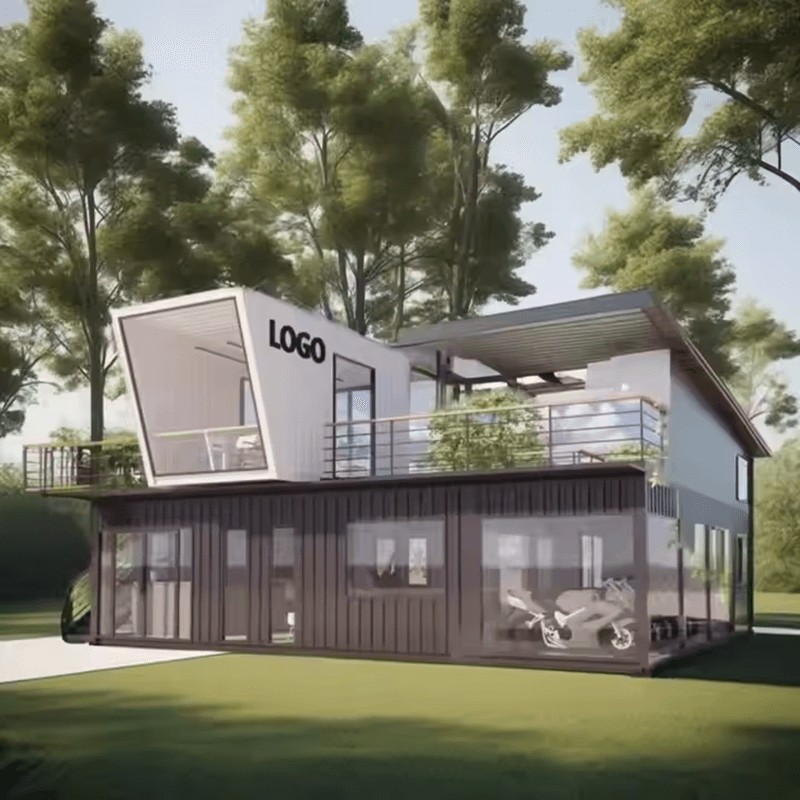
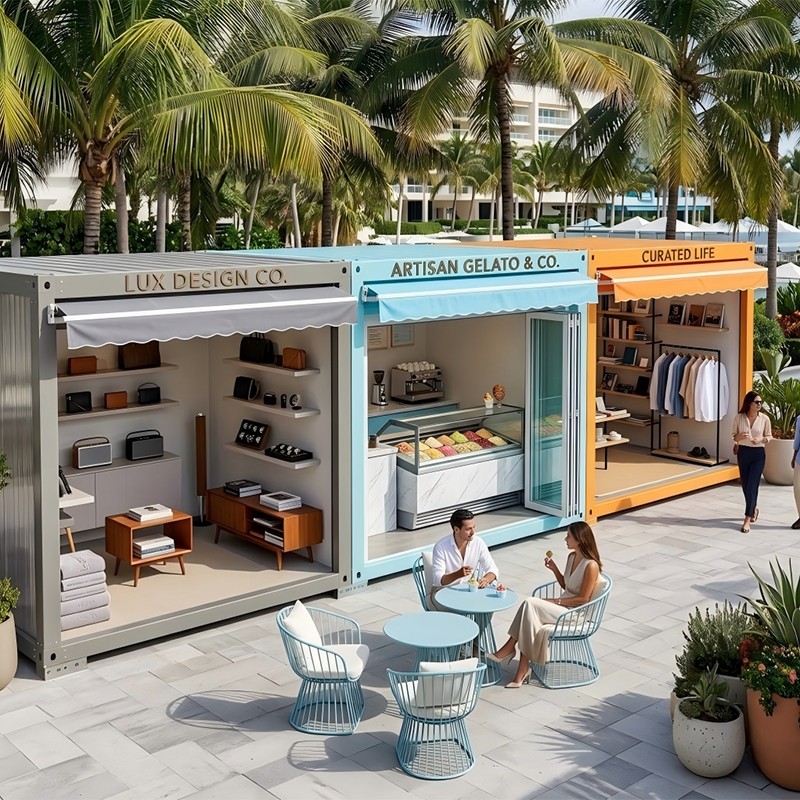
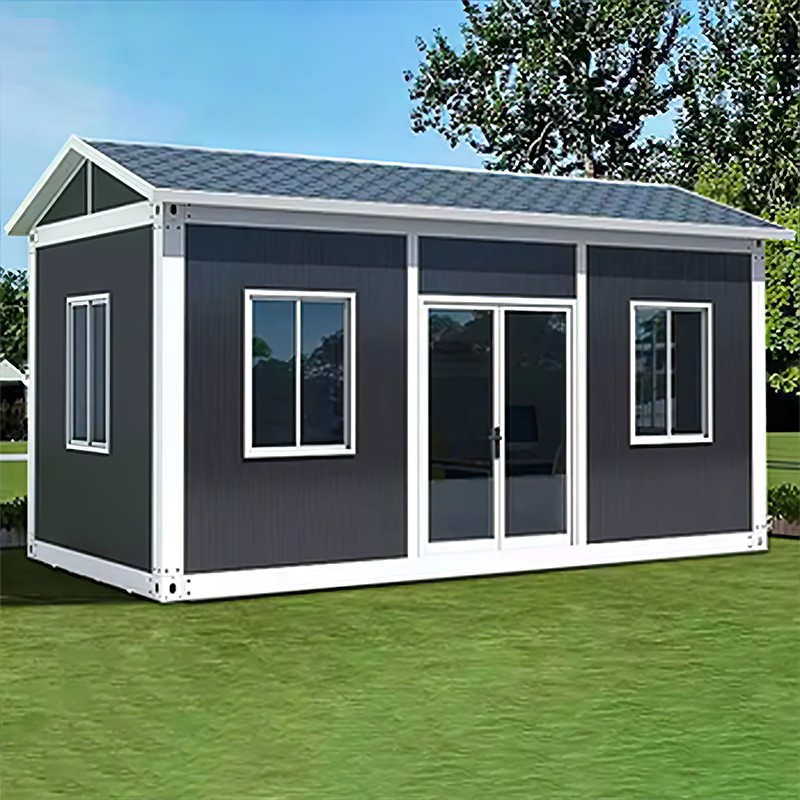
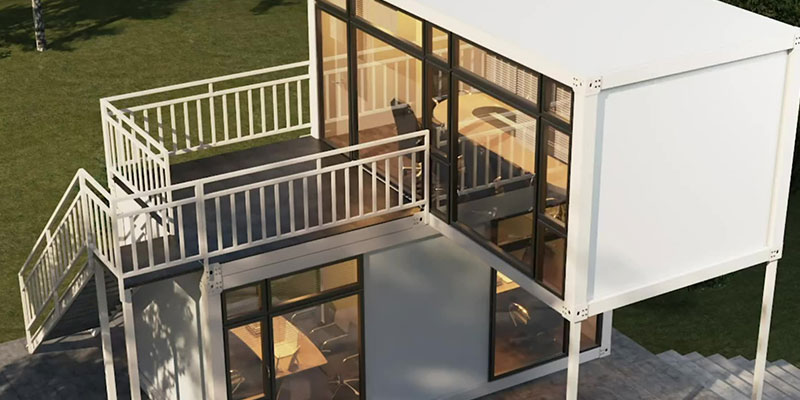
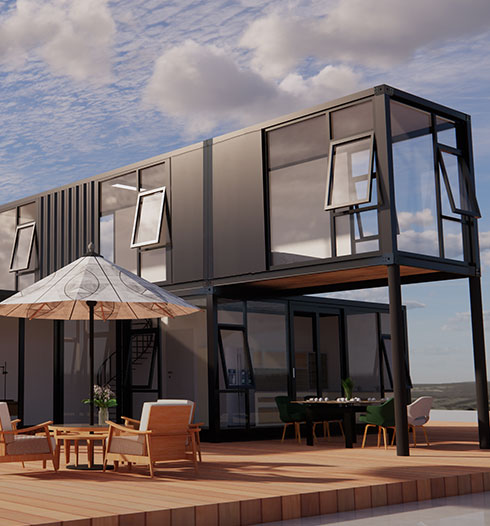
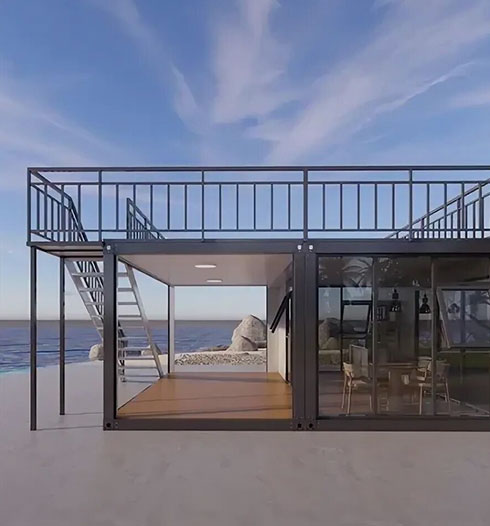
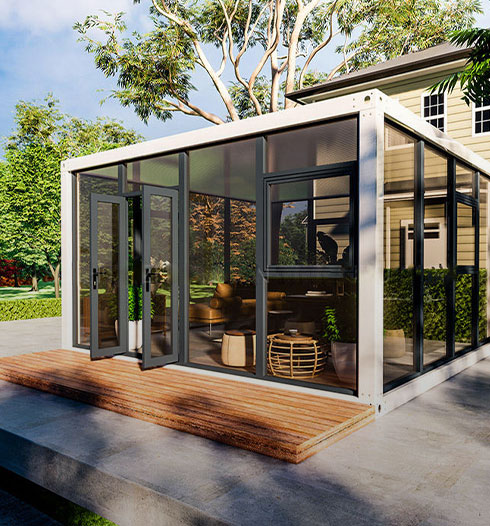
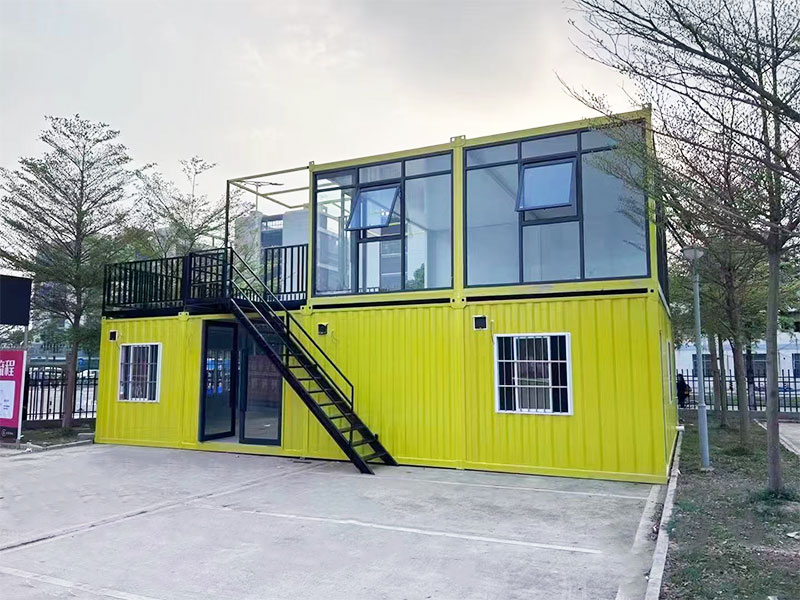
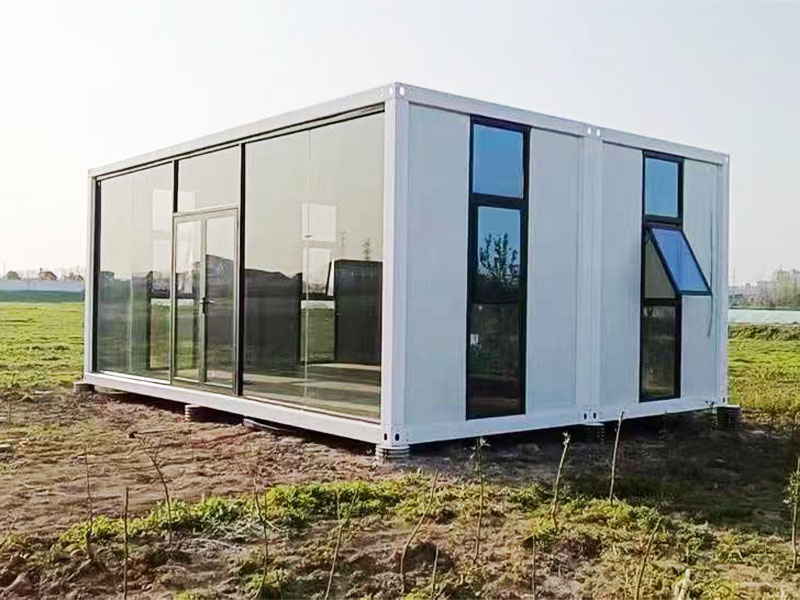
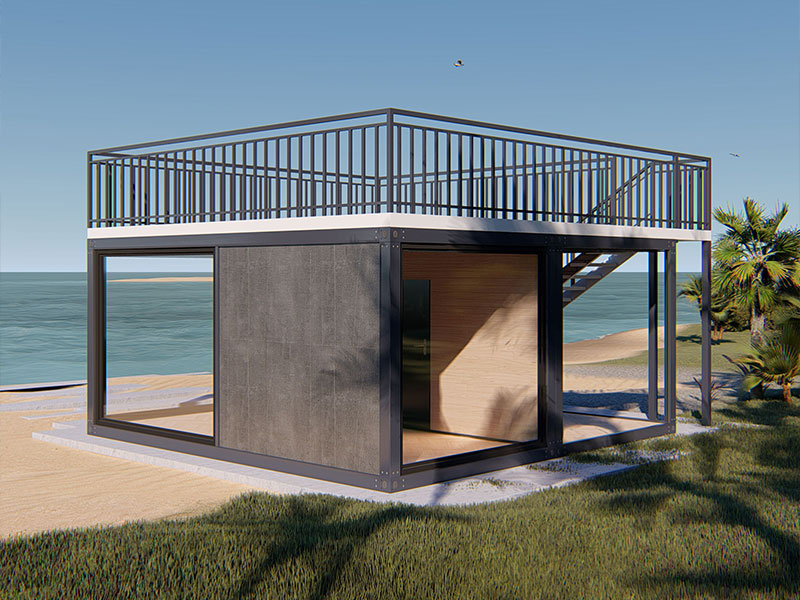
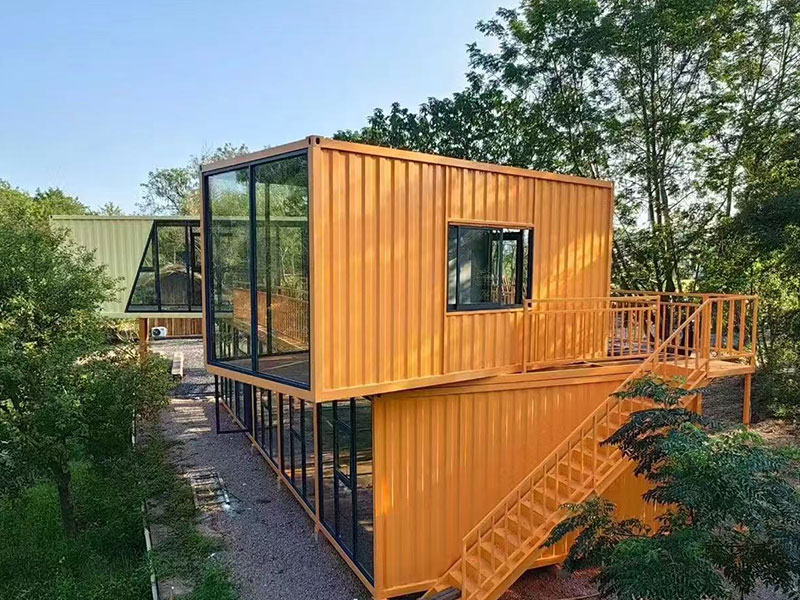
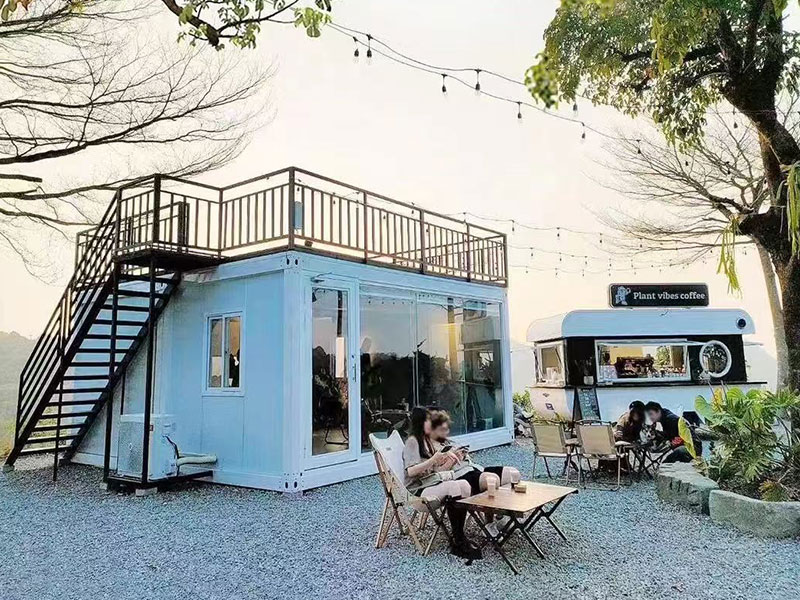
Shengshan container cafes build featured catering spaces using standard container modules, making them suitable for scenic spots, commercial streets, campuses, campsites, and other scenarios. They can be customized with floor-to-ceiling windows, outdoor seating extensions, and industrial/viral aesthetic exteriors to rapidly form popular photo-worthy spots with flexible operation and controllable investment.
Core Specifications & Features
| Standard Specifications | Standard container body, expandable with outdoor seating space |
|---|---|
| Reference Price | Quoted based on custom drawings/plans |
| Main Structure | All-steel frame / Galvanized steel frame, offering high load-bearing capacity, wind resistance, and seismic performance |
| Surface & Crafts | Sealed waterproof, weather-resistant, and anti-corrosion; thermal insulation layer can be added internally |
| Applicable Standards | Can refer to international standard container dimensions for convenient transport and export |
| Optional Configuration | Doors, windows, electrical circuits, lighting, air conditioner interfaces, bathroom units, etc., configurable on demand |
Product Features & Advantages
Distinctive Exterior
Featured appearance that easily creates popular check-in destinations for customers.
Flexible Layout
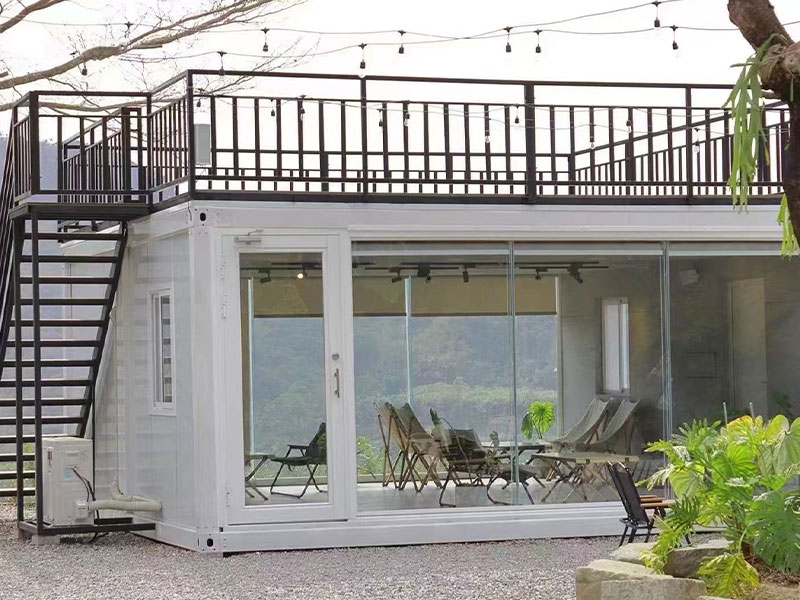
Can be fitted with French windows and outdoor seating extensions to maximize space.
Fast Deployment
Enables rapid implementation and flexible business operations with lower trial costs.
Operational Convenience
Pre-installed plumbing and electrical interfaces ensure smooth and effortless daily operation.
Needs & Pain Points in Commercial Street Catering (Milk Tea / Coffee / Snacks)
- Catering entrepreneurship usually involves long decoration cycles and heavy capital expenditure.
- Emerging brands urgently require low trial-and-error costs to validate operational concepts.
- Distinctive storefronts and eye-catching aesthetics are essential to attract customer foot traffic.
Container Cafe Solution Design
For commercial street catering (milk tea/coffee/snacks): Container restaurants/cafes/shops can be implemented rapidly, significantly lowering upfront investment.
For commercial street catering (milk tea/coffee/snacks): Exterior styling can be customized with industrial or viral trending aesthetics.
For commercial street catering (milk tea/coffee/snacks): Internal spaces reserve interfaces for smoke exhaust, plumbing, electrical power, and dining seating.
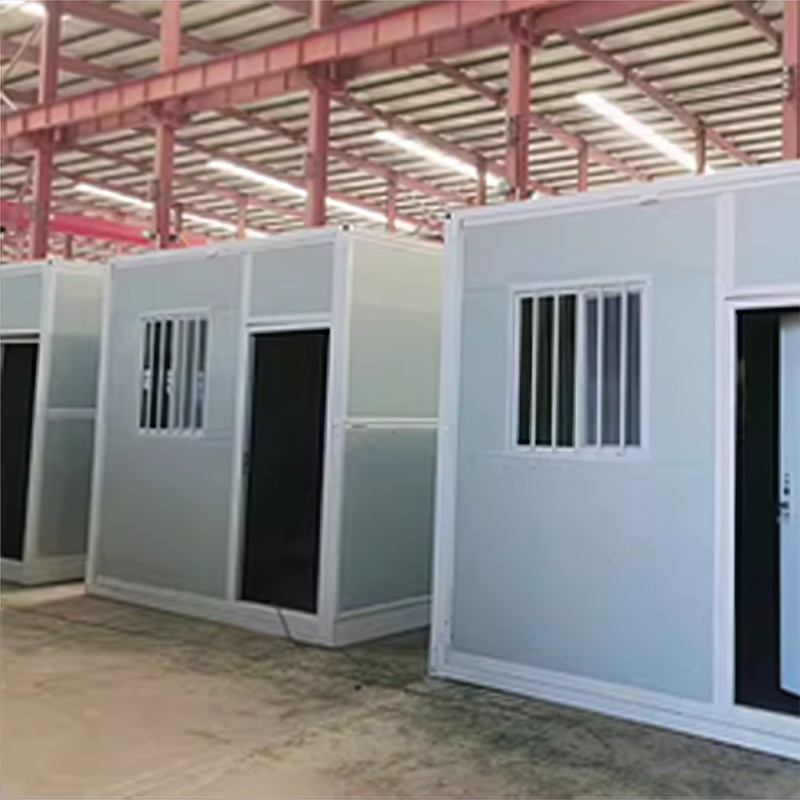
Leveraging the modular characteristics of container cafes, main prefabrication is completed inside the factory, while site installation is completed via hoisting or rapid assembly, drastically minimizing civil construction and neighborhood disturbance.
On-Site Implementation & Case Reference
Typical Implementation Steps
Step 1 Requirement Confirmation & Solution Design → Step 2 Factory Prefabrication & Quality Inspection → Step 3 Site Transportation → Step 4 Overall Hoisting / Rapid Assembly → Step 5 Utility Connection & Operational Launch
A certain commercial district introduced milk tea and light meal shops using container units, achieving an opening cycle significantly shorter than that of traditional brick-and-mortar storefronts.
Selection & Adaptation Advice
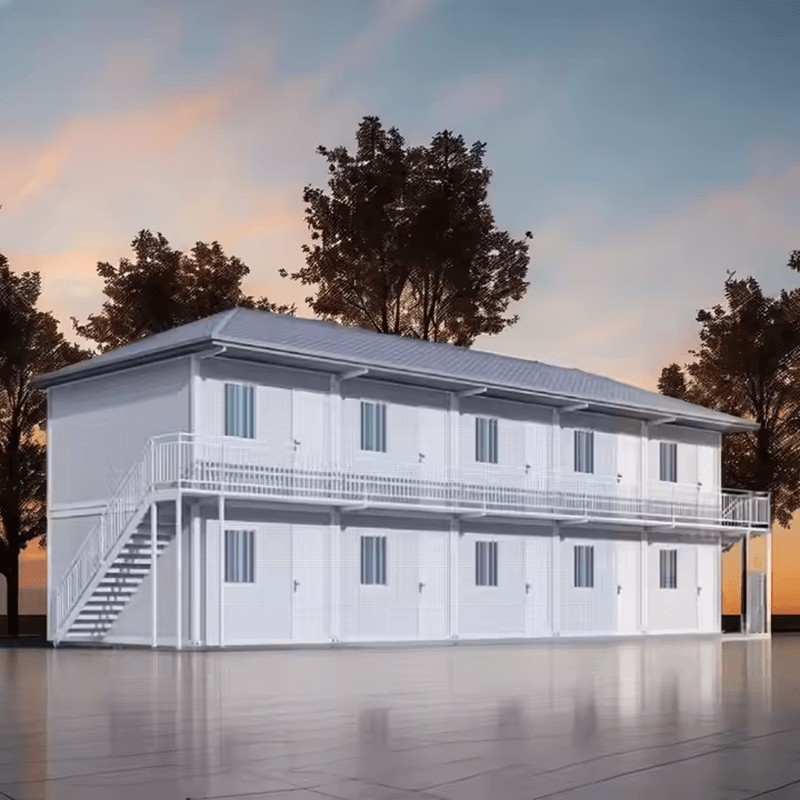
- If accommodation is the primary function, it is recommended to prioritize evaluating thermal insulation, soundproofing, and bed layouts; if commercial/office functions are primary, focus on exterior customization and electrical interfaces.
- For bulk deployment, multi-story stacking and joining can be considered to maximize land utilization and transport efficiency.
- For export or overseas scenarios, it is recommended to confirm dimensions, documentations, and customs clearance requirements in advance, leveraging the manufacturer's one-stop foreign trade services to mitigate risks.
Frequently Asked Questions (FAQ)
Q Are container cafes suitable for commercial street catering (milk tea / coffee / snacks) scenarios?
A: From a product feature perspective, container cafes feature factory prefabrication, overall hoisting, and structural stability, perfectly fulfilling the demands of commercial street catering (milk tea, coffee, snacks) for fast deployment and flexible layout. Whether it is suitable for a specific site should be further confirmed by evaluating field conditions, scale, and compliance regulations.
Q How long is the delivery cycle for a commercial street catering (milk tea / coffee / snacks) project?
A: Because container cafes rely on factory prefabrication with site work limited mainly to hoisting and utility connections, the overall delivery cycle is highly controllable. Actual schedules depend on customization complexity, batch quantity, and transport distance; schedule confirmation with the manufacturer prior to ordering is recommended.
Q How do container cafes ensure waterproofing, thermal insulation, and safety in commercial street catering scenarios?
A: Products utilize all-steel structural frames and sealed waterproof craftsmanship. Insulation layers, doors, windows, and electrical circuits can be configured internally as needed. Excellent wind resistance, seismic resilience, and weather durability allow them to adapt well to long-term or seasonal operational environments.
Q Can the exterior and interior of commercial street catering projects be customized?
A: Yes. Container cafes support customization of exterior styles, interior layouts, and equipment interfaces (such as air conditioning, bathrooms, and smoke exhaust) based on the scene, perfectly matching practical usage and brand image needs.
Q How are transportation and installation handled for commercial street catering projects?
A: Products mostly conform to international standard container dimensions or modular components, making land and sea transport convenient; on-site work primarily involves overall hoisting or rapid assembly, ready to use once utilities are connected, making transport and installation relatively simple.