 English
 русский
 Français
 Español
 عربى

Multi-story camp container housing has become a practical answer for construction sites, mining camps, worker dormitories, and emergency settlements. Stacking modules on two or three levels saves land and centralizes utilities, but it also changes the fire risk picture. A fire that might remain manageable in a single-story unit can turn into a vertical disaster in a multi-story layout. That is why fireproof rock wool sandwich panels are mandatory for multi-story camp container housing, not an optional material upgrade.
Content
- 1 Why Multi-Story Camp Housing Demands a Higher Fire Standard
- 2 What Makes Fireproof Rock Wool Sandwich Panels Different?
- 3 How Rock Wool Panels Prevent Fire and Smoke From Spreading Between Floors
- 4 Rock Wool vs EPS vs Polyurethane: Core Material Comparison
- 5 Protecting the Steel Structure Behind the Panel
- 6 Compliance, Codes, and the Mandatory Question
- 7 Does Fireproofing Conflict With Budget and Build Speed?
- 8 Frequently Asked Questions
Why Multi-Story Camp Housing Demands a Higher Fire Standard
In a single-story camp, occupants can exit within seconds, and fire spread is limited to adjacent units. In a two-story or three-story container building, escape routes become longer, stairways concentrate movement, and a fire in a lower unit can quickly involve the floor deck and wall cavities above. Camp environments often sit far from municipal fire brigades, which makes prevention and containment even more critical.
The building envelope plays a decisive role. Sandwich panels with organic foam cores, such as EPS or polyurethane, can ignite, melt, and release thick smoke when exposed to flame. In a stacked building, that behavior transforms a small electrical fault into a fast-moving vertical threat. Fireproof rock wool panels are mandatory because they remove the combustible core from the wall, roof, and floor system entirely.
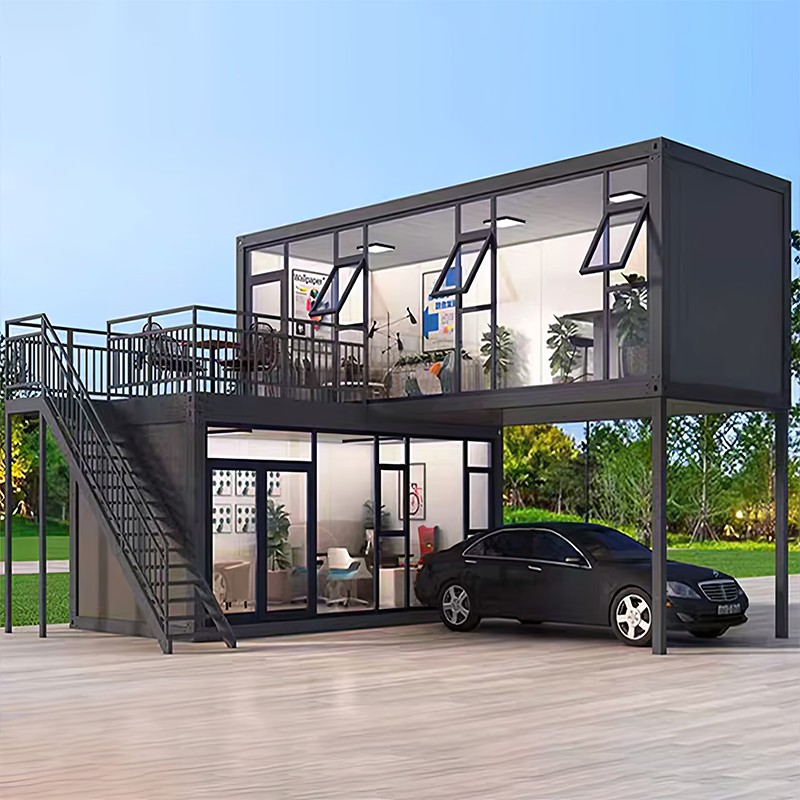
Whether it is a large dormitory block or a combined living and office module, any vertically stacked camp building must treat fire containment as a primary design driver.
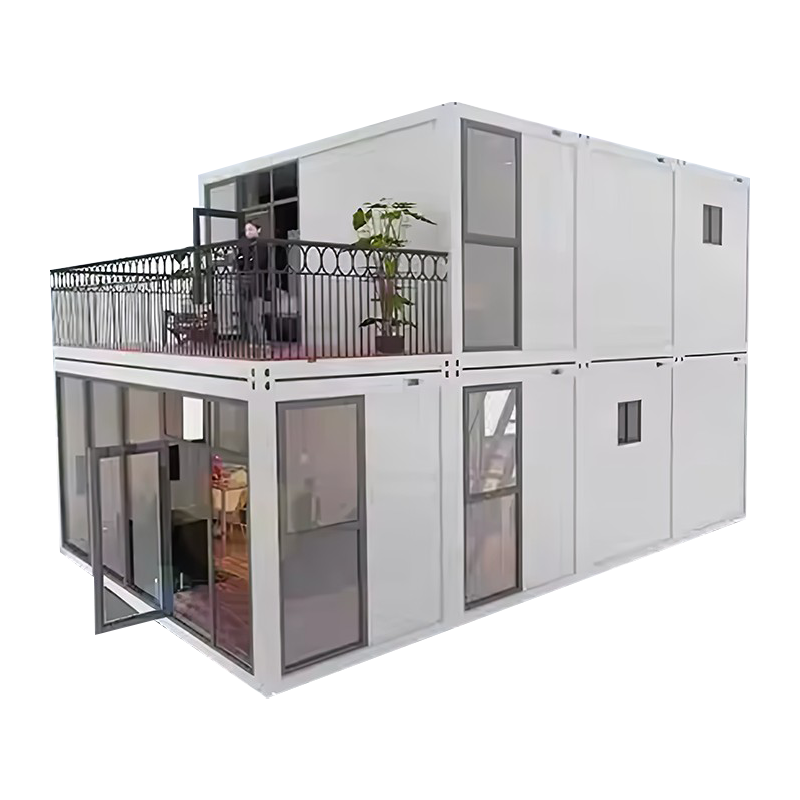
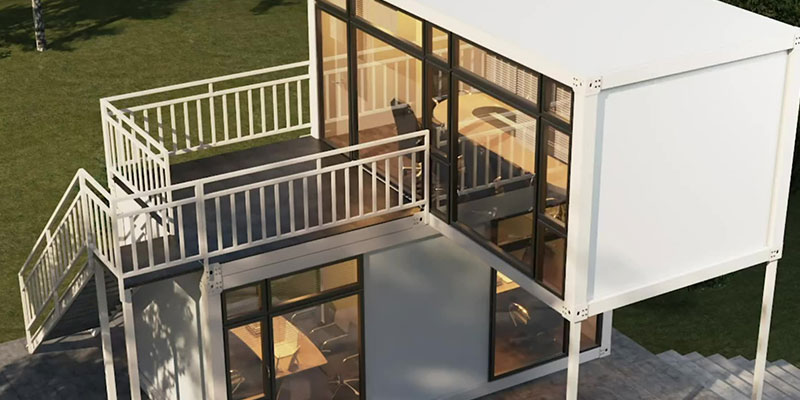
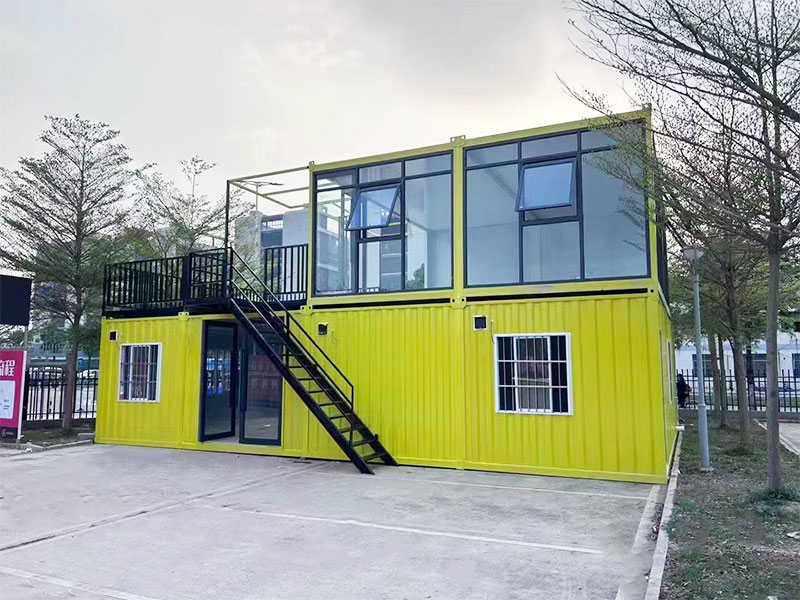
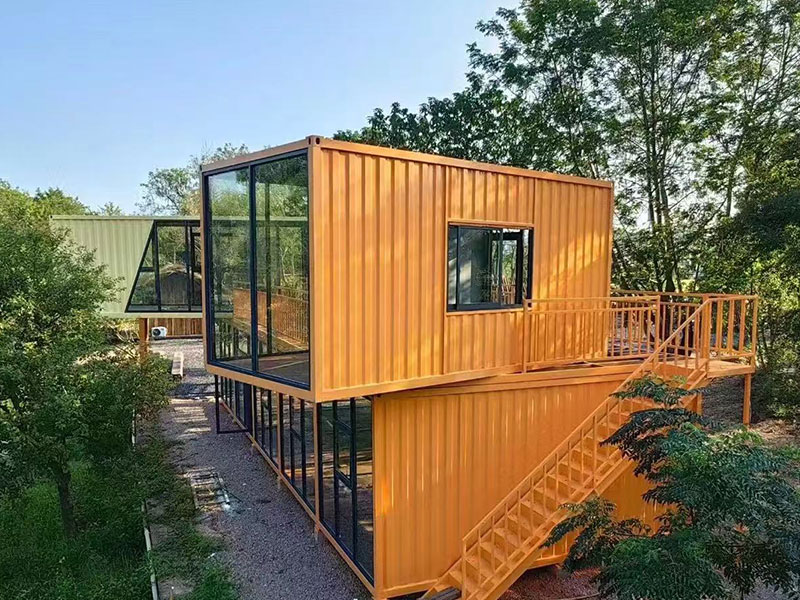
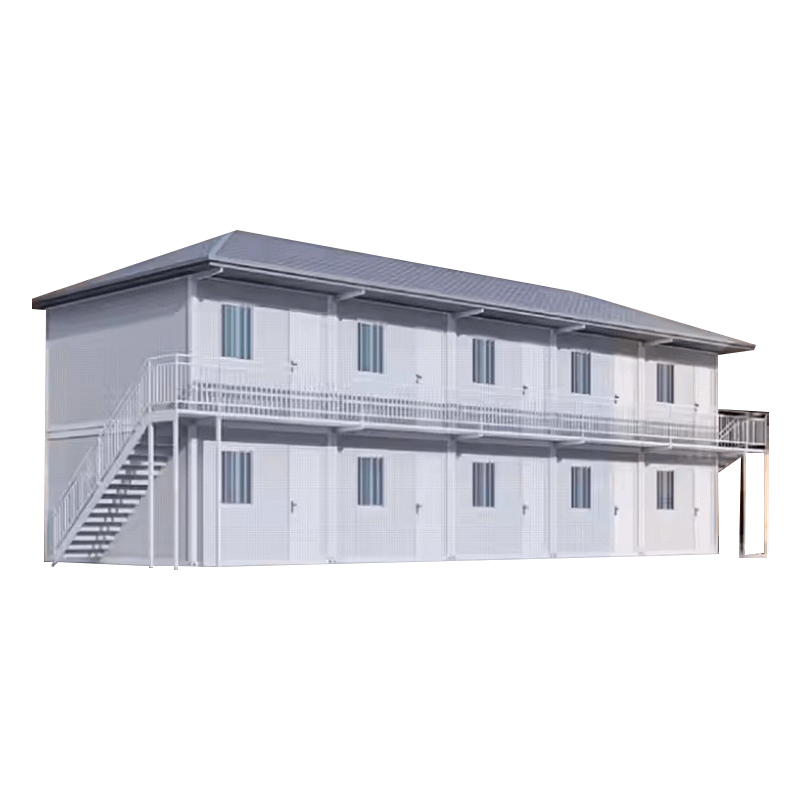 Large Modular Dormitory Container House for Crowded SitesThis prefabricated dormitory uses spliced steel containers with fireproof sandwich panel walls, offering flexible bunk layouts for large groups. It suits construction camps and temporary housing where fast installation and structural stability are priorities.View Product →
What Makes Fireproof Rock Wool Sandwich Panels Different?
Fireproof rock wool sandwich panels are made of two coated steel facings bonded to a core of rock wool, an inorganic fiber board produced from volcanic basalt and slag. Rock wool does not ignite, does not melt under ordinary fire conditions, and remains structurally intact at temperatures well above 1000 degrees Celsius. Because the core is inorganic, it produces very little smoke and does not form burning droplets that can spread flame to other materials.
A1Non-combustible classification
1000°C+Rock wool melting point
50-150 mmTypical core thickness
Beyond fire safety, rock wool provides strong thermal insulation, sound absorption, and dimensional stability. For camp buildings exposed to heat, cold, noise, and vibration, these properties directly improve livability. A complete fireproof rock wool sandwich panel container house integrates this non-combustible envelope with a load-bearing steel frame, making it ready for multi-story stacking.
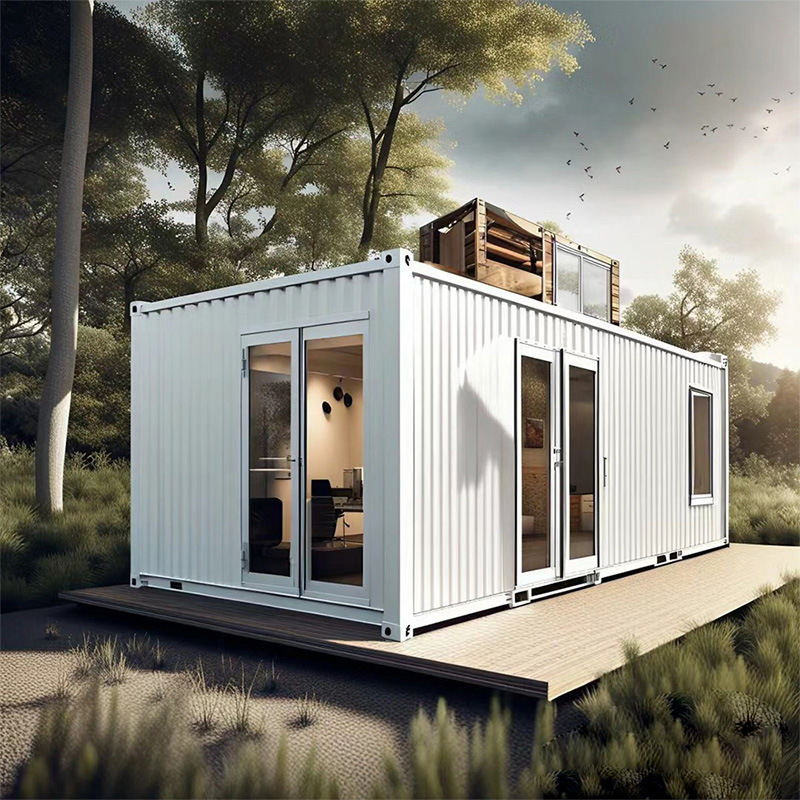
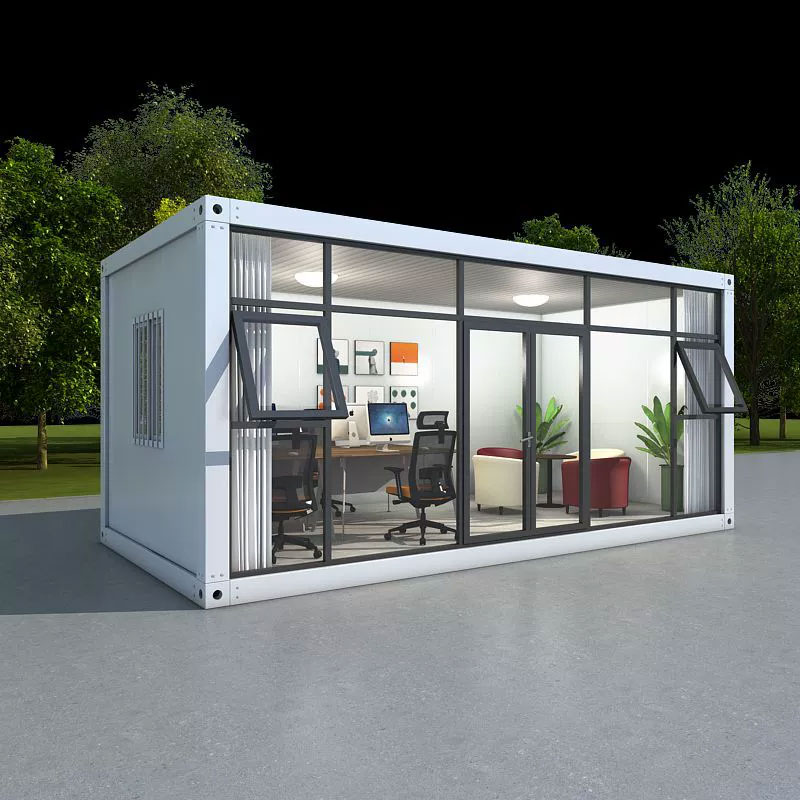
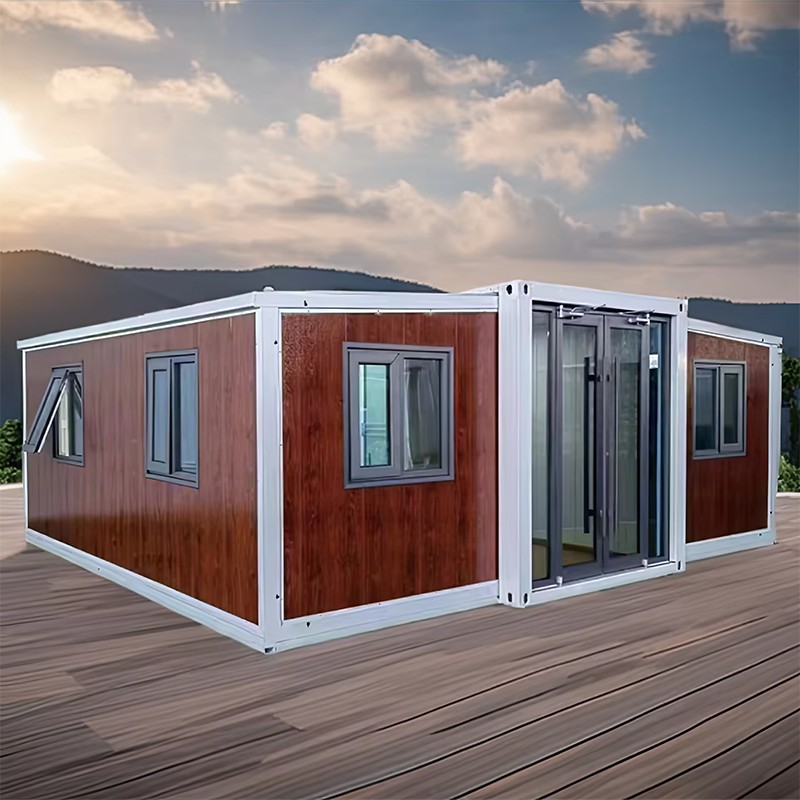
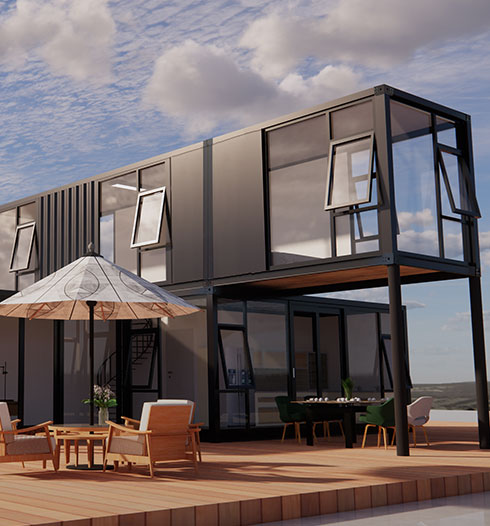
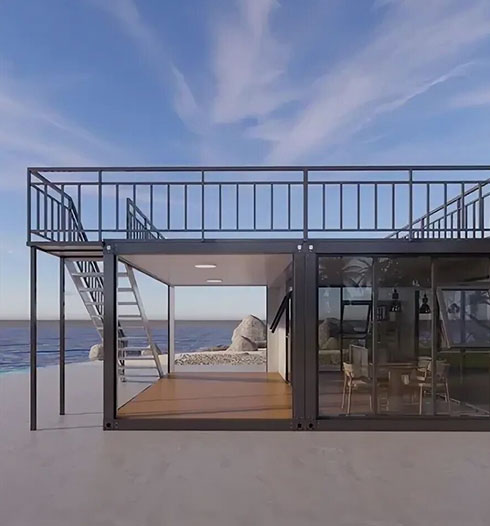
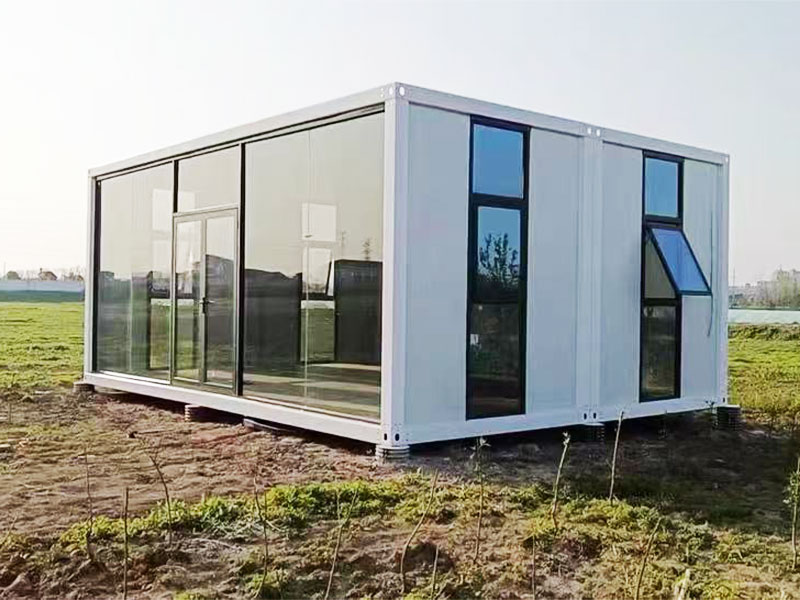
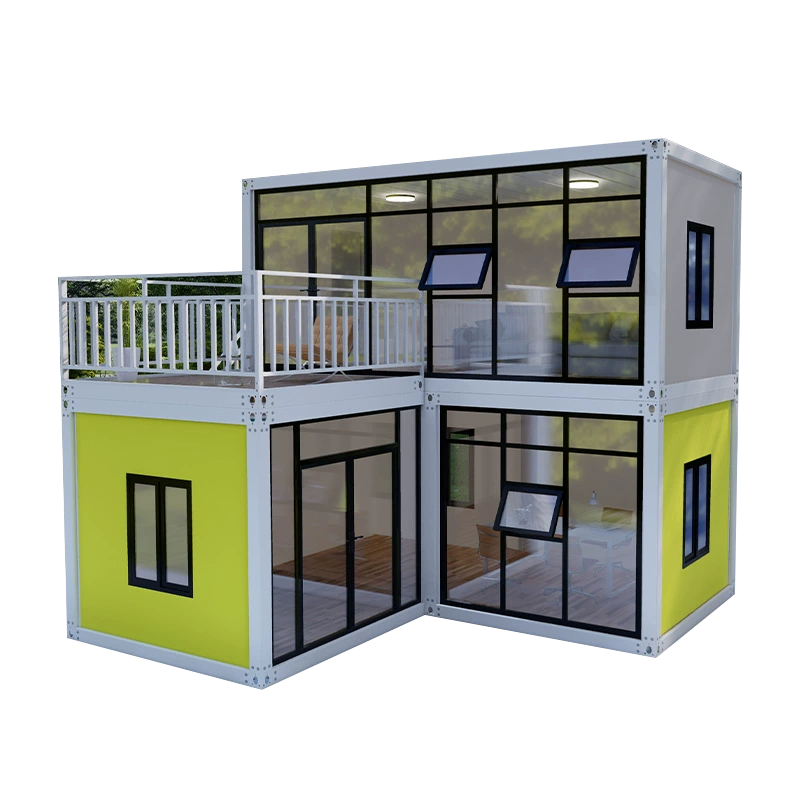 Fireproof Rock Wool Sandwich Panel Container HouseWith a non-combustible rock wool core and steel frame, this container house provides fire resistance rated between one and four hours. It is ideal for multi-story stacking in camp buildings, combining thermal insulation, sound absorption, and structural integrity.View Product →
How Rock Wool Panels Prevent Fire and Smoke From Spreading Between Floors
The most dangerous path for fire in a multi-story building is upward. Flame and hot gases rise through openings, pipe penetrations, and wall cavities. Rock wool panels act as a physical barrier: their dense fiber structure slows heat transfer and prevents flames from passing from one compartment to the next. Depending on panel thickness and system design, rock wool sandwich panels can achieve fire-resistance ratings of 1 to 4 hours, providing valuable time for occupants to evacuate and for emergency response teams to intervene.
Smoke control is just as important as flame control. Most fire deaths result from smoke inhalation rather than direct contact with flame. Rock wool produces little smoke and no halogenated toxic gases, keeping escape routes more tenable for longer. Unsurprisingly, more and more building owners are choosing fireproof rock wool container houses for safety-critical projects, especially when multiple floors are involved.
Rock Wool vs EPS vs Polyurethane: Core Material Comparison
Choosing a sandwich panel core is the single most important fire-safety decision in a camp housing project. The table below summarizes how the most common core materials behave in a fire.
| Core Material | Fire Performance | Smoke and Toxicity | Best Fit |
|---|---|---|---|
| Rock wool | Non-combustible, A1 class | Minimal smoke, no toxic gases | Multi-story fire-rated camp buildings |
| EPS | Flammable, melts and shrinks | Dense black smoke, toxic fumes | Single-story low-risk temporary shelters |
| Polyurethane | Flammable, rapid flame spread | Heavy smoke, toxic combustion products | Cold storage panels, not occupied multi-story housing |
This comparison makes the conclusion clear: for multi-story camp container housing, only a non-combustible core can satisfy the fire-resistance demands of stacked occupancy. Specifying a fire-safe envelope is the starting point for compliance.
Protecting the Steel Structure Behind the Panel
Container housing relies on steel frames for load-bearing strength, but steel loses roughly half of its load-bearing capacity at about 550 degrees Celsius. In a fire, an unprotected steel structure can soften, deform, and even collapse. Rock wool has very low thermal conductivity, which means it slows the transfer of heat from the fire side to the steel members. This passive protection preserves the structural integrity of lower modules that carry the weight of the floors above.
In multi-story camp housing, the envelope is therefore not just a weather barrier. It is part of the passive fire protection system, working with fire doors, smoke detectors, and evacuation plans to keep the building stable during the critical early phase of a fire.
Compliance, Codes, and the Mandatory Question
Why is fireproofing considered mandatory rather than recommended? Because building codes and fire-safety regulations increasingly require exterior walls and separating elements of multi-story buildings to be constructed from non-combustible materials. Camp projects must pass fire department inspections, and insurance companies evaluate core materials before they issue coverage or set premiums.
Rock wool sandwich panels help project teams document compliance through established fire-resistance classifications and test certificates. This reduces approval risk, shortens the inspection process, and protects the operator from liability in the event of an incident.
Key point: A non-combustible building envelope is the first line of defense in a stacked camp building. Rock wool panels turn the envelope from a fuel source into a fire barrier.
Does Fireproofing Conflict With Budget and Build Speed?
Some project managers assume that fireproof panels are significantly more expensive than foam-core panels. In practice, the price difference is modest compared with the cost of replacing a burned camp, relocating workers, or facing legal liability after an injury. Fireproof panels also extend service life, reduce insurance costs, and improve occupant confidence.
Speed is not sacrificed either. Sandwich panel construction remains one of the fastest building methods available: panels arrive prefabricated, are cut and assembled with basic tools, and can be erected in days. This is one reason sandwich panel container houses can significantly shorten construction time while maintaining a higher level of fire safety. A rock wool board container house offers camp operators a rational balance between cost, schedule, and protection.
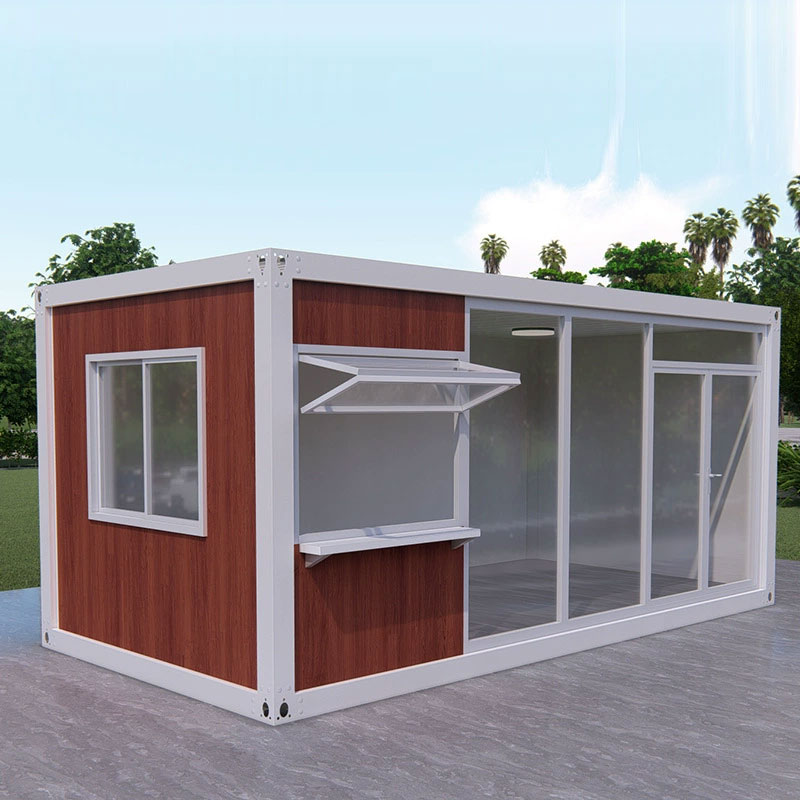
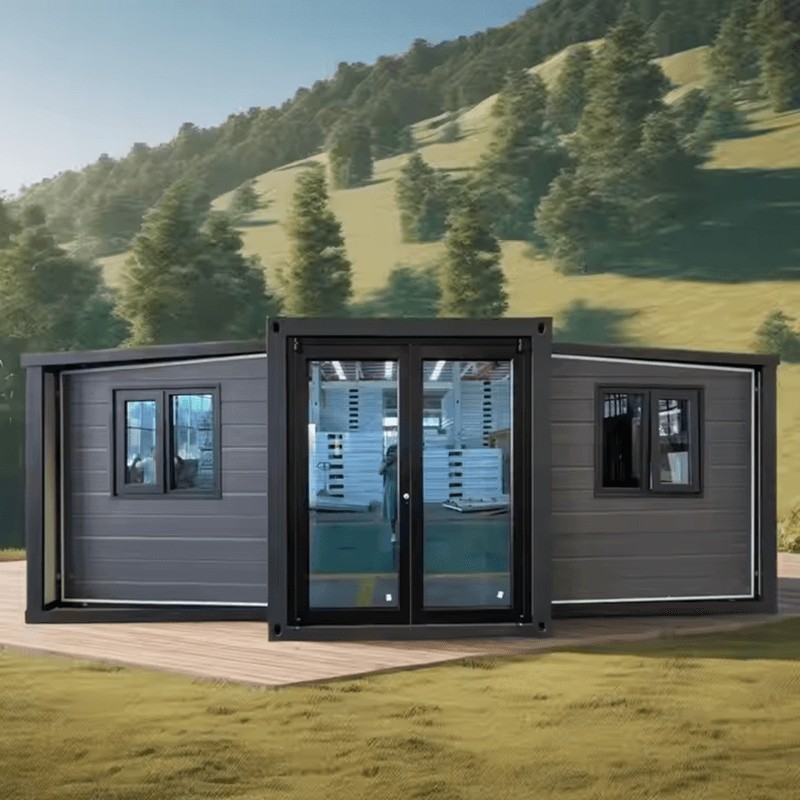
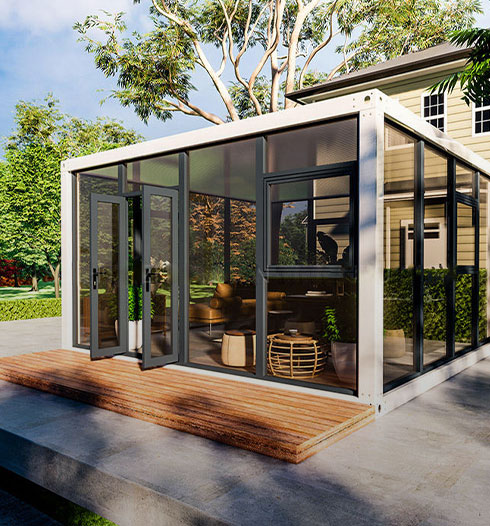
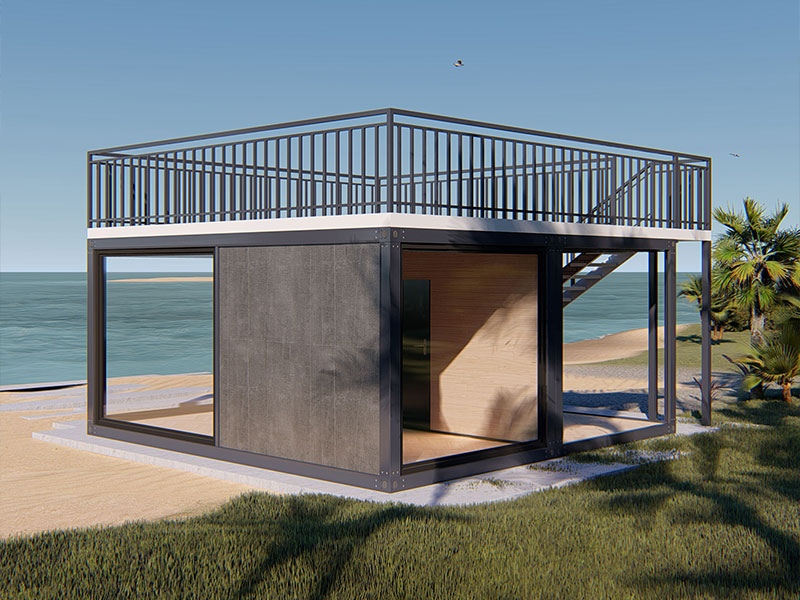
 Rock Wool Board Container House with Insulated Steel FrameThis container house features rock wool board panels for fire prevention, insulation, and sound damping. Its steel structure and anti-rust windows make it a durable, cost-effective option for construction sites, dormitories, offices, and security rooms.View Product →
Frequently Asked Questions
Q1: Can fireproof rock wool panels stop a fire completely?
No material can guarantee zero fire damage. Rock wool panels are designed to contain a fire within its compartment of origin, slow the spread of flame and heat, limit smoke production, and protect structural steel long enough for occupants to evacuate safely. They are a passive protection layer and must be combined with fire alarms, extinguishers, and an evacuation plan.
Q2: How is rock wool different from glass wool?
Both are mineral fiber insulations, but rock wool is made from volcanic basalt and slag, making it denser, more rigid, and more heat resistant, with a melting point above 1000 degrees Celsius. Glass wool has lower temperature resistance and is better suited to thermal and acoustic insulation than to fire-resisting wall cores.
Q3: Can rock wool panels be used in humid or coastal camp sites?
Yes. The steel facings are coated for corrosion resistance, and rock wool itself resists moisture and does not support mold growth. Proper edge sealing during installation keeps the core dry and maintains its fire and insulation performance over time.
Q4: Are fireproof panels worth the extra cost for short-term camps?
Yes. Fire risk exists from the first night of occupancy, regardless of project duration. Fireproof panels reduce insurance premiums, simplify safety inspections, and extend the usable life of the building. For most operators, the lifecycle cost of a fireproof camp building is lower than the potential cost of a fire incident.
Multi-story camp container housing is a smart response to limited land and rapid deployment needs, but life safety cannot be left to chance. Fireproof rock wool sandwich panels deliver the non-combustible core, smoke control, structural protection, and code compliance that stacked living demands. For any camp project, from two-story dormitories to larger vertical complexes, they are not an exotic upgrade. They are the baseline. When you plan your next multi-story camp container housing project, make fireproof rock wool the first material decision and the foundation of your safety strategy.