 English
 русский
 Français
 Español
 عربى
عربى

Content
- 1 Pros and Cons of Container Homes: An Honest Assessment
- 2 Shipping Container House Dimensions: What the Numbers Mean for Livability
- 3 Storage Container Home Life: What Actually Determines Longevity
- 4 How Long Do Prefab Homes Last? Container Homes in Context
- 5 Who Container Homes Work Best For — and Who Should Look Elsewhere
Pros and Cons of Container Homes: An Honest Assessment
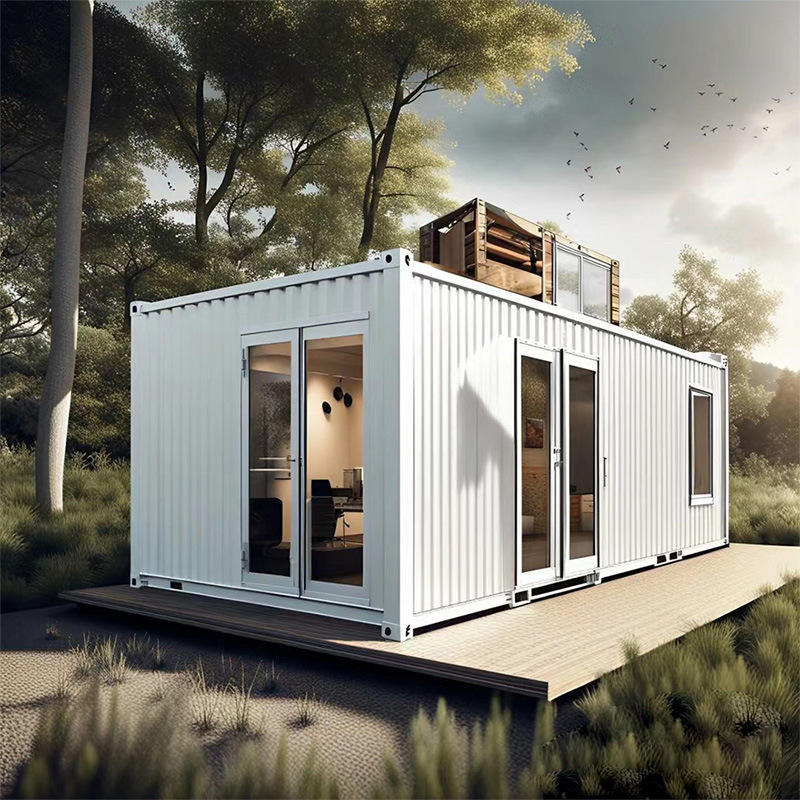
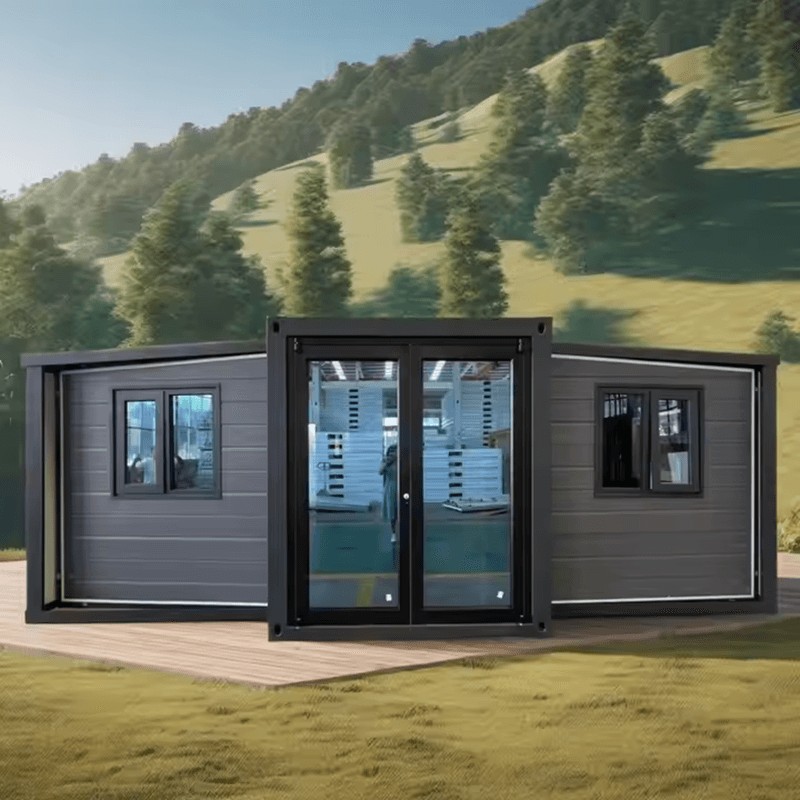
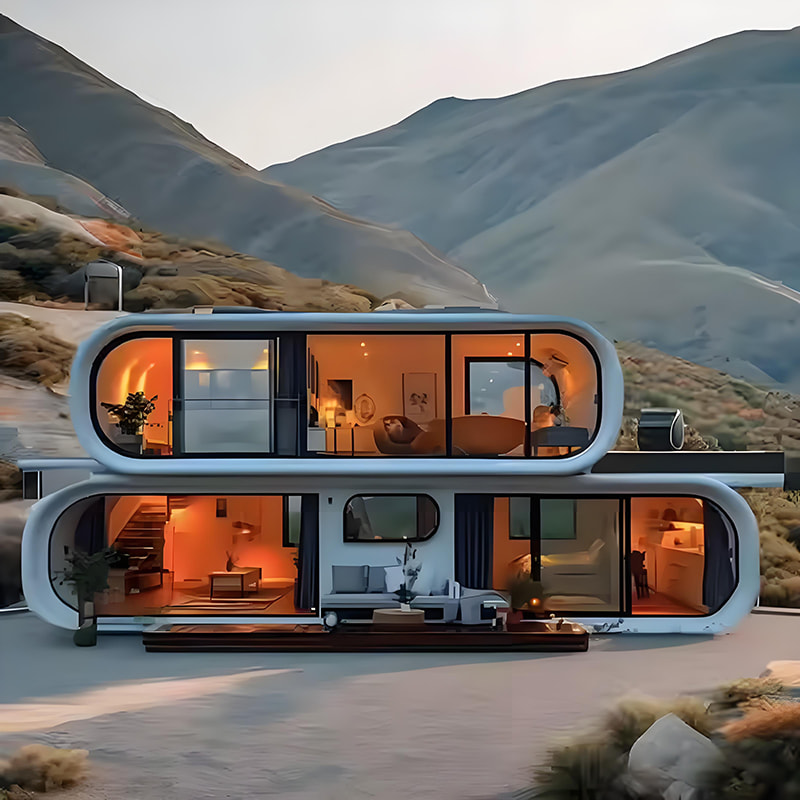
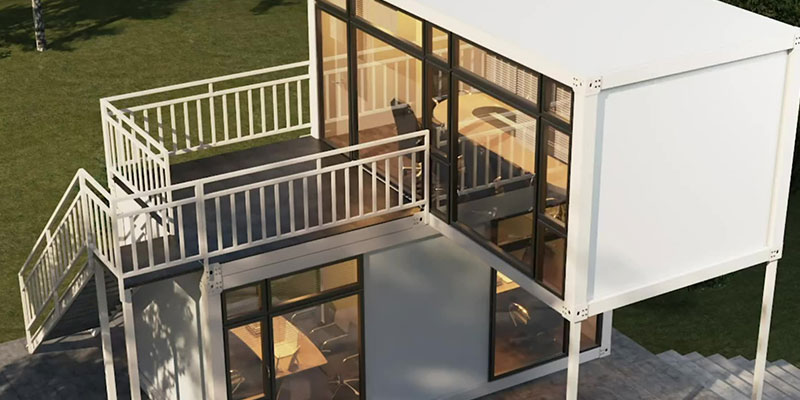
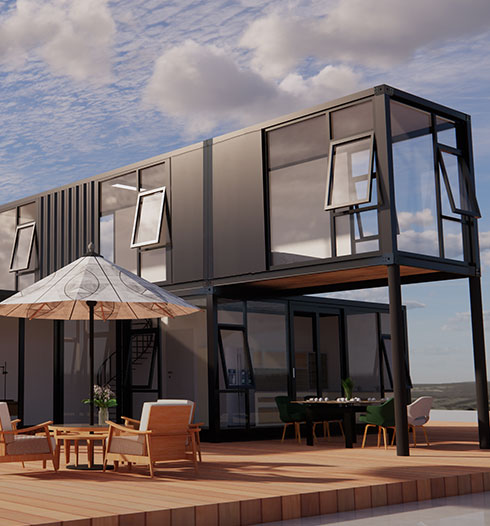
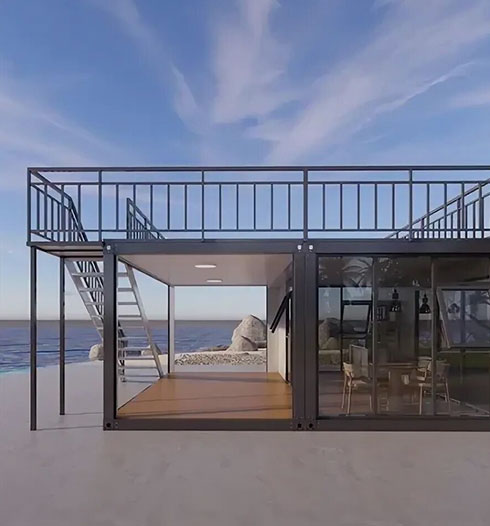
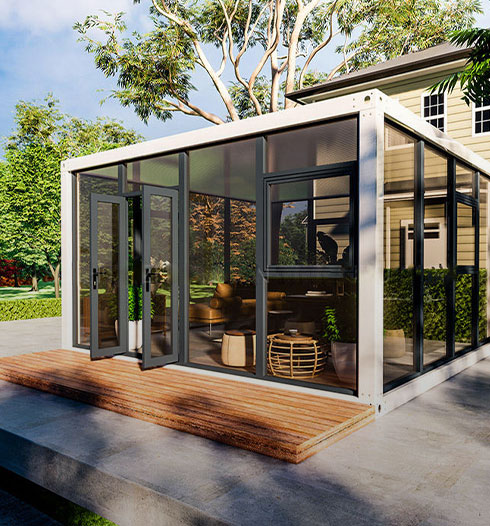
Container homes offer a genuinely compelling set of advantages — but they also carry structural and regulatory challenges that often go unmentioned in popular coverage. Understanding the full picture of the pros and cons of container homes is essential before committing to the build.
The Advantages
- Speed of construction. A single-container dwelling can be delivered and made habitable within 8–12 weeks, compared to 6–12 months for a conventional site-built home. Multi-container projects take longer but still undercut traditional timelines significantly.
- Structural integrity. ISO shipping containers are engineered to stack eight units high when fully loaded, giving them a base tensile strength far exceeding most residential construction materials. A standard 20-foot container can bear a roof load of over 300 tonnes.
- Cost efficiency at scale. Used containers in serviceable condition cost between $1,500 and $4,000 USD per unit depending on size and grade. New "one-trip" containers run $3,500–$6,000. For compact builds, the shell cost is dramatically lower than frame construction.
- Portability and modularity. Containers can be relocated if land tenure changes, and additional units can be stacked or connected to expand living area as budgets allow.
- Material reuse. Repurposing retired containers reduces demand for new steel production, which carries a significant embodied carbon footprint — roughly 1.85 tonnes of CO₂ per tonne of steel produced.
The Disadvantages
- Thermal performance. Bare steel conducts heat and cold with very high efficiency — the opposite of what a home wall should do. Without substantial insulation (typically 100–150mm of closed-cell spray foam or rigid board), container homes become uncomfortably hot in summer and cold in winter. This insulation adds cost and reduces interior floor area.
- Chemical contamination risk. Many shipping containers have carried industrial chemicals, pesticides, or treated timber. The floor boards and internal wall coatings may contain chromate, phosphate, or lead-based paints. A thorough inspection and chemical testing report is essential when sourcing used containers for residential use.
- Structural weakening from cutting. The moment large openings are cut for windows and doors, the container loses the lateral rigidity that makes it strong. Steel reinforcement headers must be welded wherever openings exceed a certain width, adding both cost and skilled labor requirements.
- Zoning and permitting friction. Many local authorities lack specific codes for container dwellings and require them to be assessed under commercial or industrial building standards, which adds time and expense to the approval process.
- Condensation management. Steel surfaces are prone to interior condensation in humid climates if the vapor barrier and insulation system are not correctly specified, which can lead to accelerated rust from the inside out.
Shipping Container House Dimensions: What the Numbers Mean for Livability
The most consequential decision in a container home project — after site selection — is which container size to build with. Shipping container house dimensions directly determine floor plan flexibility, ceiling height, and how much usable space remains after insulation and interior finishing are applied.
| Container Type | External Length | External Width | Internal Height | Gross Floor Area |
|---|---|---|---|---|
| 20-foot Standard | 6.06 m | 2.44 m | 2.39 m | ~14.8 m² |
| 40-foot Standard | 12.19 m | 2.44 m | 2.39 m | ~29.7 m² |
| 40-foot High Cube | 12.19 m | 2.44 m | 2.69 m | ~29.7 m² |
The 2.44 m external width of all standard containers is the most limiting dimension. After 100mm of wall insulation on each side and interior cladding, the usable interior width drops to roughly 2.1–2.2 m — narrower than most hallways in conventional construction. This makes the 40-foot High Cube the preferred choice for residential projects: the additional 300mm of ceiling height (2.69 m internal vs 2.39 m) significantly reduces the sense of compression and allows for ceiling-mounted mechanical services without a drop ceiling penalty.
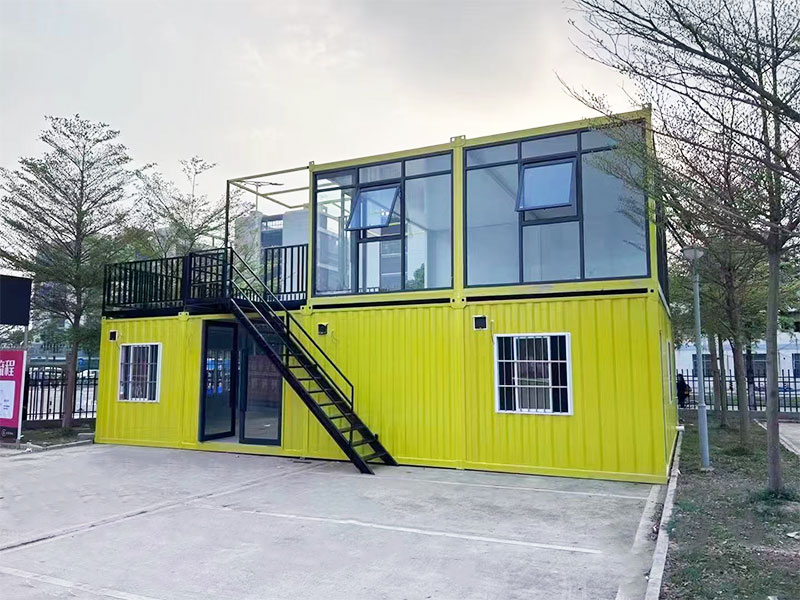
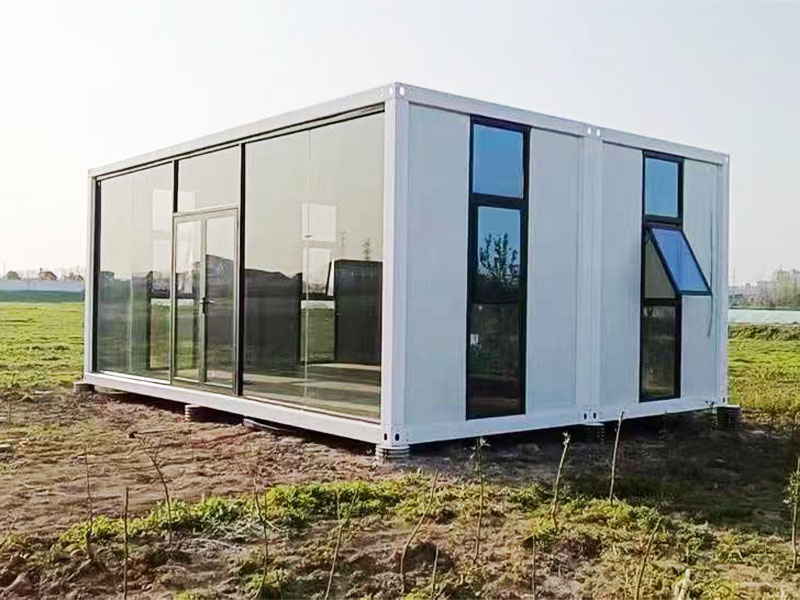
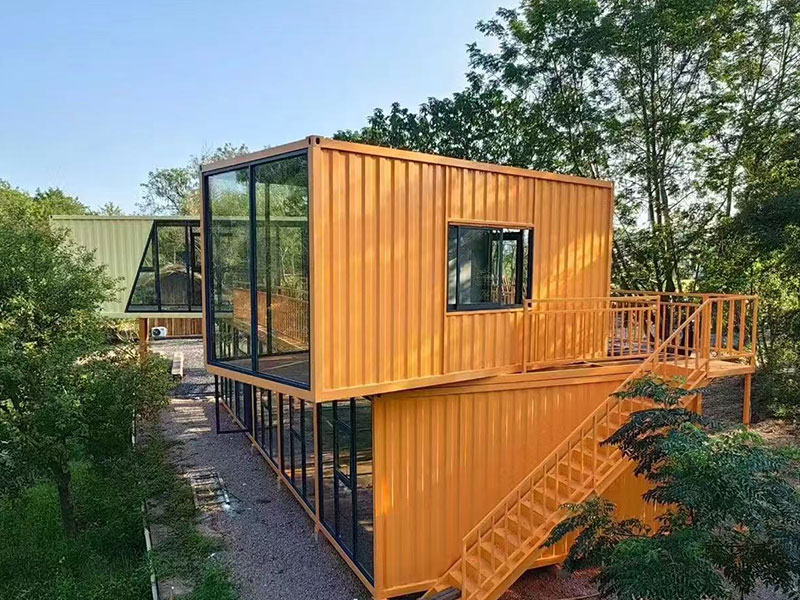
Multi-container configurations overcome the width constraint by removing the long side walls between adjacent units, creating combined open-plan spaces up to 4.8 m wide before finishing. Two 40-foot High Cubes placed side by side with the shared wall removed yield approximately 55 m² of open floor area — a workable footprint for a compact two-bedroom dwelling.
Storage Container Home Life: What Actually Determines Longevity
Storage container home life is principally a function of corrosion management, not the age of the container itself. The steel used in ISO containers is Corten (weathering steel), a high-strength low-alloy steel that forms a self-protecting oxidized layer when exposed to weather cycles. In outdoor storage applications without any maintenance, Corten containers typically remain structurally sound for 25–30 years. In residential use — where the structure is maintained, repainted, and protected from ground moisture — the same containers can last considerably longer.
The Four Main Causes of Premature Deterioration
- Ground contact. Containers set directly on soil or a non-draining surface trap moisture against the understructure, accelerating rust in the base rails and corner castings. Proper pier foundations or a continuous concrete perimeter that lifts the container clear of standing water are essential.
- Interior condensation. If the vapor barrier is breached or absent, warm moist air penetrates the insulation and condenses on the cold steel wall. Rust then develops from the inside — invisible and difficult to address without opening up the wall system.
- Roof pooling. The corrugated roof of a standard container is designed to shed water when on a ship but can develop low points that pool water after years of use or minor deformation. A pitched secondary roof or a roof garden substrate system (which regulates temperature and moisture simultaneously) addresses this effectively.
- Paint failure at welds and cuts. Any modification — cutting, welding, drilling — breaches the factory paint coating. Exposed steel at these points will rust rapidly if not treated with zinc primer and repainted within days of the modification.
Container homes that are correctly detailed, properly insulated, and maintained with a 5–10 year exterior repaint cycle routinely achieve service lives of 50 years or more. Several container home projects constructed in the early 2000s in the UK and Australia remain in excellent structural condition, demonstrating that the material is viable for multi-decade residential use when treated as a proper building rather than a repurposed freight box.
How Long Do Prefab Homes Last? Container Homes in Context
How long do prefab homes last is a question that encompasses a wide range of construction systems — from volumetric modular units and panelized timber frames to steel-framed flat-pack structures and container-based assemblies. The honest answer is that lifespan is determined by material choice, build quality, and maintenance regimen rather than by the prefab category itself.
Lifespan by Prefab Construction Type
- Steel-framed modular homes (including container-based): 50–100 years with maintenance. The steel primary structure is highly durable; the limiting factor is typically the cladding, roofing membrane, and mechanical systems rather than the frame.
- Timber-framed panelized systems (SIPs, CLT): 60–80 years when properly moisture-managed. Timber is the most common prefab structural material globally and has a well-established longevity track record when protected from sustained moisture exposure.
- Light steel frame (LSF) prefab: 50–70 years. Galvanized light gauge steel is resistant to rot and termites but susceptible to corrosion in highly saline coastal environments.
- Mobile/manufactured homes (HUD-code in the US): 30–55 years. These are purpose-built to lower structural standards than site-built homes and represent the shortest-lived segment of the prefab category.
For comparison, a well-maintained conventionally built masonry or timber-frame home is generally expected to last 80–100 years before requiring major structural intervention. The gap between prefab and site-built longevity has narrowed significantly as manufacturing quality has improved: modern volumetric modular construction, when built to the same code standards as site-built homes, is expected to achieve equivalent service lives.
The key variables that determine whether any prefab home reaches or exceeds its design life are: foundation quality (a prefab placed on a poor foundation will move and crack regardless of how well the unit is built); weathertightness of joints between modules or panels; and mechanical system maintenance, since HVAC, plumbing, and electrical components typically require replacement or upgrade at the 20–25 year mark regardless of the structural shell's condition.
Who Container Homes Work Best For — and Who Should Look Elsewhere
Container homes are not a universal solution. They perform best in specific use cases and for specific buyers.
The profile of a buyer who benefits most from a container home: someone building on a remote or difficult-access site where conventional material delivery is expensive; someone who needs a compact, single-story dwelling of under 80 m² on a constrained budget; someone in a temperate coastal or subtropical climate where the steel's resilience against wind and flood events is an asset; or someone who values an industrial aesthetic and is willing to invest in the interior fit-out to make the narrow-width constraint work.
Container homes are a poor fit for buyers who want conventional room widths without complex multi-container engineering; who are building in a jurisdiction with restrictive residential zoning that does not recognize container structures; or who are expecting the container shell alone to be structurally sound for habitation without insulation, foundation, and finishing work — a misconception that consistently leads to cost overruns and disappointing outcomes.
The most successful container home projects treat the container as a structural frame — analogous to a steel-framed building — rather than as a finished room. With that framing, the material's genuine strengths (speed, strength, modularity, and material cost) can be leveraged effectively, and its limitations addressed with standard building industry techniques.