 English
 русский
 Français
 Español
 عربى
عربى

For anyone considering alternative housing or niche investments in 2026, understanding the real all-in costs is essential. Prefabricated homes currently range from $40 to $170 per square foot for the structure and installation, with total project costs often landing 30–40% above the base price. Boxabl offers its flagship 361-square-foot Casita at a base price of $50,000 to $60,000, though a completely move-in-ready setup typically reaches $95,000 to $150,000; the compact Baby Box launched at an introductory $19,999. Shipping container houses can start as low as $35,000 for a basic single-container dwelling and exceed $350,000 for custom multi-container designs. In the house flipping market, renovation costs remain near a record high of $80,000 on average, while gross profits have narrowed significantly, hovering around $65,300 as margins compress. Even a bounce house for a single event can be rented for about $100–$150, or purchased for as little as $150 for a small residential unit up to $5,000+ for a commercial-grade inflatable. This guide breaks down each cost category with the latest available data to help you make an informed decision in 2026.
Content
- 1 A Comparative Overview of Housing and Investment Costs in 2026
- 2
- 3 Understanding Prefabricated Home Costs in 2026
- 4 The True Cost of a Boxabl Home in 2026
- 5 The Financial Reality of Container Houses
- 6 How Much It Costs to Flip a Home in 2026
- 7 What a Bounce House Costs: Rental, Purchase, and Ownership
- 8 Final Practical Considerations for 2026
A Comparative Overview of Housing and Investment Costs in 2026
The housing and small-investment landscape in 2026 remains fragmented, with each option carrying its own base price, hidden extras, and market risks. The table below consolidates recent cost data to give you a direct, side-by-side benchmark. Use it to compare your primary area of interest against the alternatives quickly.
| Category | Low-End Cost | Typical / Mid-Range | High-End Cost |
|---|---|---|---|
| Prefab Home (per sq ft) | $40 (kit) / $80 (installed) | $90 - $170 (turn-key) | $300+ (luxury/custom) |
| Boxabl Home (unit) | $19,999 (Baby Box) | $50,000 - $60,000 (Casita) | $150,000+ (Casita all-in) |
| Container Home (total) | $35,000 (single-container) | $80,000 - $175,000 | $350,000+ (large custom) |
| House Flip (renovation cost) | $25,000 (minor cosmetic) | $60,000 - $80,000 | $150,000+ (major remodel) |
| Bounce House (purchase) | $150 (small residential) | $500 - $1,200 (combo unit) | $5,000+ (large commercial) |
Understanding Prefabricated Home Costs in 2026
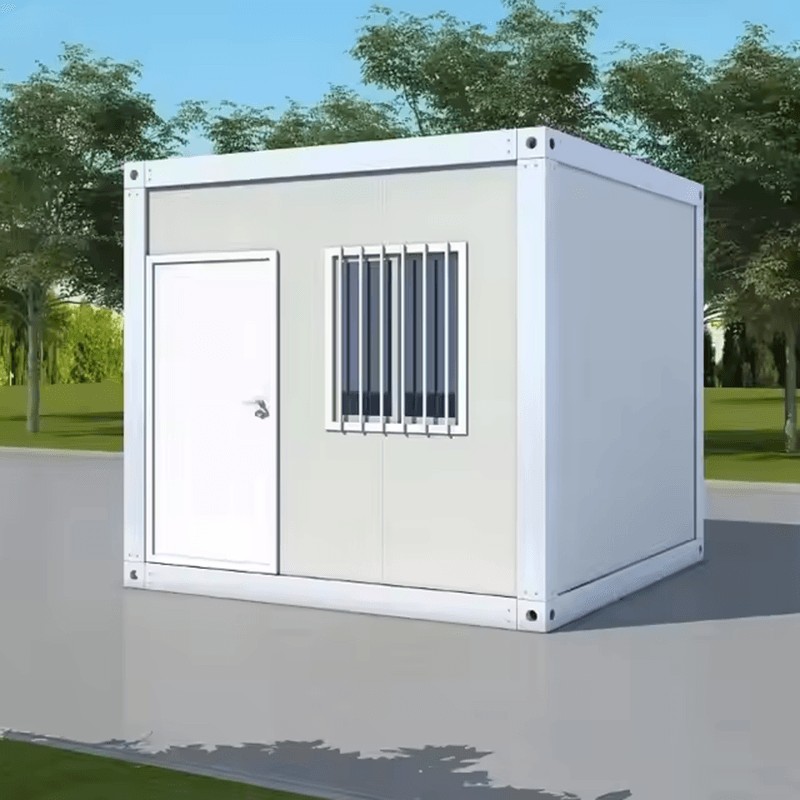
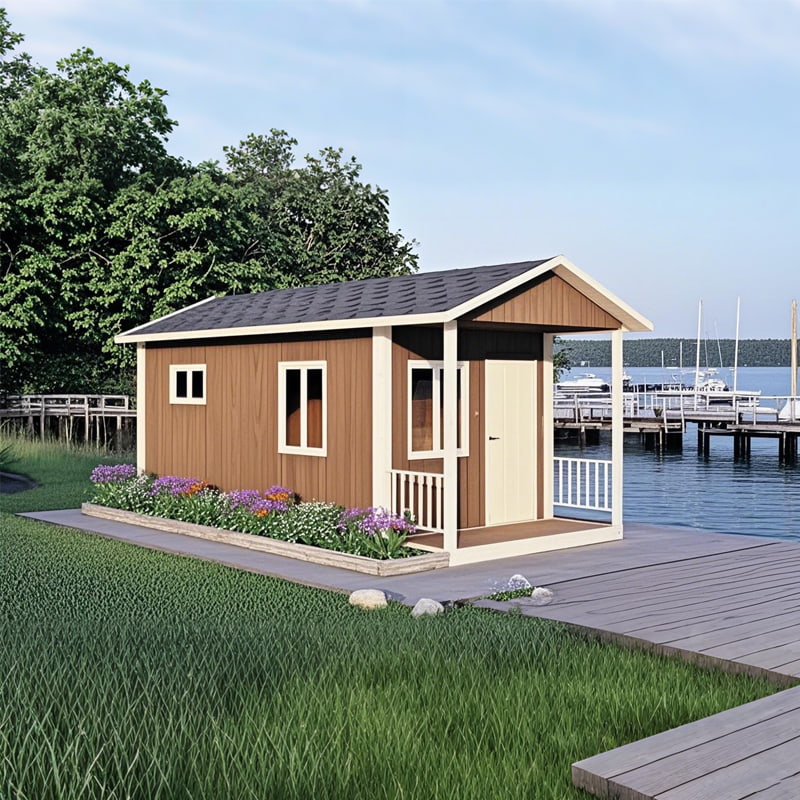
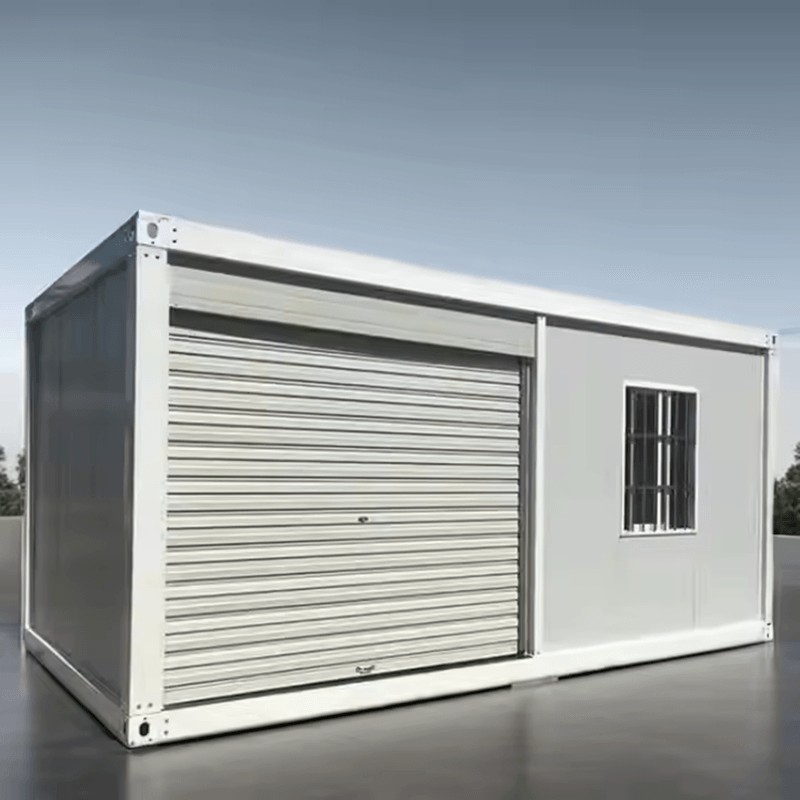
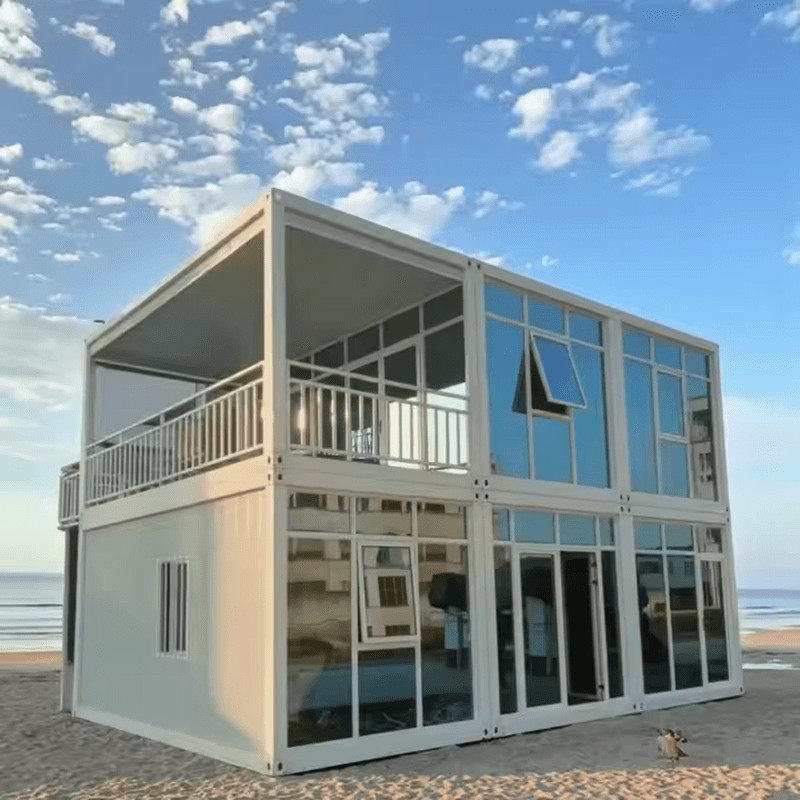
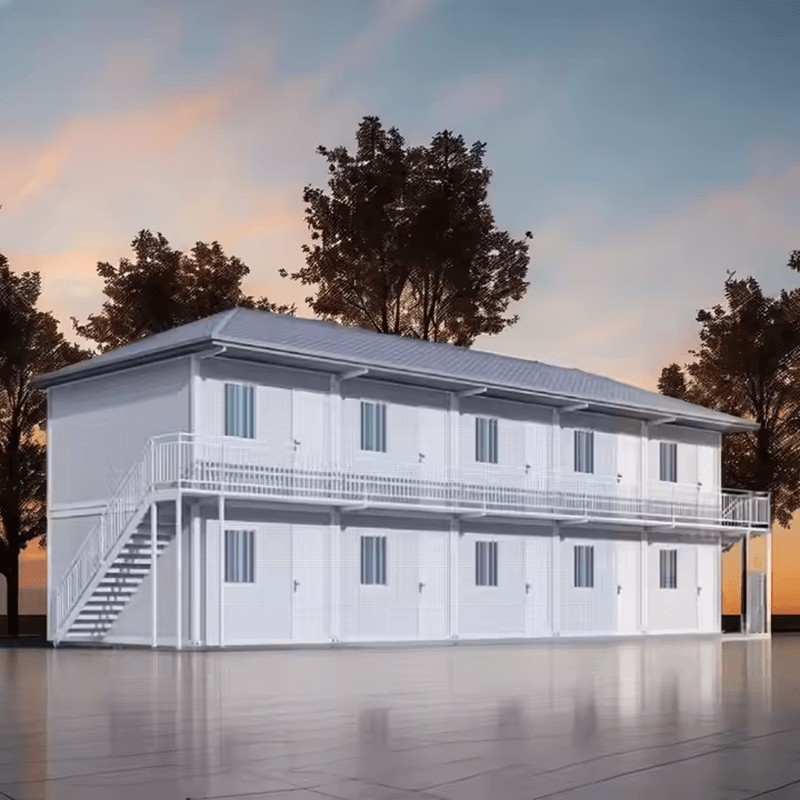
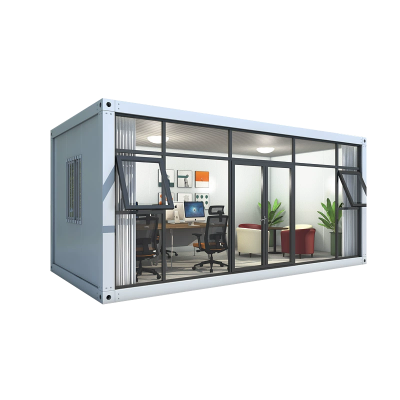
Prefabricated homes—built in sections in a factory and assembled on your land—continue to offer a path to homeownership at a significant savings compared to traditional site-built construction. The cost depends heavily on whether you buy a bare kit, a fully finished modular section, or a high-design custom package.
- Cost Per Square Foot: A simple modular home kit can still be found for as low as $40 per square foot, but a fully installed mid-range modular home now runs between $80 and $160 per square foot. For a complete, move-in-ready modular home including installation, plan on $90 to $170 per square foot. This compares very favorably with the $150 to $300+ per square foot typical of site-built homes.
- Total Project Costs: The base price is never the final bill. You must budget an additional 30–40% above the base unit price to cover site preparation, foundation, utility hookups, permits, and shipping. A prefab home with a base price of $180,000 can easily become a $235,000 project once all these items are included.
- Examples by Size: A 1,500-square-foot home may cost $125,000–$245,000 all-in, while a 2,000-square-foot model can range from $165,000 to $305,000. Small ADUs (250–400 sq ft) are achievable for $70,000 to $130,000.
- Market Growth: The North American prefabricated housing market remains robust. Industry reports estimate it was valued at USD 32.3 billion in 2025 and is projected to reach $47.98 billion by 2031, indicating strong ongoing adoption.
The True Cost of a Boxabl Home in 2026
Boxabl continues to attract interest with its foldable, factory-built homes. The company now has two distinct models, each targeting different needs and budgets. Understanding the gap between the headline price and a turnkey home is critical.
Boxabl Casita
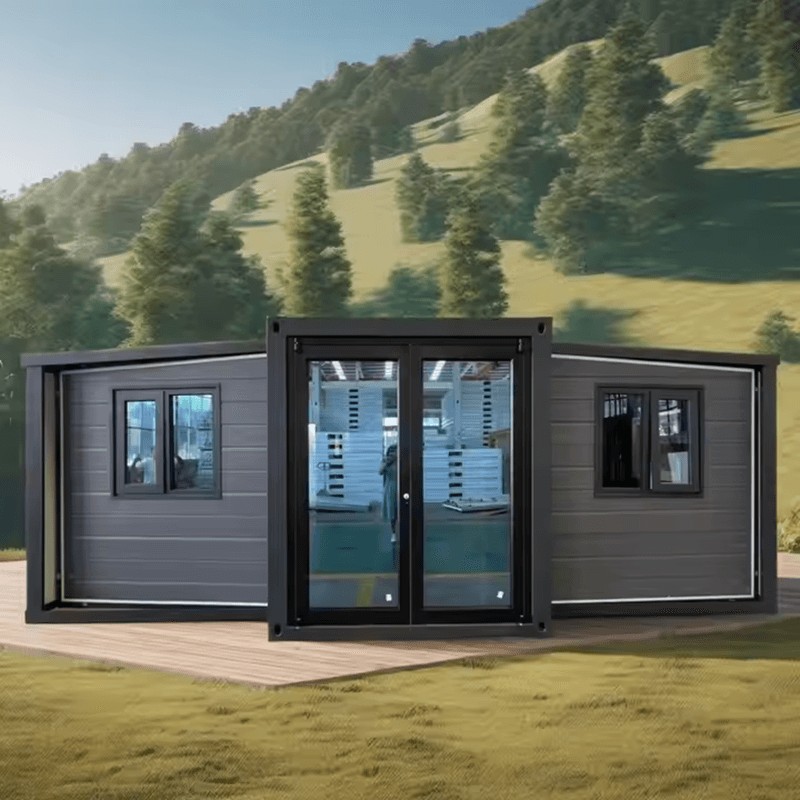
The 361-square-foot Casita is a studio accessory dwelling unit (ADU) that ships folded and unfolds on site.
- Base Price: The Casita's base unit price is still commonly cited around $50,000 to $60,000, though some dealer listings in 2026 have crept closer to $64,000–$65,000 for the unit alone.
- Realistic Move-in Budget: Most move-in-ready Casita installations cost between $95,000 and $150,000, not including the land. This accounts for foundation and installation ($10,000–$25,000), utility hookups, shipping, and local permits.
- Financing: Boxabl offers financing options, with some customers qualifying for monthly payments as low as $900 with a small down payment.
Boxabl Baby Box
The Baby Box is a 120-square-foot, turnkey tiny home on wheels, introduced in early 2025.
- Price: Launched at an introductory price of $19,999, the Baby Box was expected to settle at a regular retail price around $29,000. As of 2026, some units may still be available at the lower introductory rate depending on promotions.
- Portability: Designed for extreme simplicity, it can be set up by one person without tools in about an hour and does not require a permanent foundation, making it a flexible option for a backyard office or guest space.
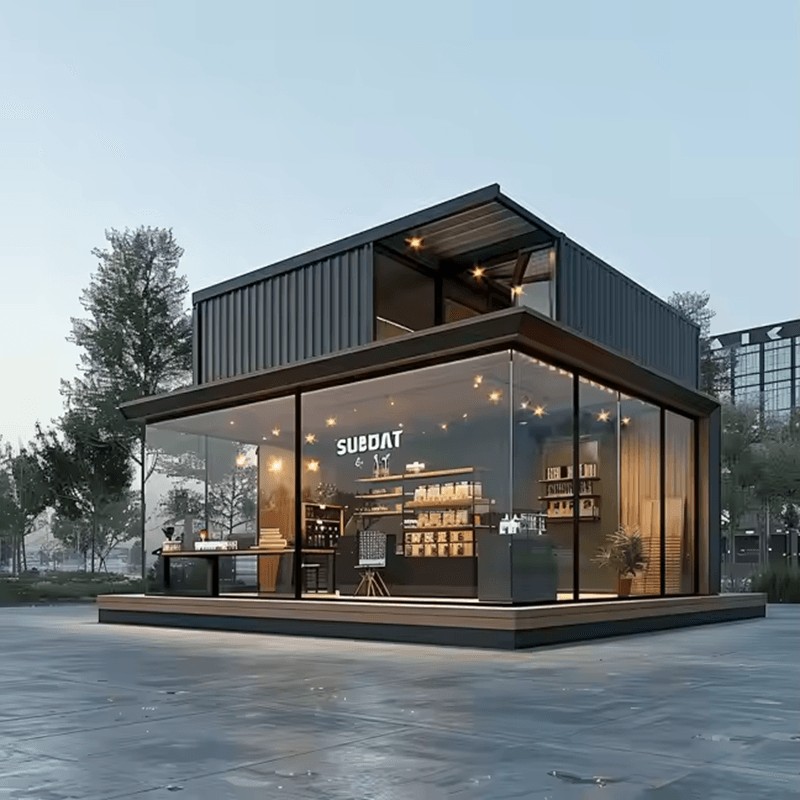
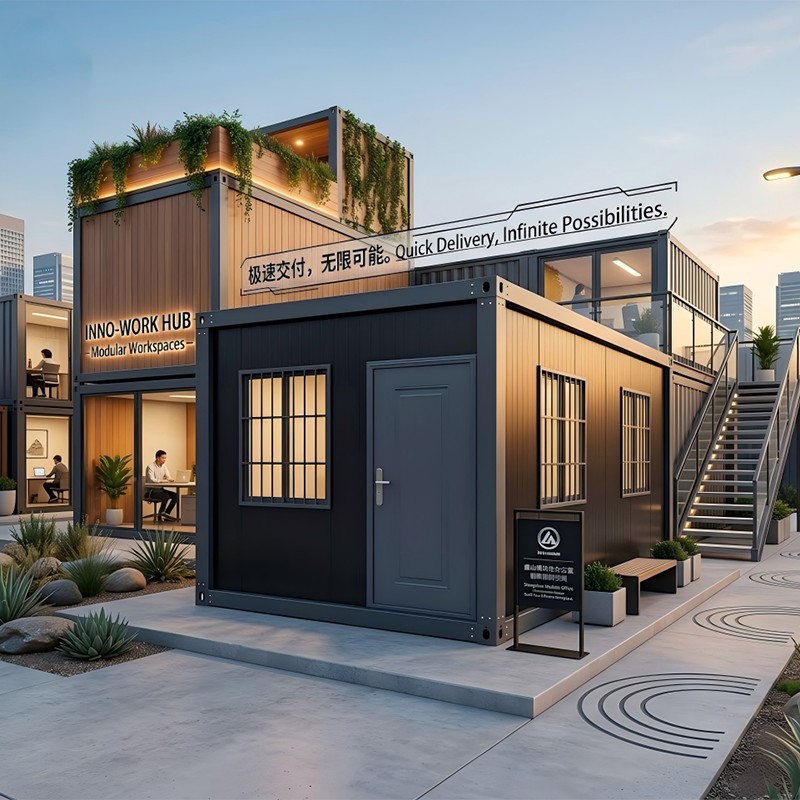
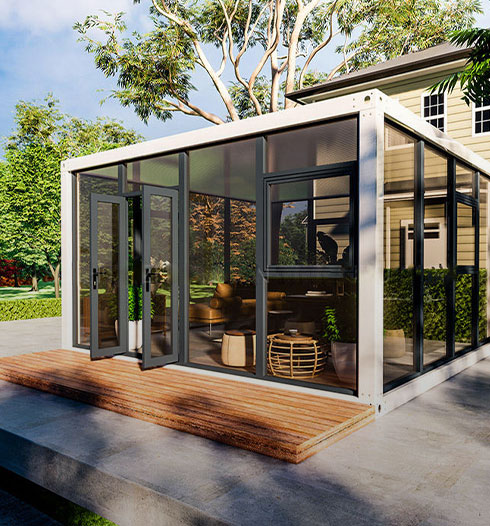
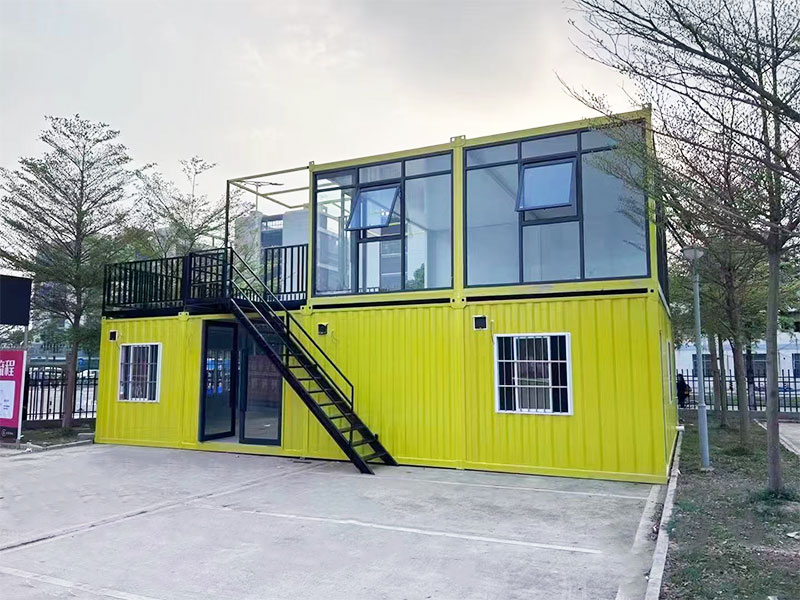
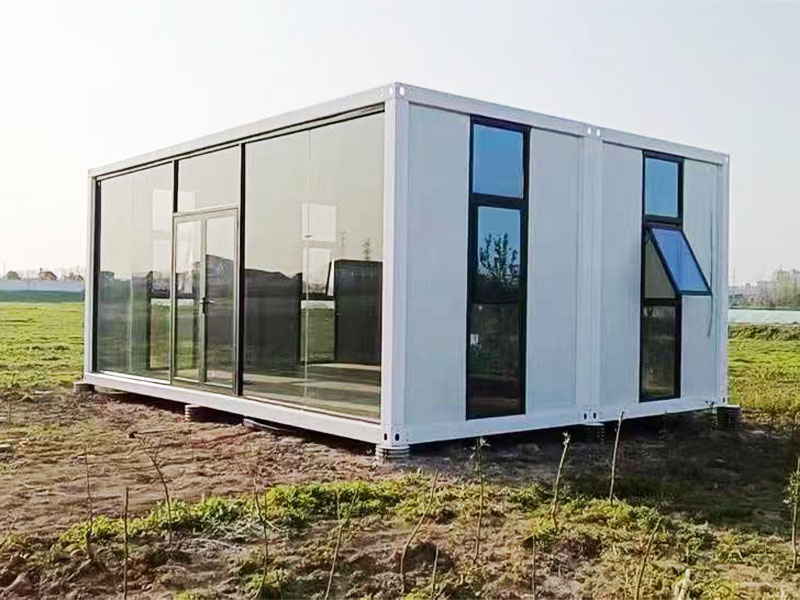
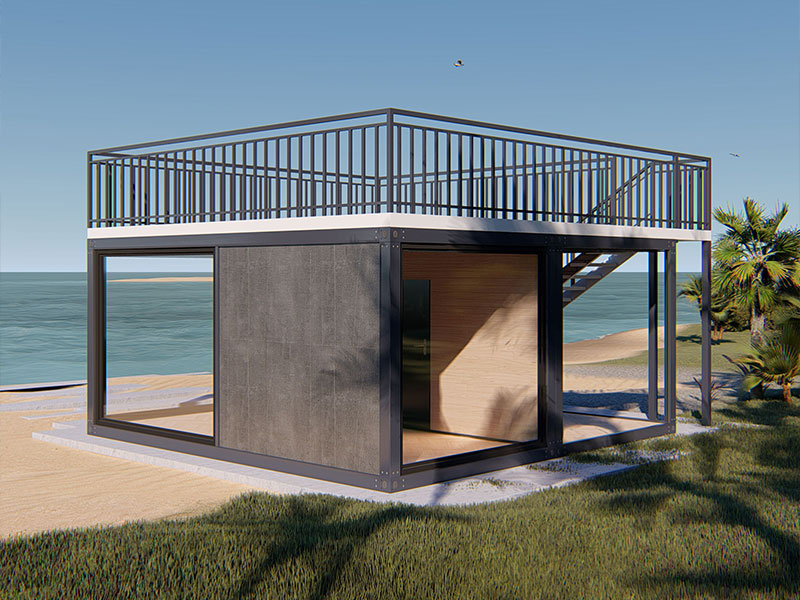
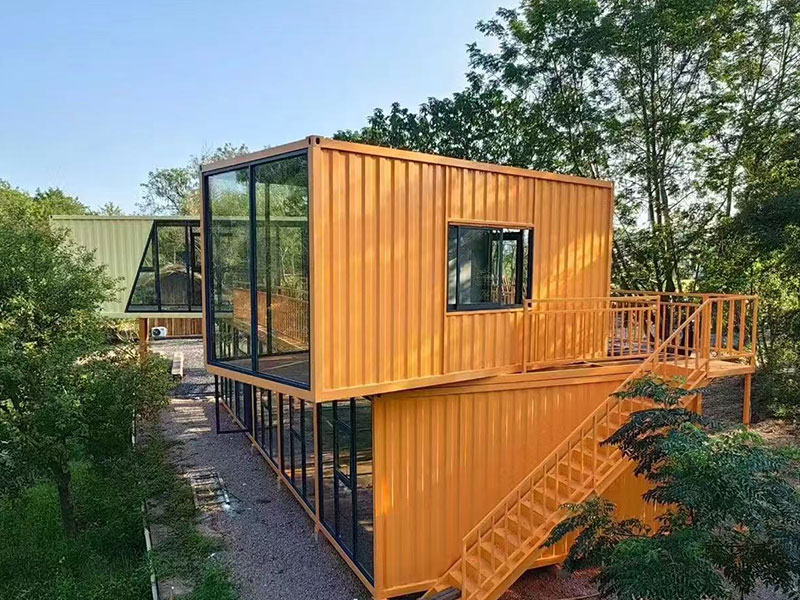
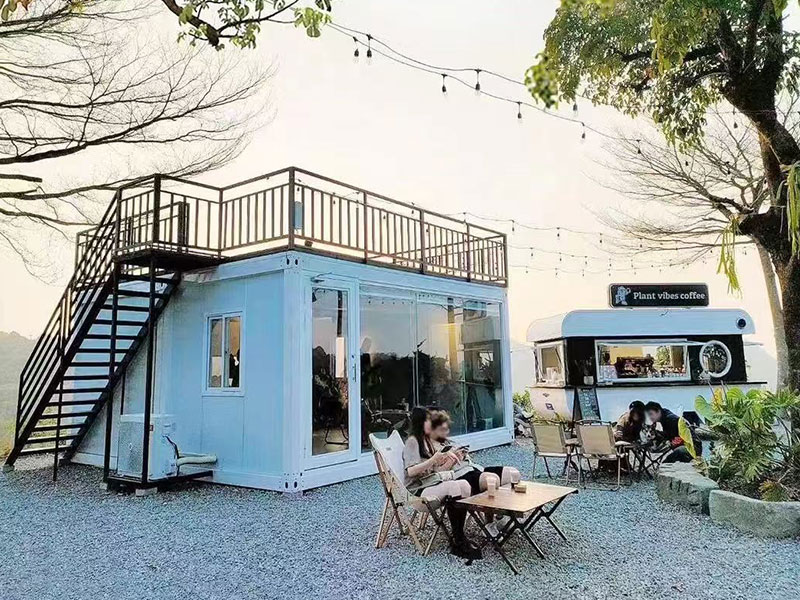
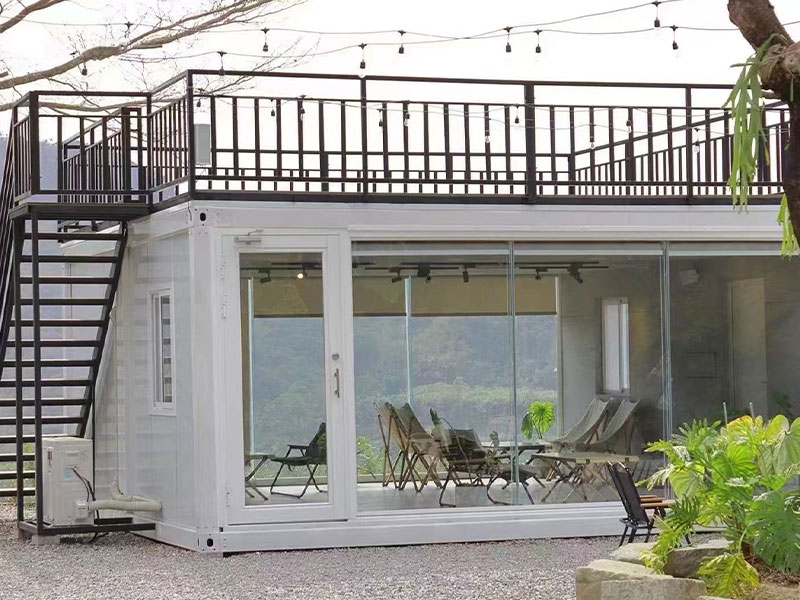
The Financial Reality of Container Houses
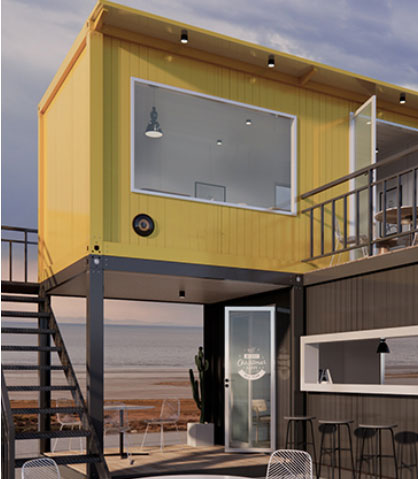
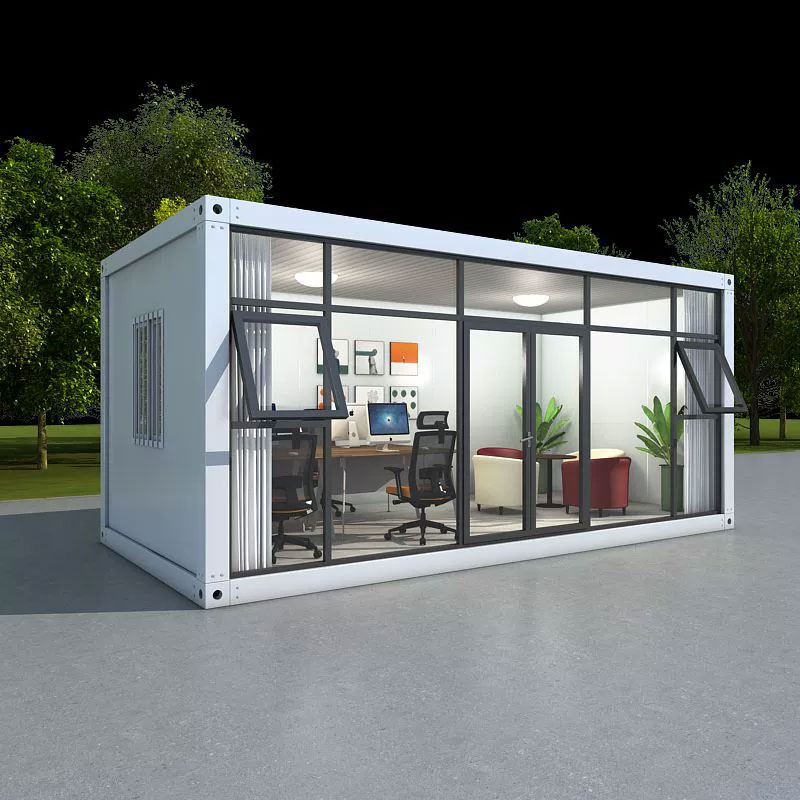
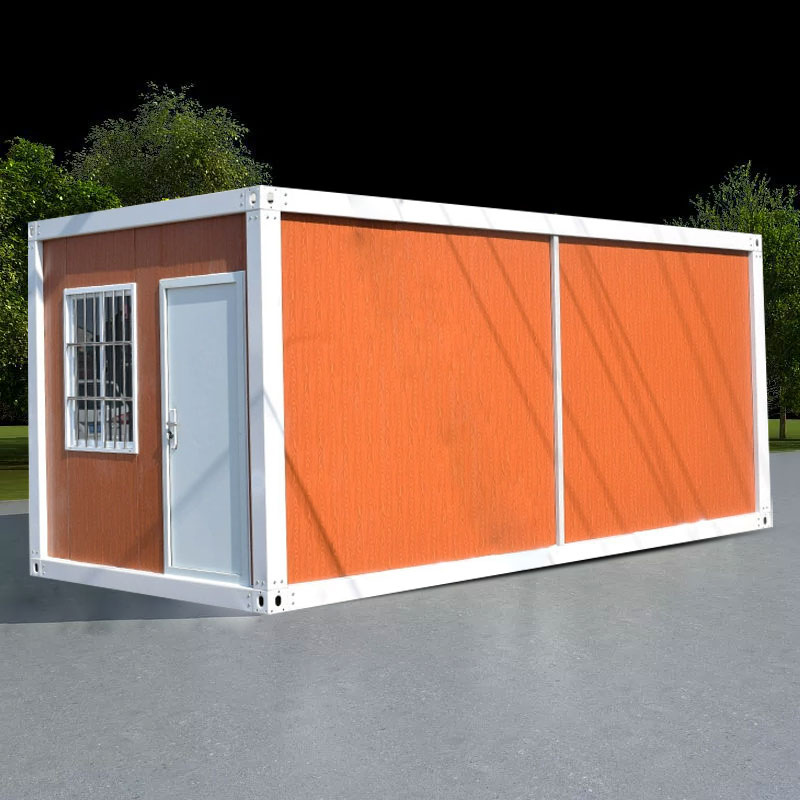
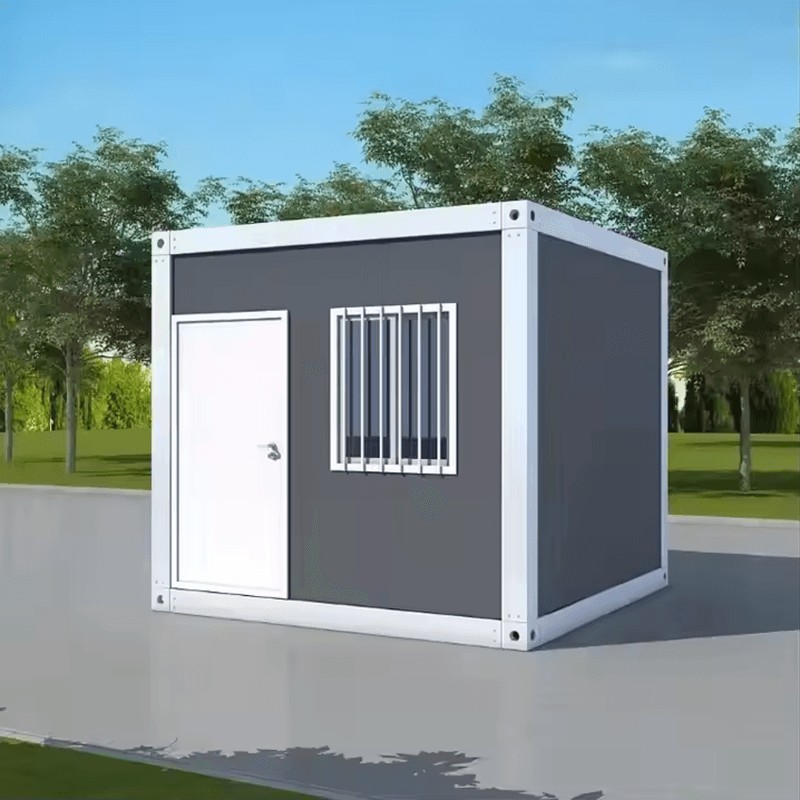
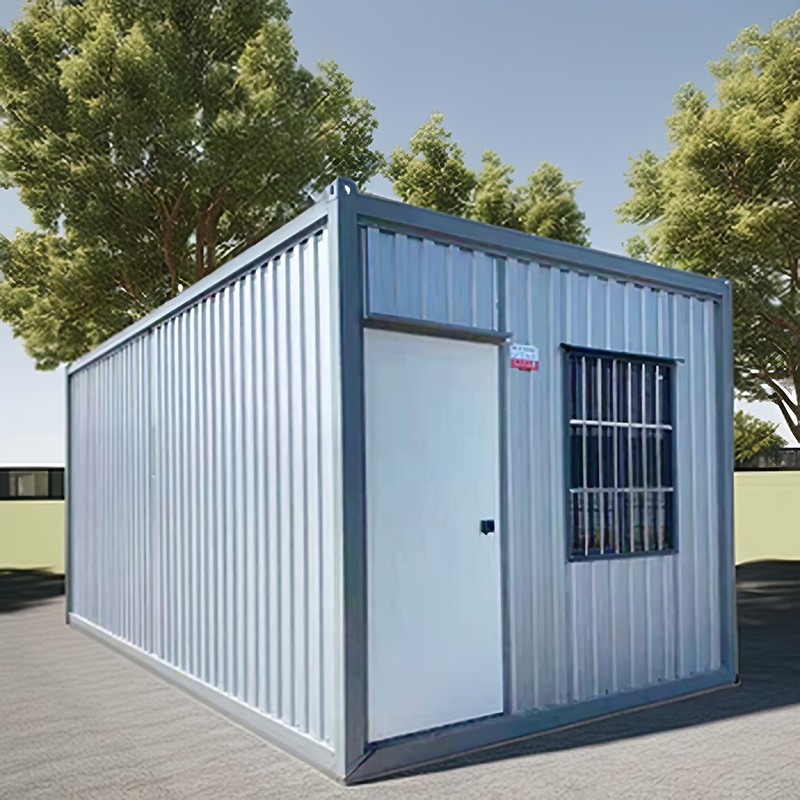
Shipping container homes are often promoted for the low cost of the steel box, but that is a misleading starting point. The container itself is simply a structural shell; turning it into a livable home accounts for the vast majority of the budget.
- Container Cost: The steel container remains the cheapest part. A new "one-trip" 40-foot high-cube container costs about $5,000–$8,000, while a used container can be had for $1,500–$4,500 depending on condition and location.
- Cost Per Square Foot: Finished container homes generally cost $150 to $350 per square foot, which is only slightly less than a traditional build in many markets. The real value often lies in speed, with a container home capable of being completed in under a month once the shell is on site.
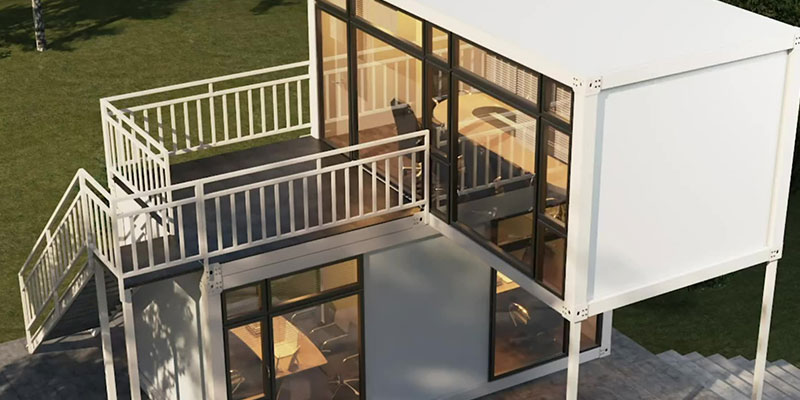
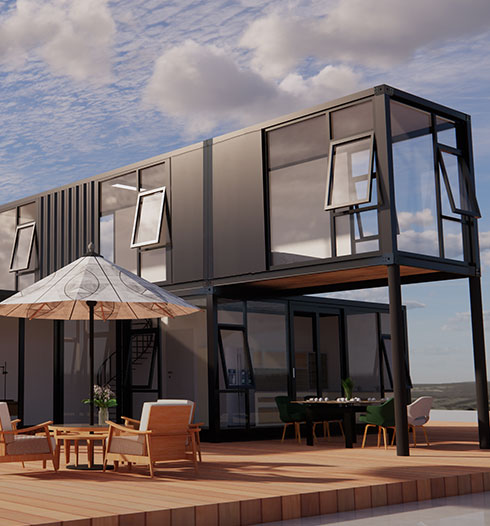
- Total Project Budgets: A simple single-container home with basic finishes starts at around $35,000 to $80,000. A mid-range home using multiple containers typically falls between $80,000 and $175,000. Large, architect-designed custom container homes easily reach $150,000 to $350,000 or more.
- The 80/20 Rule: In nearly every project, the container shell represents just 10–20% of the total cost. The remaining 80–90% pays for standard construction work—insulation, plumbing, electrical, HVAC, drywall, and cabinetry—done inside a non-standard metal box. Any expected savings often evaporate if you are not prepared for this reality.
How Much It Costs to Flip a Home in 2026
House flipping in 2026 is a high-stakes game of tight margins and rising carrying costs. Profits have compressed significantly from the peaks of a few years ago, making accurate budgeting more important than ever.
- Renovation Costs Near All-Time Highs: The average renovation expense on a flip hit a record $80,000 in 2025, and costs have remained elevated into 2026 due to persistent material and labor inflation. Budgeting less than $60,000 for anything beyond minor cosmetic work is rarely realistic.
- Profit Margins at 17-Year Lows: The most recent data shows median gross profits on flips hovering around $65,300, down more than 13% from the prior year. When factoring in holding costs, realtor commissions, and unexpected repairs, net profits can be razor-thin.
- Total Project Costs: Beyond the purchase price, a typical flip will consume an additional $60,000 to $100,000 in renovation, carrying costs, and selling expenses. This does not include the down payment or the cost of the property itself.
- The 70% Rule Still Applies: A proven investment guideline is that you should not spend more than 70% of a property's after-repair value (ARV), minus the estimated renovation costs. If a home will be worth $300,000 after repairs, your maximum all-in cost (purchase + rehab) should be $210,000. If the renovation costs $80,000, you cannot pay more than $130,000 for the house.
- Hidden Drains on Profit: Property taxes, insurance, utilities during the rehab period, loan interest, and the 5–6% real estate commission when you sell can easily add $20,000–$40,000 to the project cost, turning a seemingly good deal into a loss.
What a Bounce House Costs: Rental, Purchase, and Ownership
Whether you need one for a weekend party or are considering starting a rental business, bounce house costs span a wide range. The key differentiator is residential quality versus commercial-grade durability.
- Rental Costs: For a one-day backyard event, renting a standard bounce house typically costs $100–$150. Larger themed units or combo bouncers with slides rent for $150–$400 or more, depending on the region and season.
- Residential Purchase: A small residential bounce house suitable for young children can be purchased for as little as $150–$500. A medium-sized combo unit with a slide and bounce area typically costs $500–$1,200.
- Commercial Purchase: Heavy-duty, commercial-grade inflatables built for frequent setups and rentals cost $1,200 to $3,500. Large obstacle courses or water-themed combos can run $2,500 to over $5,000.
- Hidden Ownership Costs: Owning a bounce house means you also need a dedicated air blower ($50–$200), electricity to run it continuously ($1–$5 per hour), and a repair fund for tears or seam leaks ($50–$150 per repair). If you use it commercially, liability insurance can add $300–$600 per year.
Final Practical Considerations for 2026
Before committing to any of these housing or investment paths, several universal factors can make or break your budget and timeline.
- Land and Site Work Are a Separate Major Expense: For prefab, Boxabl, and container homes, the land cost and site preparation are entirely additional. Soil testing, grading, a permanent foundation, and bringing utilities to the site can add tens of thousands of dollars that are easily overlooked.
- Financing Differs by Structure Type: Modular homes on permanent foundations usually qualify for traditional mortgages. Container homes, tiny homes on wheels, and some ADUs may require alternative financing such as personal loans or RV loans, which often have higher interest rates and shorter terms.
- Zoning and Permits Remain Critical: Always verify local zoning codes, building permits, and HOA restrictions before purchasing any alternative housing structure. Many municipalities still do not have clear codes for container homes, which can lead to costly delays.
- Flip Risks Are Elevated: With margins at 17-year lows, house flipping is not a guaranteed quick-profit strategy. A single unforeseen structural issue or a softening in the local resale market during your hold period can erase all potential gain.
- Resale and Appreciation Vary: A traditional prefab or modular home on a permanent foundation typically appreciates similarly to site-built houses. A Boxabl Baby Box on wheels may depreciate like an RV. A well-built container home's value is closely tied to the quality of its land and the fit and finish of the interior.