 English
 русский
 Français
 Español
 عربى
عربى

Prefabricated Construction
Content
- 1 Prefab Homes vs. Traditional Homes: Cost, Timeline, and Durability Compared
- 2 Prefab Home vs. Traditional Home: The Core Difference
- 3 Are Prefab Homes Cheaper Than Traditional Homes?
- 4 How Long Does It Take to Build a Prefab Home?
- 5 Prefab Home Construction Process
- 6 Are Prefab Homes Durable?
- 7 How Long Do Prefab Homes Last?
- 8 Are Prefab Homes Energy Efficient?
- 9 Prefab Home Cost vs. Traditional Home Cost: What Affects the Difference
- 10 Choosing Between Prefab and Traditional Construction
Prefab Homes vs. Traditional Homes: Cost, Timeline, and Durability Compared
Prefabricated homes have moved well beyond their reputation as a budget shortcut, and today compete with traditional construction on durability, energy efficiency, and even design flexibility. This guide walks through how prefab homes compare to traditional site-built homes across cost, construction time, lifespan, energy performance, and the build process itself.
Prefab Home vs. Traditional Home: The Core Difference
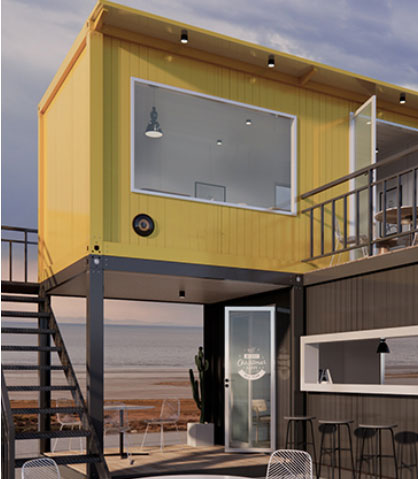
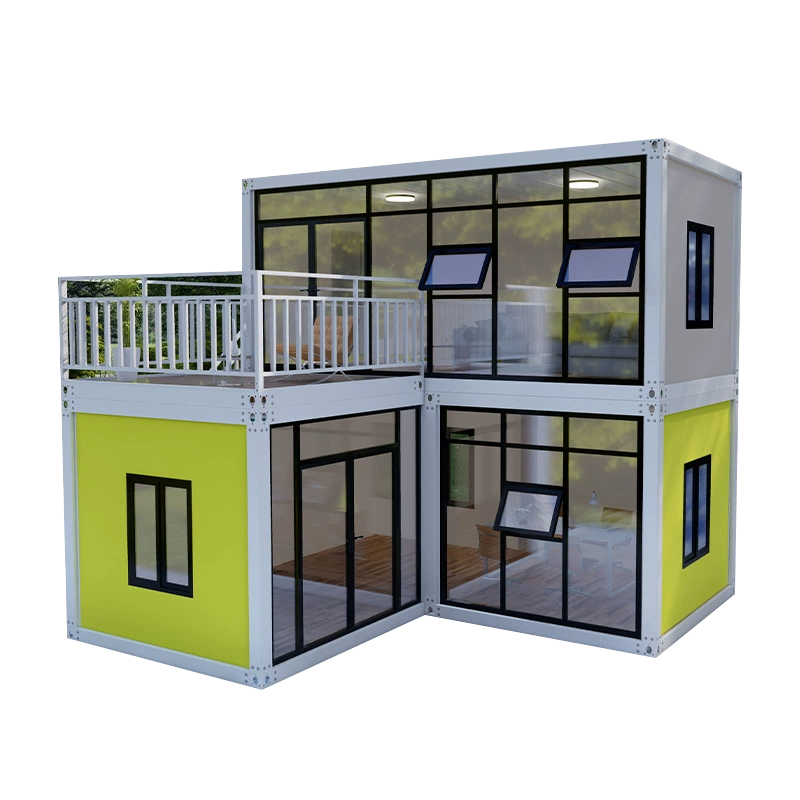
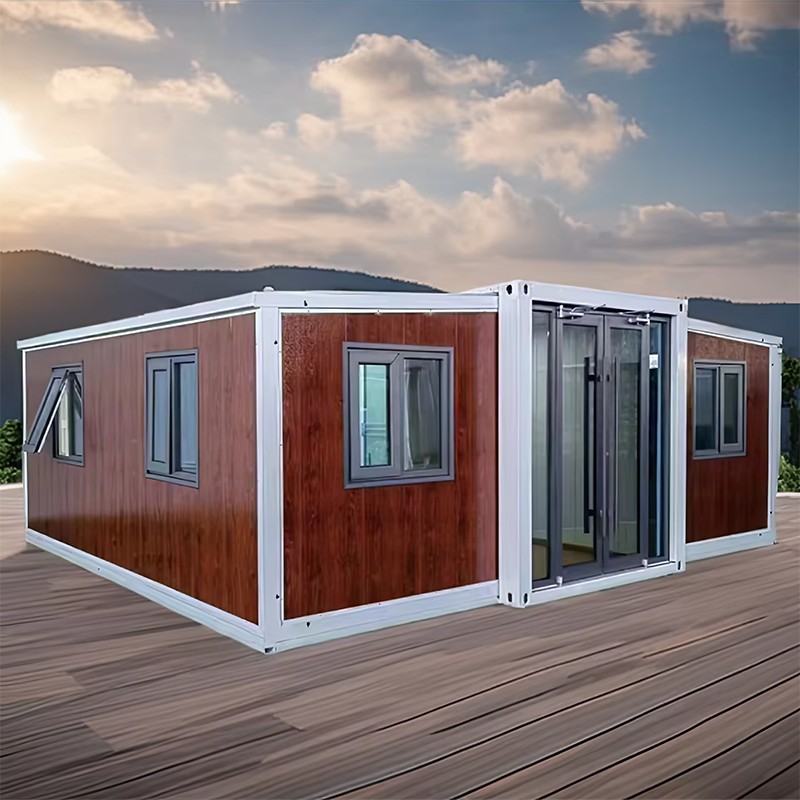
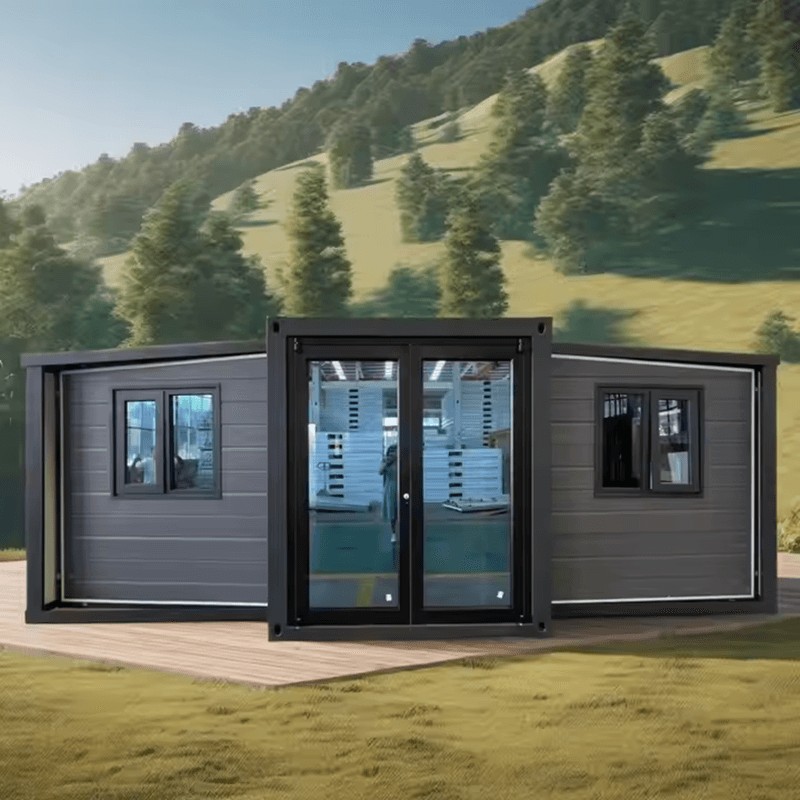
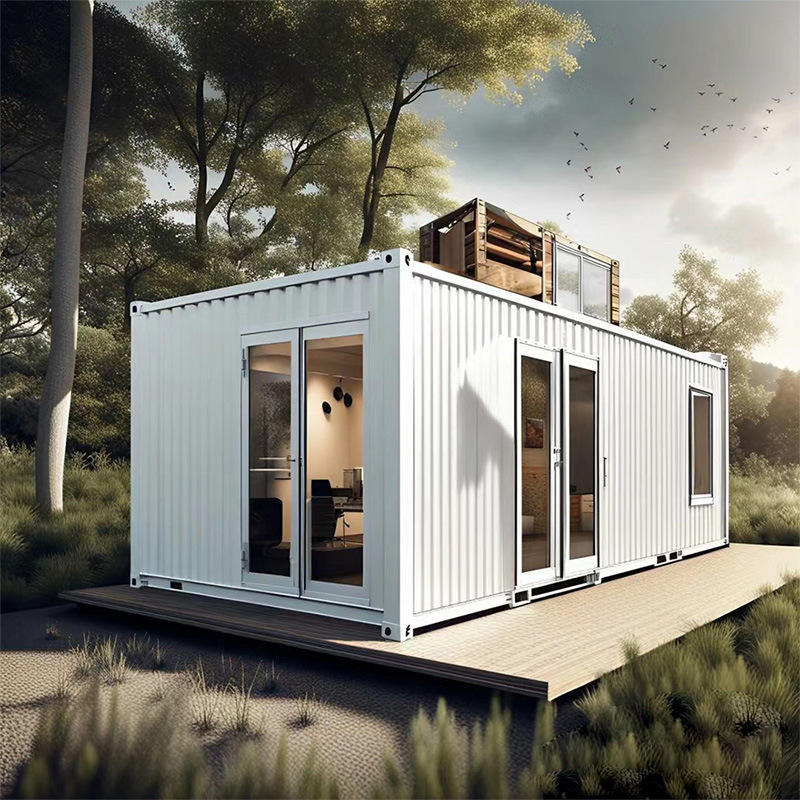
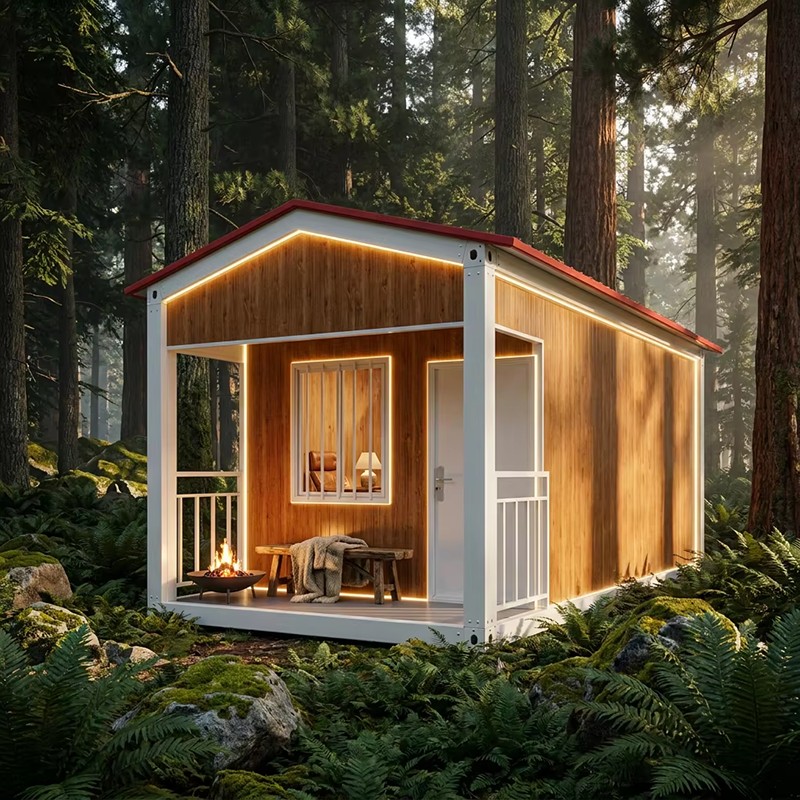
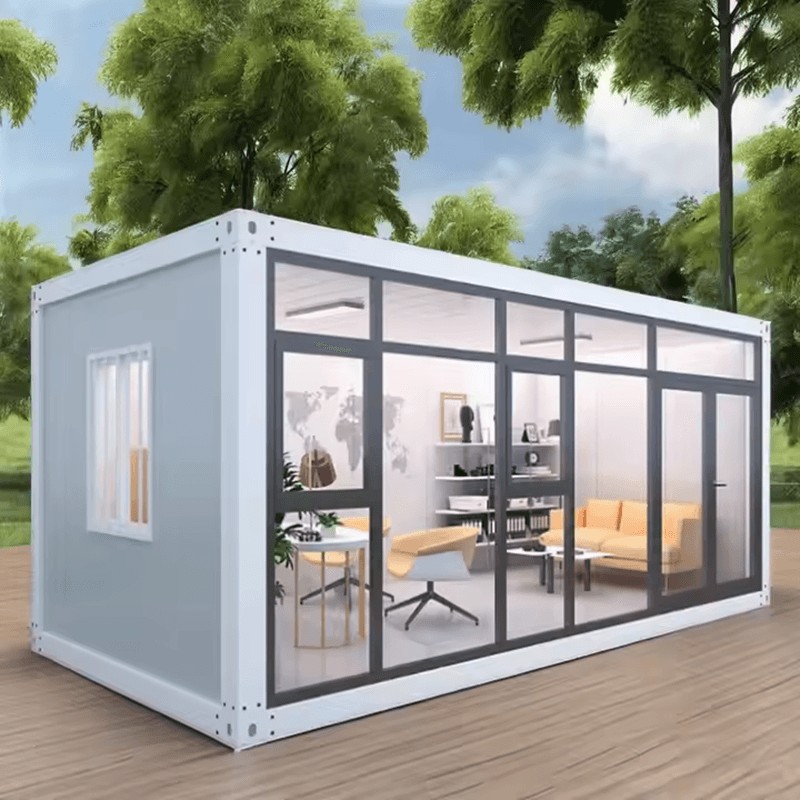
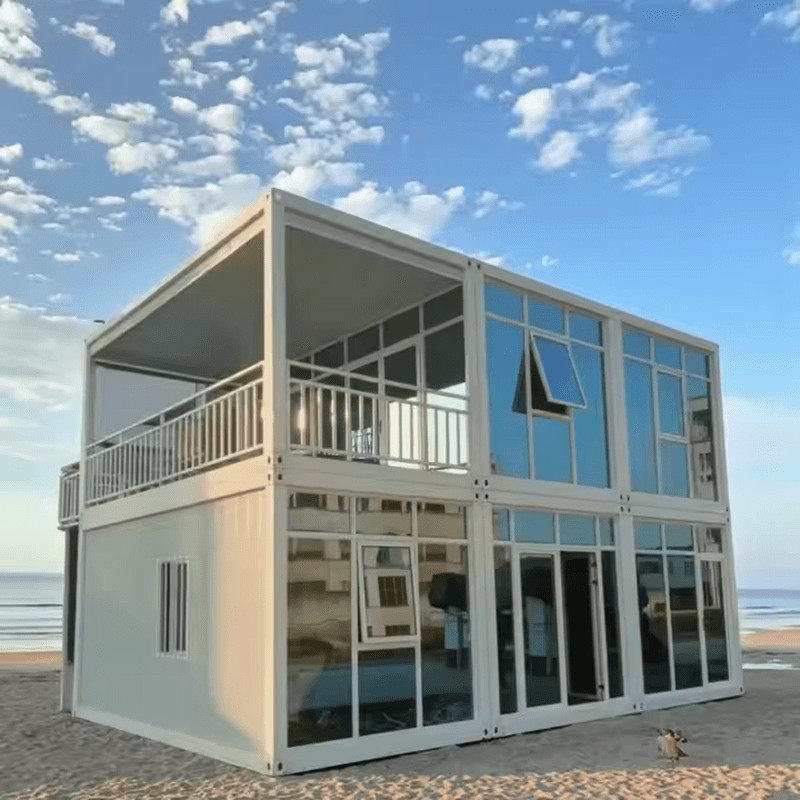
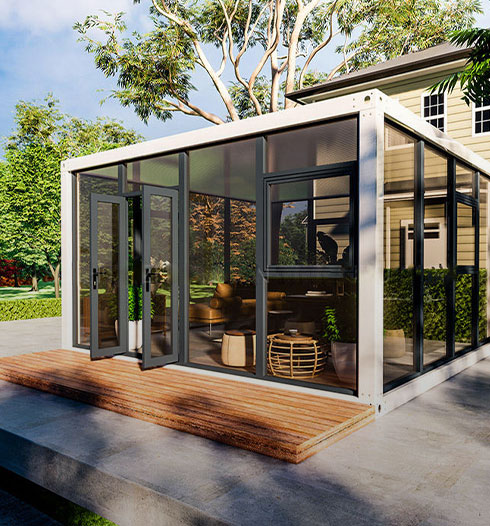
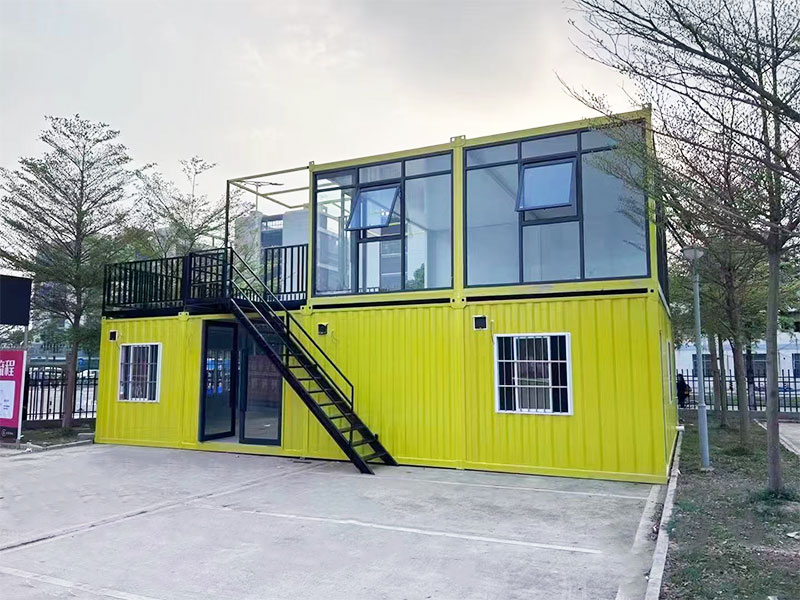
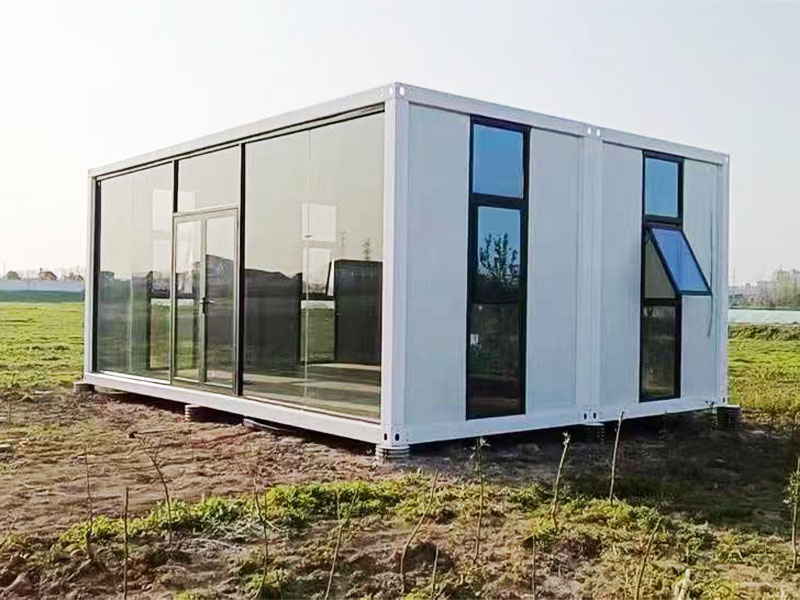
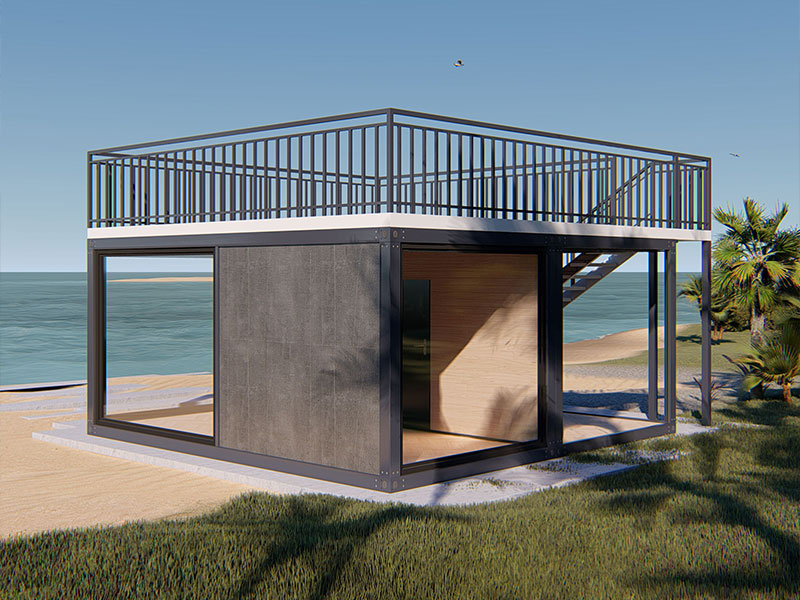
The fundamental difference between a prefab home and a traditional home comes down to where the building happens. A traditional home is built entirely on-site, from foundation to finishing, with materials and labor coordinated in sequence at the building location. A prefab home is manufactured largely off-site — in modules, panels, or complete sections — in a factory setting, then transported and assembled on the final building site.
Traditional Home
Built entirely on-site, from foundation through finishing, exposed to weather and site conditions throughout construction.
Prefab Home
Major structural components manufactured in a controlled factory setting, then transported and assembled on-site.
This difference in where construction happens cascades into nearly every other point of comparison — cost predictability, build speed, quality control, and even long-term durability all trace back to this basic distinction between factory-controlled and site-exposed construction.
Are Prefab Homes Cheaper Than Traditional Homes?
In many cases, yes — prefab homes tend to cost less than comparable traditional homes, though the gap varies significantly based on design complexity, finishes, and location. Several factors drive this cost advantage:
That said, prefab home cost vs traditional home cost isn't always a clear win for prefab — highly customized designs, difficult site access requiring specialized transport, or remote locations can narrow or even eliminate the cost advantage. Site preparation, foundation work, and utility connections are typically still required for prefab homes and are priced similarly to traditional construction, since those elements aren't part of the factory-built portion of the project.
How Long Does It Take to Build a Prefab Home?
Prefab homes are typically built significantly faster than traditional homes, largely because factory production can happen in parallel with on-site foundation work rather than in sequence. While a traditional home might take six months to a year or more from groundbreaking to move-in, a prefab home can often be completed in a matter of weeks to a few months once the design is finalized and site preparation is underway.
| Phase | Traditional Home | Prefab Home |
|---|---|---|
| Design and permitting | Several weeks to months | Similar timeline, sometimes faster with standardized plans |
| Foundation and site work | Sequential, before structure begins | Can happen in parallel with factory production |
| Structure construction | Months, weather-dependent | Weeks, in controlled factory conditions |
| On-site assembly/finishing | N/A (built in place) | Days to a few weeks depending on complexity |
General timeline comparison between traditional and prefab home construction.
The parallel-track nature of prefab construction — factory work and site work happening simultaneously — is the single biggest driver of its speed advantage over traditional building, where each phase typically has to wait for the previous one to finish.
Prefab Home Construction Process
The prefab home construction process generally follows a consistent sequence, though the specifics vary by manufacturer and home type (modular, panelized, or manufactured):
Because most of the labor-intensive work happens in a factory rather than exposed to site conditions, quality control tends to be more consistent throughout the process, with less variability introduced by weather, site access issues, or scheduling conflicts between trades.
Are Prefab Homes Durable?
Modern prefab homes are built to meet the same building codes and structural standards as traditional homes in most jurisdictions, and in some respects can be more durable due to the controlled manufacturing environment. Because modules are often engineered to withstand the stresses of transport — being lifted, moved, and set onto a foundation — they frequently end up structurally reinforced beyond what a traditional home of the same design would require, which can translate into added durability once in place.
Durability in practice depends heavily on the specific manufacturer, materials used, and how well the transport and assembly process is managed, just as durability in traditional construction depends on the quality of materials and workmanship. Choosing a manufacturer with a strong track record and appropriate certifications matters as much as the prefab-versus-traditional decision itself.
How Long Do Prefab Homes Last?
A well-built prefab home can last just as long as a traditional home — commonly 50 years or more with proper maintenance — since the core structural materials (wood framing, steel, concrete) used in quality prefab construction are the same materials used in traditional building. Lifespan depends more on construction quality, climate, and maintenance than on whether the home was built on-site or in a factory. Older manufactured homes from decades past sometimes carry a reputation for shorter lifespans, but this largely reflects older manufacturing standards and materials rather than an inherent limitation of prefab construction itself; modern modular and panelized homes built to current codes are engineered for a service life comparable to traditional construction.
Are Prefab Homes Energy Efficient?
Prefab homes often achieve strong energy efficiency, sometimes exceeding comparable traditional homes, for a few key reasons. Factory construction allows for tighter tolerances in wall assembly, reducing the air gaps and thermal bridging that commonly occur in site-built construction due to weather exposure and variable workmanship. Many prefab manufacturers also build efficiency-focused features — such as advanced insulation packages, high-performance windows, and airtight construction — into their standard offerings, since energy performance has become an increasingly important selling point in the prefab market.
That said, energy efficiency ultimately depends on the specific design, insulation package, window specifications, and HVAC system chosen — a prefab home built with minimal insulation will still underperform a traditional home built to a high energy-efficiency standard. The construction method sets the potential for tight, consistent building envelopes, but the actual efficiency outcome depends on the specifications selected for that particular home.
Prefab Home Cost vs. Traditional Home Cost: What Affects the Difference
| Factor | Impact on Prefab Cost | Impact on Traditional Cost |
|---|---|---|
| Labor | Lower, concentrated in factory setting | Higher, extended on-site labor across trades |
| Material waste | Lower, controlled factory cutting | Higher, more variable on-site waste |
| Weather delays | Minimal impact on factory production | Can significantly extend timeline and cost |
| Customization | Can increase cost significantly for non-standard designs | More flexible for fully custom designs |
| Site access/transport | Can add cost for difficult or remote sites | Generally unaffected by transport limitations |
Key cost factors comparing prefab and traditional home construction.
Choosing Between Prefab and Traditional Construction
Timeline priorities: if speed to move-in matters most, prefab's parallel construction process typically offers a significant advantage.
Budget predictability: factory production offers more cost certainty, since it's less exposed to weather delays and labor availability fluctuations.
Design flexibility needs: highly custom, non-standard designs may still favor traditional construction or a hybrid approach.
Site conditions: remote or difficult-access sites should factor in transport and crane costs when comparing prefab options.
Long-term goals: both construction methods can deliver durable, long-lasting homes when built to current codes with quality materials and manufacturers.
Working through timeline, budget, site conditions, and design goals — rather than assuming one method is universally better — is what determines whether prefab or traditional construction is the right fit for a specific project.