 English
 русский
 Français
 Español
 عربى
عربى

The global hospitality industry is rapidly shifting toward prefabricated architecture. Resorts, glamping sites, and eco-lodges are discovering that modular builds offer faster construction, lower labour requirements, and a distinctive guest experience that traditional hotels struggle to match. When investors and project managers shortlist viable structures, two typologies consistently stand out: the futuristic space capsule house and the versatile modular container house.
Choosing between them is rarely straightforward. It involves weighing geometric aesthetics against practical volumes, comparing insulation physics, and understanding how each shape influences occupancy rates and return on investment (ROI). This guide delivers a detailed comparison of space capsule houses and modular container houses, specifically tailored to resort owners, architects, and independent buyers who need reliable, data-driven answers.
Content
- 1 1. Aesthetic Appeal: Futuristic Curves vs. Industrial Personality
- 2 2. Structural Insulation: Material Science and Occupant Comfort
- 3 3. Resort ROI: Cost, Speed, and Asset Efficiency
- 4 4. Comparative Summary: Which Typology Wins in 2026?
- 5 5. Frequently Asked Questions for Resort Architects and Buyers
1. Aesthetic Appeal: Futuristic Curves vs. Industrial Personality
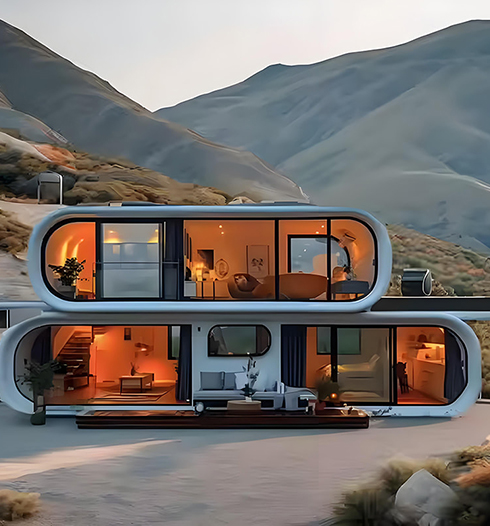
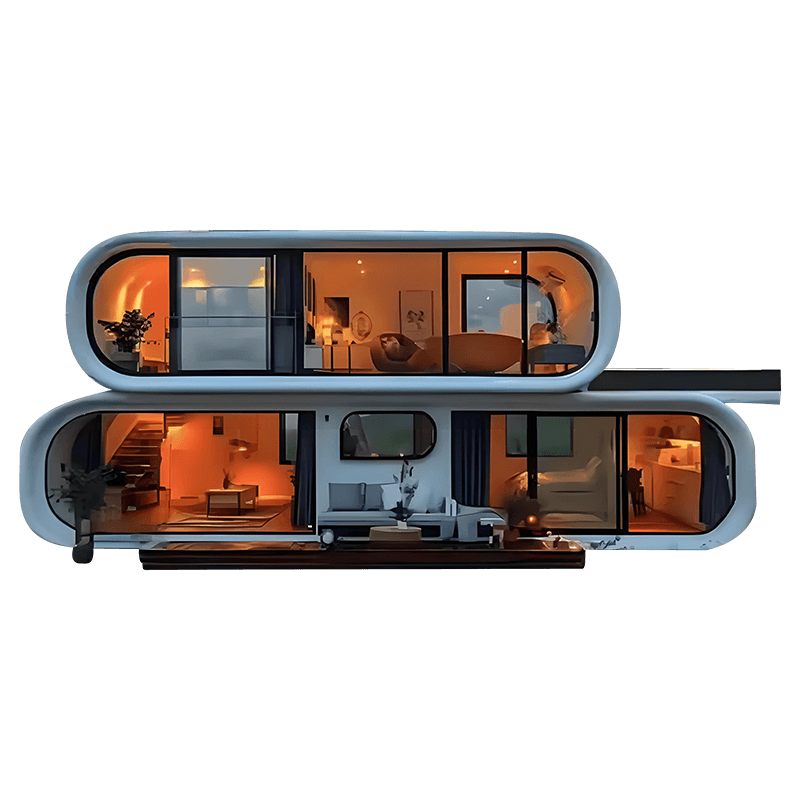 Space Capsule Mobile House for Resort LodgingThis futuristic capsule home features a smooth, jointless shell inspired by spacecraft or whale shapes, boosting visual appeal on social media. Its prefabricated, foundation-free design installs in hours and suits diverse natural sites, making it a strong choice for resorts seeking organic attention.View Product →
A resort’s profitability depends heavily on the guest’s first visual impression. If the unit looks compelling in a social media post, the property gains organic marketing. This is where aesthetic design, geometry, and materials become strategic assets.
The Space Capsule: Sculpted Panoramic Drama
Space capsules are engineered to be visual statements. Their curved composite shells, expansive polycarbonate windows, and aviation-inspired silhouettes create a futuristic observatory experience. They offer unobstructed 180-degree to 270-degree viewing angles, making them exceptional for beachfront villas, mountain overlooks, and desert glamping. The compact footprint encourages a minimal intervention on land, while the organic shape feels at home in nature. Every unit becomes a photo-worthy icon that elevates the entire resort brand.
The Modular Container: Customizable Architectural Heritage
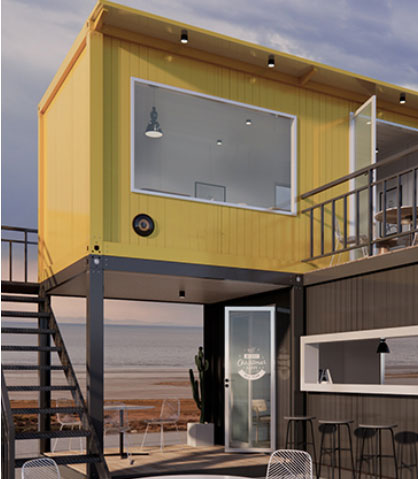
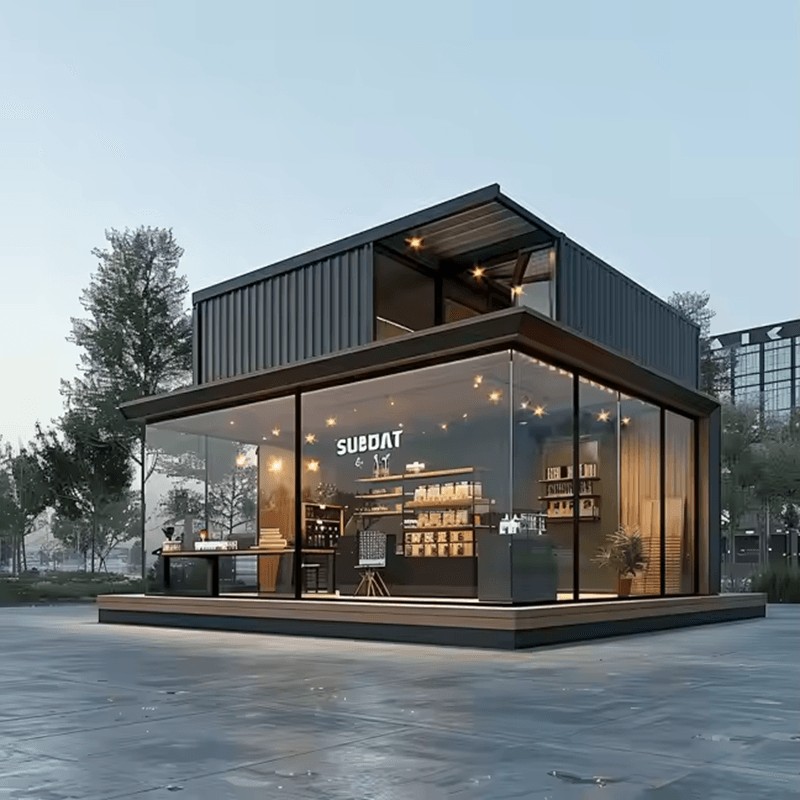
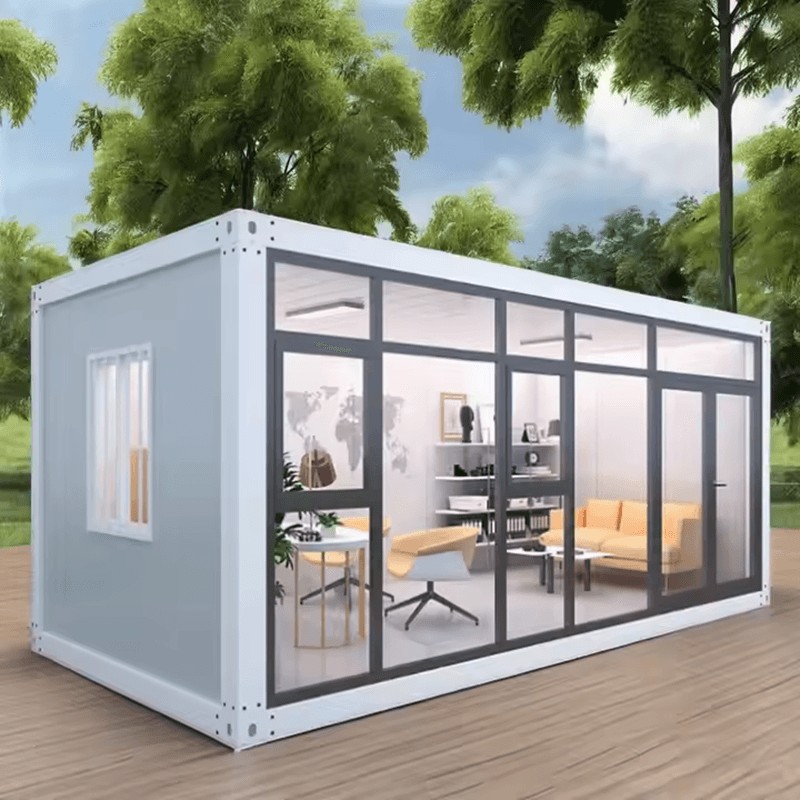
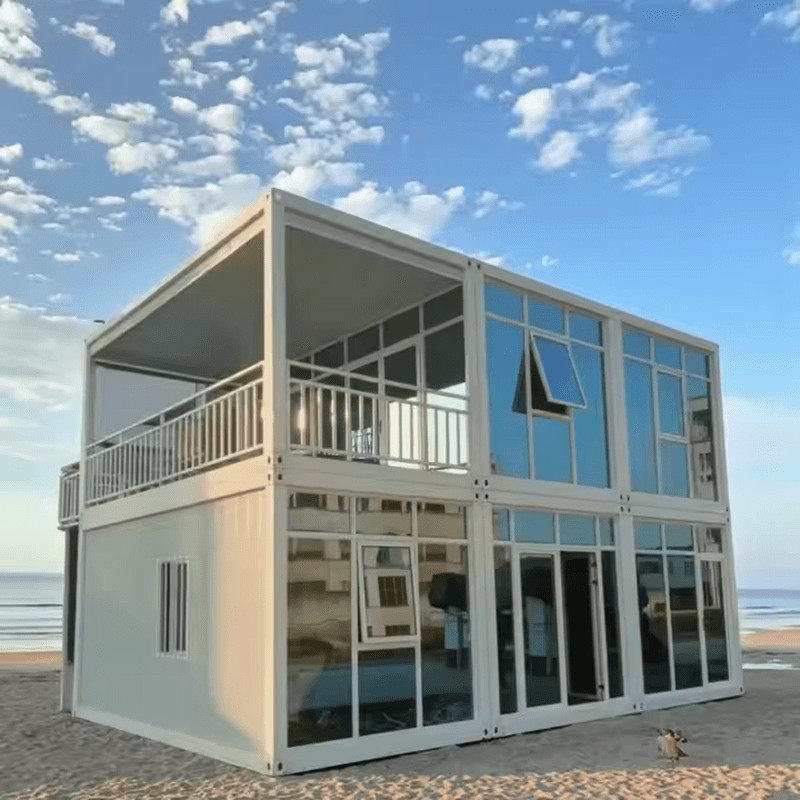
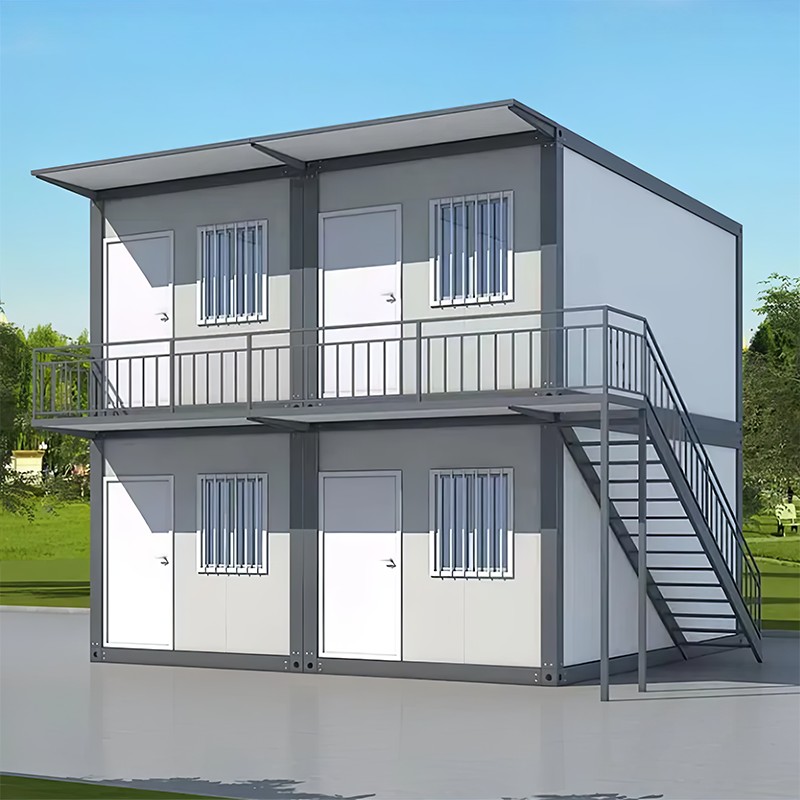
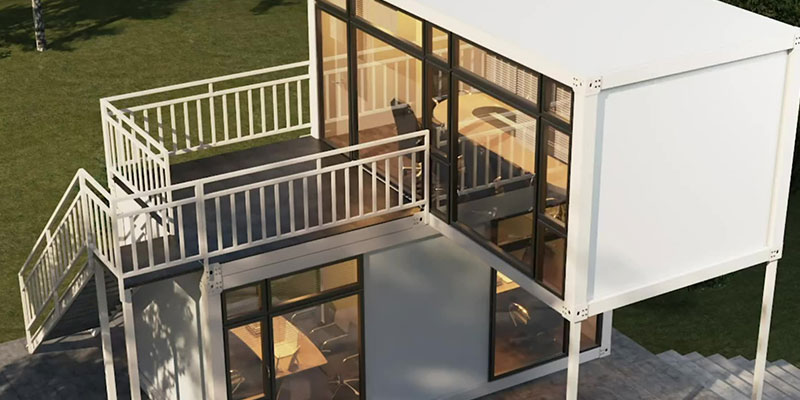
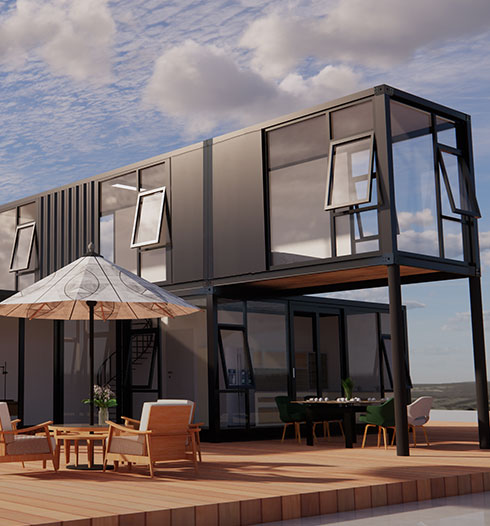
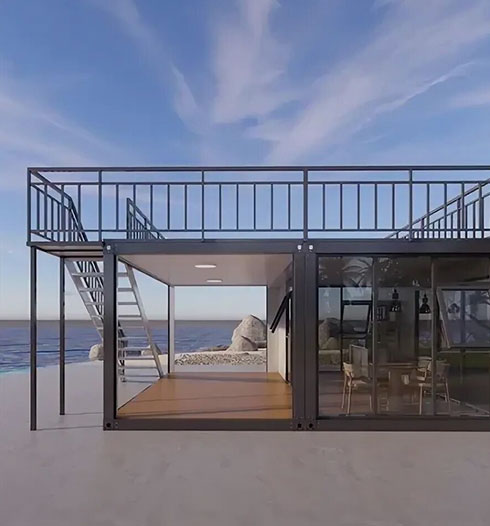
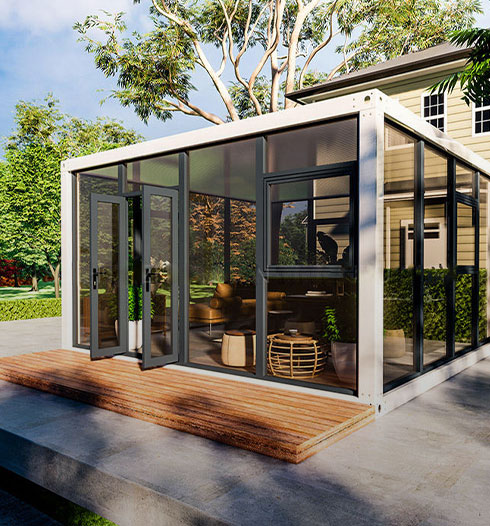
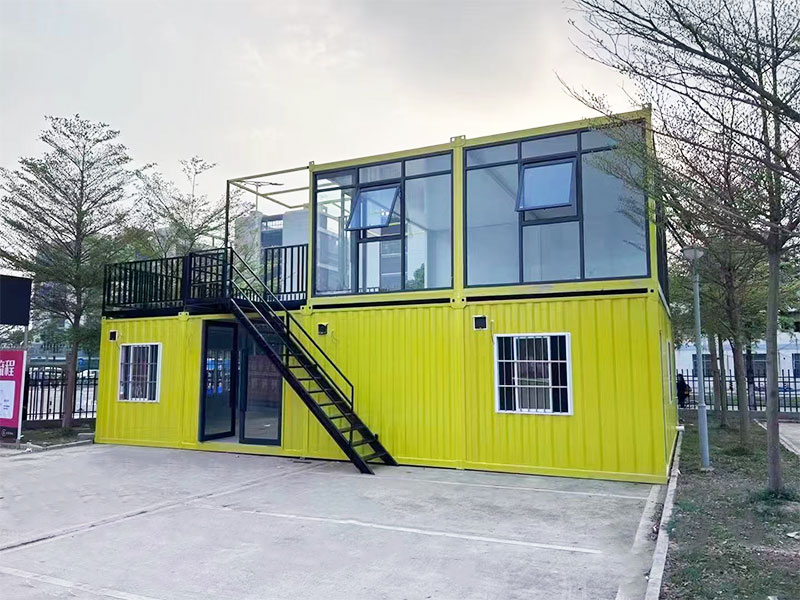
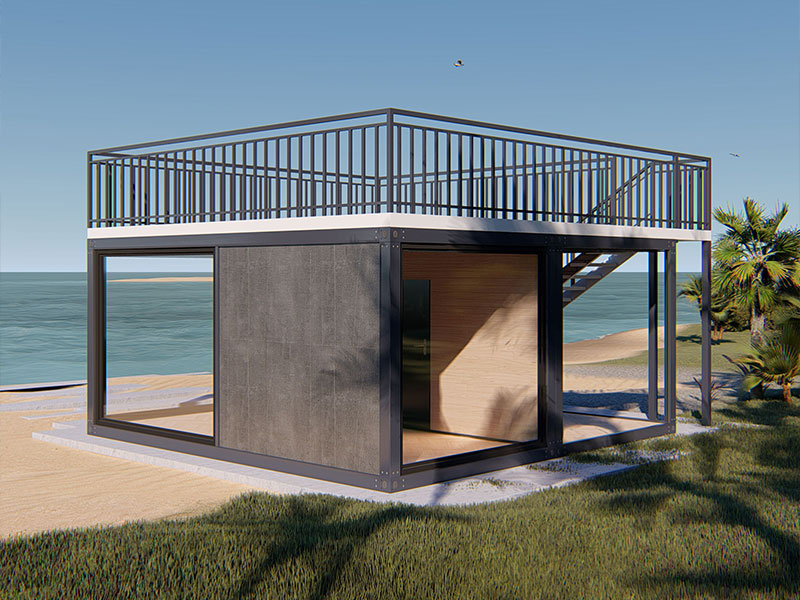
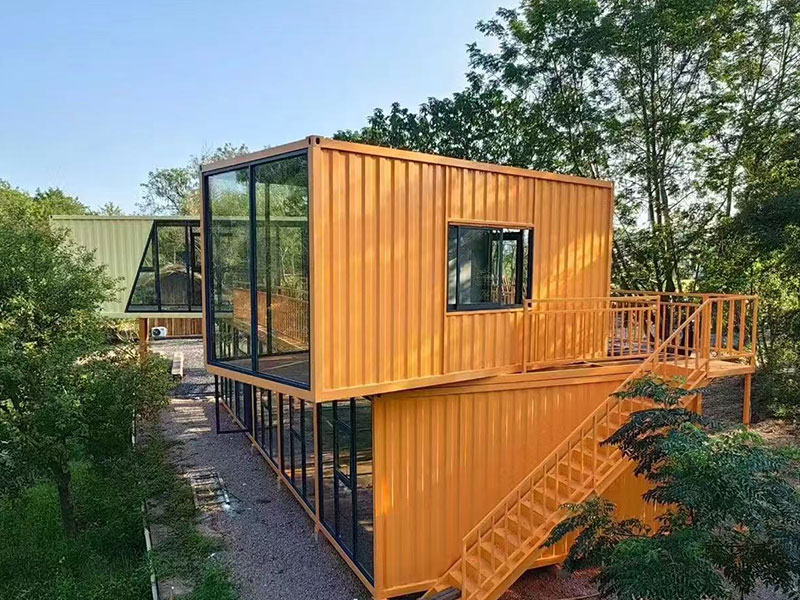
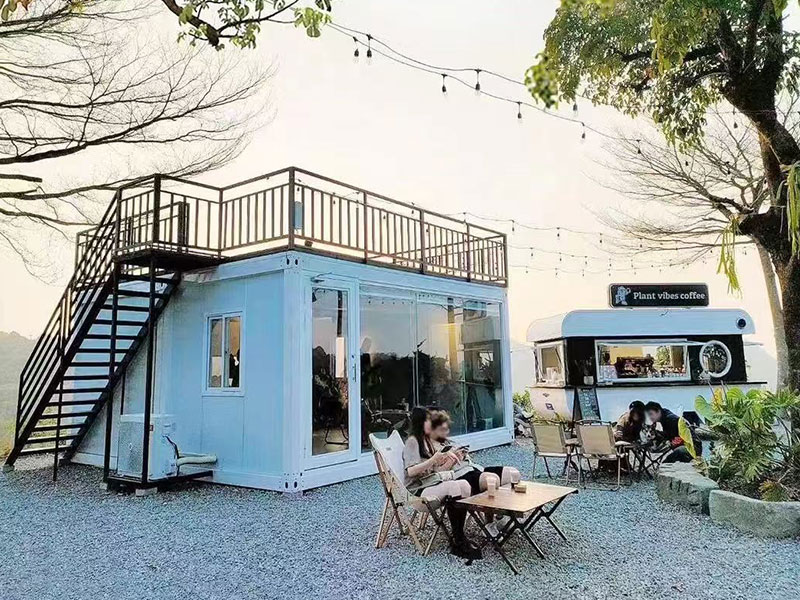
Modular container houses offer a completely different personality—bold, industrial, and infinitely customizable. The rigid steel frame provides a clean canvas for cladding, rooflines, and mixed-material facades such as corten steel, wood slats, or vertical gardens. Containers can be stacked to create two-storey structures, clubhouses, or staff quarters, delivering an "eco-industrial" aesthetic that is highly popular in glamping and adventure resorts. The linearity of the design enables varied spatial planning, allowing guests to spread out across multiple rooms rather than occupying a single pod.
The visual verdict? If your goal is high-impact singular experiences with a strong "wow factor," the space capsule wins. If you value operational flexibility, themed townhouses, and large-volume family suites, the modular container is the more versatile foundation.
2. Structural Insulation: Material Science and Occupant Comfort
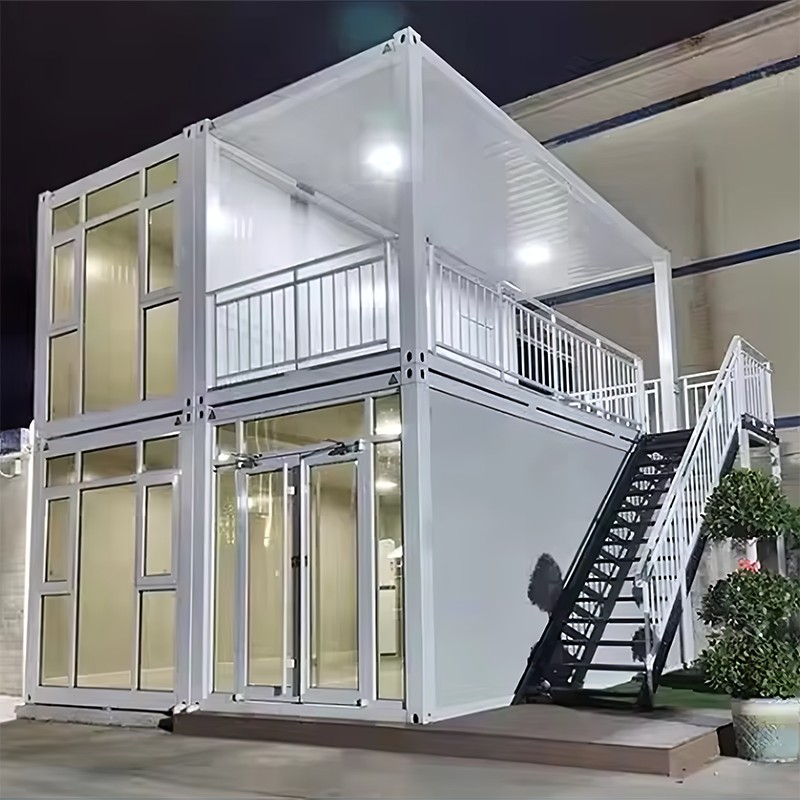
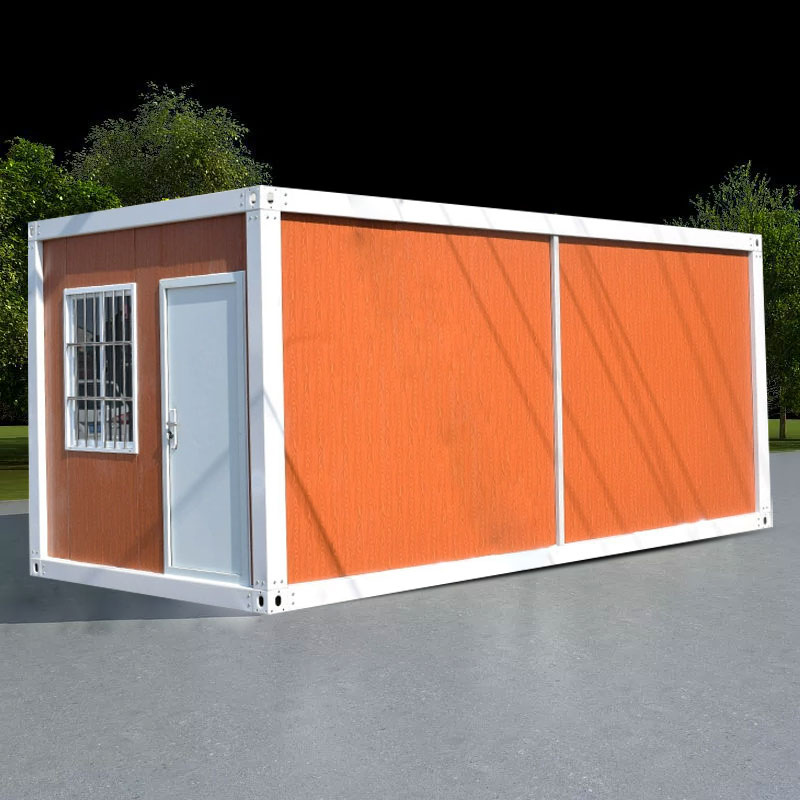
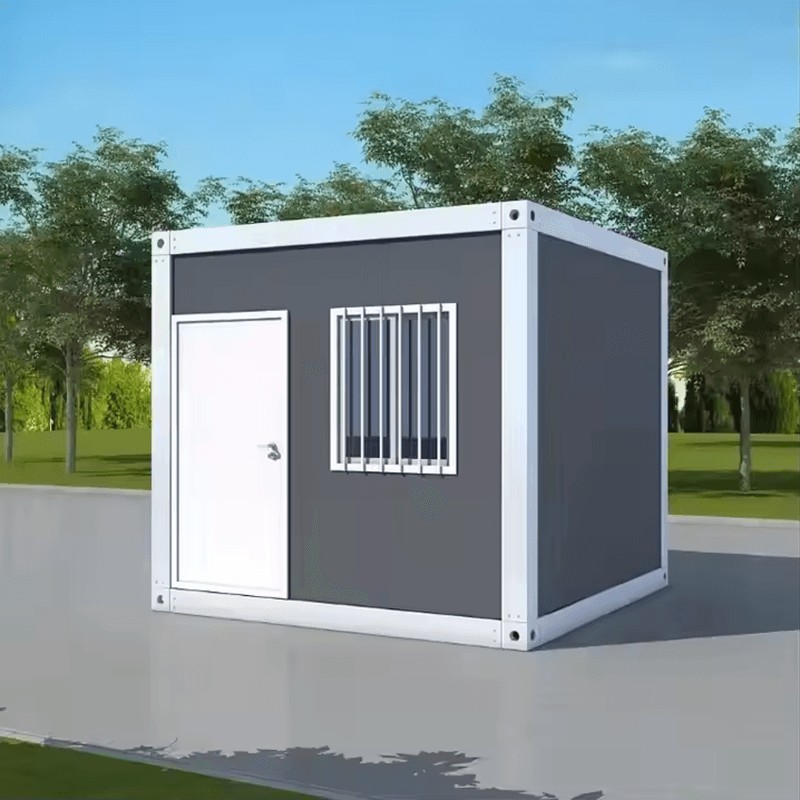
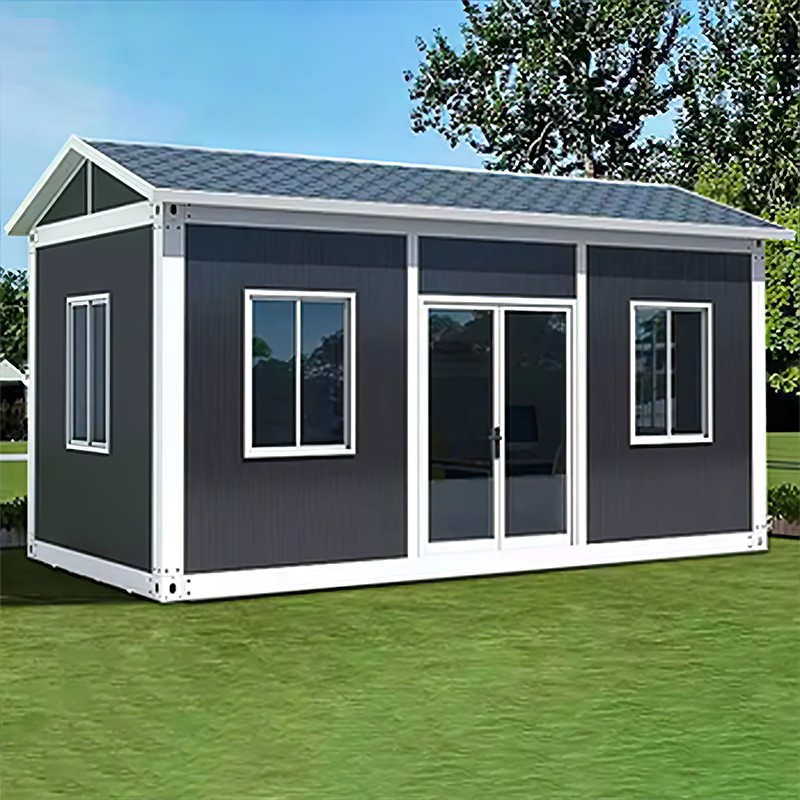
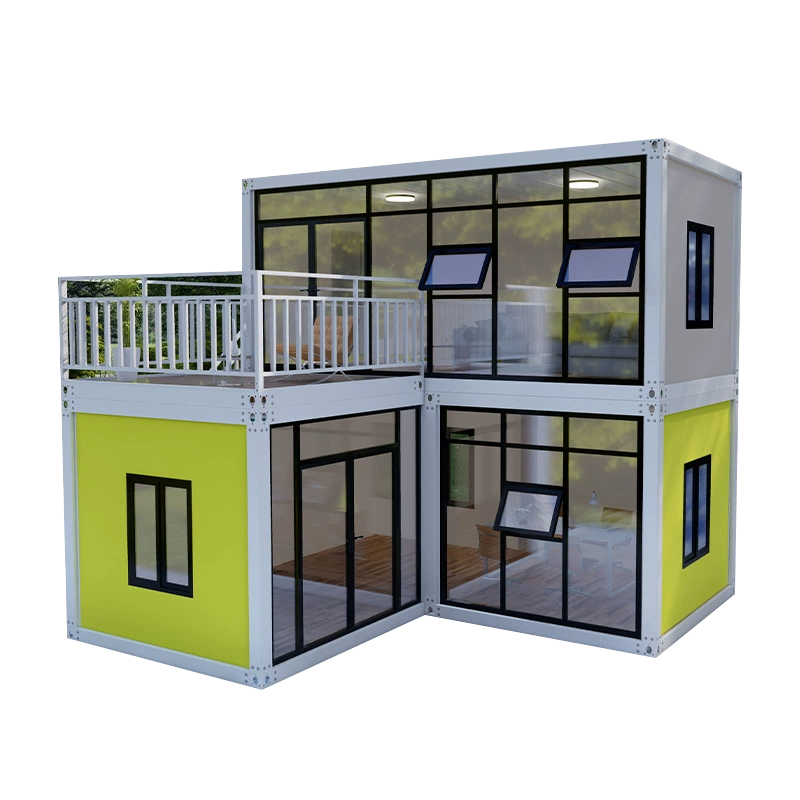 Fireproof Rock Wool Sandwich Panel Container HouseBuilt with fireproof rock wool panels and a stable steel frame, this container house offers reusable, rust-resistant components for construction sites, shops, or dormitories. Its customizable insulation and quick assembly directly address energy costs and structural safety concerns raised in the guide.View Product →
Structural insulation is not just about keeping the interior warm in winter and cool in summer. It directly impacts the hotel’s energy expenditure, humidity control, and guest satisfaction. The two systems employ fundamentally different engineering philosophies.
Space Capsule: The Seamless Composite Envelope
Space capsule houses are built like high-end recreational vehicles or aerospace modules. The shell is composed of fiberglass or similar composites with an integrated polyurethane foam core. This layered design forms a continuous, joint-free insulation envelope. Thermal bridging—the silent enemy of energy efficiency—is practically eliminated because there are no metal studs conducting heat from the exterior to the interior. The curved geometry also sheds wind and snow naturally, reducing local pressure on building joints and minimizing condensation risk in extreme environments. For resorts located in harsh climates, the space capsule offers remarkably stable internal temperatures and lower ongoing HVAC costs.
Container House: The Steel Frame & Rock Wool Approach
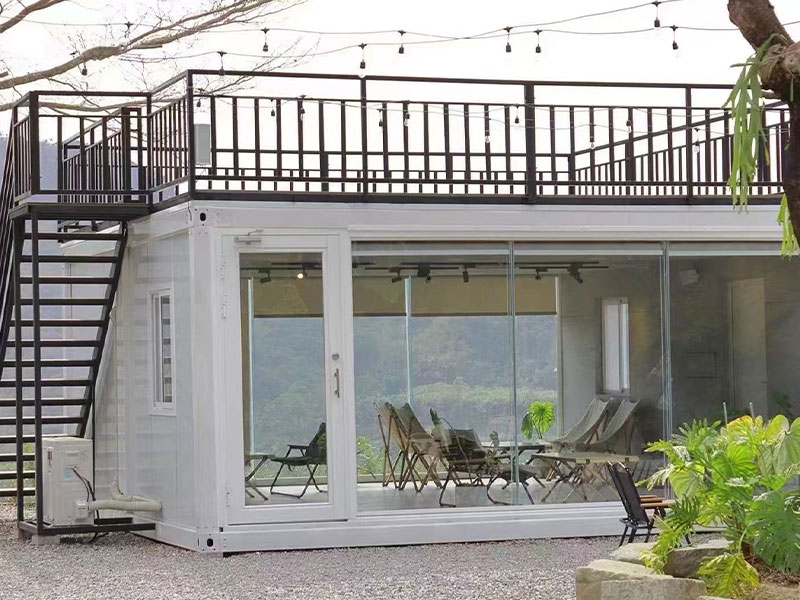
Modular container houses rely on steel moment frames combined with fireproof rock wool sandwich panels. Rock wool provides excellent thermal resistance, Class A fire protection, and strong acoustic damping. However, steel is naturally conductive. Without meticulous structural thermal-bridge treatment—critical at the junctions between the floor, wall, and roof panels—temperature leaks can occur. High-quality manufacturers use sandwich panel joints with specialized gaskets and applied interior insulation sheathing to mitigate this rule. When properly detailed, a container house achieves excellent efficiency, especially in moderate climates. It is also highly adaptable: technicians can install additional aerogel or extruded polystyrene layers side-by-side with custom interior linings for ultra-premium stays.
For a deeper look at the engineering principles behind steel-framed prefab buildings, read our comprehensive technical guide to container houses and modular prefabricated architecture.
The insulation verdict? The space capsule is architecturally superior in extreme climates due to its jointless composite shell, while a well-built container house delivers excellent, customizable insulation with the added advantage of fire-rated rock wool boards.
3. Resort ROI: Cost, Speed, and Asset Efficiency
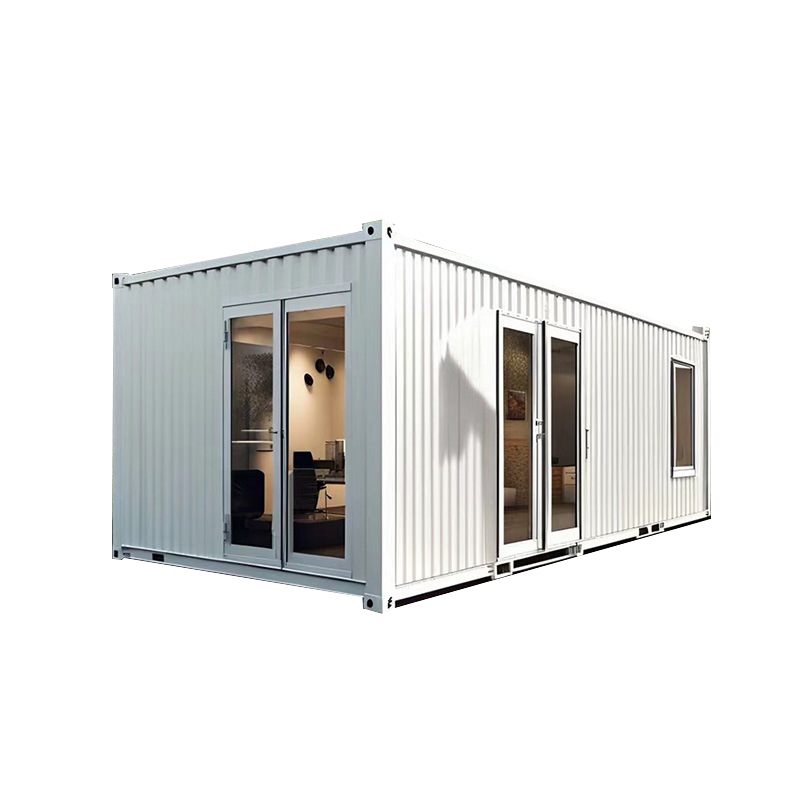
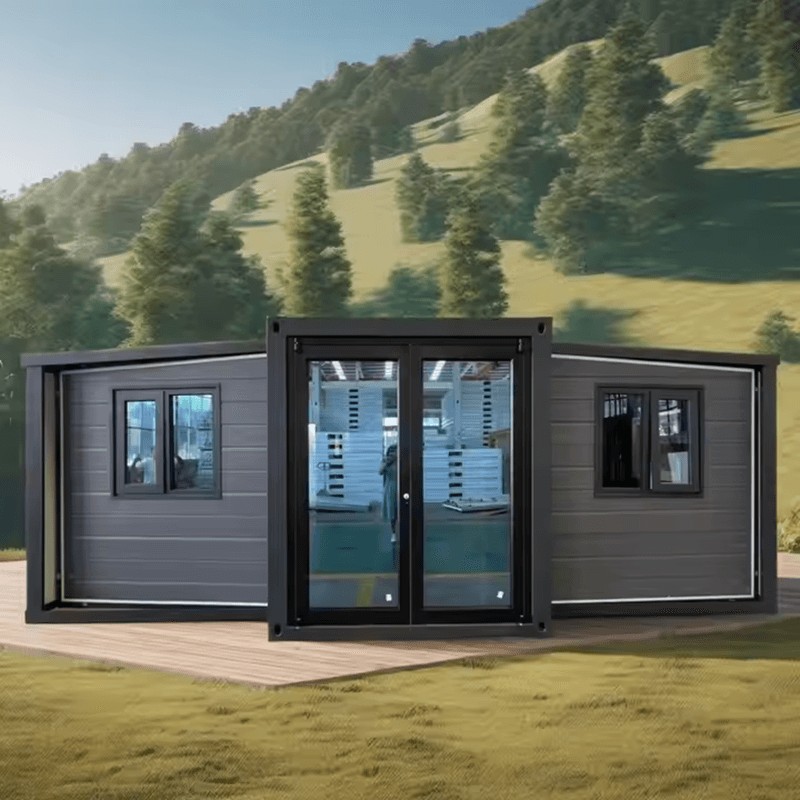
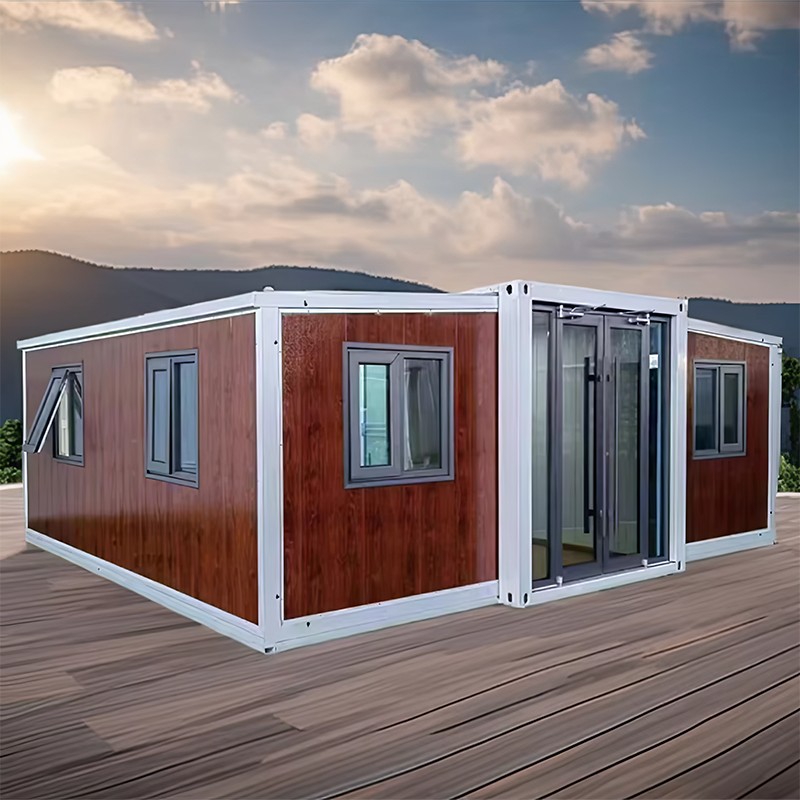
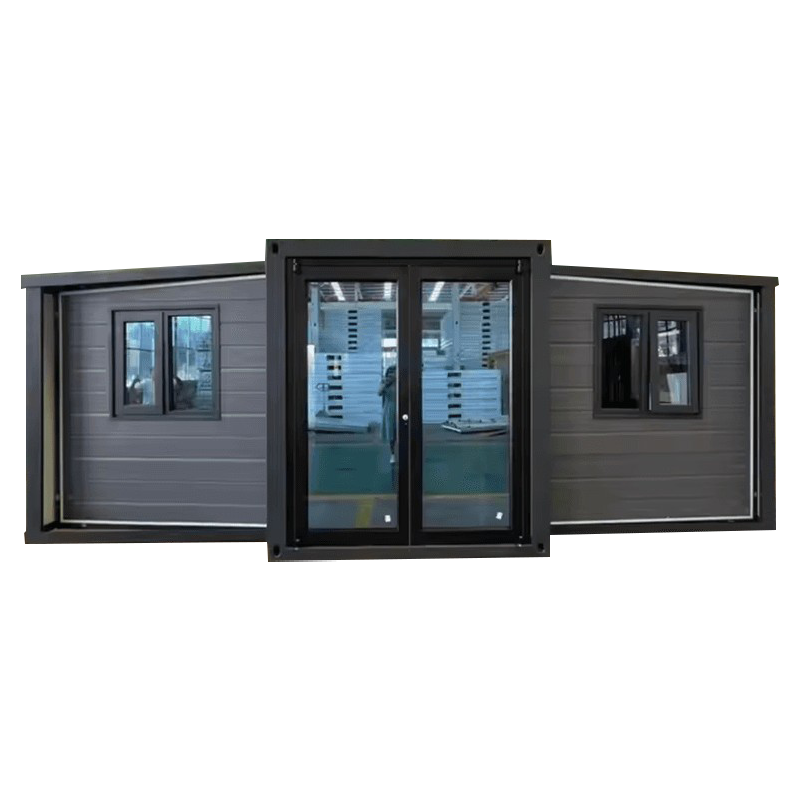 Expandable Standard Container Mobile HouseThis unit looks like a standard container for easy transport yet expands mechanically to add space on one or more sides. High-strength steel and fireproof panels ensure stability, while customizable interiors and rapid deployment deliver cost-effective flexibility for operators weighing ADR and long-term savings.View Product →
Return on investment in the hotel sector comes down to four factors: initial capital expenditure, installation speed, nightly achievable rate (ADR), and long-term operational savings. Let’s break them down.
Cost-Efficiency: Modular container houses have a lower price per square meter than space capsules. This makes them ideal for high-volume projects, staff dormitories, and economy resort segments.
Space capsules are premium niche assets. Their specialized production and smaller scale result in a higher entry price. However, because capsules are lightweight, they require minimal foundation works. They can be lifted directly onto adjustable supports, leaving the natural ground untouched. This dramatically reduces site clearing and cement works, a key benefit for eco-certification and project approval.
Reach, Revenue & Operation
In the hospitality industry, uniqueness drives room rates. A standard container hut can be replicated in hundreds of locations, whereas a space capsule feels exclusive. Consequently, capsules often command a 20 percent to 40 percent higher ADR than container units in the same location. Fortunately, space capsule mobile houses are redefining compact living with intelligent layouts that maximize every square foot. A 5-meter capsule functions as a private king-suite with panoramic views, while a 6-meter capsule can include a separate lounge and luxury bathroom.
On the other hand, the modular container house allows high-density stacking. You can place eight units on a piece of land that would support only three capsules. For generating absolute revenue per acre, the container dominates. Owners can also expand their unit mix by adding expansion boxes—a smart way to multiply usable floor area with the same footprint. An expandable container suite can offer a generous living room, kitchen, double bedrooms, and verandas, making it suitable for families and long-stay guests.
-20%
CapEx for container vs. capsule
+30%
ADR potential for capsule suites
9+
Days to install standard container unit
2x
ROI density with stacked containers
The ROI verdict? For low-risk, high-volume expansion, modular container houses provide unbeatable cost efficiency and stacking capability. For boutique projects where photo-worthy design and high ADR are the priority, the space capsule accelerates payback by yielding more revenue per square meter. A hybrid portfolio—capsules for premium guests and containers for family units—often delivers the strongest aggregate returns.
4. Comparative Summary: Which Typology Wins in 2026?
Both systems have earned their place in resort building plans. Use this quick summary to match them to your business profile.
| Feature | Space Capsule House | Modular Container House |
|---|---|---|
| Design Style | Futuristic, panoramic | Industrial, customizable |
| Thermal Insulation | Excellent (Composite PU core) | Very Good (Rock wool panels) |
| Installation Speed | Very fast (lightweight) | Fast (requires foundation work) |
| Footprint | Compact, single-story | Flexible, stackable |
| Scalability | Low to medium | High (multi-unit layouts) |
| Initial Investment | Higher cost per sqm | Cost-efficient per sqm |
| Best Application | Boutique glamping, iconic suites | Family rooms, staff housing, clubhouses |
5. Frequently Asked Questions for Resort Architects and Buyers
Q1: Are space capsule houses structurally strong in high-wind or snowfall regions?
Yes. High-quality prefab capsules are engineered with strict wind-load and snow-load criteria, often exceeding local building codes in mountainous or coastal areas. The curved exterior naturally deflects wind and sheds snow, while the composite shell resists stress without transferring it to fragile wall junctions.
Q2: Can I customize a modular container house to match a specific resort theme?
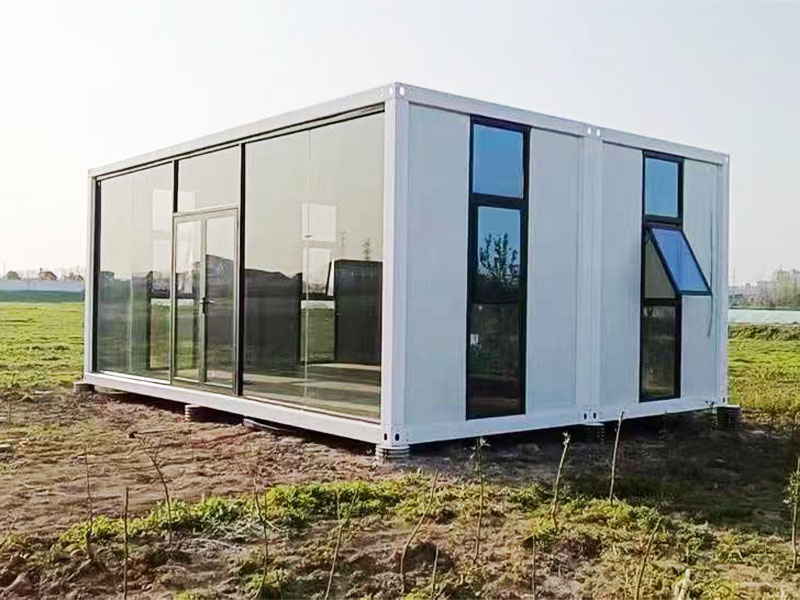
Absolutely. Modular container houses are among the most adaptable structures in modern construction. You can integrate gable roofs, glass sun-rooms, double-wing expansions, and various cladding materials. Whether your theme is jungle luxury, coastal marine, or industrial heritage, a professional manufacturer can supply a fully customized layout and interior finish.
Q3: Which option is better for a small eco-resort with only five acres of land?
If land is limited and your target is high-end privacy, space capsules maximize the guest experience and allow each unit to sit gracefully on the terrain, giving an unmatched sense of seclusion. If you need to host larger groups or events, a stackable modular container solution offers more functional square footage on a compact footprint while still preserving open landscape.
In the end, the choice between a space capsule house and a modular container house must align with your financial goals, landscape constraints, and brand promise. The capsule is a masterpiece of immersive living—a smart, insulated, sculptural object designed for panoramic tranquility and premium pricing. The container is a robust and highly versatile building block, ideal for scalable growth, family-oriented layouts, and mixed-use resorts.
At Suzhou Shengshan Prefabricated Housing Manufacturing Co., Ltd, we manufacture both product lines with a strong focus on structural quality, precise insulation details, and factory-controlled consistency. Our team can support you from initial layout to export and on-site guidance. Contact our sales engineers to discuss which prefab solution will maximize your next resort project’s aesthetic statement and bottom-line performance.