 English
 русский
 Français
 Español
 عربى
عربى

In recent years, the concept of Space Capsule Mobile Houses has gained traction as an innovative solution to modern housing challenges. With rising urban density, limited land availability, and heightened awareness of sustainability, these homes offer a compelling alternative — combining mobility, efficient design, affordability, and eco‑conscious living. In this article, we explore what space capsule mobile houses are, their advantages and drawbacks, typical use cases, and how to choose the right one for your needs.
Content
- 1 What Is a Space Capsule Mobile House
- 2 Key Benefits of Space Capsule Mobile Houses
- 3 Use Cases — Where Space Capsule Mobile Houses Shine
- 4 How to Choose a Space Capsule Mobile House for Your Needs
- 5 Common Drawbacks and Considerations
- 6 Conclusion — Is a Space Capsule Mobile House Right for You?
- 7
- 8 FAQ
- 8.1 What size of family can realistically live in a space capsule mobile house?
- 8.2 Are space capsule mobile houses suitable for cold or extreme climates?
- 8.3 How much does a typical space capsule mobile house cost compared to traditional housing?
- 8.4 Can I relocate my space capsule mobile house easily after installation?
- 8.5 What are the energy efficiency and environmental benefits of space capsule mobile houses?
What Is a Space Capsule Mobile House
Definition and Design Concept
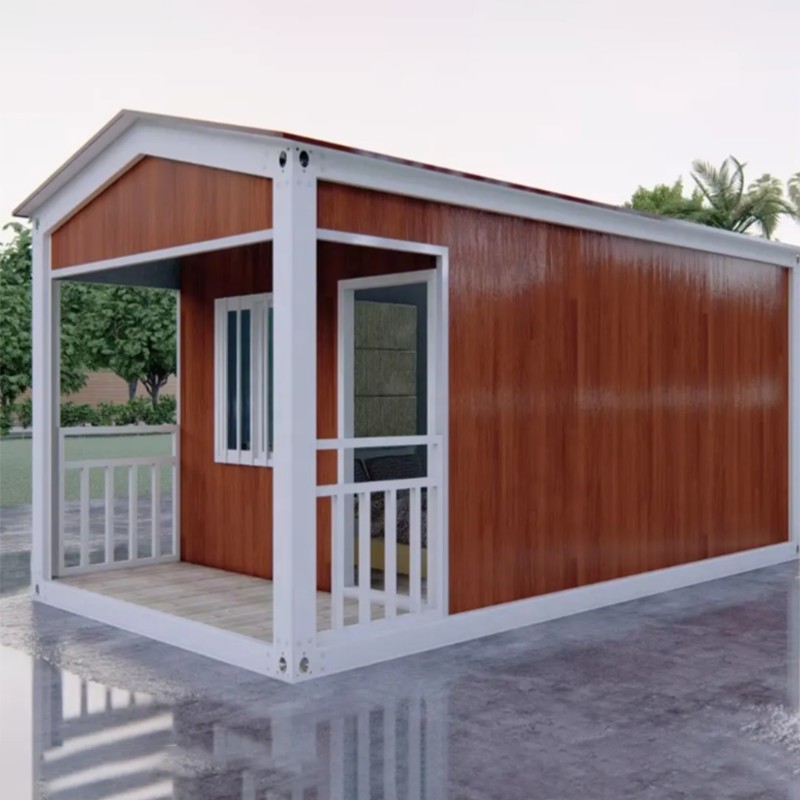
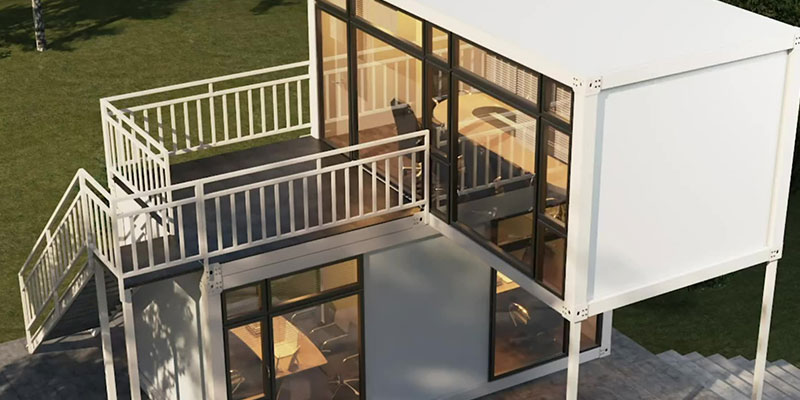
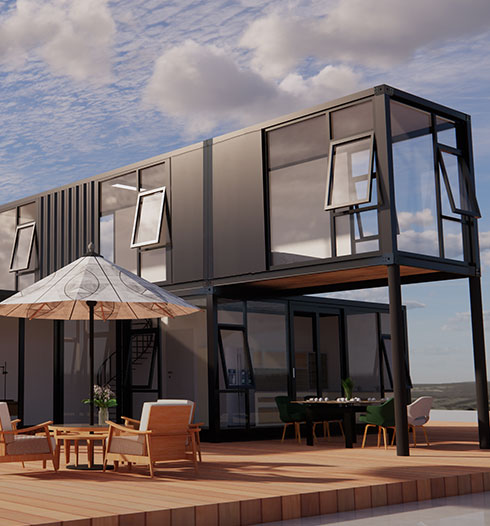
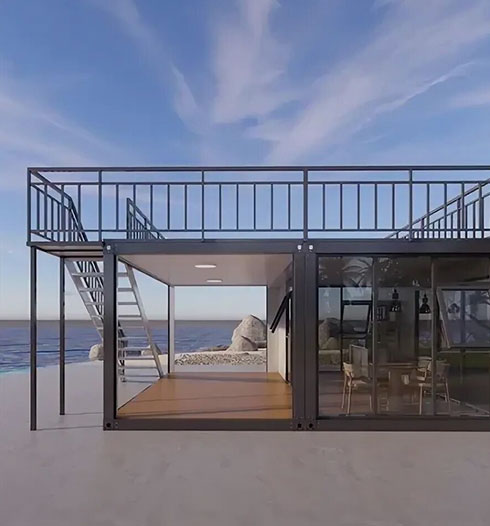
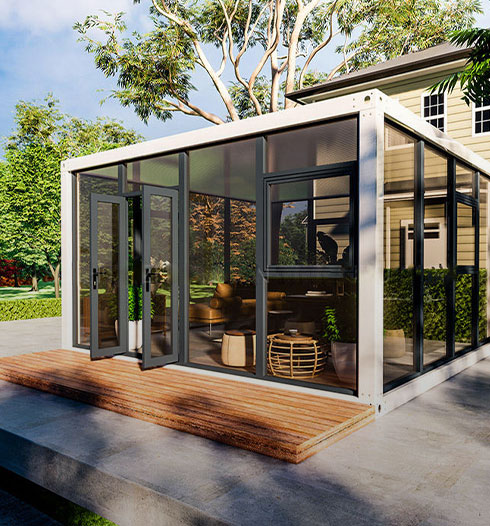
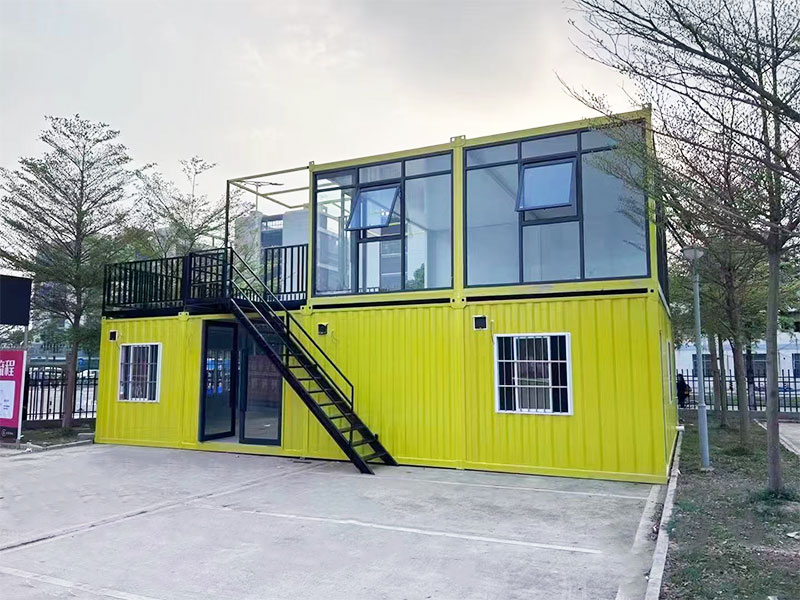
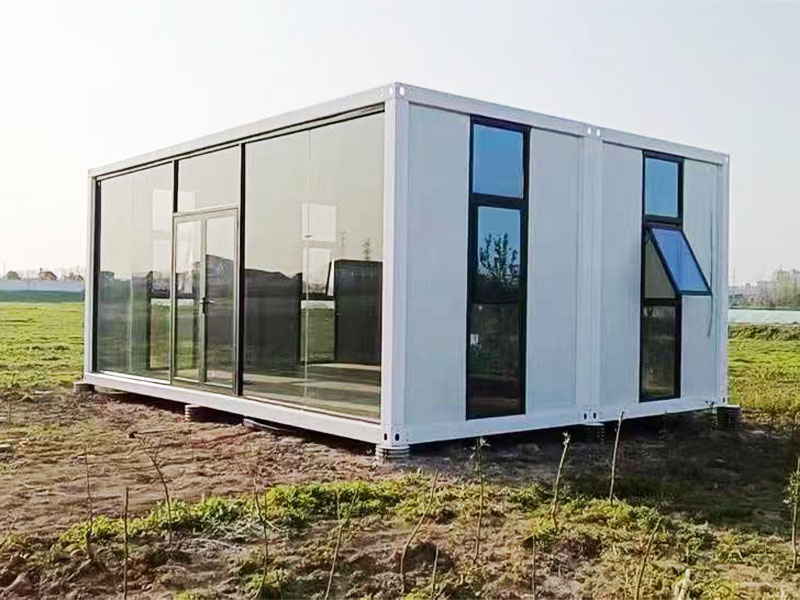
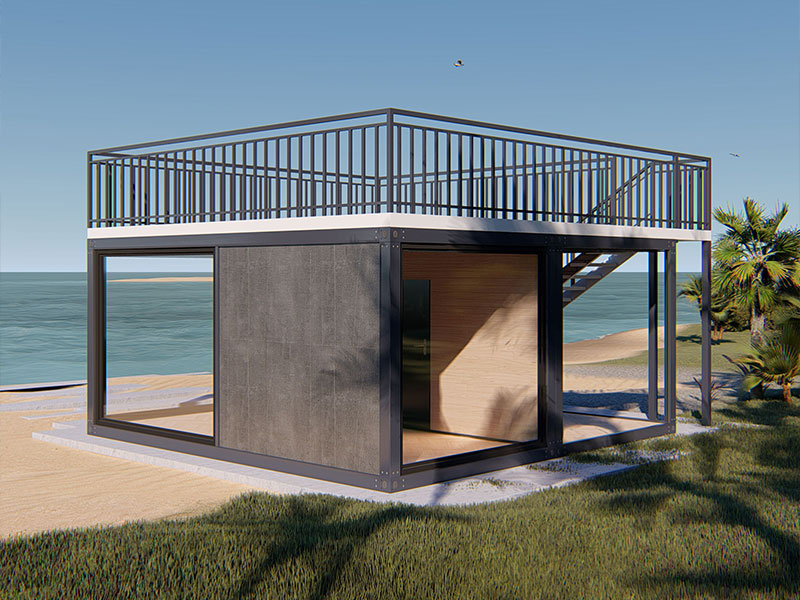
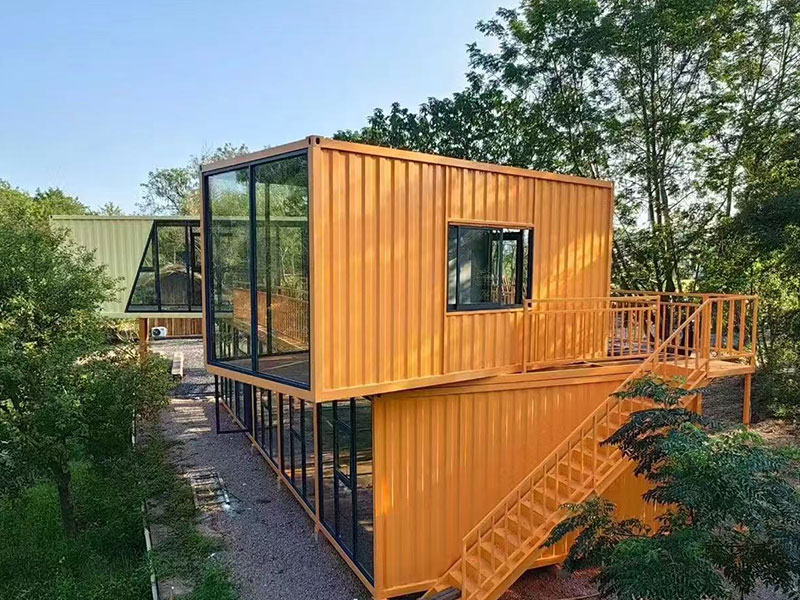
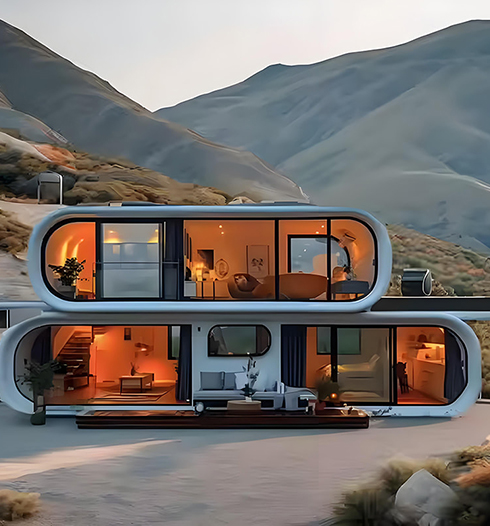
The term space capsule mobile houses refers to compact, often prefabricated dwellings designed with a “capsule” or “pod”-like structure. These houses draw inspiration from futuristic architecture and aim to maximize usability in minimal space. Unlike traditional houses, they emphasize minimal footprint, modular construction, and often portability — making them suitable for small plots, urban infill, or even temporary placement.
- They are typically built as modular units — “capsules” — that can be transported and installed rather than built on‑site from scratch.
- The design focus is on efficient layout: living area, sleeping space, sometimes kitchenette and bathroom — all organized to use every square foot wisely, reducing wasted space while maintaining functionality.
- Visually and conceptually they often adopt modern, sometimes even futuristic aesthetics, appealing to those looking for a minimalist or innovative lifestyle.
Materials, Construction and Mobility Features
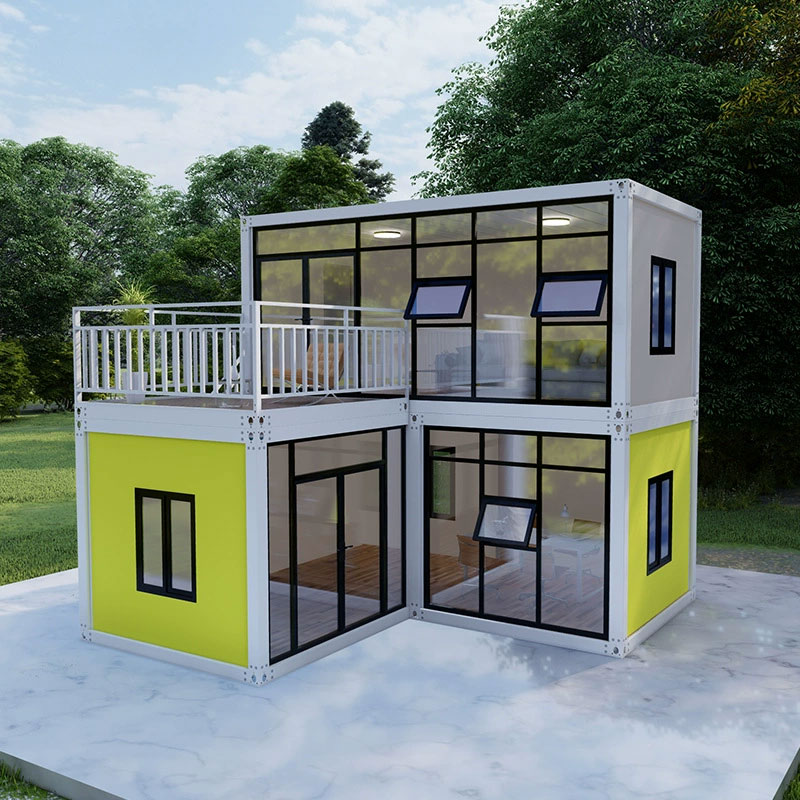
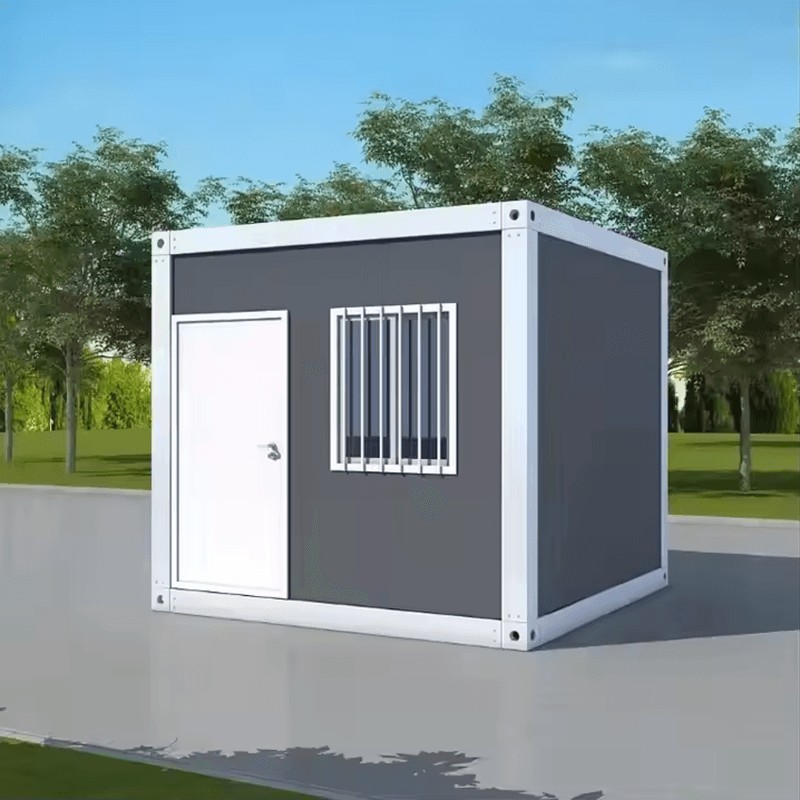
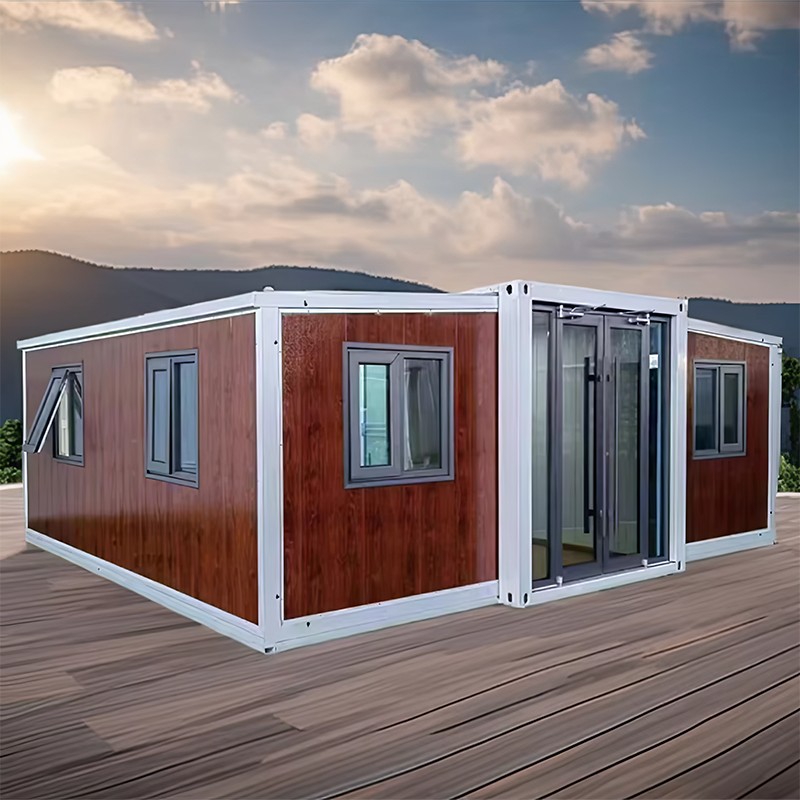
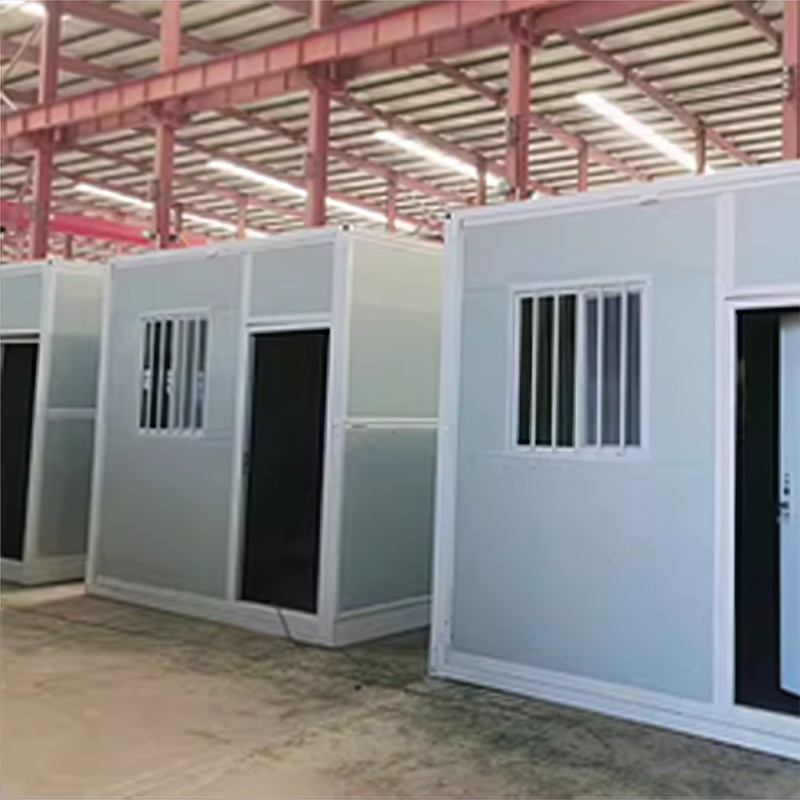
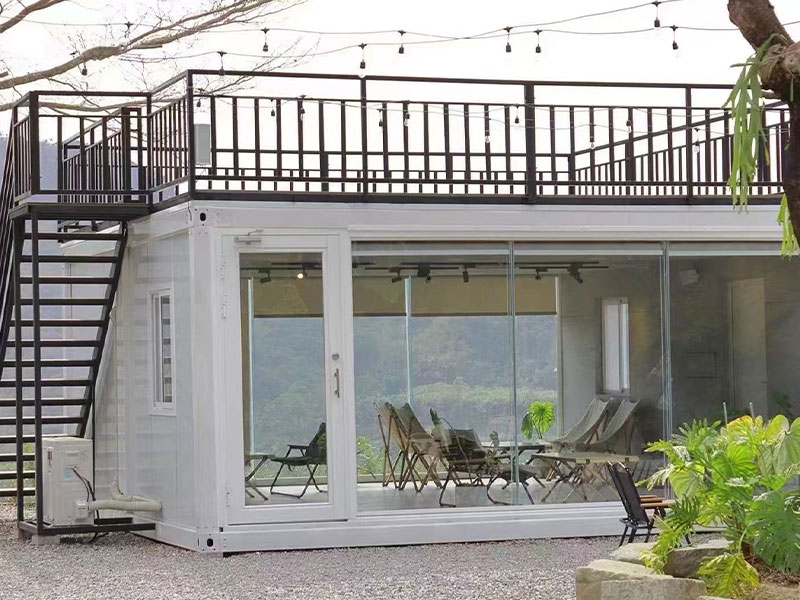
Modern space capsule mobile houses usually rely on lightweight but strong structural systems, often using steel frames and compact exterior panels. The prefab modules are constructed in factories, then shipped and assembled on‑site, significantly reducing construction time and variability compared to traditional builds.
- Typical structural components include galvanized steel frames, aluminum or composite exterior panels, insulation layers (e.g. polyurethane + thermal panels), and efficient glazing or windows for natural light.
- Some models are designed to be relocatable — meaning they can be transported to different sites, enabling flexibility for owners who may move or wish to place the home in different locations over time.
- Because of prefabrication and modular design, installation on site tends to be much faster than traditional builds.
Key Benefits of Space Capsule Mobile Houses
Efficient Use of Space & Tiny Living Solutions
One of the most compelling advantages of space capsule mobile houses is their efficient use of space — they represent a practical realization of “tiny living.” In contexts where land is expensive or limited (dense cities, small parcels, secondary plots), these houses allow individuals or small families to enjoy private dwelling without requiring large property. They force a thoughtful layout and design, ensuring that every square meter serves a purpose, which reduces clutter and promotes minimalist lifestyle.
- Compact footprint — ideal for small plots, backyards, infill lots, or urban accessory dwelling units (ADUs).
- Optimized layouts — living, sleeping, possibly kitchen/bathroom within a small space without sacrificing essential functionality.
- Lower utility costs — smaller area means less space to heat, cool, and light, contributing to more efficient energy usage.
Sustainability and Eco‑Friendly Design
Given their size and construction method, many space capsule mobile houses align well with sustainable living principles. Lighter materials, reduced energy consumption, and potential integration of eco‑features make them appealing for environmentally conscious buyers. Compared with large traditional homes, they can significantly reduce resource usage and carbon footprint.
- Because of compact size and efficient insulation, energy consumption for heating / cooling tends to be lower.
- Prefab construction often generates less on‑site waste compared to traditional builds.
- Some designs may incorporate sustainable materials and even features like solar readiness, depending on configuration and builder.
Affordability and Accessibility for Small Families / Urban Residents
For many, owning a traditional house remains prohibitively expensive — especially in high-demand urban or suburban markets. Space capsule mobile houses offer a lower‑cost alternative: reduced material usage, simpler construction, and often lower site-prep costs. This makes homeownership or private dwelling more accessible, especially for small families, singles, or those looking for affordable starter homes or secondary units.
- Prefabricated construction and smaller footprint often translate to lower overall build cost compared to conventional houses.
- Faster build / install — reduces labor costs and minimizes delays from weather or site issues.
- Potential to serve as starter homes, backup dwellings, or vacation homes with lower upfront investment.
Use Cases — Where Space Capsule Mobile Houses Shine
Urban Living and Accessory Dwelling Units (ADUs)
In densely populated areas or cities with expensive real estate, modern prefab space capsule mobile houses can serve as ADUs — accessory dwelling units — on existing property. They offer a way to maximize living space on limited land without constructing a full-size house. For homeowners who want rental income, extra space, or flexible housing solutions, capsule houses can be a smart choice.
- Build on small backyard/side lot without significantly altering existing structures.
- Quick installation compared to building a full addition or a new home.
- Ideal for renters, small families, young professionals, or multi‑generational living in constrained urban zones.
Vacation Homes, Resorts, Glamping & Temporary Housing
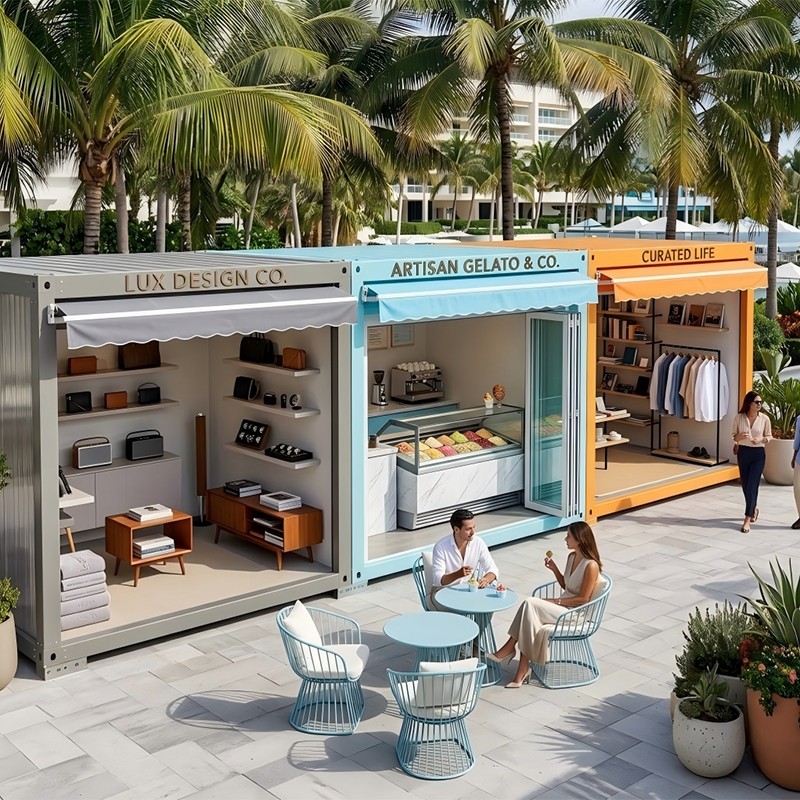
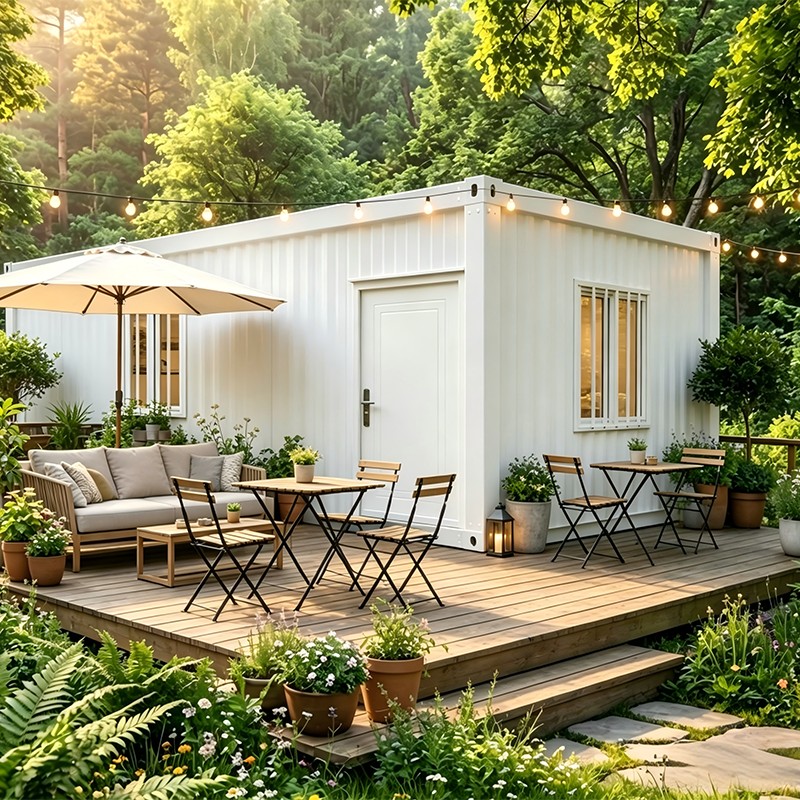
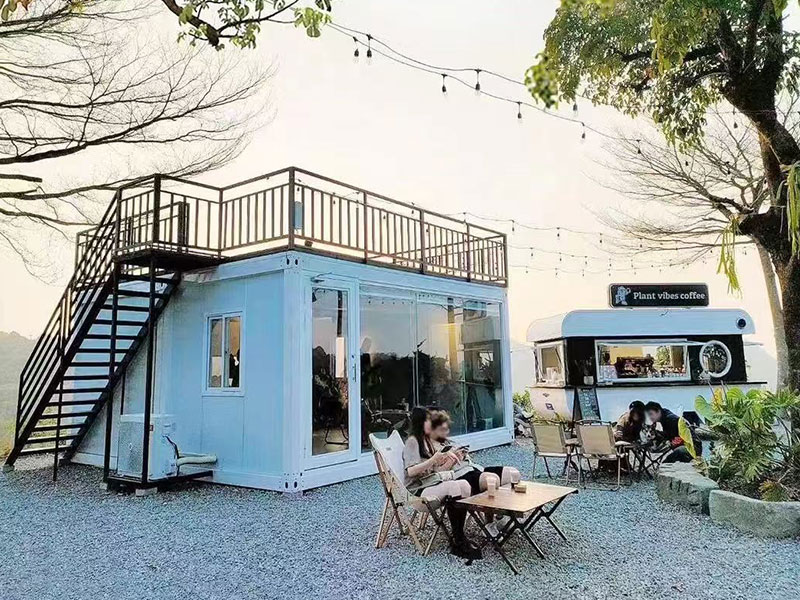
Because of their modular, portable nature and compact design, space capsule mobile houses are well‑suited for vacation homes, glamping resorts, holiday cabins, or temporary dwellings. Their futuristic aesthetic and efficient layout make them appealing for short-term stays or seasonal use while being easier to install and remove than traditional cabins or lodges.
- Can be transported and installed quickly at vacation sites, resorts, or campgrounds.
- Lower cost compared to building traditional cabins or lodges — ideal for resorts or glamping operators.
- Compact size and efficient utilities make them suitable for temporary or seasonal stays.
Small Family Homes or Starter Homes in Limited Space Scenarios
For small families, couples, or individuals who do not need large square footage, a space capsule mobile house can serve as a compact, efficient, and comfortable home. Especially where land is limited or expensive, or when budget is constrained, they offer a middle ground between apartments and full-size houses.
- Lower-cost homeownership route without sacrificing privacy or autonomy.
- Manageable maintenance and utility costs due to smaller size and simpler systems.
- Flexibility to start small and later expand (e.g., additional modules, upgrades) depending on need.
How to Choose a Space Capsule Mobile House for Your Needs
Assessing Your Use Case and Space Requirements
Before committing to a space capsule mobile house, it’s important to clarify how you intend to use it. Will it serve as a permanent home, a vacation cabin, an ADU, or a temporary dwelling? The intended use greatly influences required floor‑plan, layout, amenities, and mobility needs. Matching house type to real-world use ensures you get value from your investment.
- For permanent living — choose larger floor‑plan capsule with sufficient living space, insulation, utilities.
- For vacation / glamping use — compact design may be enough, but focus on comfort and ease of installation.
- For ADU or rental — ensure compliance with local building codes, utilities hookup, and comfort standards.
Evaluating Build Quality, Materials, and Insulation
Since capsule houses rely heavily on prefab modules and lightweight materials, assessing build quality is crucial. Good insulation, structural robustness, and weather‑resilience can make the difference between a cozy home and a problem over seasons. As some designs aim to be relocatable, quality materials and sound construction ensure longevity and safety.
- Check frame material (e.g. steel), insulation layers, exterior panels, glazing, and weatherproofing.
- For permanent residence, ensure insulation and thermal performance suitable for your climate.
- Verify structural integrity if mobility is needed — durability during transport and installation.
Local Zoning, Mobility & Regulatory Considerations
One of the less-discussed but critical aspects when choosing a space capsule mobile house is legal and regulatory compliance. Because these homes diverge from traditional housing, local zoning laws, building codes, and regulations (especially for permanent residence) may pose obstacles. It’s essential to research local laws, obtain necessary permits, and ensure compliance before installation.
- Some municipalities may not recognize capsule houses as permanent dwellings — may limit use to temporary or recreational structures.
- If you plan to relocate — need permits for transport, site‑prep at the destination, and comply with local building standards.
- Utility hookups (water, sewage, electricity) and waste disposal need to meet local regulations.
Common Drawbacks and Considerations
Space Limitations and Lifestyle Trade‑Offs
While compact size is a benefit, it’s also one of the primary drawbacks of space capsule mobile houses. The limited square footage means you often must sacrifice space for storage, privacy, or certain amenities. For some, especially larger families or those with many belongings, living in a capsule house could feel cramped or impractical over long periods.
- Reduced storage space — less room for belongings compared to traditional homes.
- Less flexibility for future expansion unless additional modules are added — which can complicate design and cost.
- Possible compromise on privacy and comfort, especially for families or multiple occupants.
Regulatory and Zoning Challenges
Because capsule houses are not yet mainstream in many regions, local zoning laws, building codes, and regulatory frameworks may not fully support them. This can lead to challenges in obtaining permits, hooking up utilities, or even legal recognition as a residence — especially if intended as a long-term or permanent dwelling.
- Some jurisdictions may restrict capsule houses to temporary or recreational use only.
- Utility connection requirements (water, sewage, electricity) may be more stringent or difficult to satisfy compared to standard homes.
- Resale value and insurance coverage may be uncertain due to non‑traditional structure.
Long‑Term Maintenance and Durability
Although prefab capsule houses are designed for efficiency, longevity and comfort, their long-term durability depends heavily on build quality, materials, maintenance, and how they are used. Without proper care, issues like insulation breakdown, wear and tear, or structural fatigue (especially if moved) may arise.
- Ensure quality of materials (frame, panels, insulation) to avoid early deterioration.
- Regular maintenance needed — painting / sealing, checking structural integrity, especially if relocatable.
- If used in harsh climates, ensure insulation, weatherproofing, ventilation systems are adequate.
Conclusion — Is a Space Capsule Mobile House Right for You?
In summary, space capsule mobile houses represent a forward‑looking, practical, and often more affordable alternative to traditional housing — especially for those seeking efficient, sustainable, and flexible living solutions. For single people, couples, small families, urban dwellers, or those interested in tiny living or minimalism, they offer many advantages: efficient use of space, lower cost, sustainability, flexibility, and quick deployment.
However, they are not a universal solution. Potential buyers should carefully consider their real space needs, lifestyle, climate, regulatory environment, and long‑term maintenance. For some, the trade-offs in space and flexibility may outweigh the benefits.
If you value mobility, minimalism, sustainability, and affordability — and you’re comfortable with compact living — a space capsule mobile house could indeed be a great fit.
FAQ
What size of family can realistically live in a space capsule mobile house?
Typically, space capsule mobile houses are best suited for singles, couples, or small families (e.g., one child). Because of their compact footprint and efficient layout, they offer comfortable living for a small household. For larger families (multiple children, extended relatives), the limited space — especially in terms of bedrooms, storage, and privacy — may become restrictive. In those cases, either larger capsule units (if available) or traditional housing might be more appropriate.
Are space capsule mobile houses suitable for cold or extreme climates?
It depends on the build quality and insulation. High‑quality capsule houses use insulated walls, thermal panels, proper glazing, and sometimes materials designed for weather resistance, which can make them suitable for temperate climates. However, for very cold, hot, humid, or extreme environments, you must ensure the capsule house is designed with appropriate insulation, heating/cooling systems, and weatherproofing. Without those, living comfort could suffer. Therefore, always check the thermal performance and structural specifications before installation if you live in harsh climates.
How much does a typical space capsule mobile house cost compared to traditional housing?
Costs vary widely depending on size, materials, customization, location, and whether utilities are included. Generally, because capsule houses are smaller and use prefabricated construction, their upfront cost tends to be lower than building a full-size traditional house. Additionally, construction/installation is faster — which can further reduce labor and time costs. That said, when compared to very basic apartments or shared housing, the cost may be competitive. Ultimately, capsule houses are particularly cost‑effective when you consider land use efficiency, energy savings, and lower maintenance compared to large houses.
Can I relocate my space capsule mobile house easily after installation?
Some capsule house designs are built specifically to be relocatable or transportable. If the structure uses a lightweight steel or composite frame and is constructed as modular units, relocation is feasible. However, ease of relocation depends on several factors: the quality of the build, transport logistics, local regulations, foundation setup, and utility disconnection/reconnection logistics. It’s important to plan ahead, ensure compliance with local zoning laws, and verify that the design supports mobility.
What are the energy efficiency and environmental benefits of space capsule mobile houses?
Because of their compact size and efficient design, space capsule mobile houses often consume significantly less energy for heating, cooling, and lighting than larger homes. Their reduced material use and potential for prefab construction can lower the environmental impact of building. Additionally, many designs are compatible with sustainable features (insulation, energy-efficient glazing, potential for solar integration), which can further reduce carbon footprint and utility costs. For people prioritizing eco-friendly living with minimized resource consumption, capsule houses offer a strong value proposition.