 English
 русский
 Français
 Español
 عربى
عربى

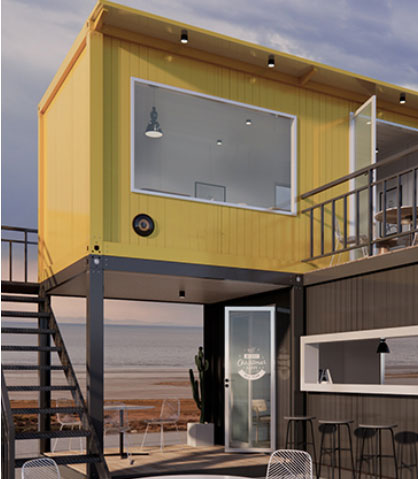
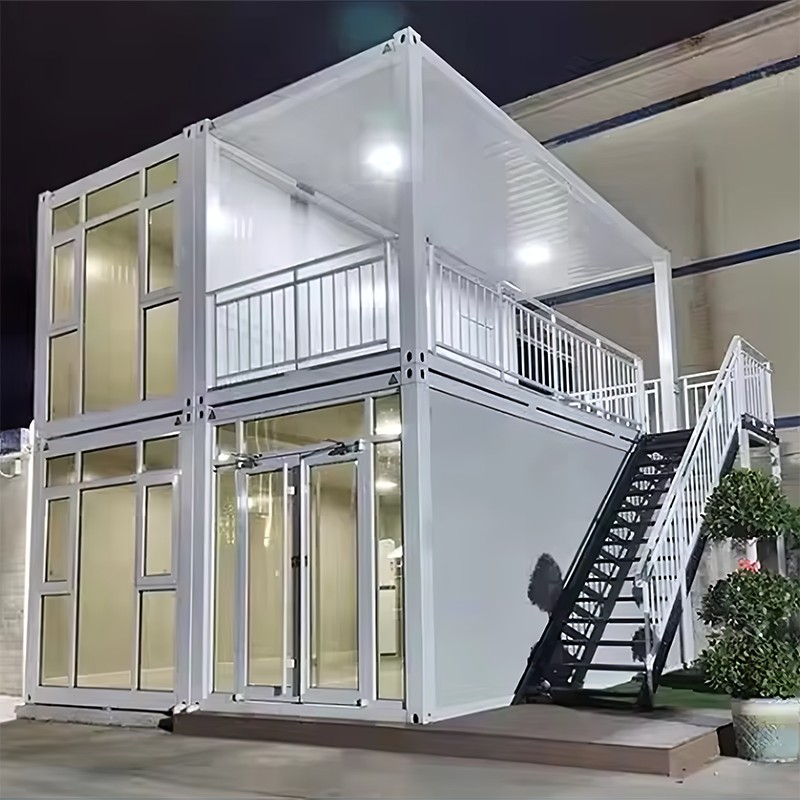
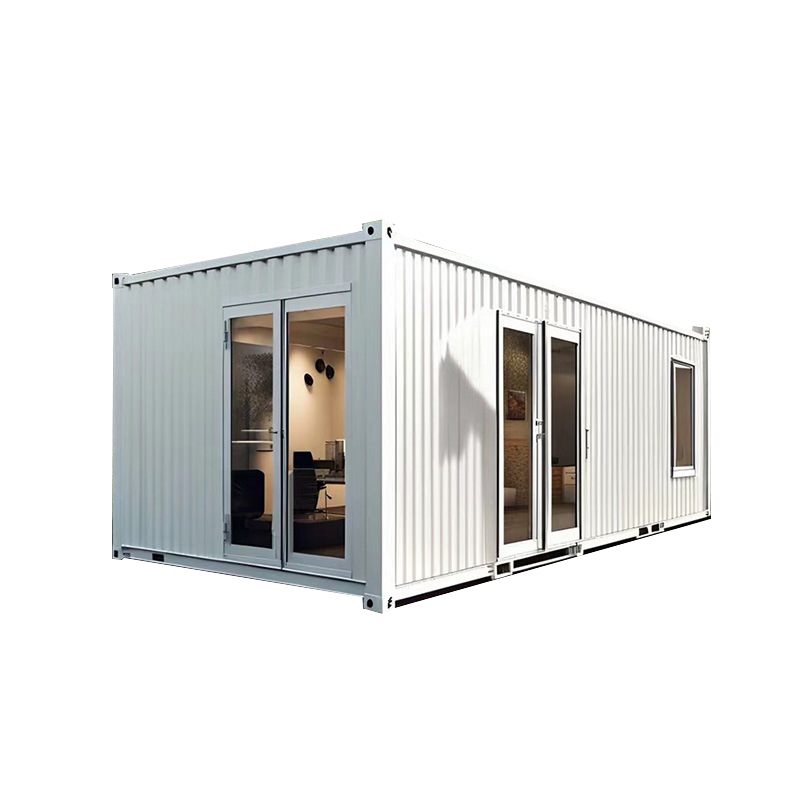
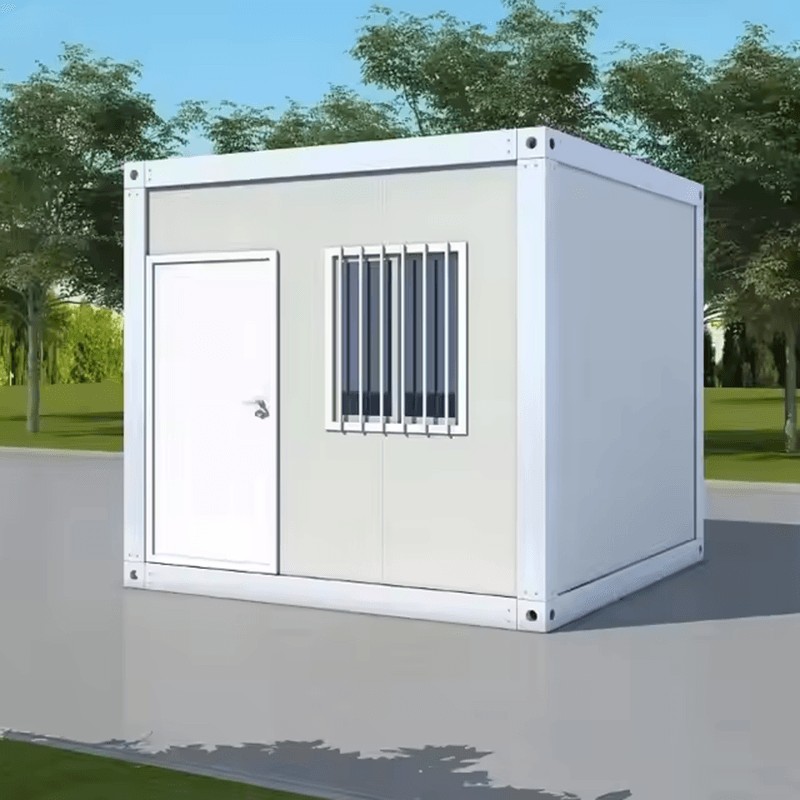
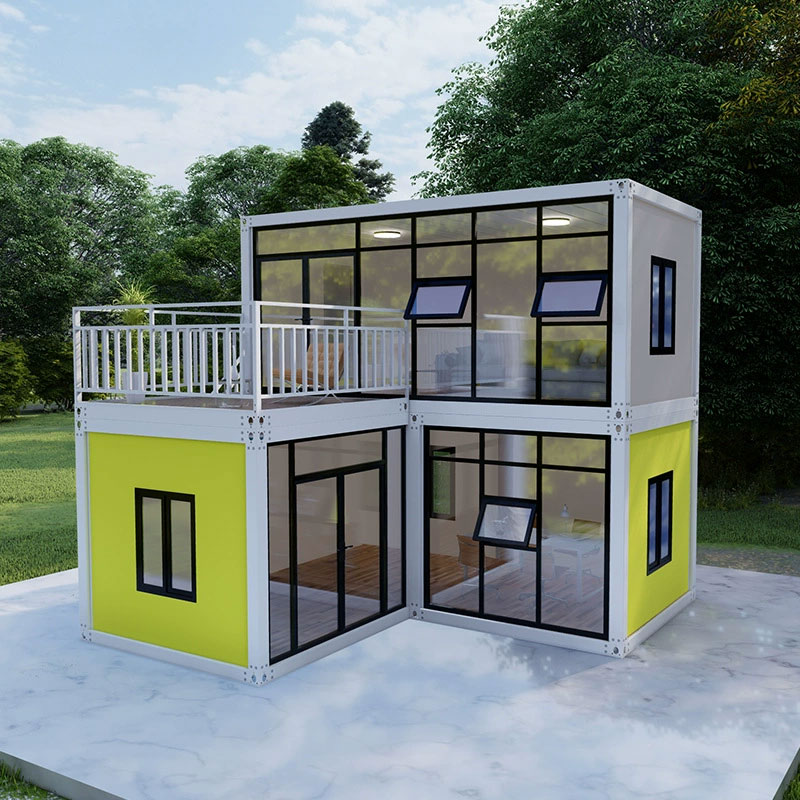
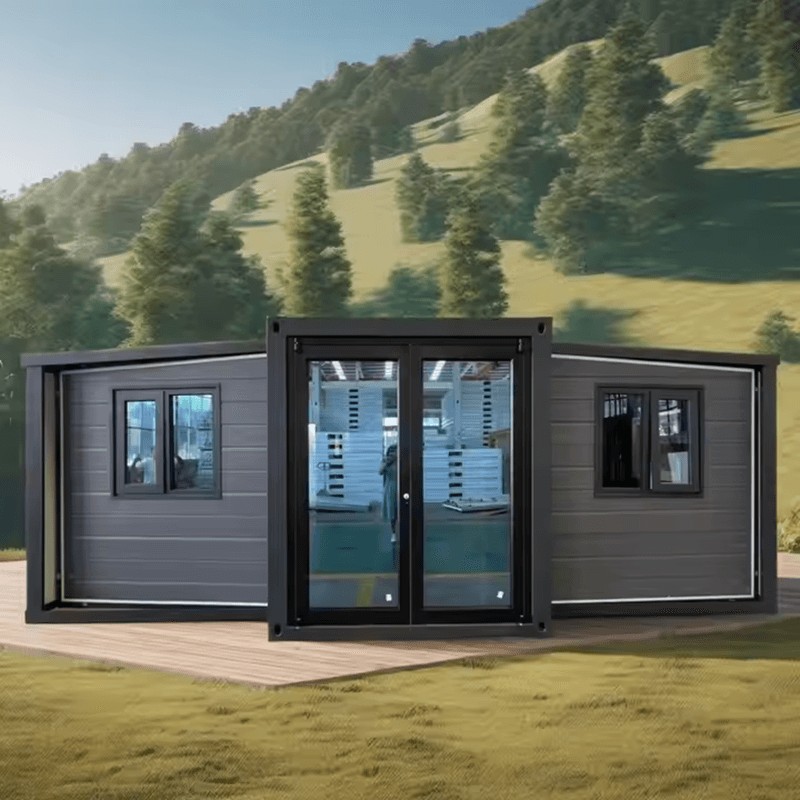
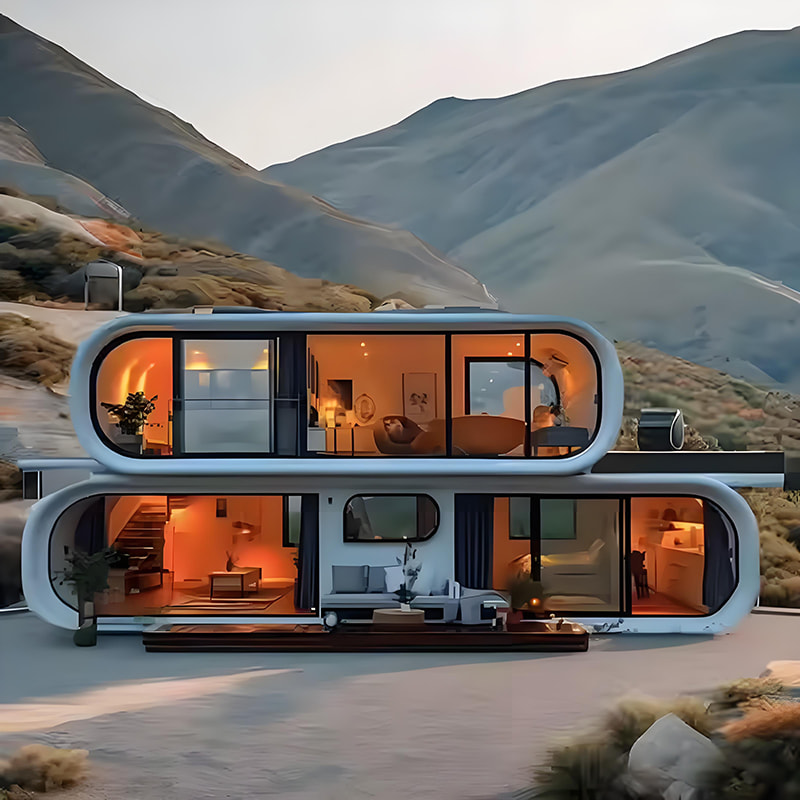
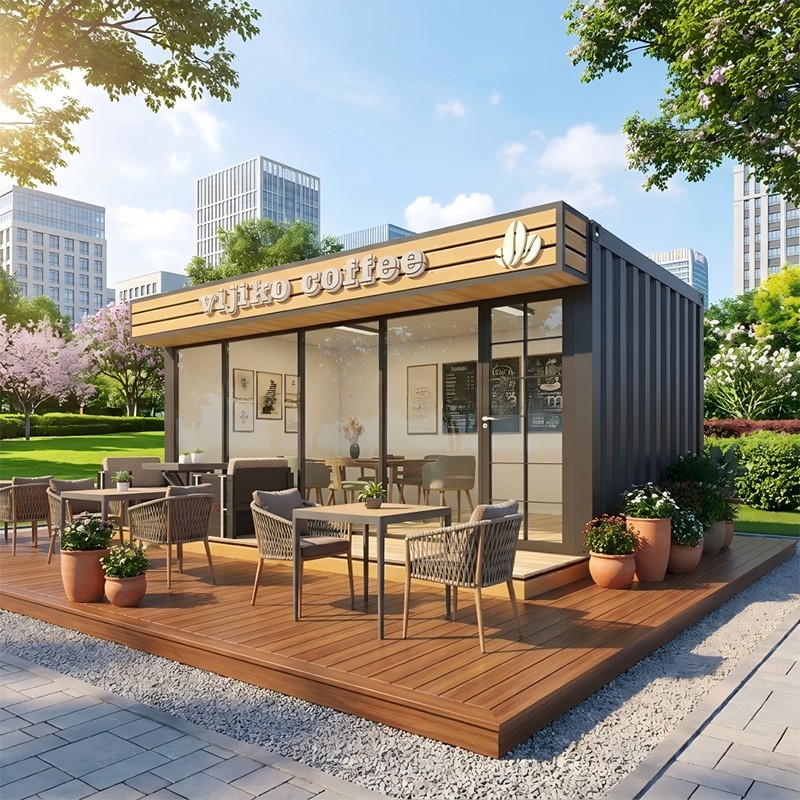
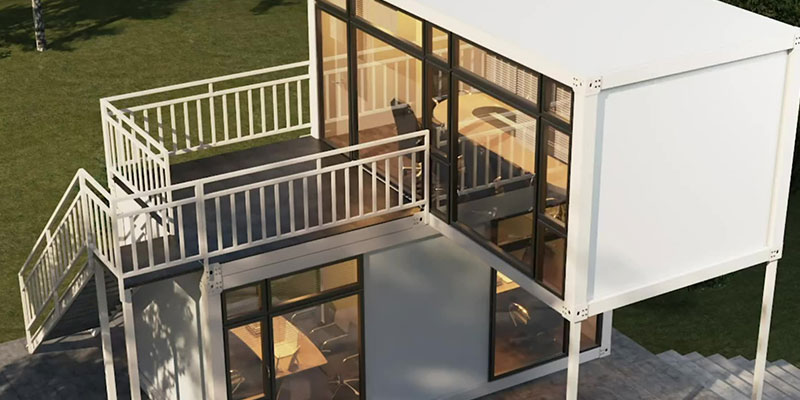
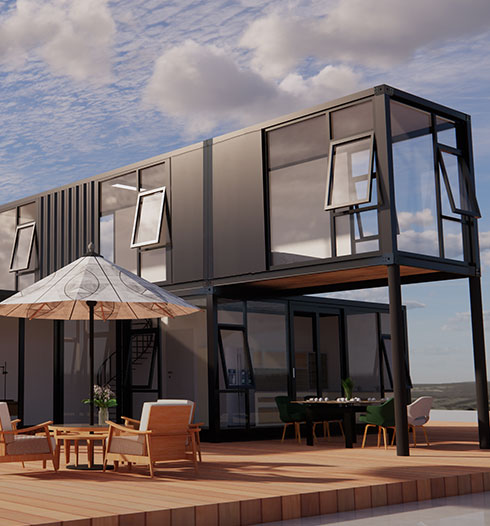
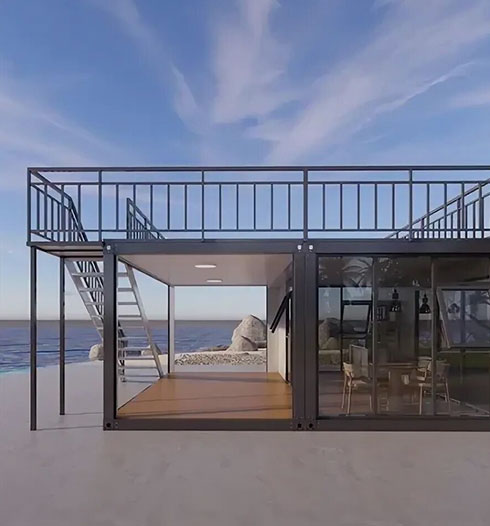
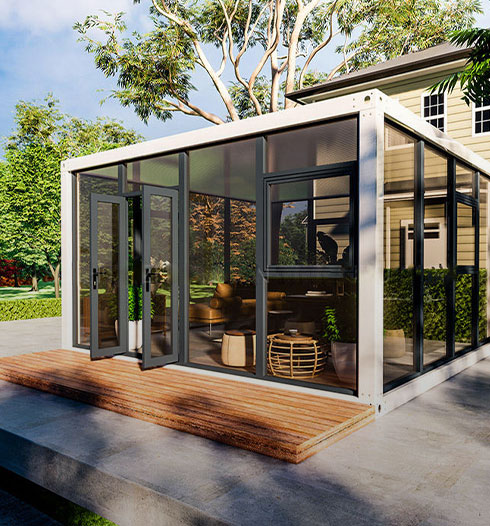
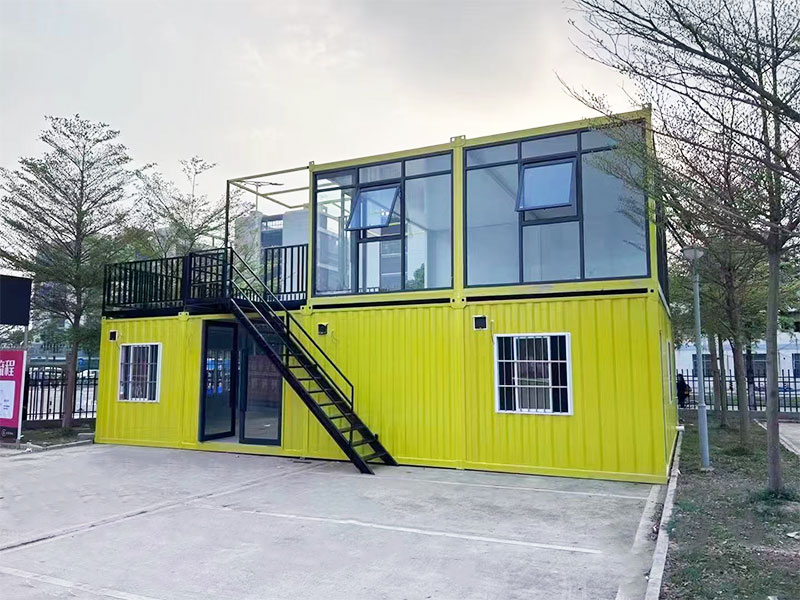
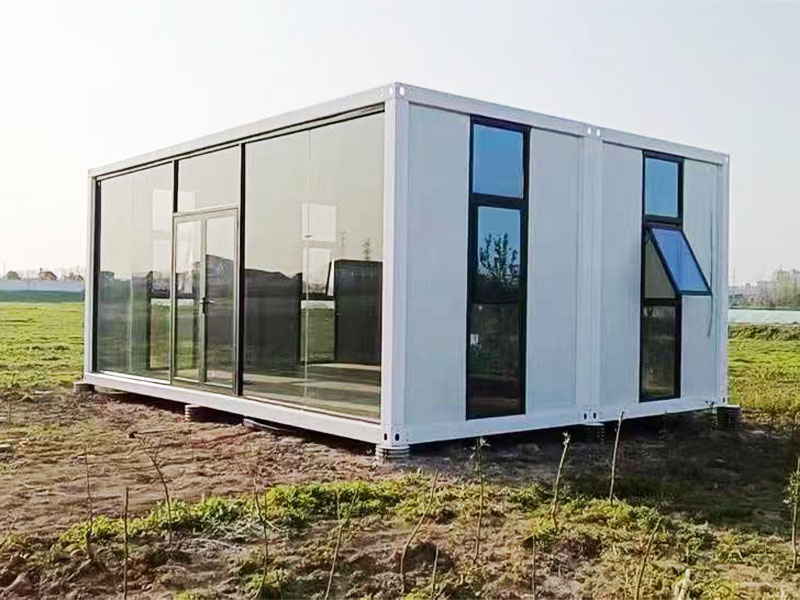
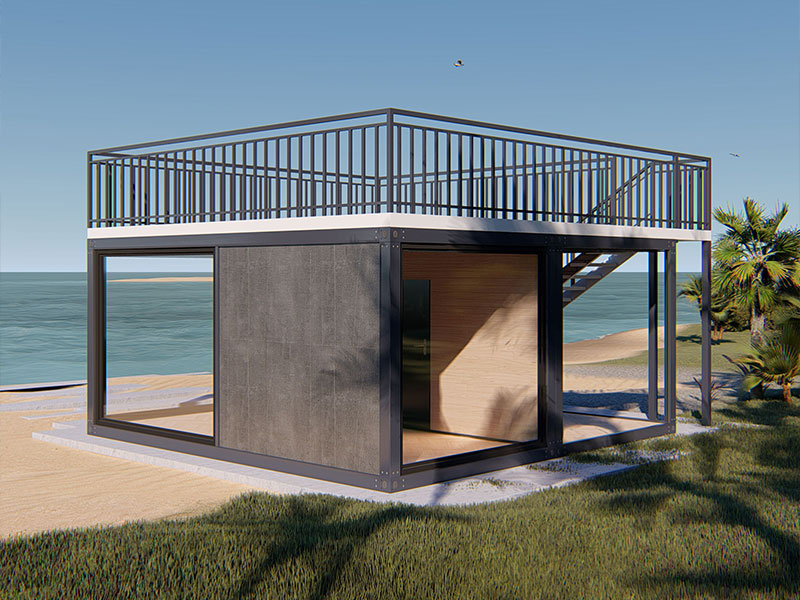
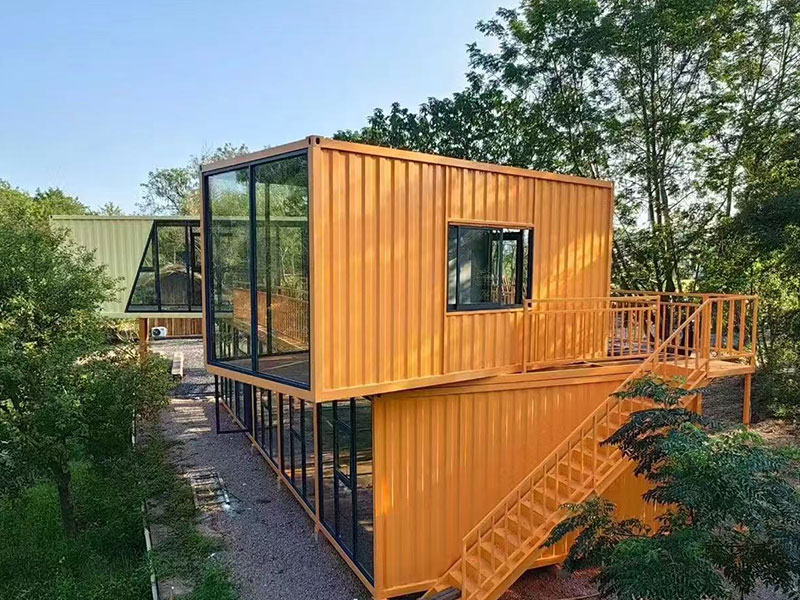
A container house is a structure built from repurposed or purpose-built shipping containers, offering rapid construction, lower upfront costs, and strong structural integrity. An active house is a design philosophy that prioritizes a building's positive contribution to energy, environment, and occupant comfort—producing more energy than it consumes while maintaining superior indoor climate quality. These two concepts are not mutually exclusive: container homes can be designed and built to meet active house standards, creating a hybrid that is both resource-efficient and high-performing. Understanding each concept in depth helps homeowners, developers, and designers make informed decisions about modern housing.
Content
- 1 What Is a Container House and How Is It Built
- 2 Cost of Building a Container House
- 3 What Is an Active House and What Standards Does It Set
- 4 Can a Container House Meet Active House Standards
- 5 Design Advantages of Container Houses
- 6 Limitations and Practical Challenges to Address
- 7 Comparing Container House and Active House Performance Metrics
- 8 Who Should Consider a Container House or Active House Approach
- 9 Steps to Planning an Active Container House Project
What Is a Container House and How Is It Built
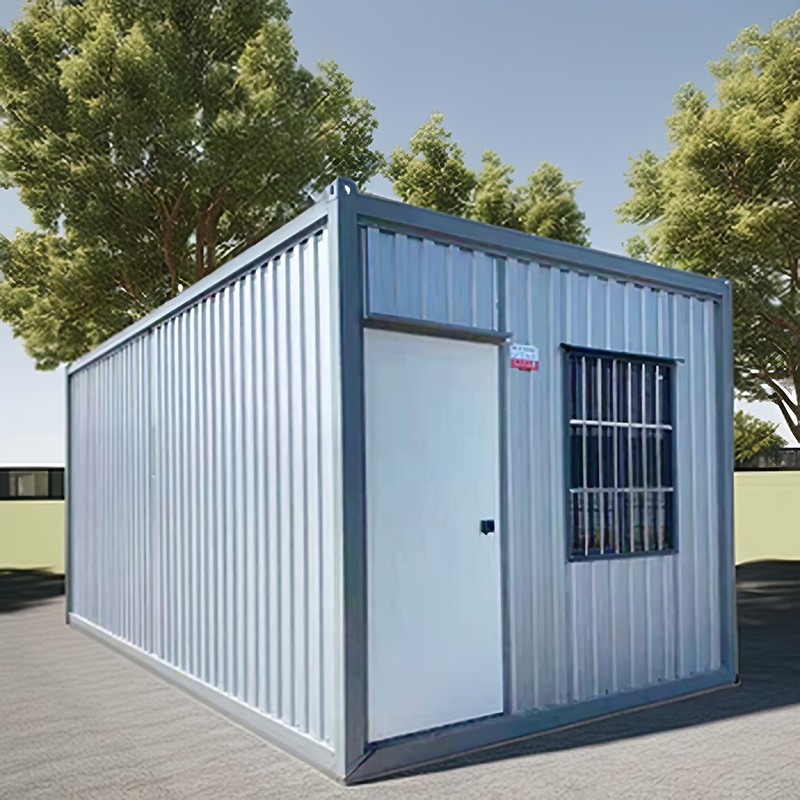
Container houses use ISO-standard intermodal shipping containers—most commonly the 20-foot (6m) and 40-foot (12m) variants—as the primary structural element. These steel boxes were engineered to stack up to nine units high under full load, giving them an inherent structural strength that most conventional framing systems cannot match without significant reinforcement.
Types of Containers Used in Housing
- Standard dry containers: The most common choice, available in 20ft and 40ft lengths with an internal width of approximately 2.35m.
- High-cube containers: Offer an additional 30cm of ceiling height (2.69m internally), making them more comfortable for residential use without modification.
- New or one-trip containers: Used once for shipping, they are structurally sound and free of the chemical treatments found in older cargo containers.
- Purpose-built modular units: Factory-manufactured steel modules designed specifically for residential use, avoiding the limitations of repurposed cargo boxes.
The Construction Process
Container homes are predominantly built off-site in a factory or fabrication yard, then transported and assembled on the final plot. This process typically takes 8 to 16 weeks from design sign-off to move-in, compared to 6 to 18 months for a conventional stick-built home of equivalent size. On-site work is reduced to foundation preparation, utility connections, and finishing touches.
Key structural modifications during fabrication include cutting openings for windows and doors (which requires welding in structural headers), joining multiple containers with steel plates and welding, applying external and internal insulation, and installing all plumbing, electrical, and HVAC systems before delivery.
Cost of Building a Container House
Container housing costs vary widely depending on whether units are repurposed or new, the level of finishing, and regional labor costs. However, the general cost ranges provide a practical baseline for planning.
| Finish Level | Cost per sq ft (USD) | Typical Use Case |
|---|---|---|
| Basic / Shell Only | $80–$120 | DIY completion, workshops, studios |
| Mid-Range Residential | $150–$220 | Primary residences, rental units |
| High-End / Architect-Designed | $250–$400+ | Luxury homes, active house-standard builds |
A single 40ft high-cube container costs approximately $3,000–$6,000 for a used unit and $6,000–$10,000 for a new one-trip container. However, the container itself typically represents only 20–30% of the total project cost—insulation, interior finishing, foundations, and services account for the rest. Buyers who underestimate these secondary costs often find container construction is not significantly cheaper than conventional building.
What Is an Active House and What Standards Does It Set
The Active House concept originated in Europe in the early 2000s as a counterpoint to passive house design. Where passive house focuses primarily on minimizing energy demand through airtightness and insulation, active house goes further by requiring the building to generate a net-positive energy contribution while simultaneously prioritizing occupant health and comfort.
The Active House Alliance, which governs the standard, evaluates buildings across three core dimensions:
- Energy: The building must produce as much or more energy than it consumes annually, primarily through integrated renewable sources such as solar photovoltaic panels.
- Indoor Climate: Daylight access, thermal comfort, and air quality must meet defined thresholds. For example, a minimum daylight factor of 2% is required in primary living spaces.
- Environment: The building's environmental footprint across its lifecycle—including materials, water use, and carbon embodied in construction—must be minimized and documented.
Active House vs Passive House: A Practical Distinction
Passive house design achieves very low energy use—typically below 15 kWh/m² per year for space heating—through extreme insulation and airtightness. Active house accepts a broader energy budget but requires the building to compensate by generating renewable energy on-site. An active house might use 30–50 kWh/m² per year but produce 60–80 kWh/m² per year via rooftop solar, achieving a net-positive balance.
Active house also places greater emphasis on occupant well-being than passive house standards do—acknowledging that a building people enjoy living in is more likely to be maintained, preserved, and occupied efficiently over time.
Can a Container House Meet Active House Standards
Yes—but it requires deliberate design decisions from the earliest planning stages. Several container home projects in Scandinavia and Central Europe have demonstrated that the active house standard is achievable within a container-based structure when the following conditions are addressed:
Insulation: The Critical Challenge
Steel is an excellent thermal conductor, meaning uninsulated container walls transmit heat and cold far more readily than timber or masonry. Achieving the thermal envelope required for active house performance demands high-performance insulation systems on all six faces of each container module.
- Spray polyurethane foam (SPF): Applied directly to the interior steel surface, providing both insulation and an air barrier. Achieves R-values of R-6 to R-7 per inch.
- Exterior insulated panels: Applied outside the container skin, preserving interior space. Mineral wool or rigid foam boards are common, achieving U-values of 0.15–0.20 W/m²K.
- Thermal break framing: Steel stud framing must incorporate thermal breaks to prevent conductive heat loss through the wall assembly.
Daylight and Glazing Requirements
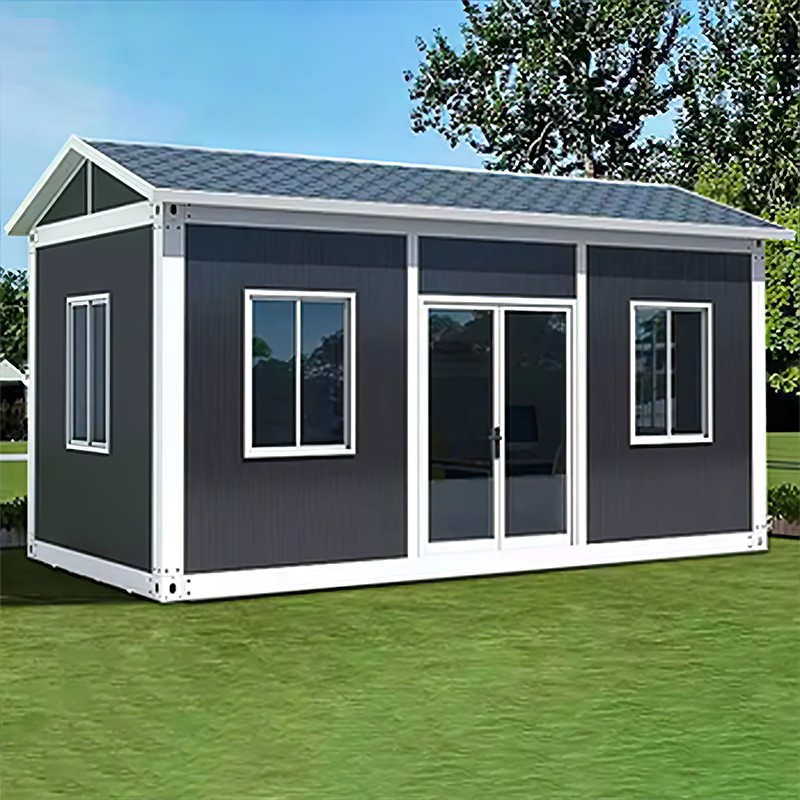
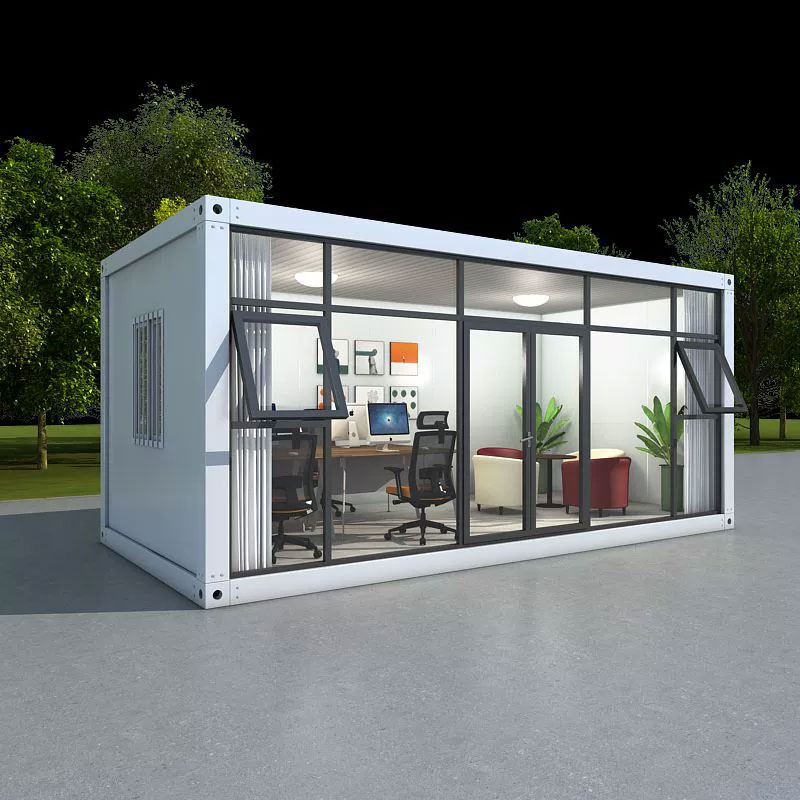
Standard shipping containers have no windows. For an active house-compliant container home, large openings must be cut and fitted with triple-glazed window units with a U-value below 0.8 W/m²K. South-facing facades (in the northern hemisphere) should incorporate generous glazing to maximize passive solar gain and daylight penetration, while east and west exposures require shading strategies to prevent overheating.
Renewable Energy Integration
The flat or low-pitched roofs of container structures are well-suited for photovoltaic panel installation. A 6–10 kWp solar array on a single-story two-container home (approximately 50m² footprint) can generate 6,000–10,000 kWh annually in a temperate climate—sufficient to achieve net-positive energy status when paired with a heat pump heating system and LED lighting throughout.
Design Advantages of Container Houses
Beyond energy performance, container architecture offers several practical design benefits that conventional construction cannot easily replicate.
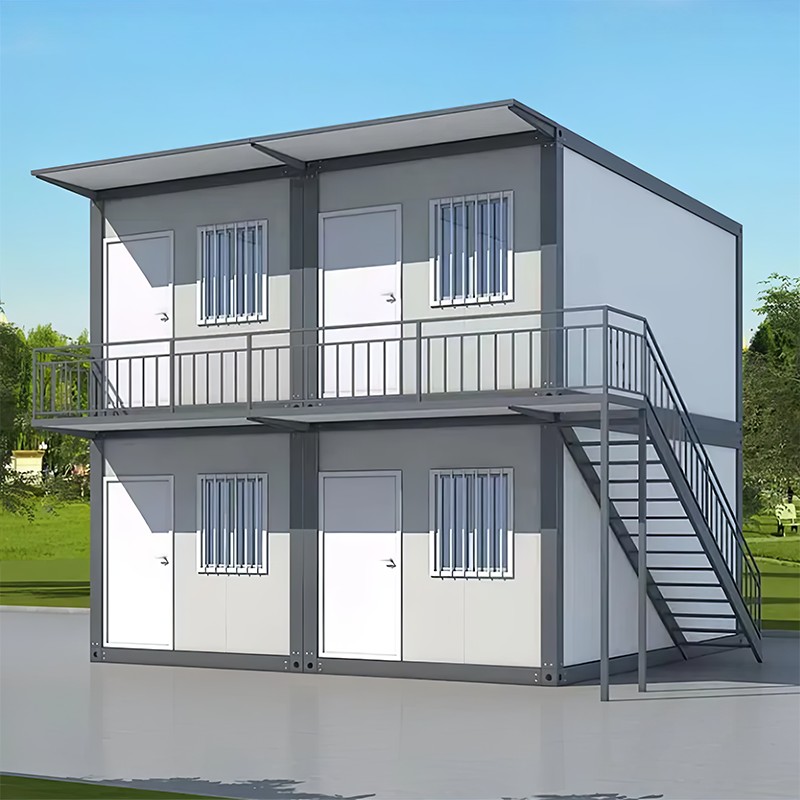
- Modular expandability: Containers can be added horizontally or stacked vertically as needs change, allowing a home to grow from a single 20ft unit to a multi-story complex without demolishing existing structure.
- Portability: Container homes can be engineered for relocation, an advantage for landowners on leasehold plots or those who anticipate moving.
- Speed of delivery: Factory prefabrication significantly reduces on-site construction time and associated weather-related delays.
- Industrial aesthetic: The exposed steel and modular geometry appeal to contemporary architectural tastes, enabling distinctive visual results without premium material costs.
- Structural resilience: Steel construction is highly resistant to seismic activity, high winds, and fire—important considerations in many regions.
Limitations and Practical Challenges to Address
Both container houses and active house standards come with real-world constraints that buyers and designers must plan around proactively.
Container House Limitations
- Narrow internal width: At approximately 2.35m internally, standard containers require careful planning to achieve comfortable room layouts without feeling cramped.
- Chemical contamination risk: Used containers may contain residual pesticides (such as phosphine) or heavy metals from previous cargo. One-trip containers significantly reduce but do not eliminate this risk.
- Planning and zoning restrictions: Many municipalities do not have clear permitting pathways for container structures, requiring variance applications or classification under non-standard categories.
- Condensation management: Steel surfaces are prone to condensation if the thermal and vapor barrier assembly is not correctly designed, potentially leading to mold growth within wall cavities.
Active House Standard Challenges
- Higher upfront investment: Achieving net-positive energy performance requires premium insulation, triple glazing, renewable energy systems, and mechanical ventilation with heat recovery—adding 15–25% to construction costs compared to standard builds.
- Climate dependency: Solar energy generation varies significantly by location. Active house targets are more easily met in high-solar-radiation climates than in northern or heavily overcast regions.
- Occupant behavior: An active house performs optimally only when occupants engage with its systems—adjusting shading, managing ventilation, and avoiding excessive energy use during low-generation periods.
Comparing Container House and Active House Performance Metrics
| Metric | Standard Container House | Active House Container Build |
|---|---|---|
| Annual Energy Use (heating/cooling) | 60–120 kWh/m² | 20–40 kWh/m² |
| On-site Energy Generation | None (typically) | 50–80 kWh/m² (solar PV) |
| Net Energy Balance | Negative (net consumer) | Positive (net producer) |
| Daylight Access | Varies (cut openings only) | Daylight factor ≥2% in living areas |
| Indoor Air Quality | Depends on ventilation design | MVHR system, CO₂ monitoring |
| Construction Cost Premium | Baseline | +15–25% above baseline |
| Estimated Payback Period (energy) | N/A | 8–14 years (climate dependent) |
Who Should Consider a Container House or Active House Approach
These two housing approaches serve different but sometimes overlapping buyer profiles. Identifying which profile fits your situation helps clarify which path delivers the best long-term value.
- Container houses suit buyers who prioritize speed of delivery, want a distinctive architectural aesthetic, are working with a constrained budget (at the mid-range finish level), need a relocatable or temporary structure, or are building in a remote location where conventional construction logistics are difficult.
- Active house standards suit buyers who prioritize long-term operating cost reduction, are committed to environmental performance, value health and comfort metrics alongside energy data, and are willing to invest 15–25% more upfront in exchange for net-positive energy performance and a higher-quality indoor environment.
- A container home built to active house standards suits buyers who want all of the above—combining the speed and modularity of container construction with the energy performance and indoor environment quality of the active house framework. This approach works best on plots with good solar access and in climates with at least moderate annual sunshine hours.
Steps to Planning an Active Container House Project
For those committed to combining both concepts, a structured planning approach reduces the risk of costly mid-project changes.
- Site assessment first: Evaluate solar orientation, shading from neighboring structures or trees, prevailing wind direction, and ground conditions for foundation type. A south-facing, unshaded plot is significantly easier to optimize for active house performance.
- Engage a specialist designer: Architects experienced in both container construction and passive or active energy standards are rare but essential. Generic container home companies rarely have active house expertise.
- Specify one-trip containers: Eliminate contamination risk from the outset by specifying new or one-trip units. The cost premium is modest relative to total project budget.
- Design the thermal envelope before anything else: Insulation strategy, window placement, and airtightness detailing must be resolved at the schematic design stage, not retrofitted later.
- Size the renewable energy system accurately: Commission an energy model using local climate data to determine the PV array size needed to achieve net-positive annual energy balance before committing to panel specifications.
- Plan for airtightness testing: Active house performance requires a blower door test result below 1.0 ACH50. Build this into the construction contract as a milestone and specify remediation if the target is not met.
- Verify planning permissions early: Confirm local zoning acceptance of container structures and request a pre-application meeting with the relevant authority before finalizing the design.