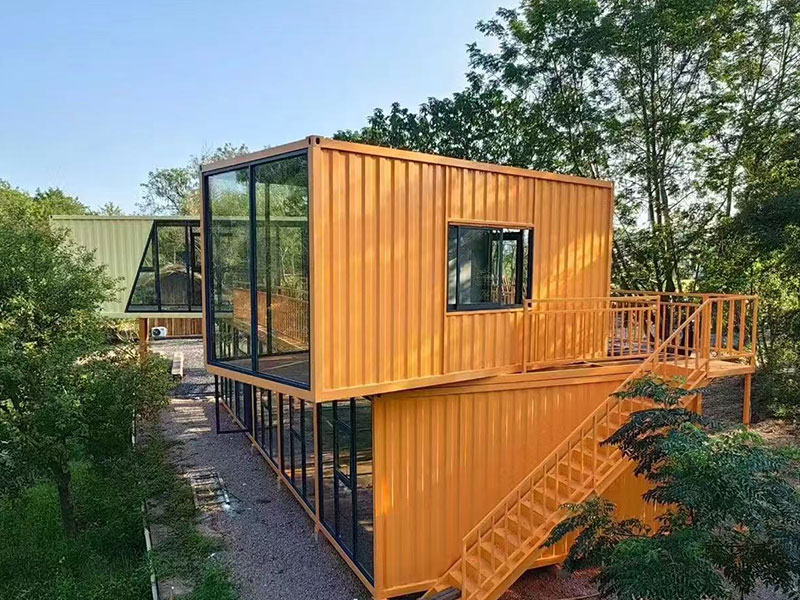
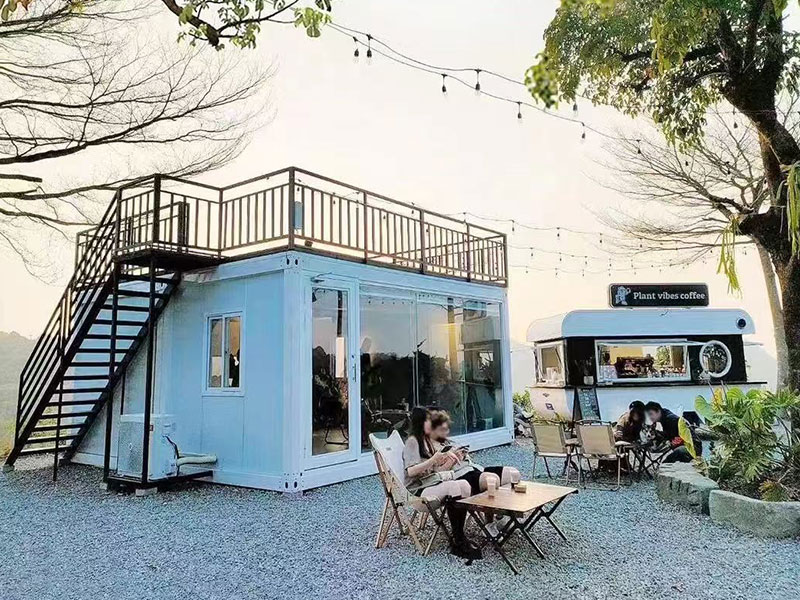
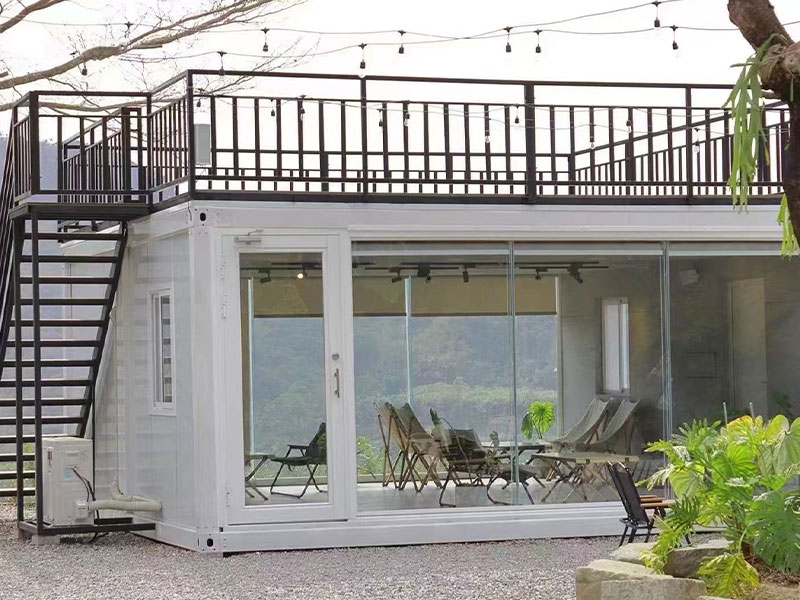
 English
 русский
 Français
 Español
 عربى
عربى

Steel structure container houses combining sandwich panel wall systems represent the most practical, cost-effective, and structurally reliable form of prefabricated modular housing available today — and their popularity across construction site camps, disaster relief housing, permanent residences, and commercial installations is backed by measurable performance advantages over both conventional construction and alternative prefab systems. In direct terms: a steel structure container house built with quality sandwich panels can be assembled in 1 to 3 days, withstand wind loads exceeding 120 km/h, provide thermal insulation equivalent to a 200mm brick wall, and be relocated multiple times without structural degradation. Understanding the engineering behind the steel frame, the thermal and structural role of sandwich panels, and the factors that determine long-term stability enables buyers and project managers to specify and procure these structures with confidence.
Content
- 1 What a Steel Structure Container House Actually Is
- 2 Steel Structure Frame: The Foundation of Stability
- 3 Sandwich Panel Container House: Wall, Roof, and Floor Panel Systems
- 4 Sandwich Panel Core Types: Side-by-Side Performance Comparison
- 5 Stable Structure Container House: What Makes One Truly Structurally Sound
- 6 Assembly Process and Speed: From Delivery to Occupancy
- 7 Key Specifications to Verify Before Purchasing
- 8 Typical Applications and Deployment Scenarios
What a Steel Structure Container House Actually Is
The term "container house" in the modular building industry refers to two distinct product categories that are frequently confused:
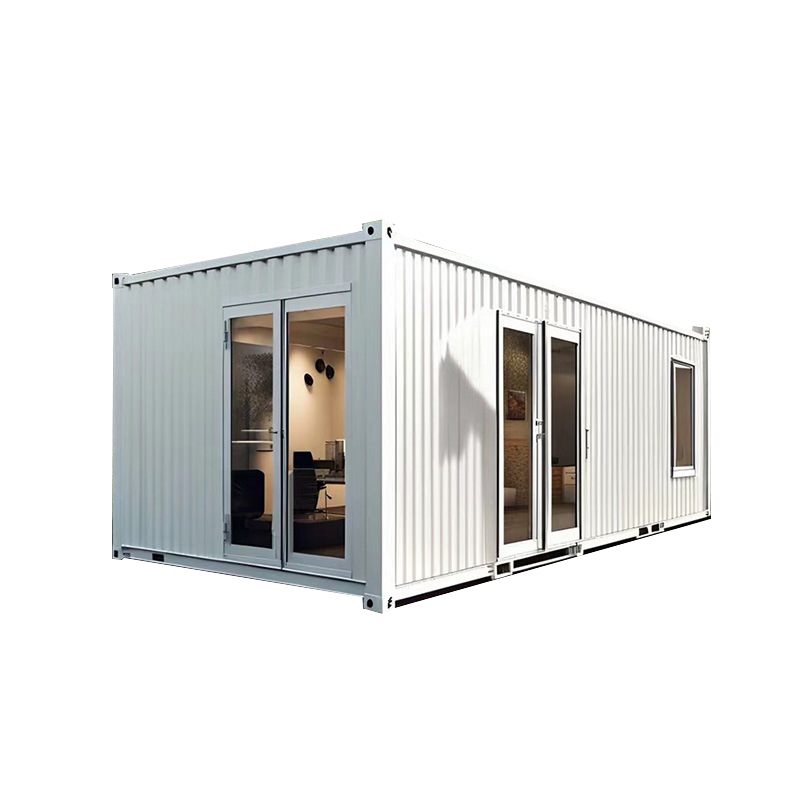
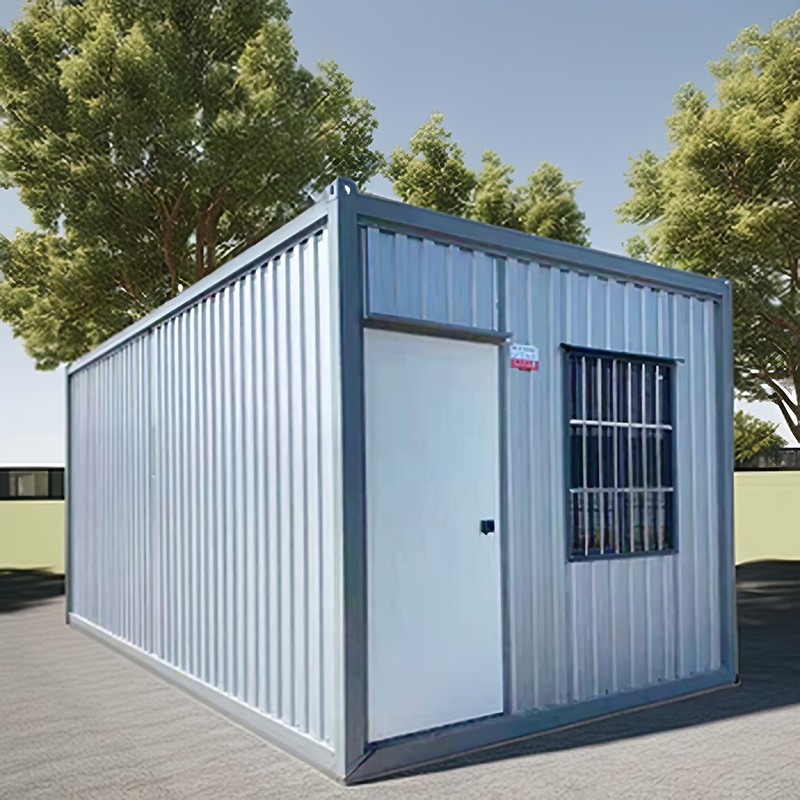
- Converted shipping container houses: Standard ISO intermodal shipping containers (20ft or 40ft steel boxes) repurposed as habitable structures by cutting openings, adding insulation, and fitting out the interior. These use the container's corrugated Corten steel shell as the structural envelope.
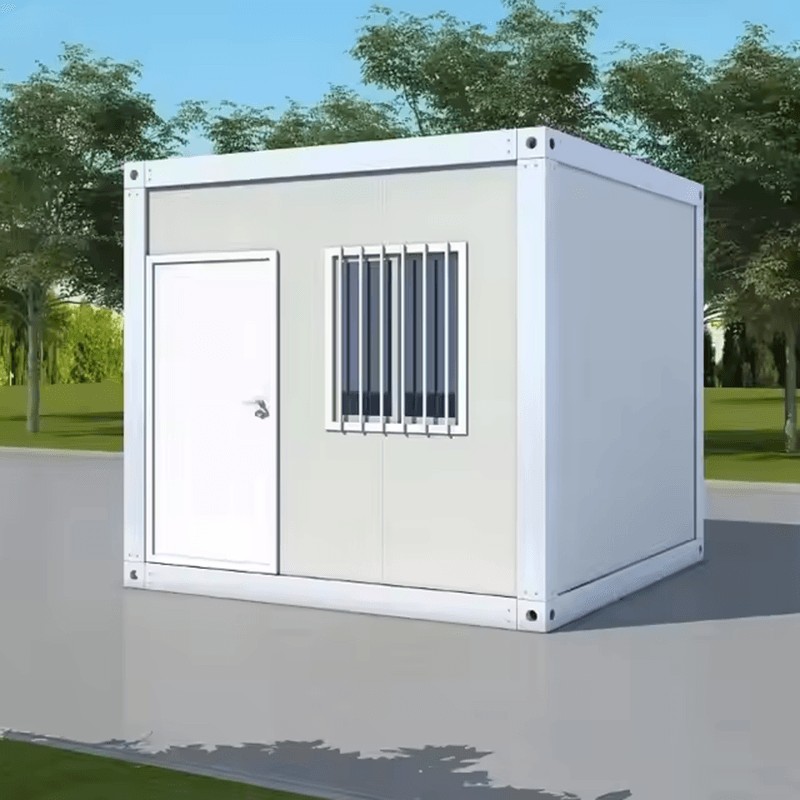
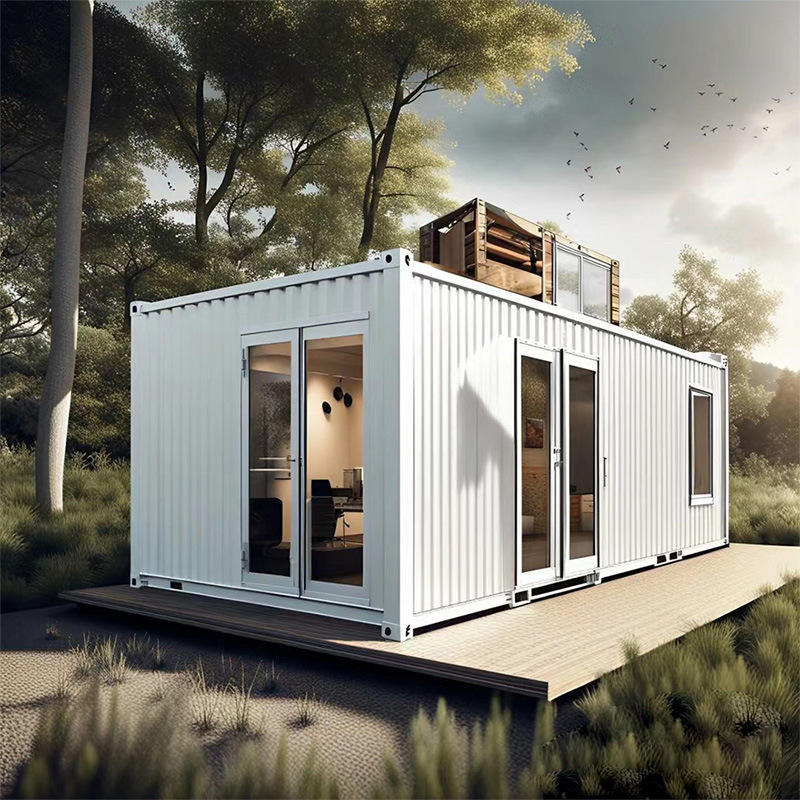
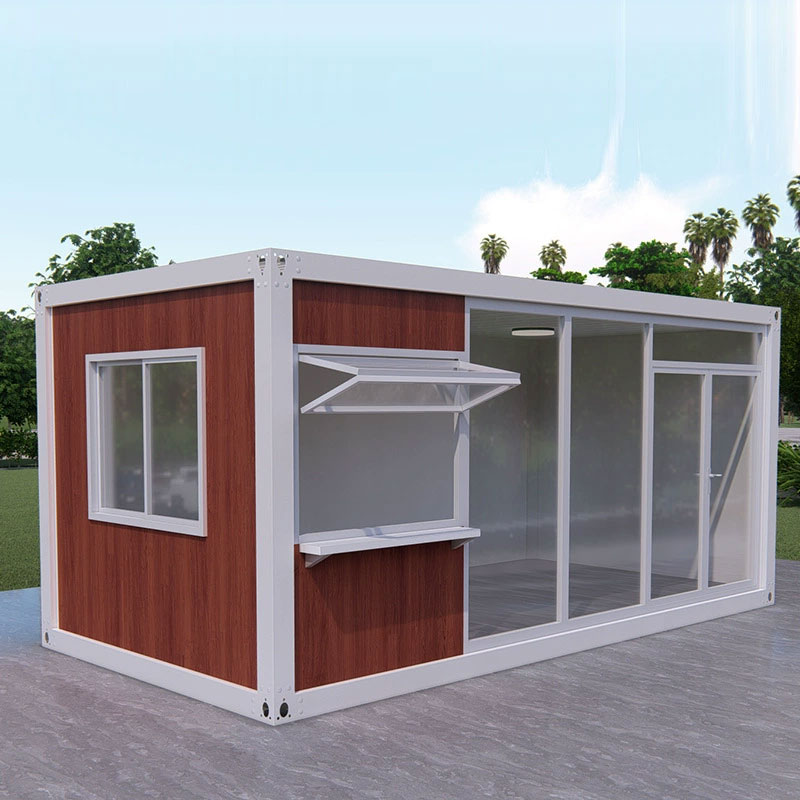
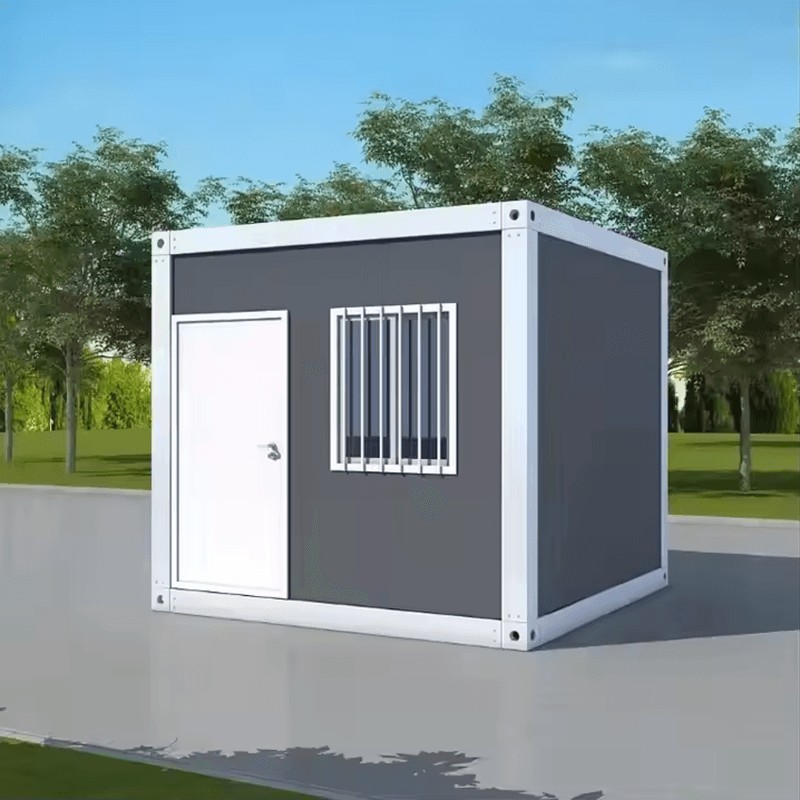
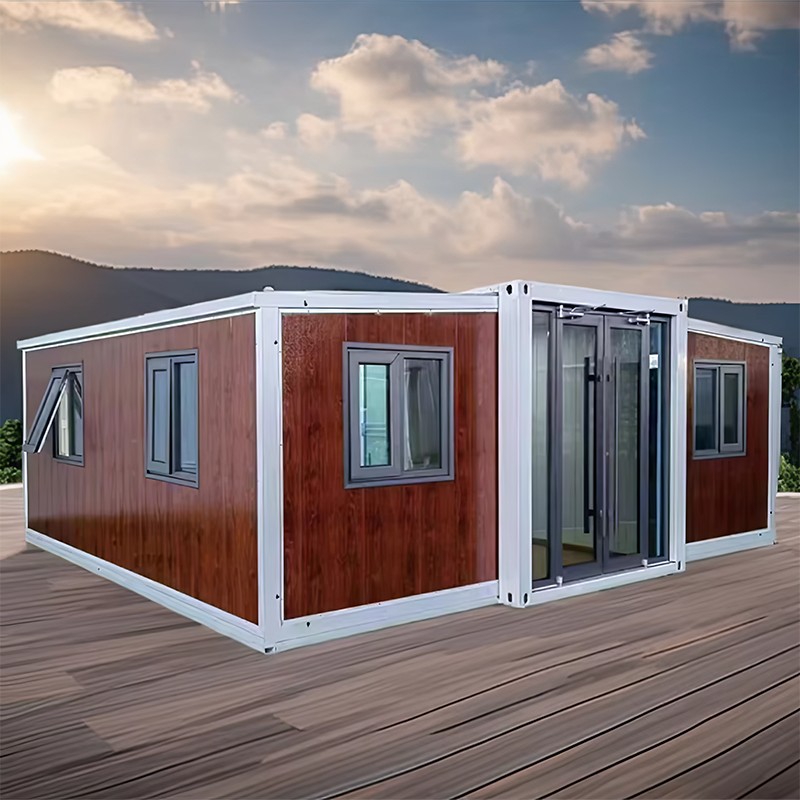
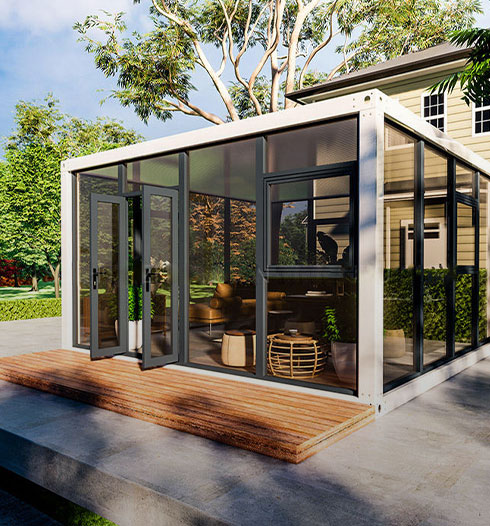
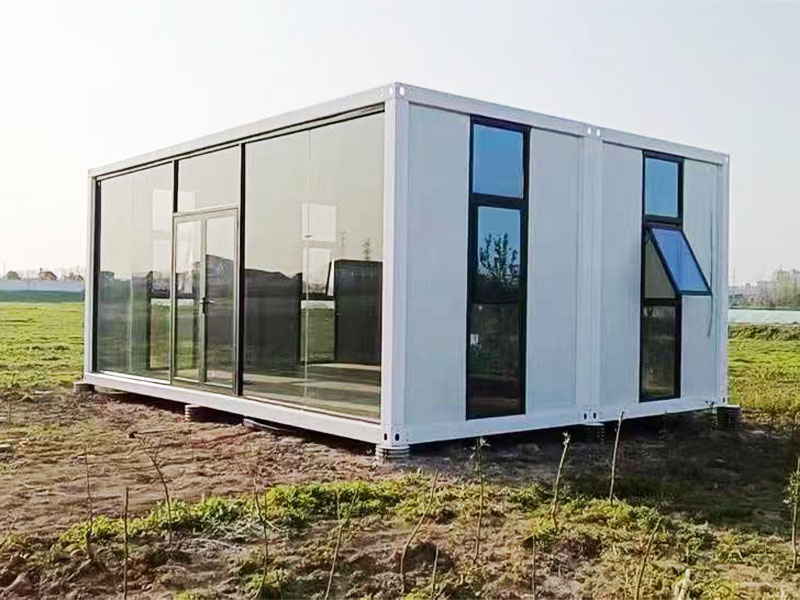
- Steel structure modular container houses (the focus of this article): Purpose-built prefabricated modules using a welded or bolted light steel structural frame — typically hot-dip galvanized square tube or C-section steel — with sandwich panel infill walls, roof, and floor. These are designed from the ground up as habitable structures, not repurposed freight containers, and offer superior thermal performance, layout flexibility, and structural engineering compared to converted shipping containers.
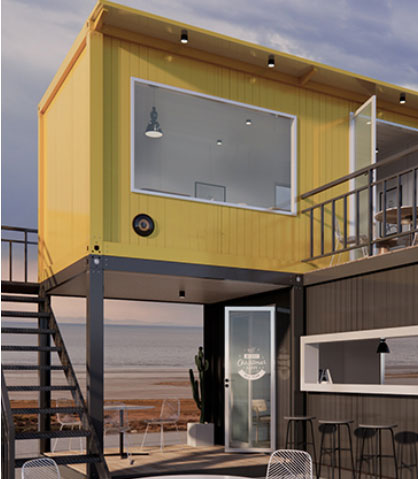
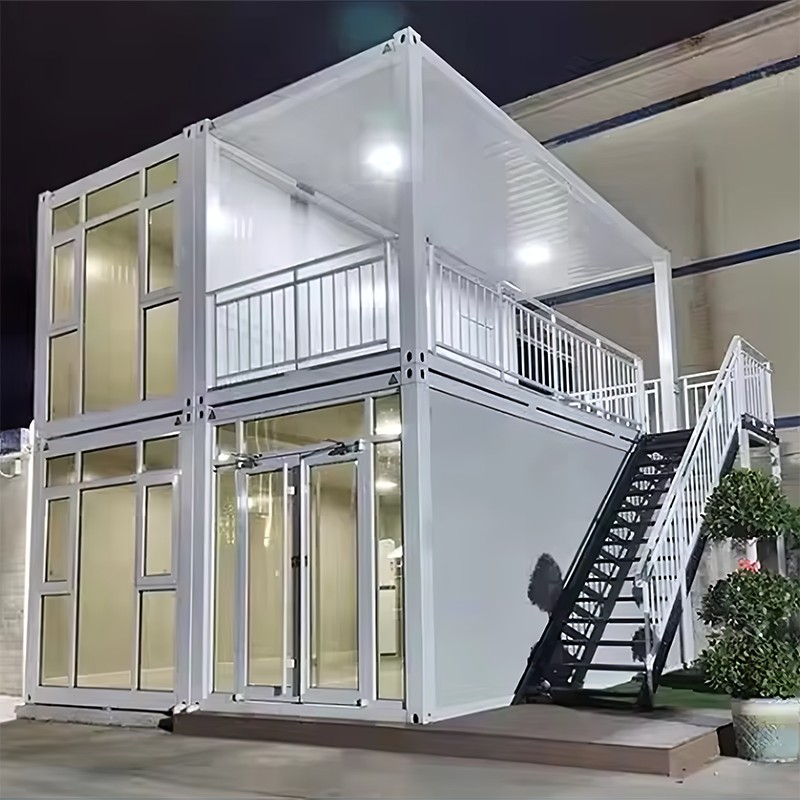
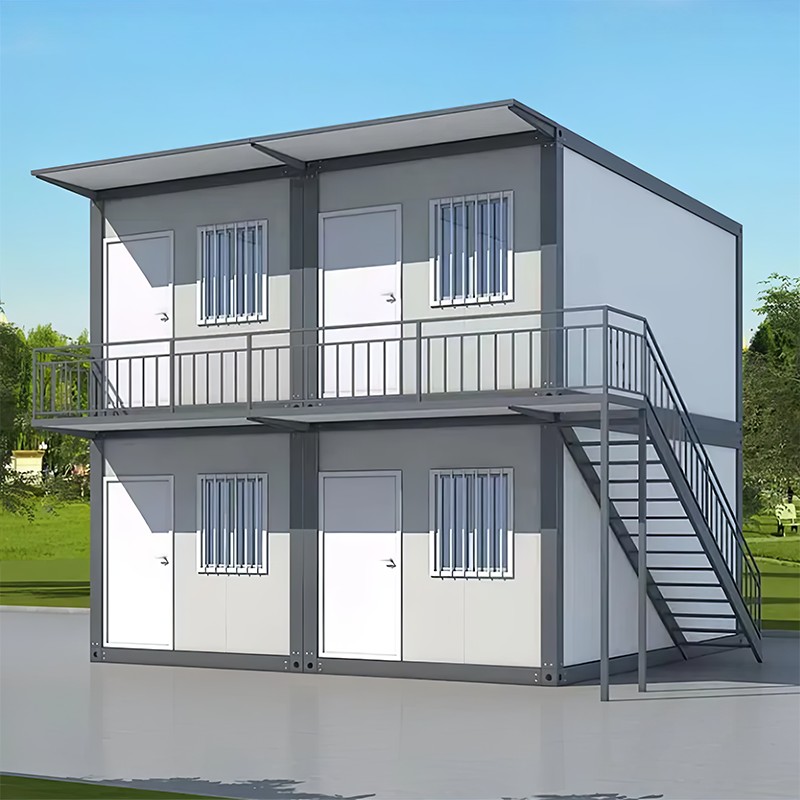
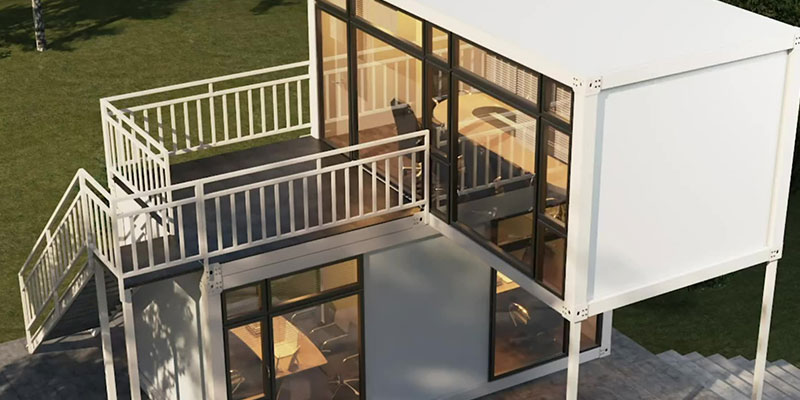
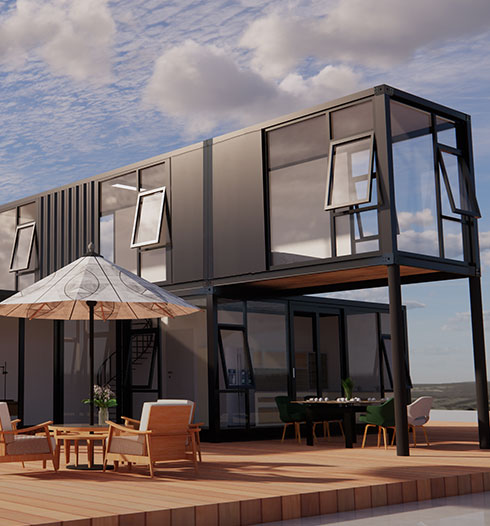
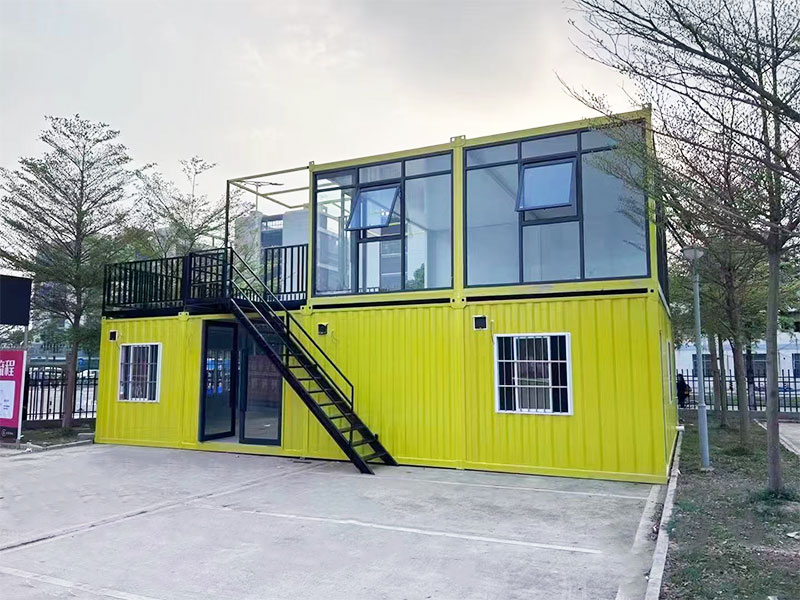
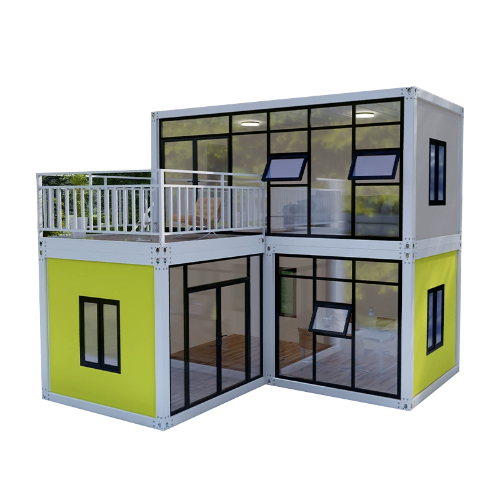
Steel structure modular container houses are manufactured in standard unit sizes — most commonly 6m × 3m × 2.8m (L×W×H) for a single module — and can be combined horizontally and stacked vertically (typically up to 2 to 3 stories with standard frames, or higher with reinforced corner post systems) to create any required floor plan configuration.
Steel Structure Frame: The Foundation of Stability
The steel structural frame is the load-bearing skeleton of a container house and the primary determinant of its structural stability, stacking capacity, and service life. Understanding the frame's construction explains why a properly engineered steel structure container house performs dramatically better than lightweight aluminum-framed or wood-framed alternatives in demanding environments.
Frame Components and Typical Specifications
A standard single-story steel structure container house frame consists of:
- Corner columns: Square hollow section (SHS) steel tubes, typically 80mm × 80mm × 3mm or 100mm × 100mm × 4mm wall thickness, hot-dip galvanized. These are the primary vertical load-carrying members and the connection points for stacking.
- Top and bottom rails: Rectangular hollow section (RHS) beams connecting the corner columns at the top and bottom of the wall plane — typically 140mm × 60mm × 3mm or similar. These carry the roof load and distribute it to the columns.
- Floor beams: C-section or I-section steel beams spanning between the bottom rails, supporting the floor panel. Spacing of 300mm to 400mm center-to-center is standard for residential live load capacity.
- Roof purlins: C-section steel members spanning the roof width at 600mm to 900mm spacing, supporting the roof sandwich panel.
- Bracing members: Diagonal flat bar or angle steel bracing in wall and roof planes to resist lateral (wind and seismic) loads and prevent frame racking.
Hot-Dip Galvanization: The Key to Long-Term Corrosion Resistance
The single most important protective treatment for the steel frame is hot-dip galvanization — immersing the fabricated steel components in molten zinc at approximately 450°C to form a zinc-iron alloy coating. A standard hot-dip galvanized coating of 55 to 85 µm (microns) in thickness provides corrosion protection for 20 to 30 years in typical outdoor environments, and 10 to 15 years in coastal or industrial atmospheres with elevated salt and pollutant exposure.
Paint or powder coat alone provides 5 to 10 years of corrosion protection before maintenance is required — a meaningful lifecycle difference for structures intended for multi-year deployment. Buyers should verify that the frame steel meets EN ISO 1461 or equivalent galvanization standards, particularly for structures deployed in tropical, coastal, or high-humidity environments.
Structural Load Capacity
A standard steel structure container house with 80×80×3mm corner columns and 140×60×3mm rails is designed to carry:
- Live floor load: 2.0 kN/m² (residential) to 3.5 kN/m² (office or light industrial use)
- Roof live load (snow/maintenance): 0.5 to 1.0 kN/m²
- Wind load resistance: Up to 0.5 kPa (equivalent to approximately 100 km/h wind speed) as a single-story unit; higher wind ratings require additional bracing or heavier section frames
- Stacking capacity: Standard frames support 2 stories of stacking; reinforced column designs with 4mm or 5mm wall thickness support 3 stories or more
Sandwich Panel Container House: Wall, Roof, and Floor Panel Systems
Sandwich panels are the defining component of modern modular container houses — they simultaneously perform the functions of structural infill, thermal insulation, weather barrier, and finished interior and exterior surface in a single prefabricated element. A sandwich panel consists of two rigid steel face sheets bonded to a continuous insulating core, creating a composite structure whose bending stiffness is far greater than either component alone.
Sandwich Panel Core Materials and Their Performance
The choice of core material is the most consequential specification decision in a sandwich panel container house, directly determining thermal performance, fire resistance, weight, and cost:
- EPS (Expanded Polystyrene) core: The most economical option. Thermal conductivity λ = 0.036–0.040 W/m·K. A 75mm EPS panel provides a U-value of approximately 0.48 W/m²K. Flammable — classified B2 in most standards. Best for short-term or low-risk applications such as construction site offices and temporary camps. Cost-effective and lightweight (panel weight approximately 10–12 kg/m²).
- Rock wool (mineral wool) core: Non-combustible — classified A2 or A1 fire rating. Thermal conductivity λ = 0.040–0.045 W/m·K. Provides excellent fire resistance (tested to 1,000°C without flame propagation) and superior acoustic performance compared to foam cores. Standard for permanent residential, commercial, and any application with fire code requirements. Panel weight approximately 15–20 kg/m² for 50mm thickness.
- PU (Polyurethane) core: The best thermal insulation performance of common core types — thermal conductivity λ = 0.022–0.028 W/m·K, giving a 50mm PU panel a U-value of approximately 0.45 W/m²K. Higher cost than EPS; combustible but often self-extinguishing (B1 classification in many markets). Preferred for cold storage, refrigerated buildings, and energy-efficient housing where thin panel thickness with high thermal resistance is valued.
- Glass wool core: Similar properties to rock wool but lighter weight. Used where weight reduction is prioritized alongside fire resistance. Thermal conductivity λ = 0.038–0.044 W/m·K.
Steel Face Sheet Specifications
The steel face sheets of sandwich panels are typically 0.4mm to 0.6mm thick galvanized steel (Z275 — 275 g/m² zinc coating per EN 10346), often with an additional PVDF, PE, or SMP color coating for weather resistance and aesthetics. The color coating provides 10 to 25 years of UV and weather resistance depending on the coating type — PVDF being the most durable, PE the most economical.
Panel width is typically 950mm to 1,150mm with tongue-and-groove or cam-lock jointing systems between adjacent panels, creating a weather-tight seal without sealant in many panel systems. Panel length is manufactured to the specific module height — usually 2,400mm to 3,000mm for wall panels.
Sandwich Panel Core Types: Side-by-Side Performance Comparison
| Property | EPS | Rock Wool | PU Foam | Glass Wool |
|---|---|---|---|---|
| Thermal Conductivity (λ) | 0.036–0.040 W/m·K | 0.040–0.045 W/m·K | 0.022–0.028 W/m·K | 0.038–0.044 W/m·K |
| Fire Rating | B2 (combustible) | A1/A2 (non-combustible) | B1–B2 | A1/A2 (non-combustible) |
| Acoustic Performance | Moderate | Excellent | Moderate | Good |
| Panel Weight (50mm) | ~10 kg/m² | ~18 kg/m² | ~11 kg/m² | ~14 kg/m² |
| Relative Cost | Lowest | Medium–High | Medium | Medium |
| Best Application | Temporary camps, site offices | Permanent housing, commercial | Cold storage, energy-efficient housing | Residential, acoustic-sensitive use |
Stable Structure Container House: What Makes One Truly Structurally Sound
"Stable structure" in the context of container houses refers to a combination of engineering design decisions, material specifications, and connection details that together determine how the structure performs under wind, gravity, seismic, and dynamic loads over its service life. Not all modular container houses marketed as "stable" meet the same engineering standard — and the differences are not always visible to the untrained eye.
Corner Connection and Joint Design
The most structurally critical element in a modular container house is the corner post-to-rail connection. Weak or poorly detailed connections at this junction are the primary cause of structural failure under wind load or during repeated relocation cycles. Quality stable structure container houses use one of the following connection approaches:
- Welded connections: Full-penetration or fillet welds joining the column to the rail provide the highest rigidity and moment capacity. Requires certified welding to EN ISO 3834 or AWS D1.1 standard. Used in permanent or semi-permanent installations and multi-story stacking.
- Bolted moment connections: High-strength bolts (Grade 8.8 or Grade 10.9) with load-bearing gusset plates at each corner. Allows field assembly and disassembly without welding equipment, making the house relocatable, while providing adequate structural performance for 2-story loads.
- Cast corner fittings (ISO-compatible): Some high-end container house frames use corner castings compatible with standard ISO shipping container twist-lock connectors, enabling secure stacking, lifting, and transport using standard container handling equipment.
Foundation Requirements for Structural Stability
Even the most robustly engineered steel structure container house will perform poorly if the foundation is inadequate. The house frame must be anchored to the foundation at each corner column base to resist overturning and sliding under wind load. Common foundation approaches include:
- Concrete strip or pad footings: Cast-in-place concrete pads at each corner column location with cast-in anchor bolts matching the column base plate holes. Standard for permanent or long-term semi-permanent installations. Minimum pad size typically 500mm × 500mm × 300mm deep for single-story units on competent soil.
- Screw pile foundations: Galvanized steel helical screw piles driven into the ground without excavation. Can be installed in 1 to 2 hours per pile and removed without soil disturbance — ideal for temporary deployments or sites where concrete is impractical. Load capacity of 30 to 150 kN per pile depending on soil conditions and pile size.
- Concrete block leveling system: Prefabricated concrete blocks or adjustable steel base plates placed on compacted ground. Suitable for short-term deployment on stable, level ground. Requires leveling inspection after any significant rainfall or ground movement.
Wind and Seismic Resistance
A fully anchored steel structure container house with diagonal wall bracing can resist wind pressures up to 1.0 kPa (equivalent to approximately 130 km/h sustained wind) as a single-story unit. For high-wind zones (cyclone-prone coastal areas, mountain passes), additional bracing, heavier section frames, and engineered anchor systems are required. The manufacturer should provide a structural calculation report signed by a professional engineer confirming compliance with local wind code requirements (e.g., ASCE 7 in the US, AS/NZS 1170 in Australia, EN 1991-1-4 in Europe).
Assembly Process and Speed: From Delivery to Occupancy
One of the defining advantages of a steel structure sandwich panel container house over conventional construction is the speed from foundation completion to occupancy. The following timeline applies to a typical 6m × 6m (two-module) single-story structure with a prepared foundation:
- Day 1 — Foundation and leveling: Concrete pads or screw piles installed and leveled. Steel base plates and anchor bolts set. Allow concrete to cure (24 hours minimum for screw pile systems, 3–7 days for cast concrete pads before loading).
- Day 2 — Frame erection: Bottom rails bolted to foundation anchor points. Corner columns erected and connected to rails. Top rails installed. Roof purlins fitted. A 4-person crew can complete the frame of a 2-module unit in 4 to 6 hours.
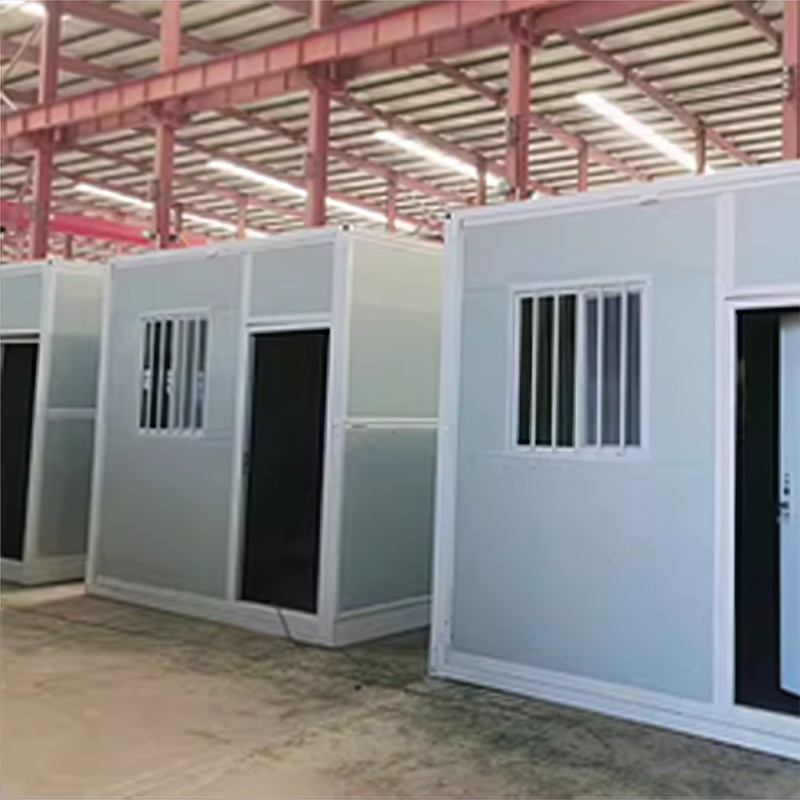
- Day 2–3 — Panel installation: Floor panels laid; wall sandwich panels fitted into frame channels and secured; roof panels installed and sealed at ridge and eave. Window and door frames installed simultaneously.
- Day 3–4 — MEP rough-in and fit-out: Electrical conduit and wiring; plumbing rough-in; interior partition panels if required; final door and window glazing; exterior sealant at panel joints.
- Day 4–5 — Commissioning: MEP connection and testing; final inspection; handover.
Compared to a conventional masonry structure of equivalent area requiring 60 to 90 days from foundation to occupation, the steel structure container house delivers habitable space in 3 to 7 working days — a ratio that justifies the cost premium of prefabricated systems in time-critical applications such as disaster relief, military forward bases, and construction site accommodation.
Key Specifications to Verify Before Purchasing
The modular container house market contains significant variation in quality between suppliers. Use the following checklist of verifiable specifications when evaluating suppliers and comparing quotes:
| Component | Minimum Acceptable Specification | Premium Specification |
|---|---|---|
| Corner Column | 80×80×2.5mm SHS, painted | 100×100×4mm SHS, hot-dip galvanized |
| Top/Bottom Rail | 120×60×2.5mm RHS | 140×60×3mm RHS, galvanized |
| Wall Panel Core | 50mm EPS (B2 fire rating) | 50–75mm rock wool (A2 fire rating) |
| Face Sheet | 0.4mm galvanized, PE coating | 0.5mm Z275 galvanized, PVDF coating |
| Floor System | 18mm fiber cement board on steel joists | 75mm sandwich floor panel + vinyl tile finish |
| Anti-Corrosion Treatment | 2-coat epoxy primer + topcoat | Full hot-dip galvanization (EN ISO 1461) |
| Structural Certification | Manufacturer's test report | PE-stamped structural calculations, CE/ISO certification |
Typical Applications and Deployment Scenarios
Steel structure sandwich panel container houses are deployed across a wide range of applications, and matching the specification to the deployment type avoids both over-engineering (paying for performance you do not need) and under-engineering (specifying inadequate structures for the conditions):
- Construction site worker accommodation: Large-scale camp configurations of 50 to 500+ units. EPS core panels are acceptable for 12 to 24 month deployments. Grid-plan layout with shared sanitary and dining modules. Relocatable on completion of the construction project.
- Emergency and disaster relief housing: Rock wool panel units are preferred for safety in densely occupied emergency settlements. Rapid deployment within 48 to 72 hours of site preparation is achievable with pre-fabricated flat-pack modules and trained assembly crews.
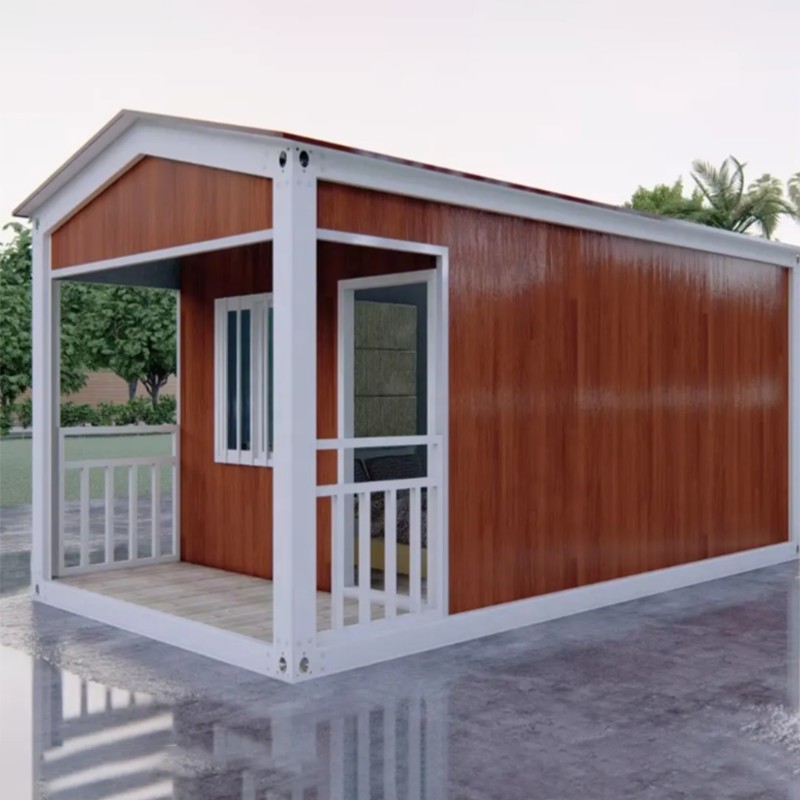
- Permanent residential and commercial use: Multi-story configurations with reinforced frames, rock wool or PU panels, full MEP systems, and conventional architectural finishes (cladding, rendered finishes, roofing tiles over the panel roof). Designed for 20 to 30 year service life.
- Military and remote operations bases: Rapid deployable structures with ISO corner fittings for helicopter or crane lifting, certified for high wind and seismic zones, with EMP-shielded electrical systems available for secure communications facilities.
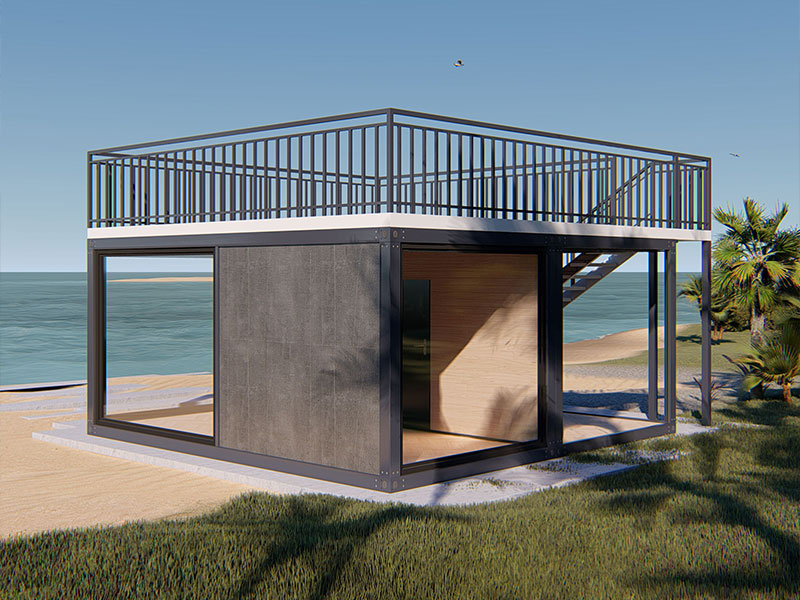
- Retail, hospitality, and tourism installations: Pop-up retail, glamping cabins, and remote lodge accommodation — where the aesthetic flexibility of custom external cladding over the sandwich panel structure allows architectural expression impossible with converted shipping containers.