

 English
 русский
 Français
 Español
 عربى
عربى

Content
- 1 Introduction to Modern Containerized Solutions
- 2 Technical Classification: Shipping Container Homes vs. Purpose-Built Prefab Units
- 3 Structural Integrity and Material Specifications
- 4 Thermal Performance and Insulation Technologies
- 5 Durability and Corrosion Protection
- 6 Logistics and Assembly Efficiency
- 7 Interior Customization and Electrical Standards
- 8 Application Scenarios in International Trade
- 9 Conclusion
- 10 Frequently Asked Questions (FAQ)
- 11 References
Introduction to Modern Containerized Solutions
The global demand for rapid-deployment housing and flexible industrial spaces has propelled the container house from a niche architectural concept to a mainstream construction standard. For international procurement managers and developers, understanding the technical nuances of these structures is essential. A container house is no longer just a repurposed shipping box; it is a sophisticated engineering product designed to meet rigorous building codes while maintaining the efficiency of modular logistics. This article provides an in-depth technical analysis of container house categories, material standards, and functional comparisons.
Technical Classification: Shipping Container Homes vs. Purpose-Built Prefab Units
The industry generally categorizes containerized buildings into two primary types: converted ISO shipping containers and purpose-built modular flat-pack units.
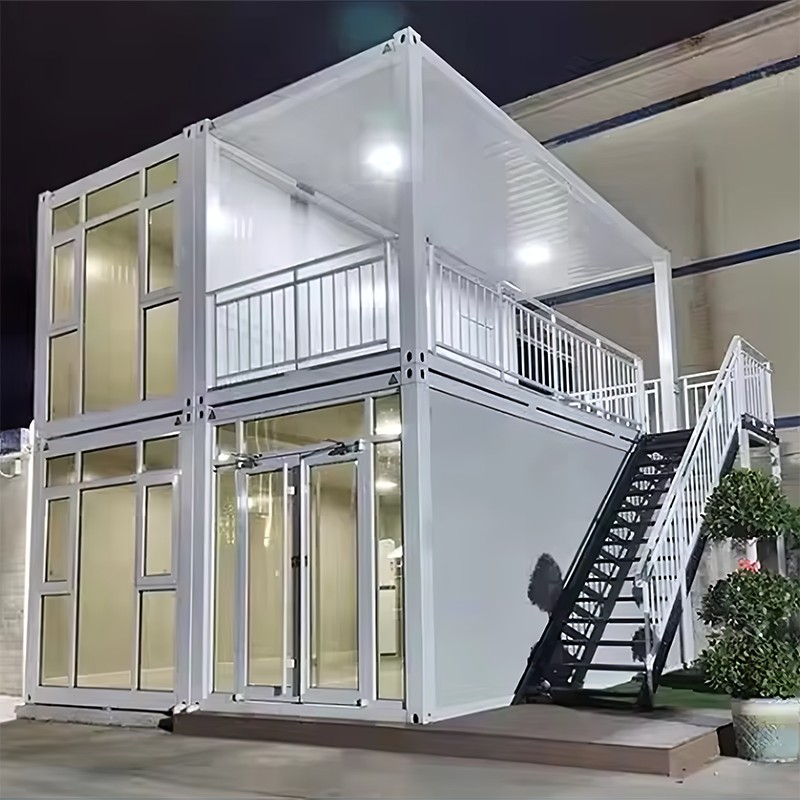
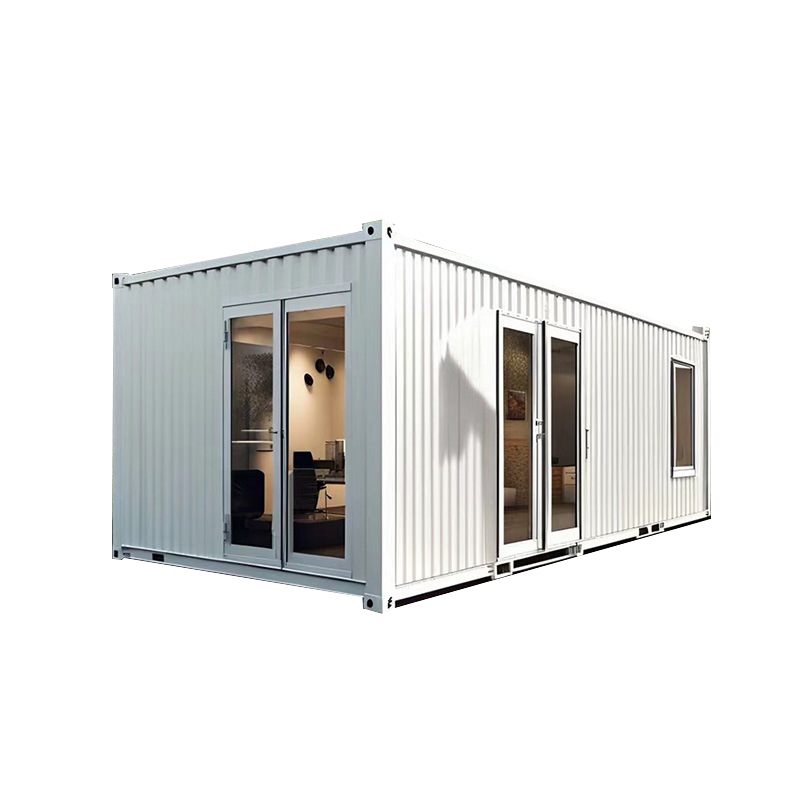
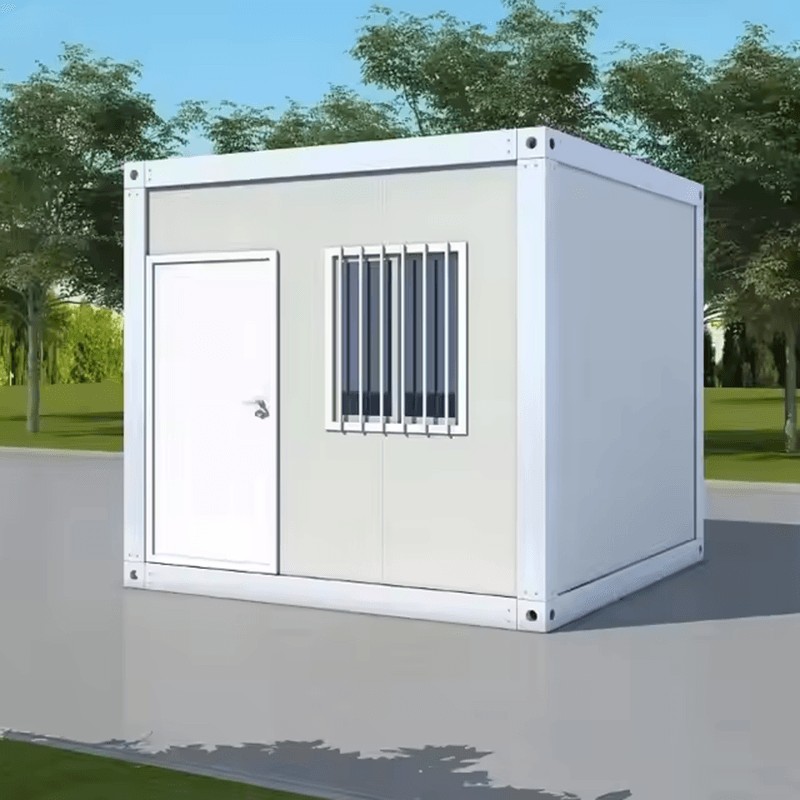
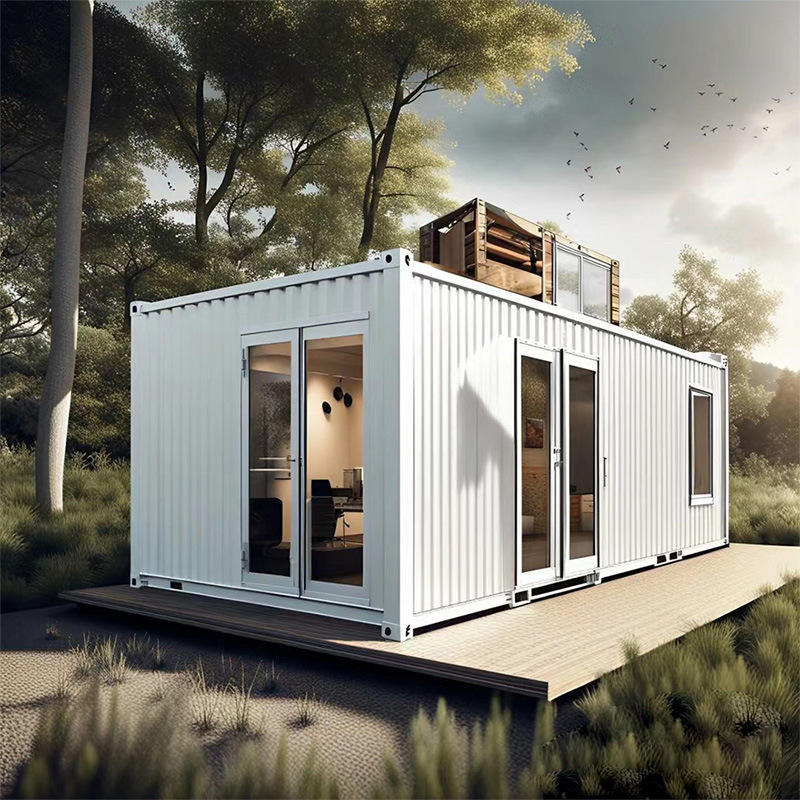
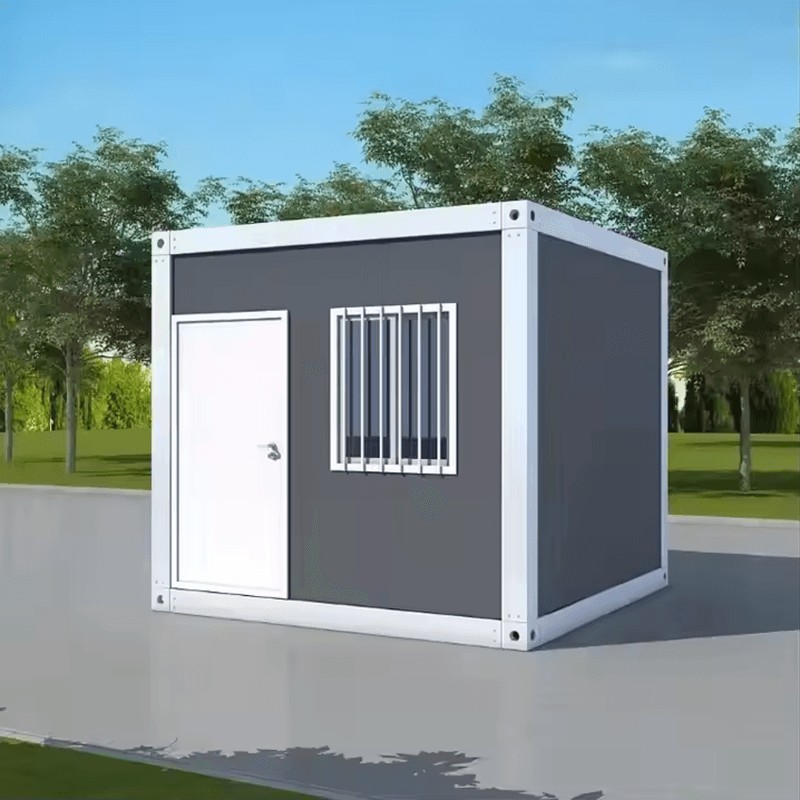
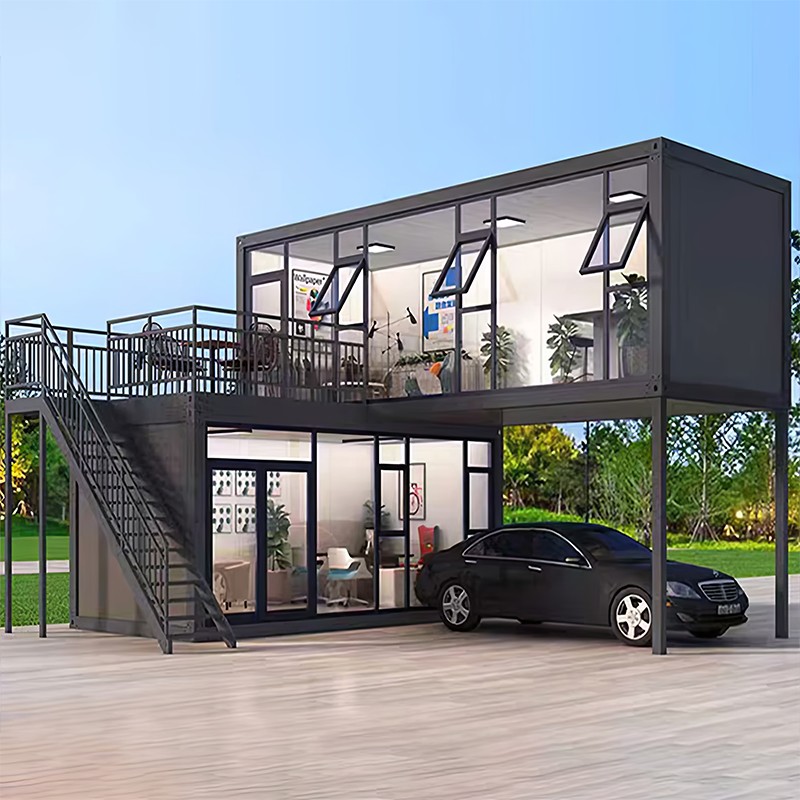
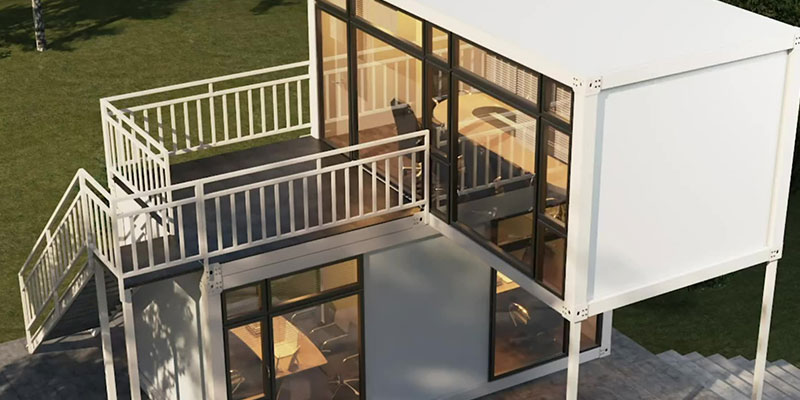
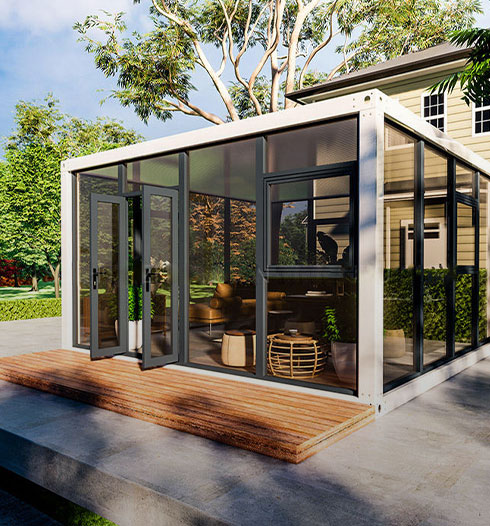
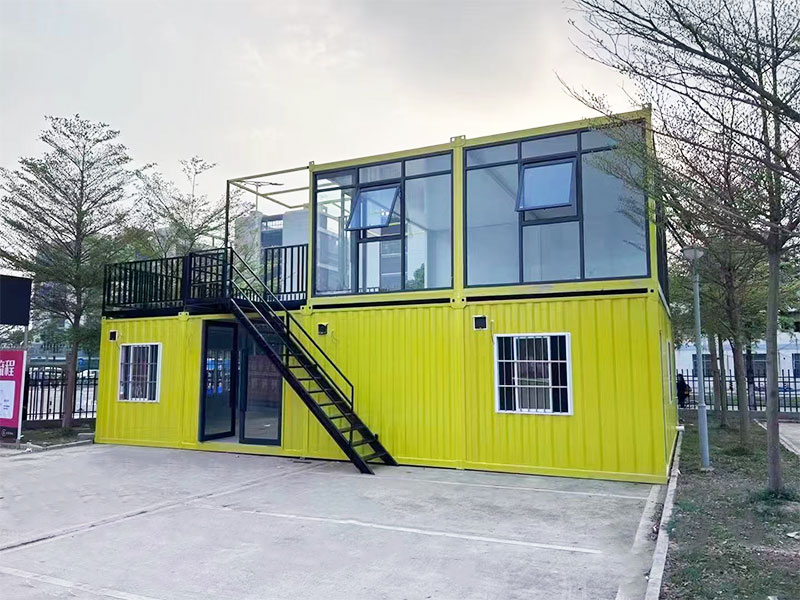
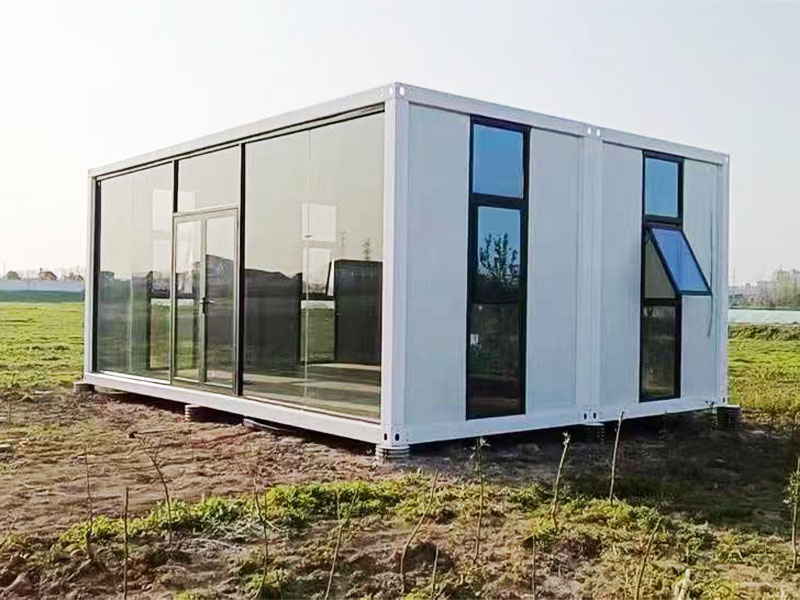
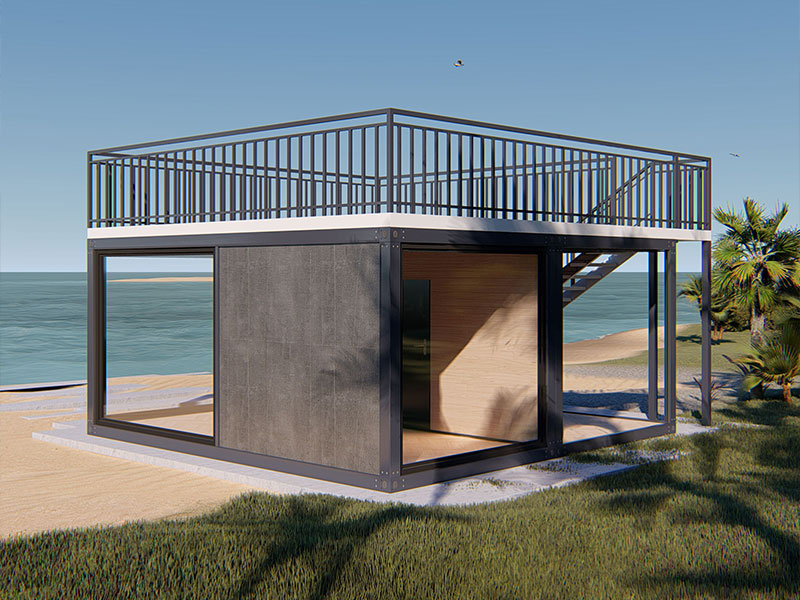
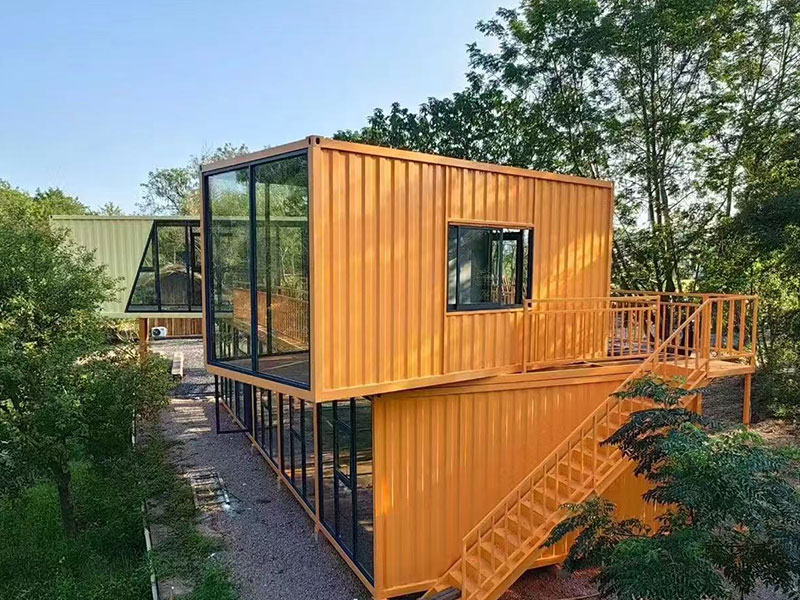
Converted ISO shipping containers utilize the original Corten steel frame and corrugated walls of standardized maritime containers. These units offer unparalleled structural integrity, designed to withstand the harsh environments of ocean transport and the weight of being stacked up to nine units high. In contrast, purpose-built modular containers (often referred to as flat-packs) are manufactured from the ground up as living or office spaces. They feature lightweight galvanized steel frames and interchangeable sandwich panels, offering greater flexibility in terms of window and door placement.
Structural Integrity and Material Specifications
The lifespan and safety of a container house depend heavily on its material composition. High-quality manufacturers adhere to ISO standards to ensure that the steel used is resistant to corrosion and structural fatigue.
| Component | Converted ISO Container | Modular Flat-Pack Unit |
|---|---|---|
| Frame Material | Corten Steel (Weathering Steel) | Galvanized Cold-Rolled Steel |
| Wall Construction | 2.0mm Corrugated Steel Panels | 50mm-100mm Sandwich Panels (EPS/PU/Rockwool) |
| Floor Loading | 250 kg/m² to 500 kg/m² | 200 kg/m² to 400 kg/m² |
| Stacking Capacity | Up to 9 levels | 2 to 3 levels |
| Roof Strength | Highly reinforced (Corten) | Designed for drainage and light snow load |
Thermal Performance and Insulation Technologies
One of the most critical aspects of container house manufacturing is thermal management. Since steel is a highly conductive material, specialized insulation techniques are required to ensure the interior remains habitable in extreme climates.
Manufacturers typically employ three types of insulation:
- Spray Foam Insulation: This provides a seamless airtight barrier and an excellent R-value. It is particularly effective for converted shipping containers as it conforms to the corrugated walls and prevents condensation.
- Sandwich Panels: Commonly used in modular units, these panels consist of two steel sheets with an insulating core (Polyurethane or Rockwool). This method is cost-effective and provides a clean interior finish without additional dry-walling.
- External Cladding: For high-end residential projects, external insulation finishing systems (EIFS) are applied to the outside of the container to eliminate thermal bridging and enhance the aesthetic appeal.
Durability and Corrosion Protection
For export-oriented products, especially those destined for coastal regions, anti-corrosion treatment is a non-negotiable standard. Converted containers benefit from the inherent properties of Corten steel, which forms a protective layer of oxidation. However, for purpose-built modular units, the steel frame must undergo a hot-dip galvanization process followed by marine-grade powder coating to prevent rust.
Technical coatings must meet the following criteria:
- Adhesion Strength: Ensuring the paint does not peel under thermal expansion.
- Salt Spray Resistance: Essential for units used in offshore or seaside sites.
- UV Resistance: Preventing the degradation of color and protective layers in high-sunlight regions.
Logistics and Assembly Efficiency
A primary advantage of the container house series is the ease of international transport. Standard 20ft and 40ft dimensions allow these products to be shipped via standard container vessels, significantly reducing freight costs compared to traditional prefabricated modules.
Modular flat-pack units offer further efficiency. A single 40ft High Cube container can often carry up to four or six “collapsed” modular units, which are then assembled on-site using basic tools and a light crane. This “flat-pack” system reduces the logistics footprint and allows for rapid deployment in remote locations like mining camps or disaster relief zones.
Interior Customization and Electrical Standards
Professional manufacturers provide “plug-and-play” solutions where electrical and plumbing systems are pre-installed in the factory. It is vital for procurement managers to ensure that these systems comply with the destination country’s standards (such as CE for Europe, UL for the US, or SAA for Australia).
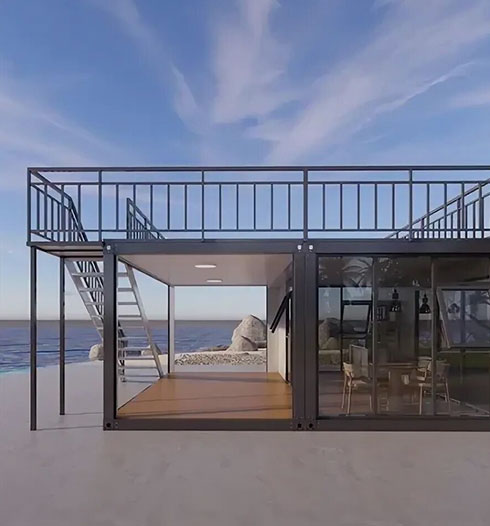
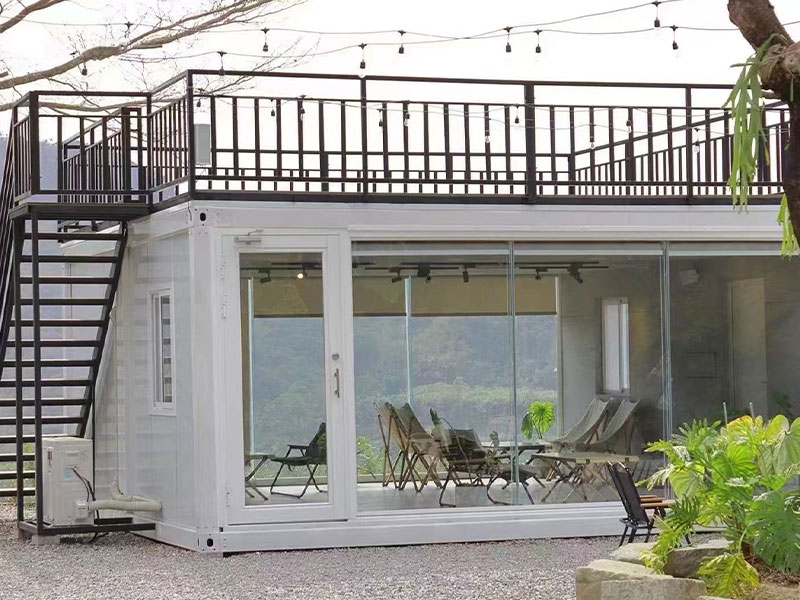
Internal finishes range from basic PVC flooring and melamine wallboards for office use to high-end bamboo flooring and integrated smart-home systems for luxury residential applications. The modular nature of the series allows for the removal of side walls to create large open-plan spaces, spanning across multiple container units.
Application Scenarios in International Trade
The versatility of the container house series makes it suitable for a wide array of sectors:
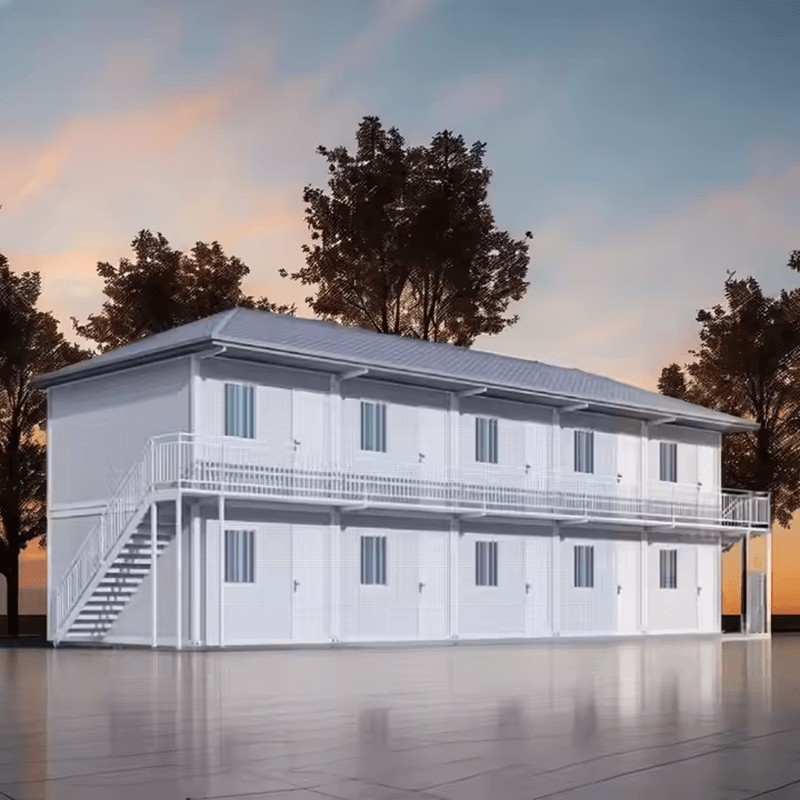
- Construction & Mining: Temporary worker dormitories, site offices, and mobile laboratories.
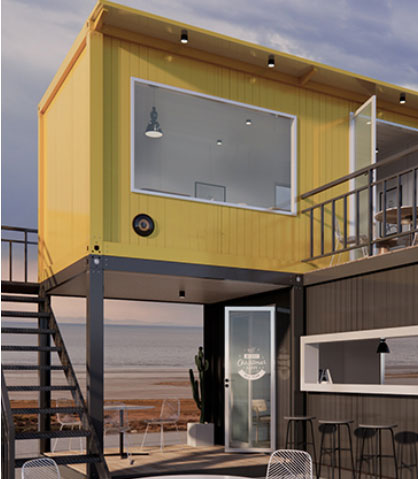
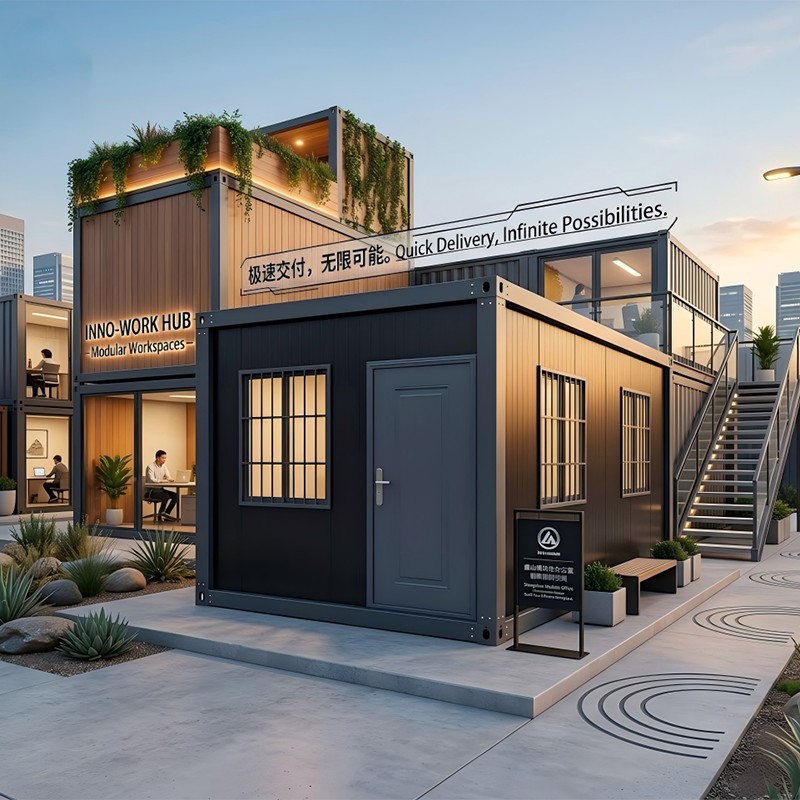
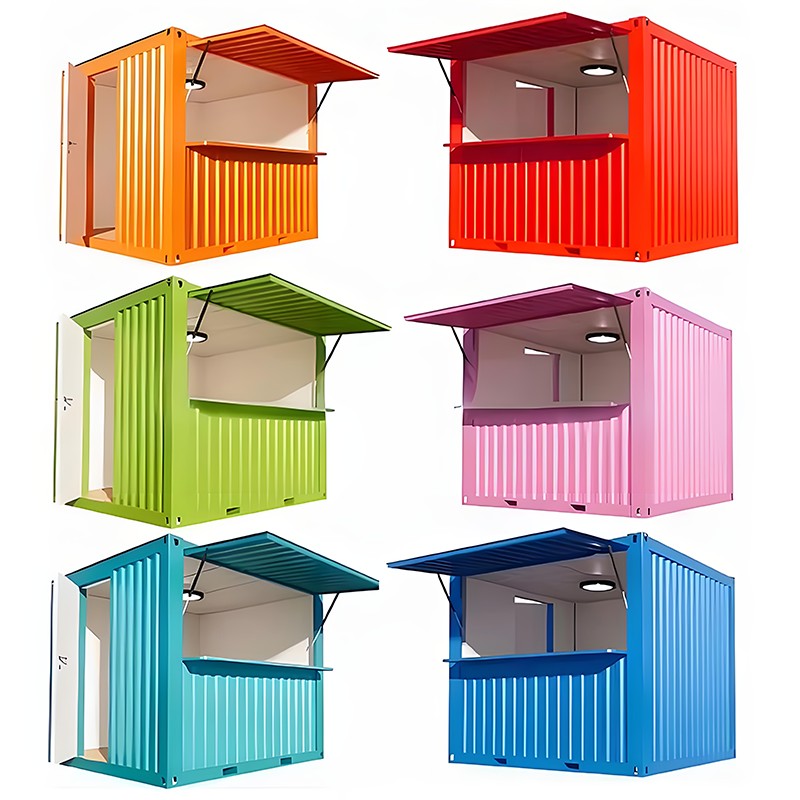
- Commercial: Pop-up retail shops, cafes, and exhibition booths.
- Residential: Affordable housing, backyard guest houses, and luxury eco-villas.
- Emergency Response: Mobile clinics, isolation wards, and rapid-response command centers.
Conclusion
Selecting the right container house solution requires a deep understanding of the balance between structural rigidity, thermal efficiency, and logistical ease. While converted ISO containers offer the ultimate in strength and industrial aesthetics, modular flat-pack systems provide unmatched flexibility and cost-effectiveness for large-scale projects. As a manufacturer, our focus remains on delivering high-precision engineering that meets global safety and quality standards.
Frequently Asked Questions (FAQ)
1. What is the expected lifespan of a professional container house?
A well-maintained container house using galvanized steel or Corten steel and high-quality anti-corrosion coatings can last between 25 to 30 years. For permanent installations with additional exterior cladding, the lifespan can exceed 50 years.
2. Can container houses be used in extremely cold or hot climates?
Yes. By selecting the appropriate insulation thickness (such as 100mm Rockwool or PU spray foam) and installing HVAC systems, container houses can operate efficiently in temperatures ranging from -30°C to +50°C.
3. Are these units fire-resistant?
The primary structure is steel, which is non-combustible. For the walls, manufacturers use fire-rated materials like Rockwool sandwich panels, which can provide fire resistance ratings up to Grade A.
4. How is the foundation for a container house prepared?
Container houses do not require a traditional deep foundation. They can be placed on concrete piers, a simple concrete slab, or even a leveled gravel bed with steel supports, depending on the soil conditions and local building codes.
5. How are the units connected when stacking or joining?
Units are joined using specialized bridge fittings and twist locks for structural stability. For weatherproofing, the joints are sealed with waterproof EPDM rubber gaskets and high-grade silicone sealants.
References
- International Organization for Standardization (ISO) 668: Series 1 freight containers — Classification, dimensions and ratings.
- Structural Engineering of Shipping Container Buildings, Journal of Architectural Engineering.
- ASTM A588 Standard Specification for High-Strength Low-Alloy Structural Steel (Corten Steel).
- Modular Building Institute (MBI) Annual Reports on Permanent Modular Construction.
- Thermal Performance Analysis of Container-Based Modular Units, Building and Environment Journal.