 English
 русский
 Français
 Español
 عربى
عربى

Content
- 1 The Rise of Modular and Prefabricated Housing Solutions
- 2 What Is a Detachable Container House
- 3 What Is an Assembled House
- 4 Side-by-Side Comparison: Detachable Container House vs Assembled House
- 5 Foundation and Site Preparation Requirements
- 6 Regulatory Compliance and Building Permits
- 7 Total Cost of Ownership: Beyond the Purchase Price
- 8 How to Choose Between a Detachable Container House and an Assembled House
The Rise of Modular and Prefabricated Housing Solutions
Detachable container houses and assembled houses represent two of the fastest-growing categories in prefabricated construction. Both approaches shift significant portions of the building process from the construction site to a controlled factory environment, delivering structures that can be erected in days or weeks rather than months. The result is reduced labor dependency on site, more consistent build quality, lower material waste, and the ability to relocate or reconfigure the structure as needs change over time.
The two categories are closely related but serve different applications and buyer requirements. A detachable container house prioritizes mobility, rapid deployment, and repeated relocation over the building's lifetime. An assembled house prioritizes a finished residential or commercial appearance, flexible floor plan configuration, and a more permanent feel while retaining the core advantages of prefabricated construction. Understanding the distinctions between them allows buyers, developers, and project managers to specify the right solution for their site conditions, regulatory environment, and budget.
What Is a Detachable Container House
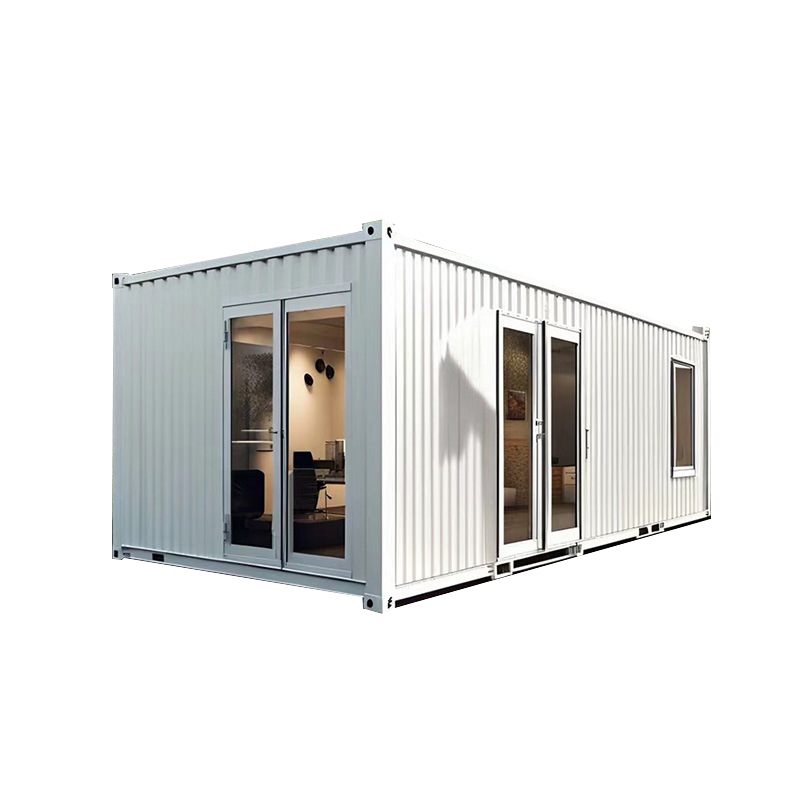
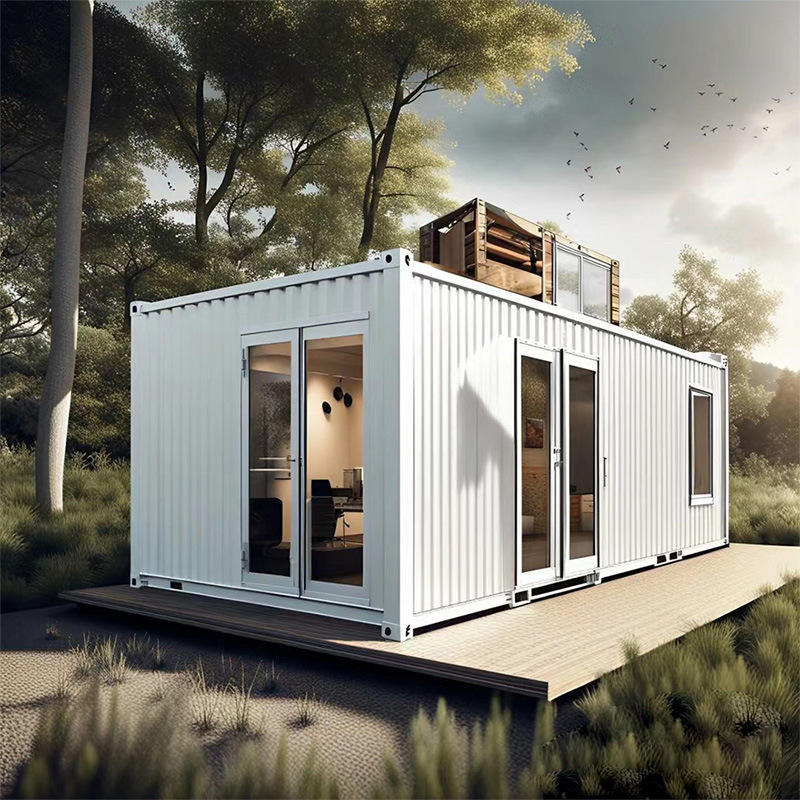
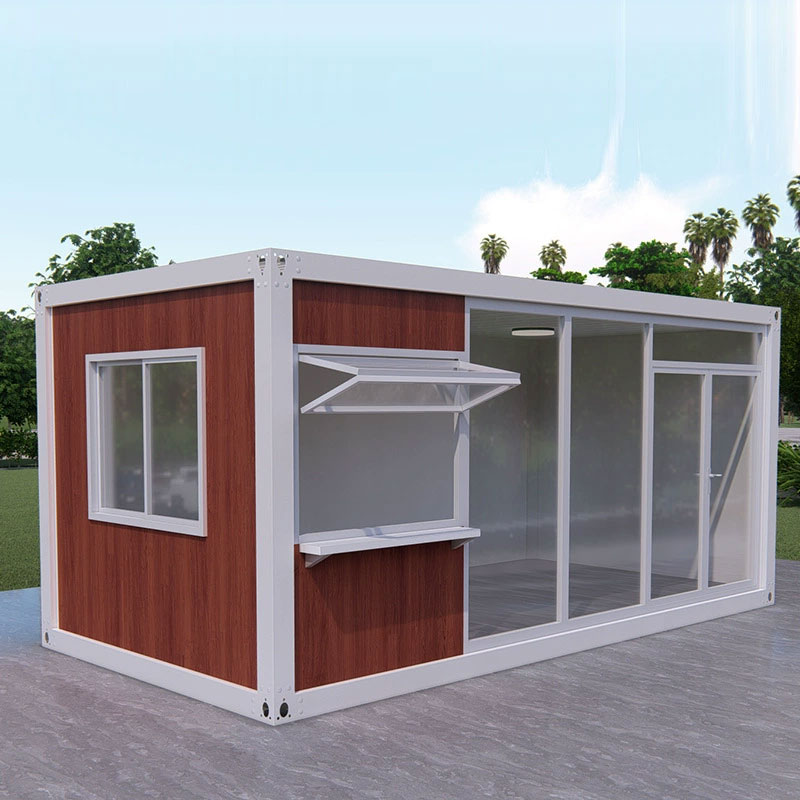
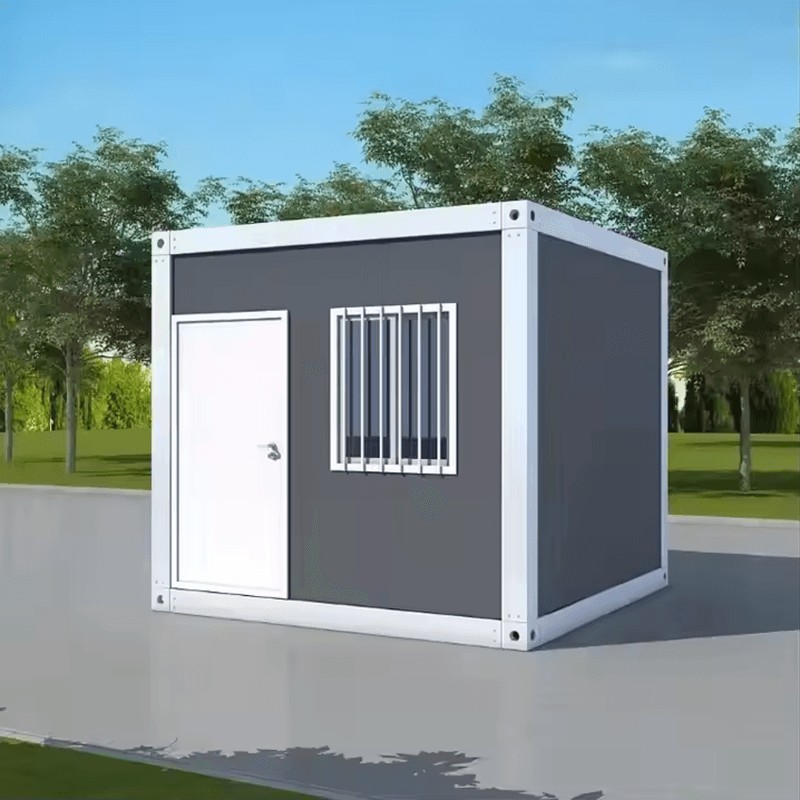
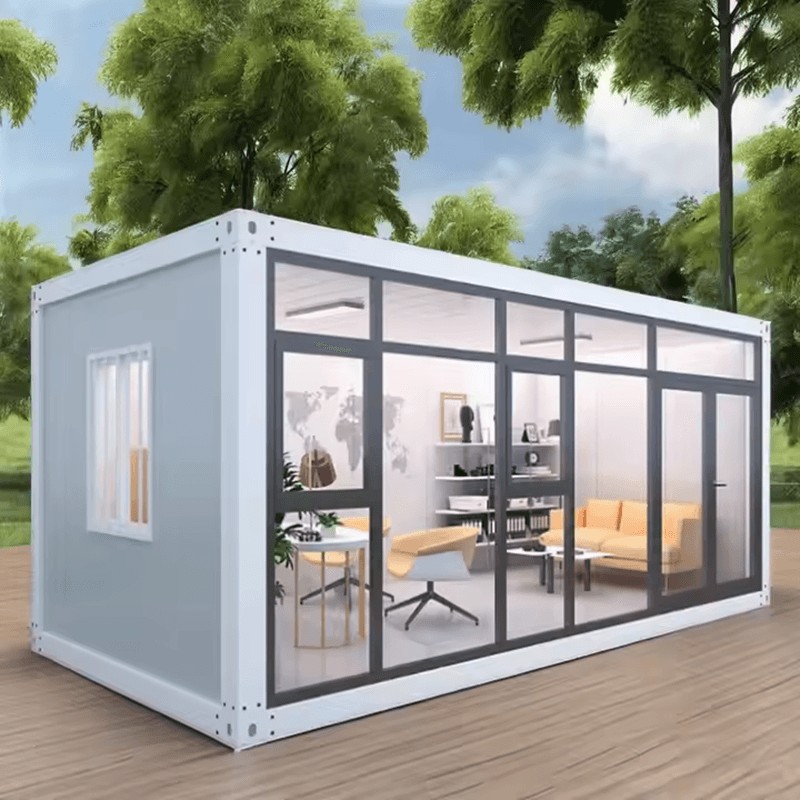
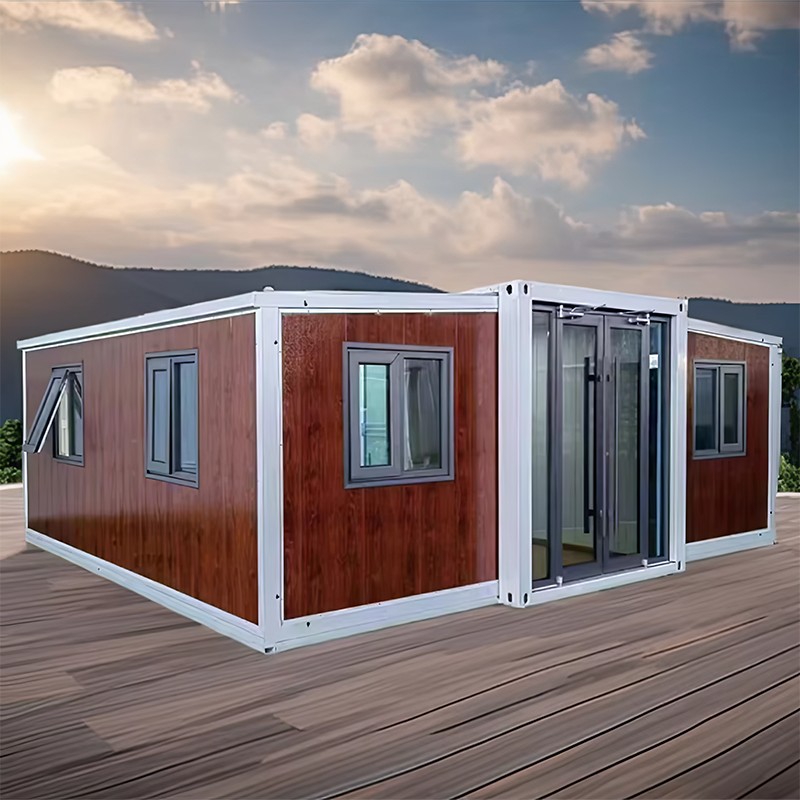
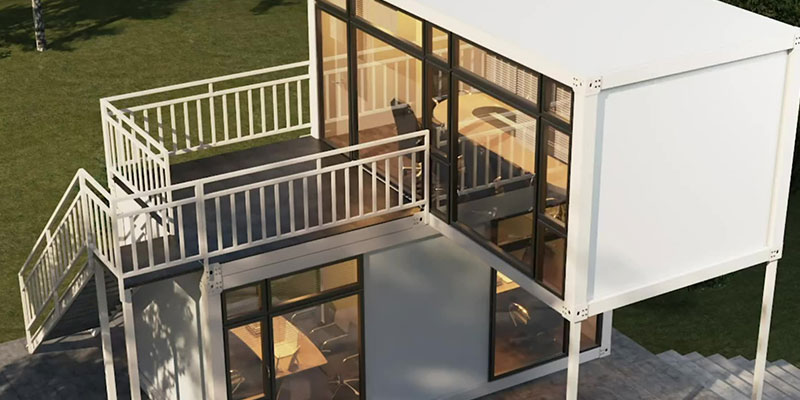
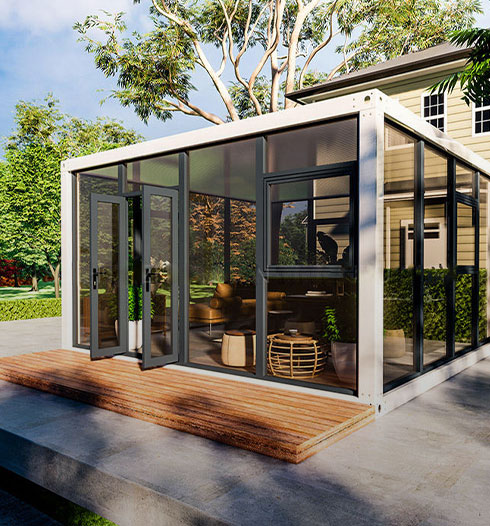
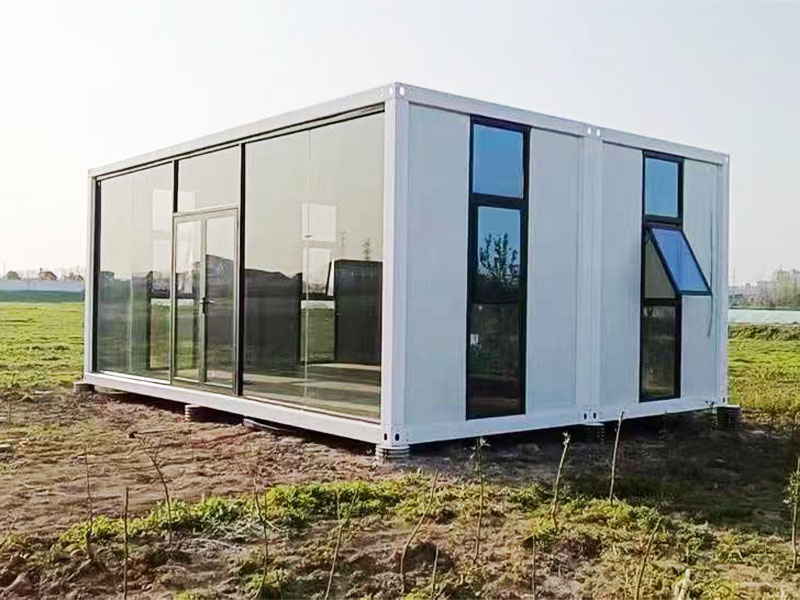
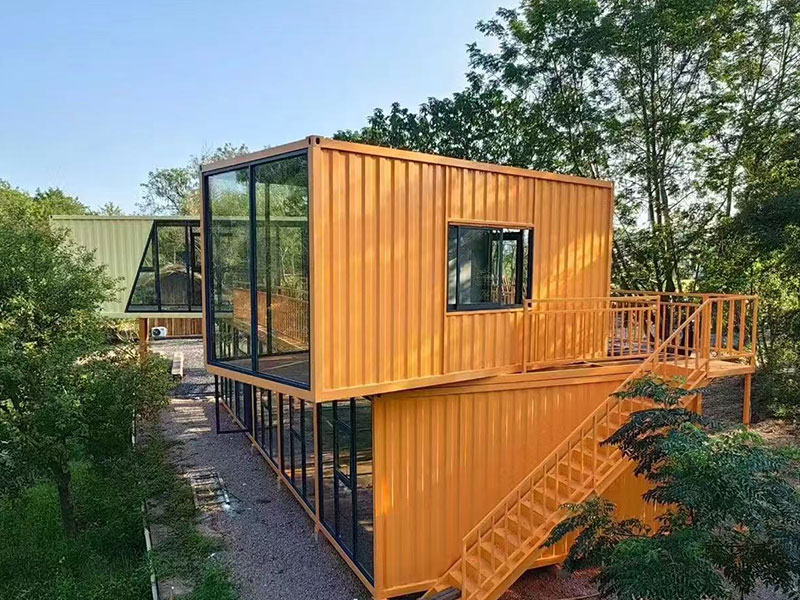
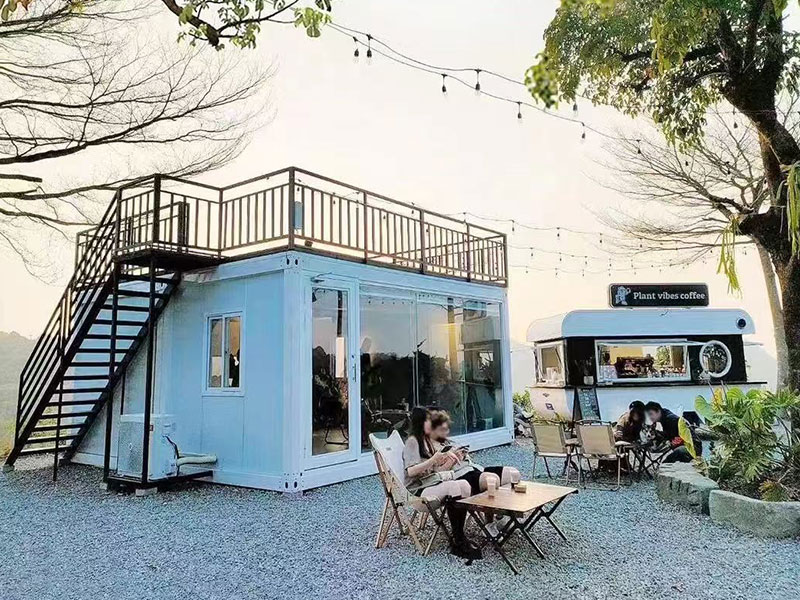
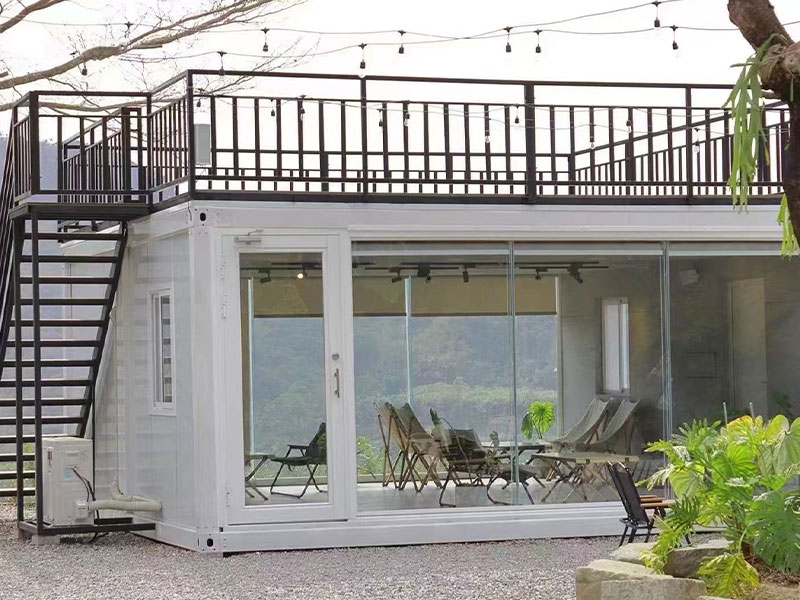
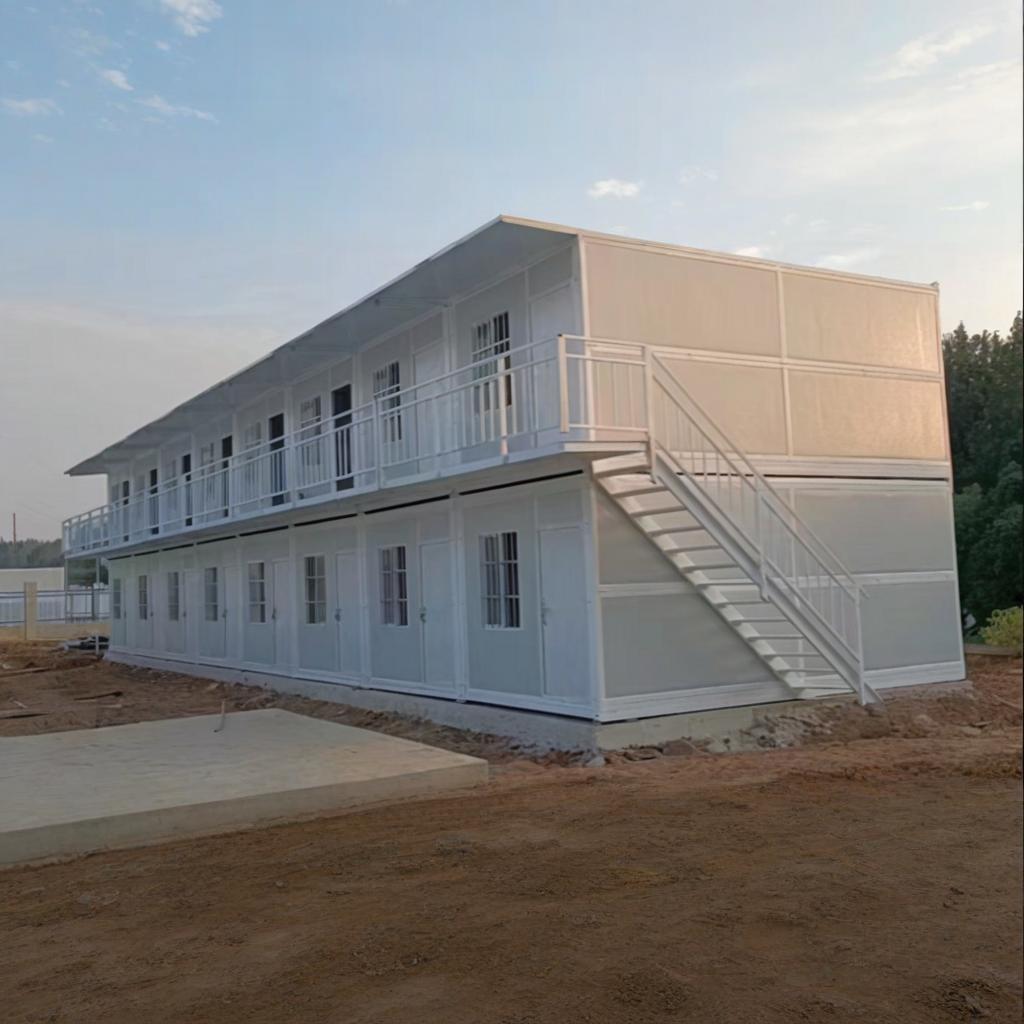
A detachable container house -- also referred to as a flat pack container house or foldable container house -- is a prefabricated modular building unit engineered to be assembled, disassembled, transported, and reassembled multiple times without structural degradation. Unlike a converted shipping container, which repurposes an existing steel freight box, a detachable container house is purpose-designed as a building product from the outset, with standardized panel dimensions, integrated connection systems, and pre-fitted interior finishes.
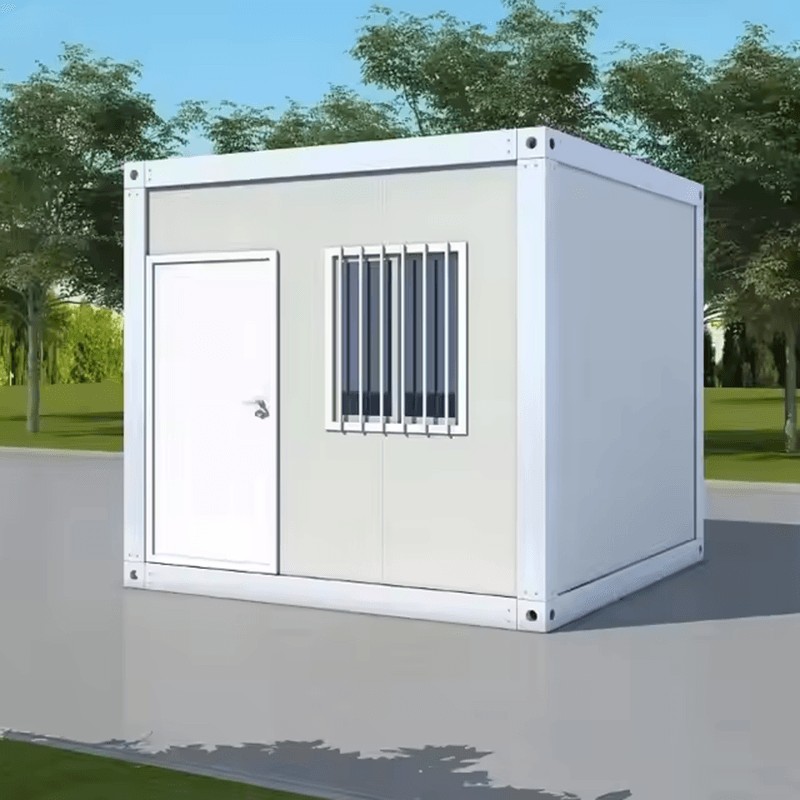
The defining characteristic of a detachable container house is its knockdown construction. The floor, wall panels, roof, windows, and doors are manufactured as discrete components that bolt, clip, or lock together on site without welding or specialist equipment. A standard single-module unit measuring 6 meters by 3 meters can typically be assembled by four workers in three to four hours using basic hand tools. The same unit can be disassembled and packed flat for transportation on a standard flatbed truck, with multiple units stacked on a single vehicle to minimize shipping cost per unit.
Structural System and Materials
The structural frame of a detachable container house is typically cold-formed galvanized steel sections, with wall and roof panels constructed as insulated sandwich panels. The most common sandwich panel configuration uses a polyurethane (PU) or expanded polystyrene (EPS) foam core bonded between two faces of color-coated steel sheet. Panel thicknesses of 50 mm, 75 mm, and 100 mm provide thermal resistance values (R-values) suited to different climate zones, from tropical to sub-arctic conditions. The steel frame and panel system is inherently resistant to termites, rot, and mold -- a significant advantage over timber construction in humid tropical and subtropical environments.
Primary Applications
- Construction site offices, security booths, and worker accommodation camps where the structure will be relocated when the project completes
- Disaster relief and emergency housing where rapid deployment and scalability are critical
- Military forward operating bases and remote infrastructure projects in areas without established supply chains
- Temporary retail units, exhibition pavilions, and pop-up hospitality facilities at events and festivals
- Affordable semi-permanent housing in developing markets and peri-urban areas where land tenure is uncertain
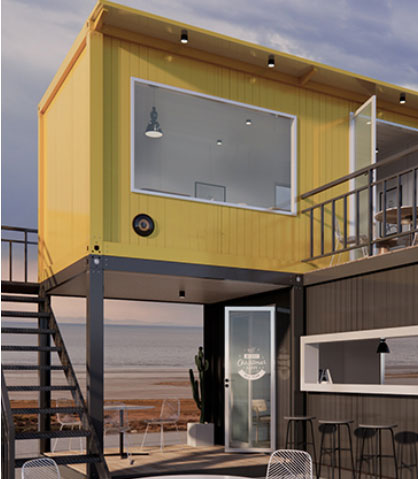
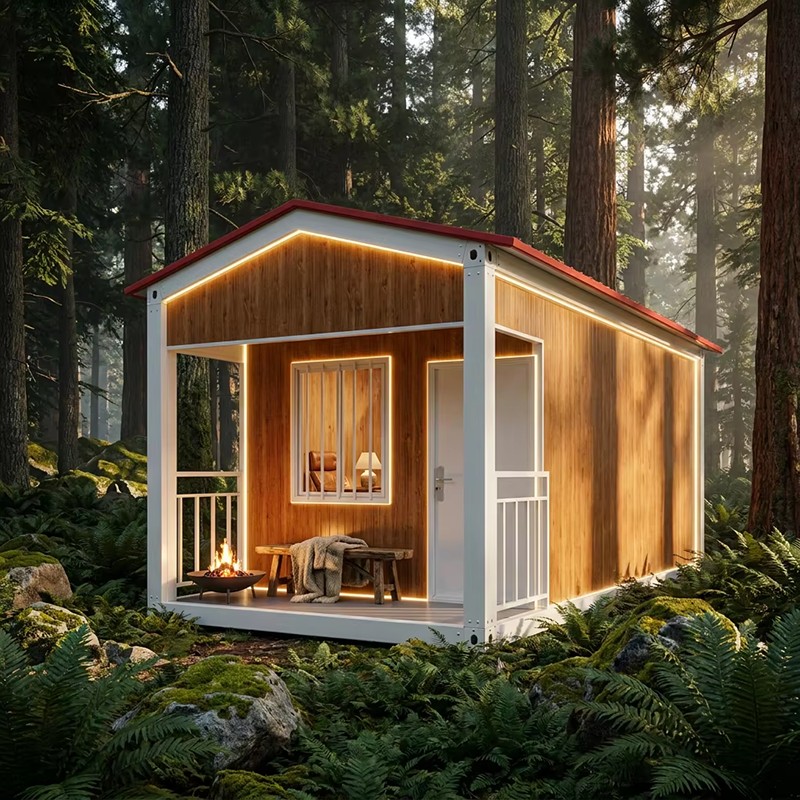
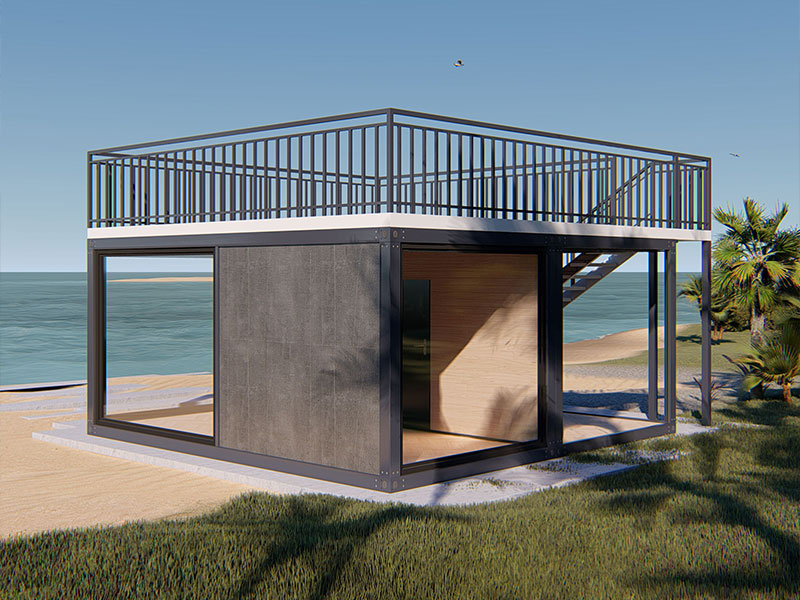
- Holiday cabins, glamping units, and eco-resort accommodation where portability and low site impact are valued
Multi-Story and Multi-Module Configurations
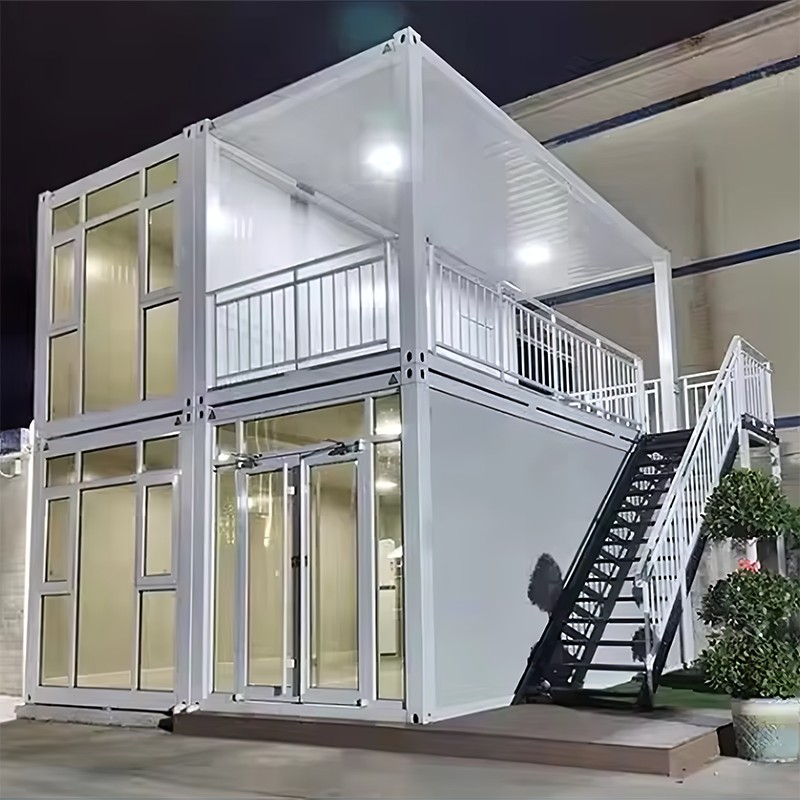
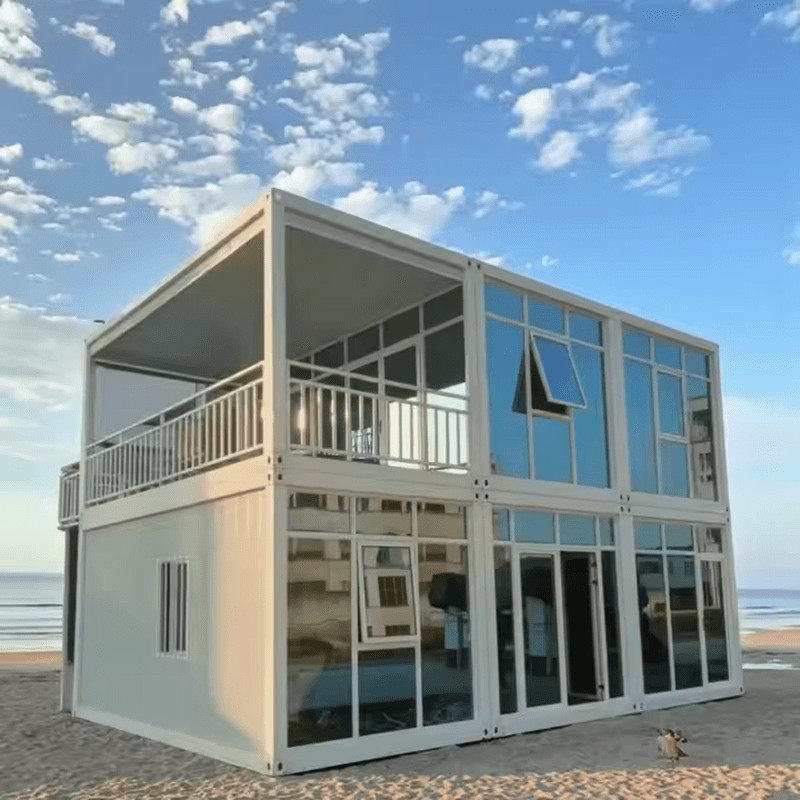
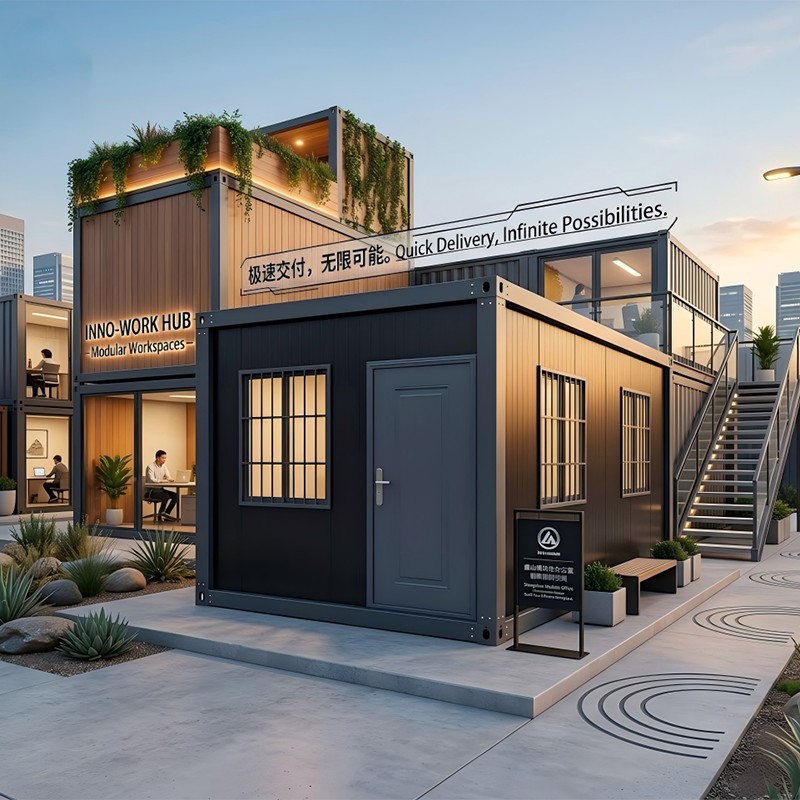
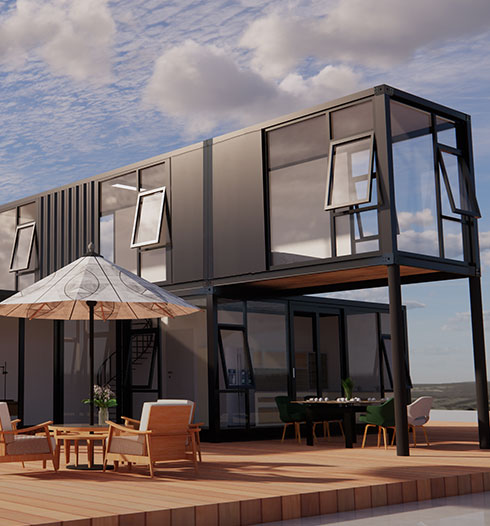
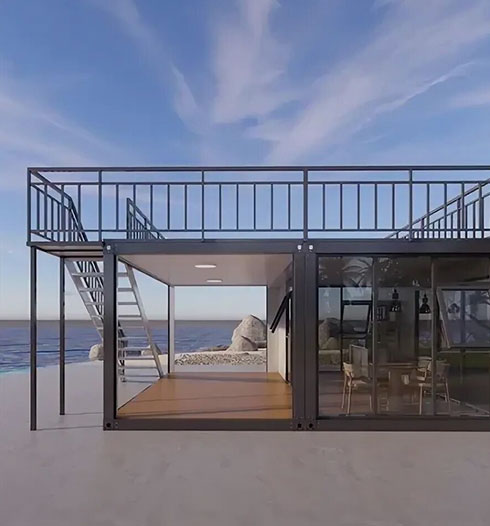
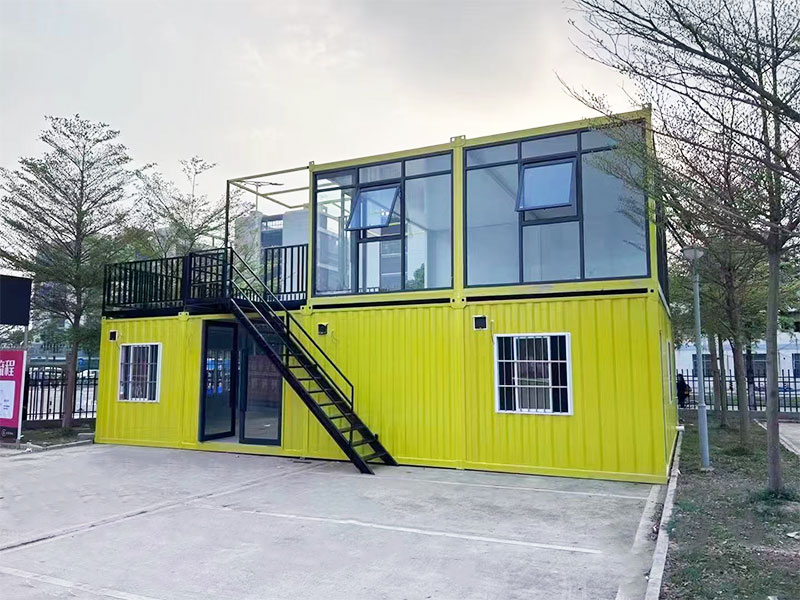
Detachable container house units are engineered for stacking and lateral connection, enabling multi-story and multi-room configurations from standard modules. Most systems are rated for two to three stories of stacked modules using the base steel frame as the load-bearing element. Wider floor plans are achieved by removing internal wall panels between adjacent modules after connection. This modularity allows a project to start with a small number of units and expand incrementally as demand or budget grows -- a flexibility that conventional construction cannot match at comparable cost.
What Is an Assembled House
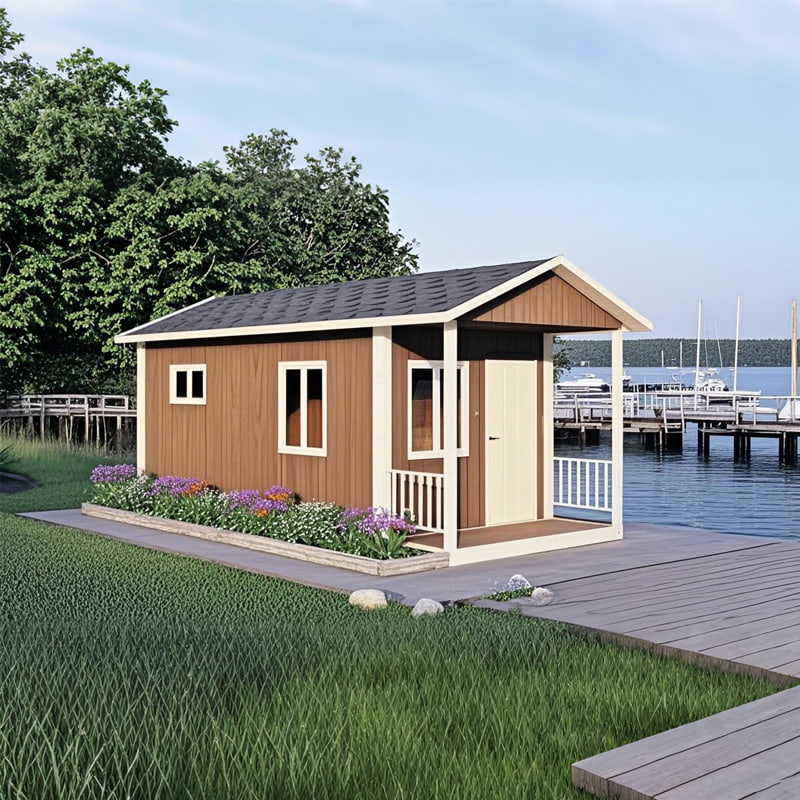
An assembled house -- also called a prefabricated assembled house or modular assembled building -- is a structure where major components including wall frames, roof trusses, floor cassettes, and interior fit-out elements are manufactured in a factory and assembled on a prepared foundation on site. The end result is a building that is visually and functionally indistinguishable from a conventionally built structure, while delivering the construction efficiency and quality control advantages of factory prefabrication.
Assembled houses are designed as permanent or long-term structures. Unlike detachable container houses, they are not intended for repeated relocation -- once assembled on their foundation, they are expected to remain in place for decades. The emphasis is on residential quality of finish, architectural design flexibility, compliance with local building codes for permanent habitation, and long-term structural durability rather than mobility and redeployment.
Construction Systems Used in Assembled Houses
Several structural systems are used in assembled house construction, each with different material characteristics and performance profiles:
- Light gauge steel frame (LGSF): Cold-formed steel studs and tracks assembled into wall, floor, and roof panels in the factory. LGSF panels are dimensionally precise, non-combustible, and resistant to biological degradation. They are widely used in assembled house construction across Asia, Australia, and the Middle East, and meet the structural requirements of most national building codes for residential and light commercial buildings up to three to four stories.
- Structural insulated panels (SIPs): Rigid foam core (EPS or polyisocyanurate) bonded between two structural facing boards, typically oriented strand board (OSB). SIP panels provide both structure and insulation in a single element, simplifying assembly and delivering very high thermal performance. Assembled houses using SIPs are popular in cold climate markets and passive house construction where airtightness and insulation continuity are priorities.
- Prefabricated timber frame: Engineered timber studs, glulam beams, and cross-laminated timber (CLT) panels assembled into volumetric modules or open panel systems in the factory. Timber frame assembled houses are the dominant system in Northern Europe and North America, offering a natural material aesthetic, good thermal mass properties, and carbon sequestration credentials that support low-carbon construction targets.
- Concrete prefabricated panels: Precast or autoclaved aerated concrete (AAC) wall and floor panels assembled on a reinforced concrete foundation. Concrete assembled houses deliver high acoustic performance, excellent fire resistance, and thermal mass, and are suited to hot climates where passive cooling through thermal mass is effective.
Design Flexibility and Customization
A key advantage of assembled houses over detachable container houses is the degree of architectural customization available. Because assembled houses use a wider range of panel sizes, structural systems, and external cladding options, they can be designed to match virtually any architectural style -- from contemporary minimalist to traditional pitched-roof residential. External finishes including brick slip cladding, fiber cement board, timber weatherboard, render, and stone veneer give assembled houses the appearance of conventional construction while retaining the efficiency of prefabricated assembly.
Side-by-Side Comparison: Detachable Container House vs Assembled House
| Parameter | Detachable Container House | Assembled House |
|---|---|---|
| Intended permanence | Temporary to semi-permanent | Permanent or long-term |
| Relocatability | High -- designed for repeated disassembly | Low -- fixed to foundation |
| Assembly time on site | Hours to days per module | Days to weeks for complete structure |
| Foundation requirement | Minimal -- compacted gravel or screw piles | Concrete slab or strip foundation required |
| Architectural customization | Limited by modular grid dimensions | High -- wide cladding and layout options |
| Structural system | Galvanized steel frame with sandwich panels | LGSF, SIPs, timber frame, or precast concrete |
| Thermal performance | Good with 75 to 100 mm insulated panels | Excellent -- can meet passive house standards |
| Planning and permit complexity | Lower for temporary use classification | Full residential building permit required |
| Unit cost range | Lower -- suitable for budget-constrained projects | Medium to high depending on specification |
Foundation and Site Preparation Requirements
Foundation requirements represent one of the most significant practical differences between the two building types and directly affect total project cost and timeline.
A detachable container house can be installed on a compacted gravel pad, concrete block footings, or adjustable screw pile foundations -- all of which can be installed in one to two days with minimal plant equipment. This makes detachable container house deployment practical in remote locations, on slopes where a full concrete pour would be difficult, and on sites where the structure must be removed without leaving a permanent mark on the land. In emergency and disaster relief deployments, units are frequently installed directly on leveled ground with temporary timber sleepers as the sole foundation element.
An assembled house requires a more substantial foundation matched to the structural system and local soil conditions. A reinforced concrete slab-on-grade is the most common foundation for light gauge steel and timber frame assembled houses on stable ground. Strip footings or raft foundations are used on less stable soils or where frost penetration depth requires the foundation to extend below the frost line. Foundation work typically adds two to four weeks to the overall project program and represents 10 to 20 percent of the total project cost -- a budget item that must be planned for when comparing assembled house costs against detachable container house costs on a like-for-like basis.
Regulatory Compliance and Building Permits
The regulatory pathway for prefabricated buildings varies significantly between jurisdictions and between temporary and permanent use classifications. Understanding the applicable regulatory framework before project planning begins avoids costly delays and redesign.
In most countries, detachable container houses used for temporary purposes -- construction site accommodation, event facilities, emergency housing -- can be erected under a temporary structure permit or site accommodation approval with less documentation and faster approval timelines than a full building permit. The key threshold is typically the intended duration of use and whether the structure will be connected to permanent utilities. Structures intended to remain on site for more than one to two years, or those connected to permanent water, sewer, and electrical infrastructure, are generally treated as permanent buildings and subject to full building code compliance regardless of their construction method.
Assembled houses used for permanent residential or commercial occupancy must comply with the full suite of local building regulations covering structural engineering, fire safety, thermal performance, acoustic insulation, accessibility, and energy efficiency. Most reputable assembled house manufacturers provide engineering certification, energy performance calculations, and structural design documentation as part of their standard supply package, which simplifies the permit application process compared to custom one-off construction. Third-party factory inspection and quality assurance programs -- such as those run by national standards bodies in China, Germany, Australia, and the United States -- provide additional assurance to building authorities that factory-built components meet the required standards.
Total Cost of Ownership: Beyond the Purchase Price
The purchase price of a detachable container house or assembled house is only part of the total cost of ownership over the building's service life. Several additional cost components must be evaluated to make a valid economic comparison between options and against conventional construction:
- Transportation and logistics: Detachable container houses are designed for efficient flat-pack shipping, but international freight, port handling, customs clearance, and local delivery to remote sites add cost that varies significantly by destination. A unit priced at the factory gate in China may cost 30 to 60 percent more by the time it is delivered to a remote African or Pacific site.
- Foundation and civil works: As discussed above, assembled houses require more substantial foundations than detachable container houses. This cost difference must be explicitly included in project budget comparisons.
- Services installation: Both building types require electrical, plumbing, and mechanical services installation on site. Factory-wired and pre-plumbed modular units reduce on-site labor for services, but connection to the site utilities network and final fit-out of kitchens, bathrooms, and HVAC systems typically represent 20 to 35 percent of total project cost regardless of the structural system.
- Operating energy cost: The thermal performance of the building envelope directly determines heating and cooling energy costs over the building's life. A well-insulated assembled house with 150 mm wall insulation and thermal-break framing will have significantly lower annual energy costs than a basic detachable container house with 50 mm sandwich panels -- a difference that compounds over a 10 to 20 year ownership period.
- Residual value and redeployment: A detachable container house retains meaningful residual value because it can be disassembled and sold or redeployed at the end of its first-use application. This residual value should be credited against the initial capital cost when evaluating the economics of a temporary or semi-permanent application against an assembled house or conventional building.
How to Choose Between a Detachable Container House and an Assembled House
The choice between the two building types reduces to five core questions that define the project requirements:
- How long will the structure be needed on this site? If the structure will be needed for less than five years, or if there is a meaningful probability of relocation before then, a detachable container house delivers better economic value through its relocatability and residual value. For structures intended to remain in place for ten years or more, an assembled house provides better long-term performance, comfort, and capital value.
- How quickly does the structure need to be operational? If the structure must be functional within days of delivery -- as in construction camps, disaster relief, or event installations -- only a detachable container house can meet this timeline. Assembled houses require foundation preparation, crane lifts, and services connection that typically require a minimum of two to four weeks on site.
- What level of finish and comfort is required? For permanent residential occupation, family housing, office buildings, or hospitality facilities where visual quality and occupant comfort are commercial requirements, an assembled house provides a level of finish and acoustic and thermal performance that a detachable container house cannot match at equivalent cost.
- What are the local planning and regulatory constraints? In some jurisdictions, detachable container houses can only be approved for temporary use on specific land classifications. Where permanent residential planning permission is required, an assembled house built and certified to the full residential building code is the only compliant option.
- What is the available budget for foundation and civil works? On sites where ground preparation is difficult or expensive -- steep terrain, poor soil bearing capacity, or remote locations with limited plant access -- the lower foundation requirement of a detachable container house may represent a decisive cost advantage over an assembled house that requires a full concrete foundation.
In practice, many large projects combine both building types: detachable container houses for temporary site offices, security, and worker accommodation during construction, followed by assembled houses as the permanent structures delivered at project completion. This staged approach maximizes the economic and logistical advantages of each system within the same overall development program.