 English
 русский
 Français
 Español
 عربى
عربى

Content
- 1 What Is a Steel Structure Container House
- 2 Key Structural Components and Materials
- 3 Advantages of Steel Structure Container Houses
- 4 Typical Applications and Use Cases
- 5 Cost Factors and Budget Considerations
- 6 Design Flexibility and Customization Options
- 7 Installation Process and Efficiency
- 8 Conclusion
What Is a Steel Structure Container House
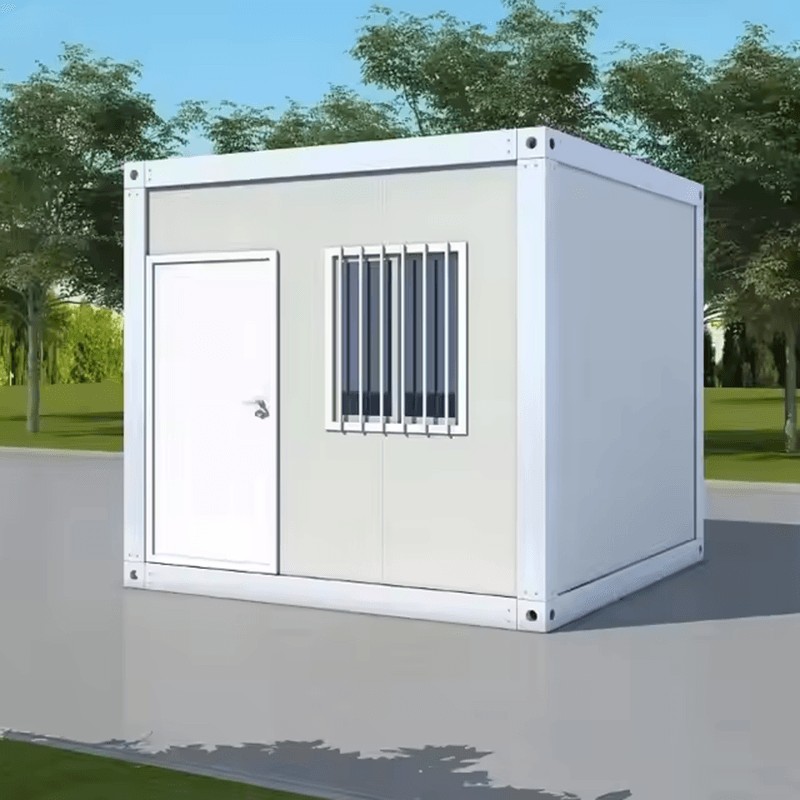
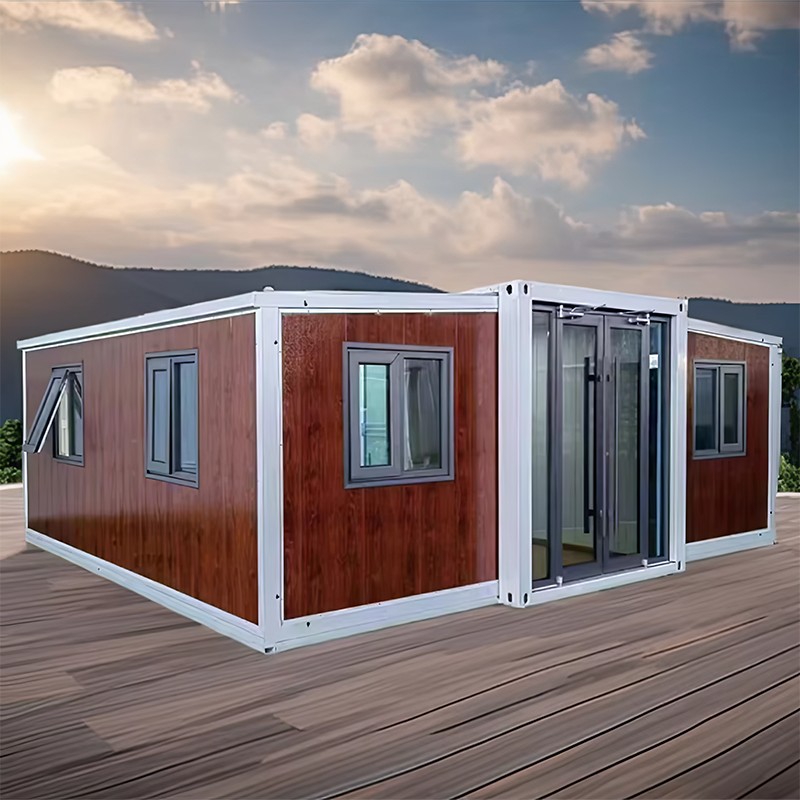
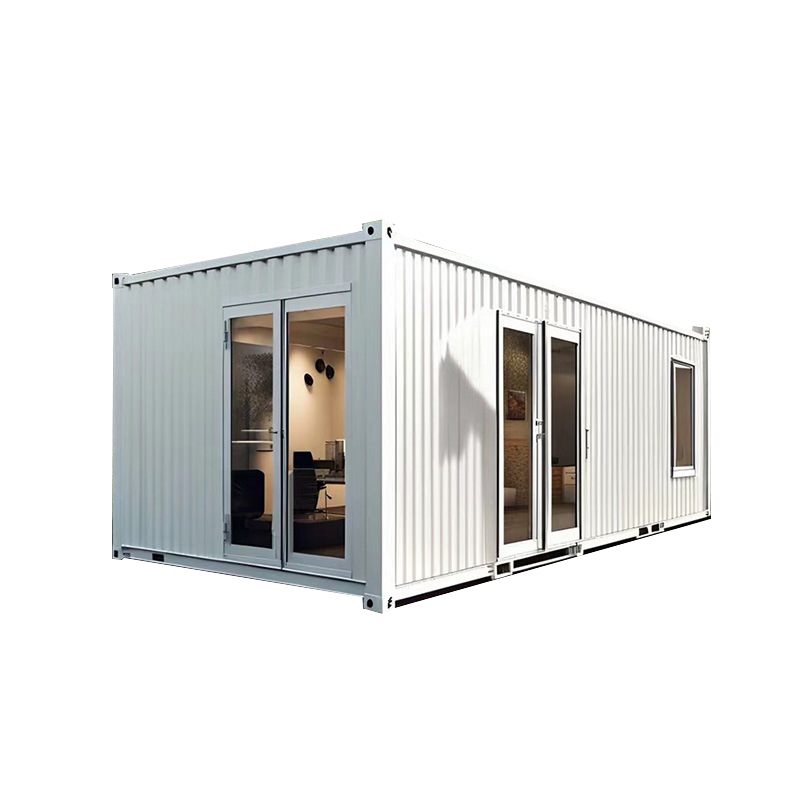
A steel structure container house is a modular building system constructed with a steel frame and prefabricated panels, designed for fast installation, durability, and flexible use. Compared with traditional construction, it reduces construction time by over 50 percent and provides consistent structural performance.
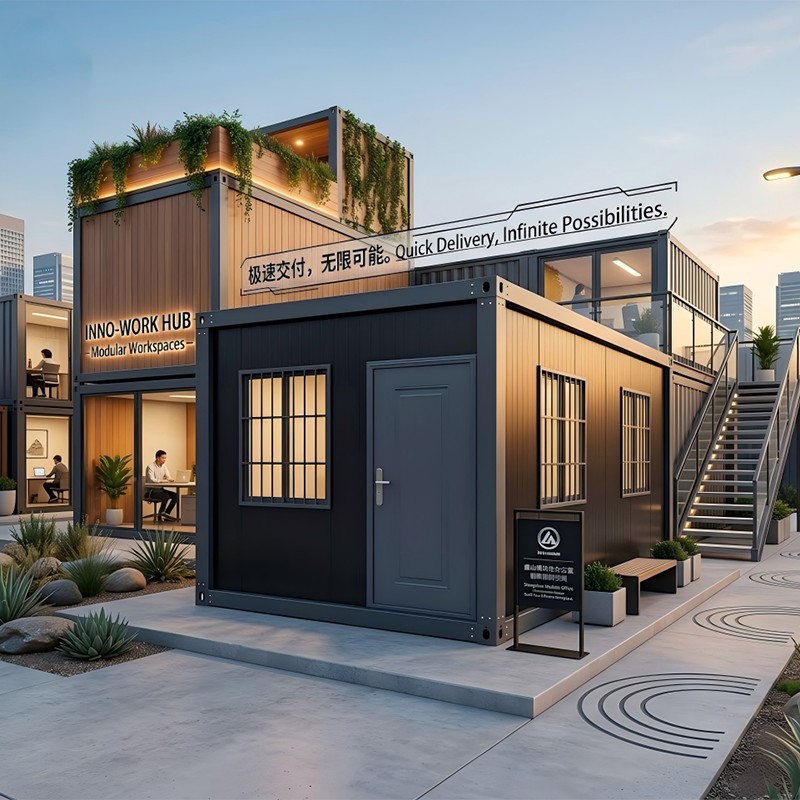
This type of building integrates standardized steel components with insulated wall and roof panels. It is widely used in temporary housing, construction site offices, worker accommodation, and even permanent residential or commercial projects.
Key Structural Components and Materials
The performance of a steel structure container house depends on its structural design and material selection.
Steel Frame System
The main load bearing structure is made of high strength steel profiles. These components provide resistance to wind loads and seismic forces. Steel structures can maintain stability under wind speeds exceeding 120 km per hour when properly designed.
Wall and Roof Panels
Sandwich panels with insulation cores such as rock wool or polyurethane are commonly used. These materials improve thermal performance and reduce energy consumption.
Floor System
Floor structures often include steel beams combined with cement boards or composite panels to ensure load capacity and durability.
Advantages of Steel Structure Container Houses
Steel structure container houses offer measurable advantages in efficiency, cost, and performance.
- Fast installation with modular assembly reduces labor time
- High durability with service life exceeding 15 to 20 years
- Reusable and relocatable structure reduces material waste
- Flexible layout allows expansion or combination of units
- Improved insulation reduces energy consumption
Projects using modular steel container systems can reduce total construction costs by 20 to 40 percent compared to conventional buildings.
Typical Applications and Use Cases
Steel structure container houses are applied across multiple industries due to their adaptability.
| Application | Description | Key Requirement |
|---|---|---|
| Construction Site Housing | Temporary accommodation for workers | Quick assembly and mobility |
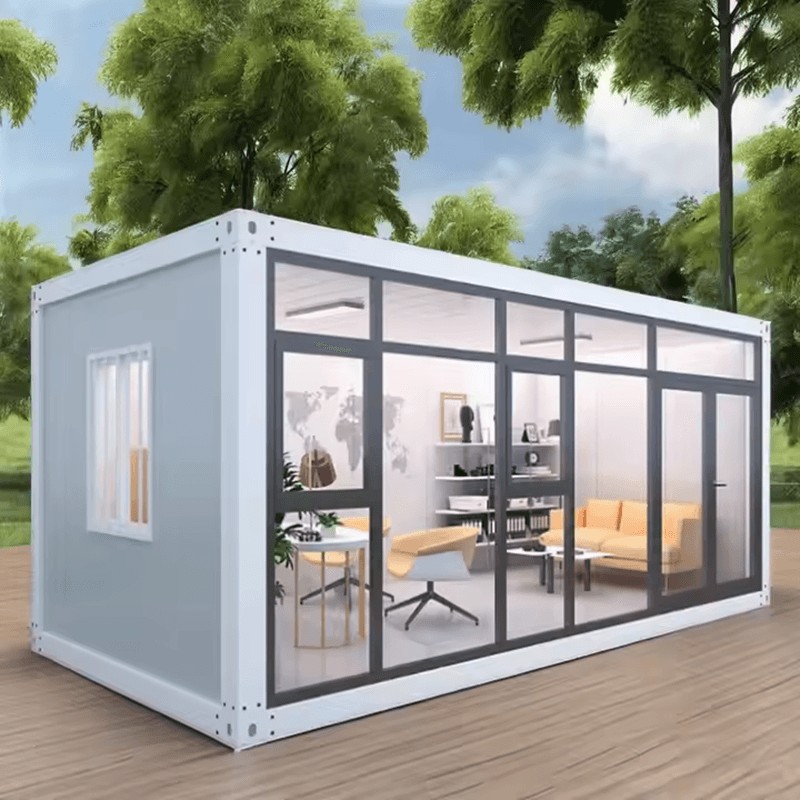
| Office Units | Modular office spaces for projects | Comfort and insulation |
| Emergency Housing | Rapid deployment after disasters | Fast production and delivery |
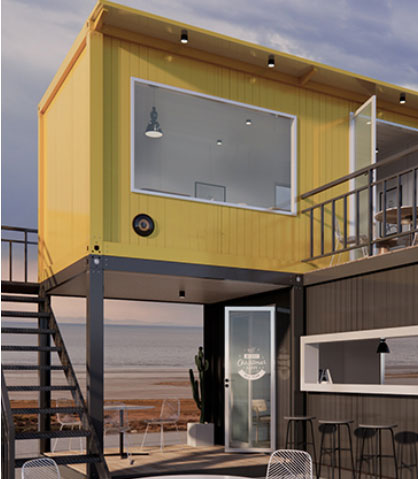
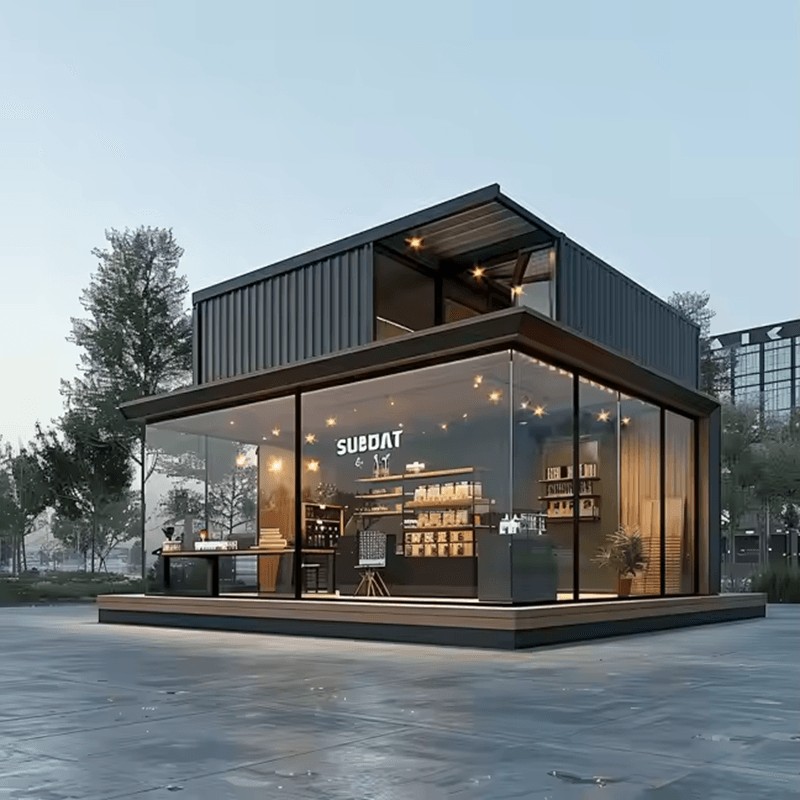
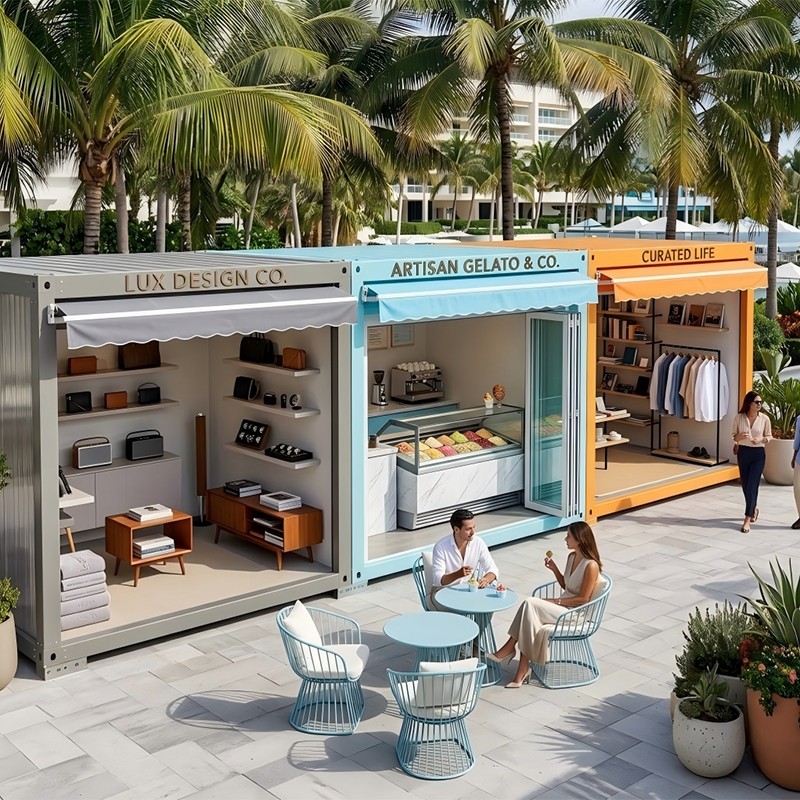
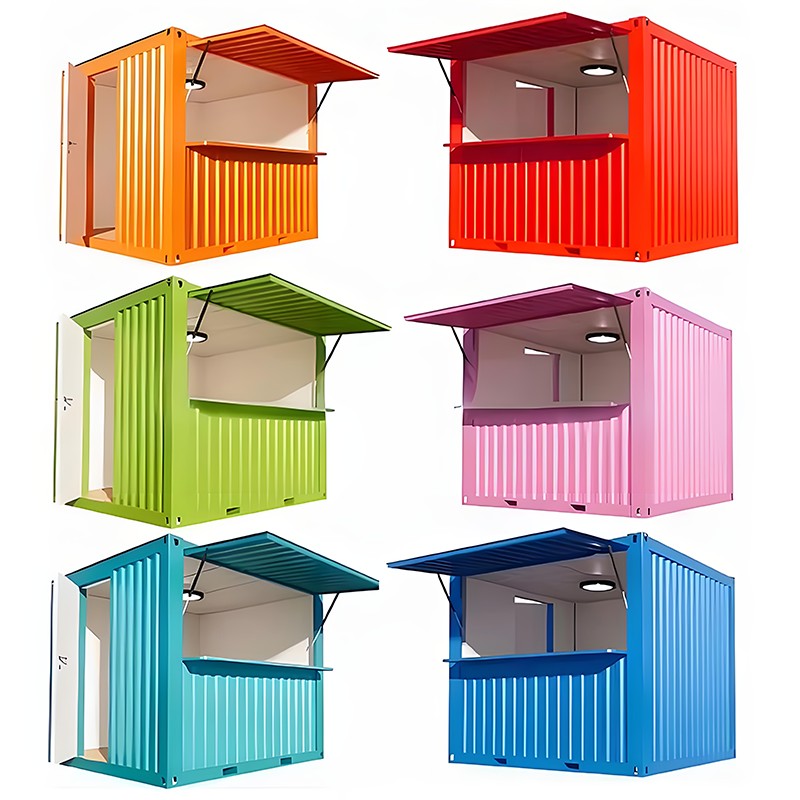
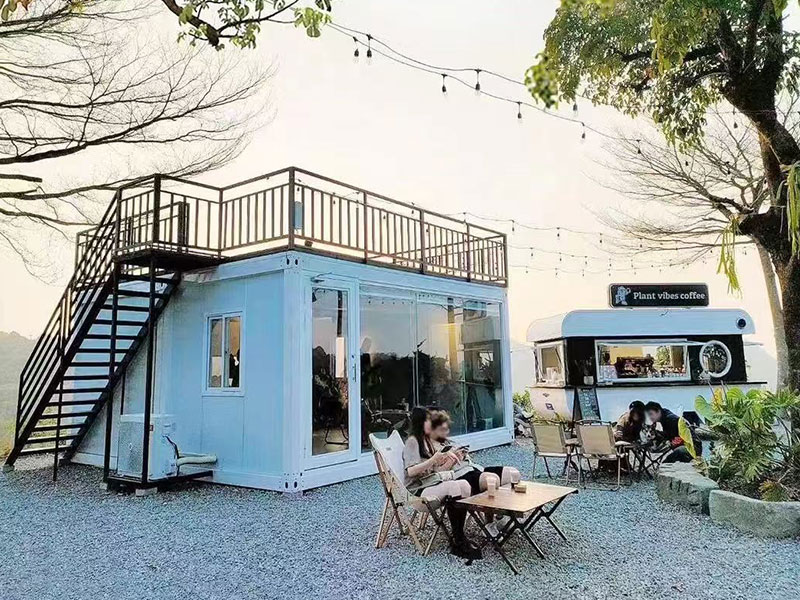
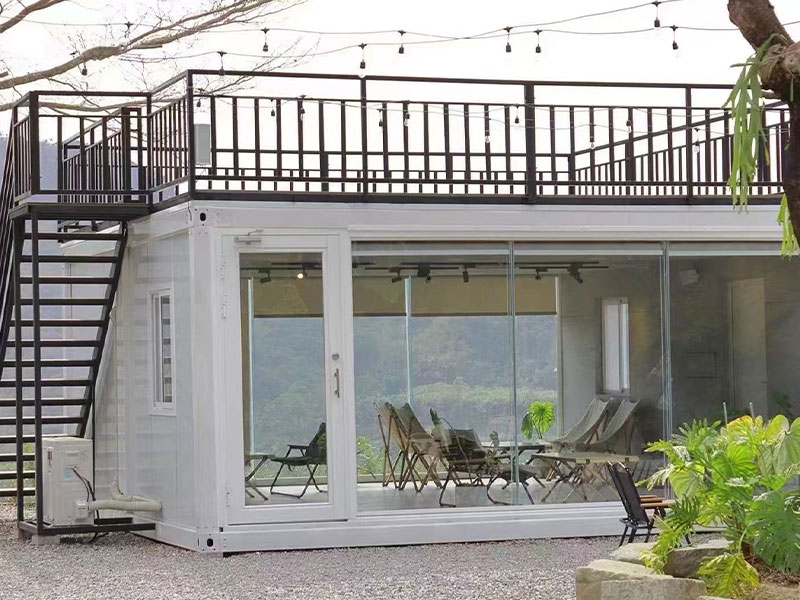
| Commercial Use | Shops, cafes, and temporary retail | Customizable design |
Cost Factors and Budget Considerations
The cost of a steel structure container house depends on several technical and project related factors.
- Material grade and thickness of steel structure
- Type and thickness of insulation panels
- Interior finishing and equipment requirements
- Transportation and installation conditions
Standard container house units typically range from 100 to 300 USD per square meter depending on configuration and customization level.
Design Flexibility and Customization Options
Steel structure container houses support flexible design adjustments based on project needs.
Modular Combination
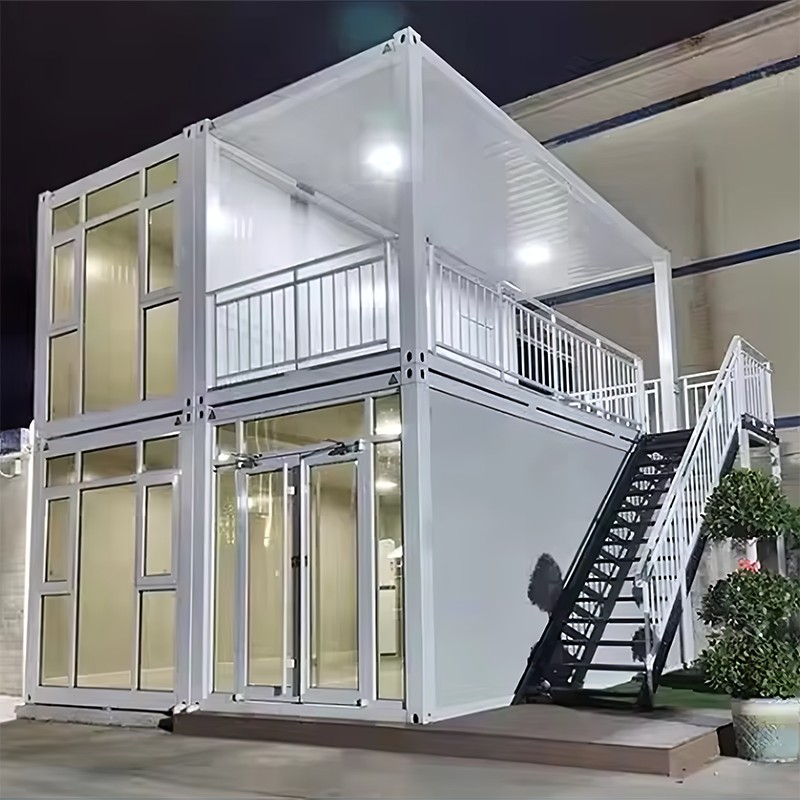
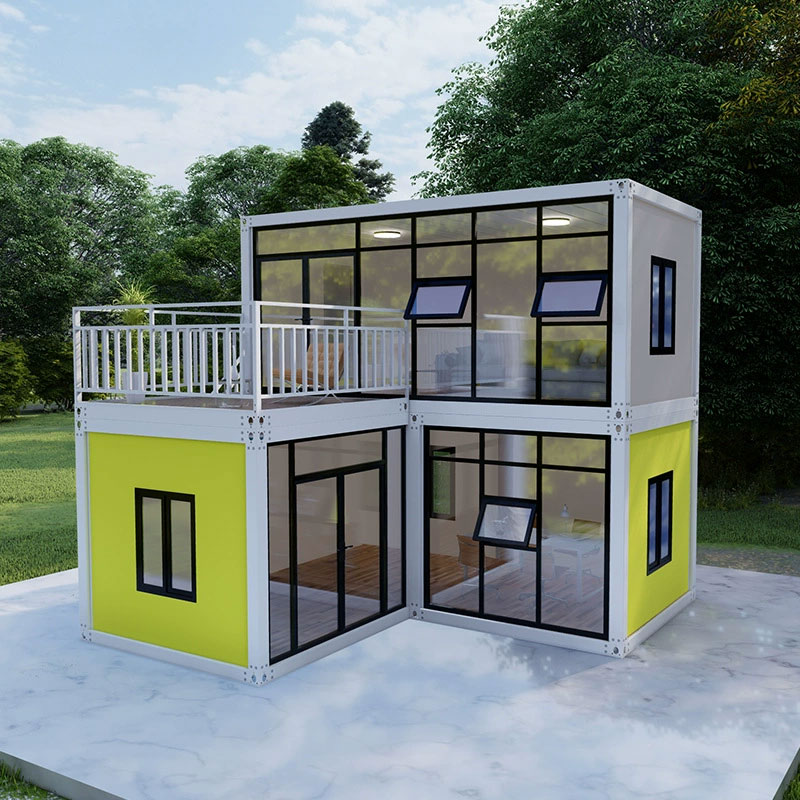
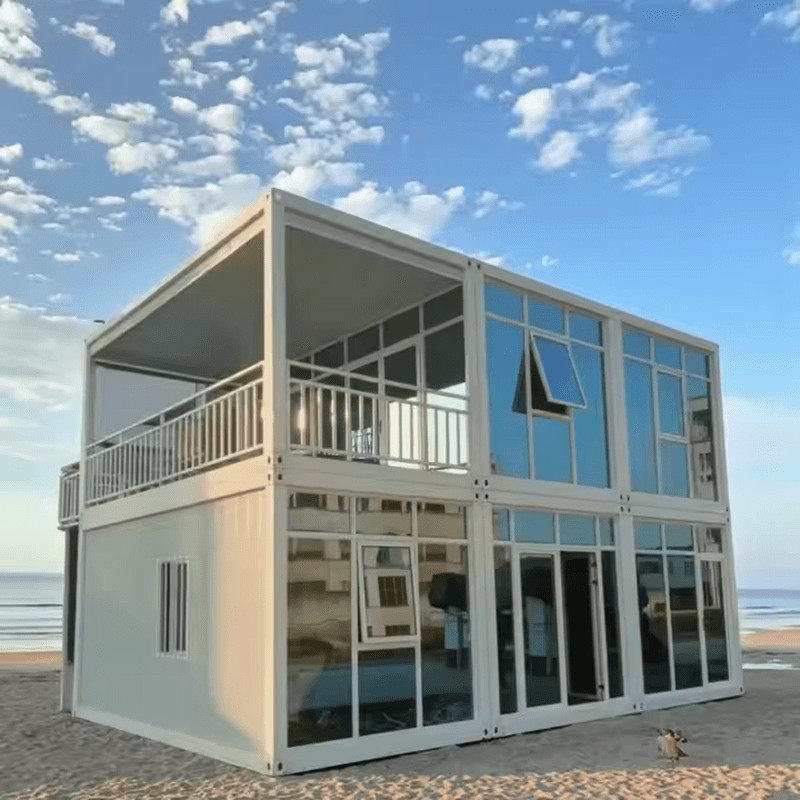
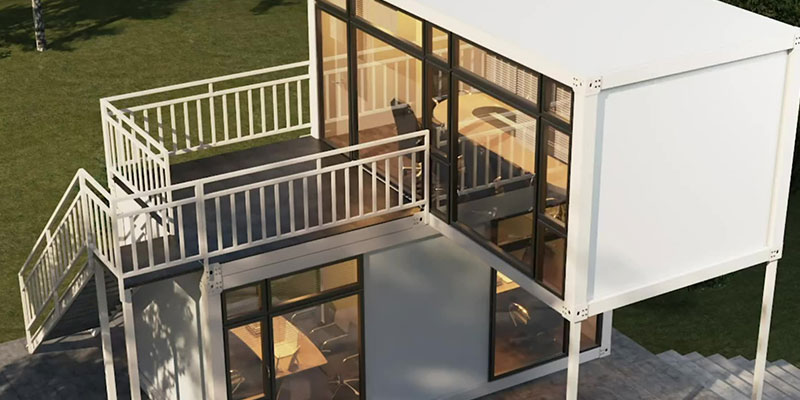
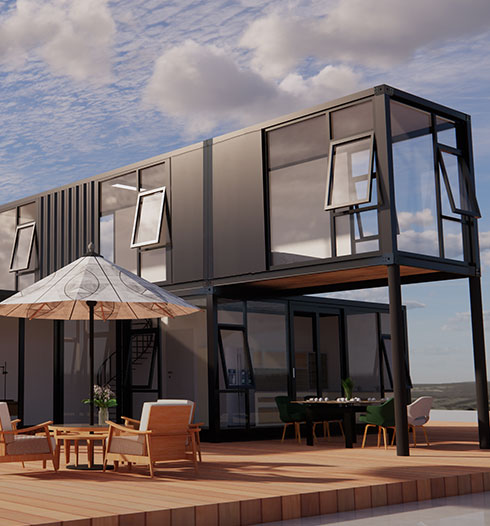
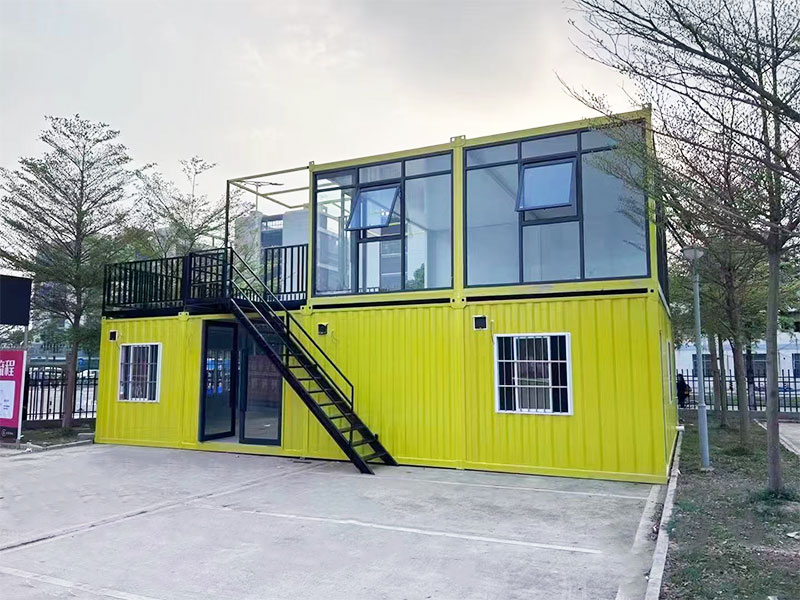
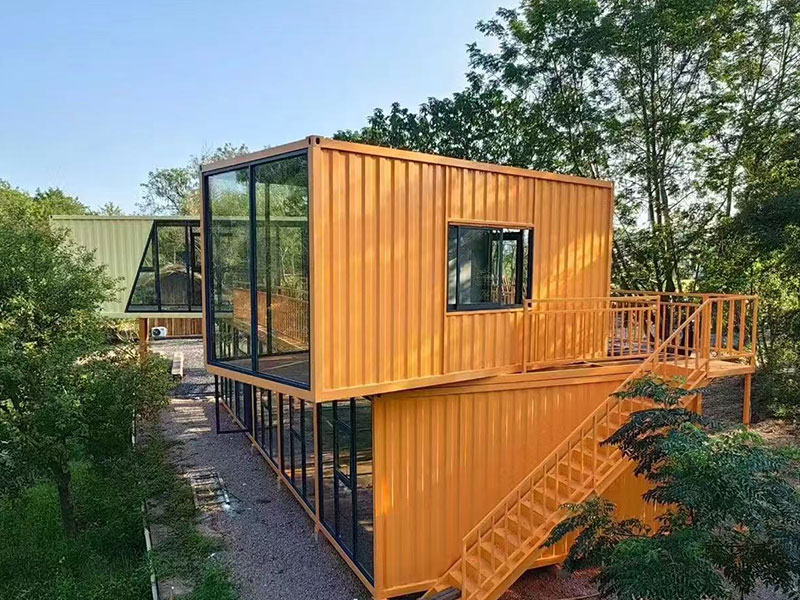
Multiple units can be combined horizontally or vertically to create larger spaces such as dormitories or office complexes.
Interior Layout
Layouts can include partitions, sanitary facilities, electrical systems, and ventilation solutions tailored to usage scenarios.
Exterior Finishing
Surface treatments such as coatings or cladding improve weather resistance and visual appearance.
Installation Process and Efficiency
The installation of steel structure container houses follows a streamlined modular process.
- Foundation preparation and leveling
- Steel frame assembly and fixing
- Wall and roof panel installation
- Electrical and plumbing integration
- Interior finishing and inspection
A standard unit can be installed within 4 to 8 hours with a small team, significantly reducing project timelines.
Conclusion
Steel structure container houses provide a fast, cost efficient, and flexible building solution for modern construction needs. With advantages in durability, modular design, and reduced construction time, they are widely adopted in both temporary and permanent applications. Proper material selection and design planning ensure long term performance and adaptability across different project scenarios.