
 English
 русский
 Français
 Español
 عربى
عربى

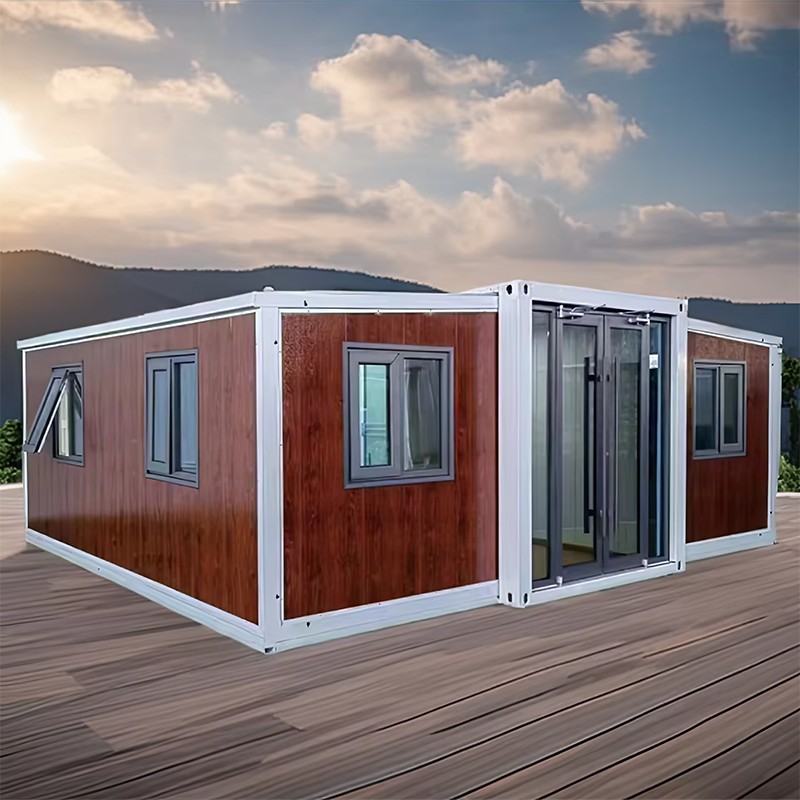
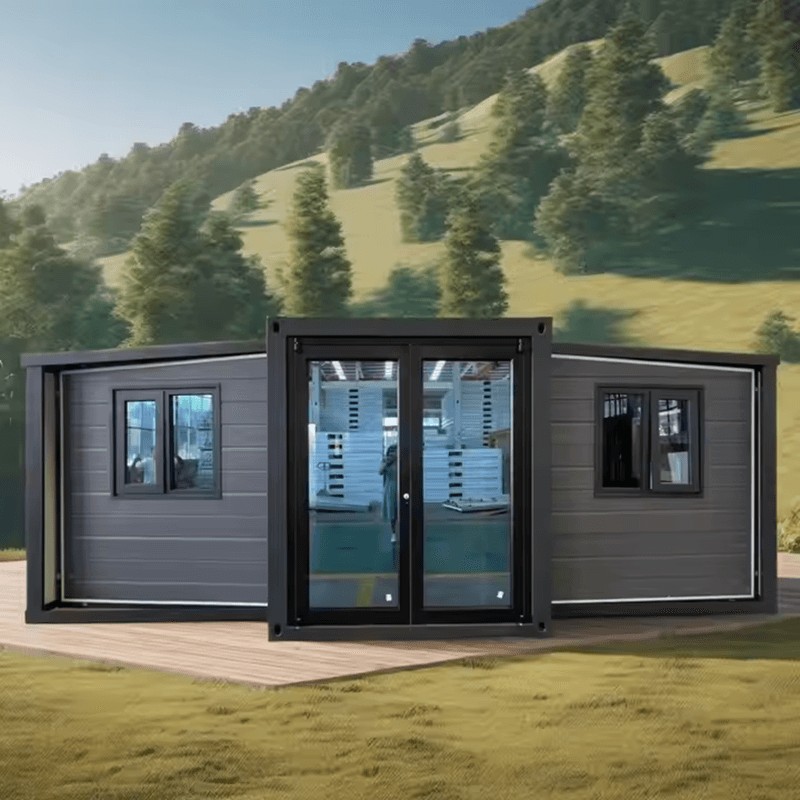
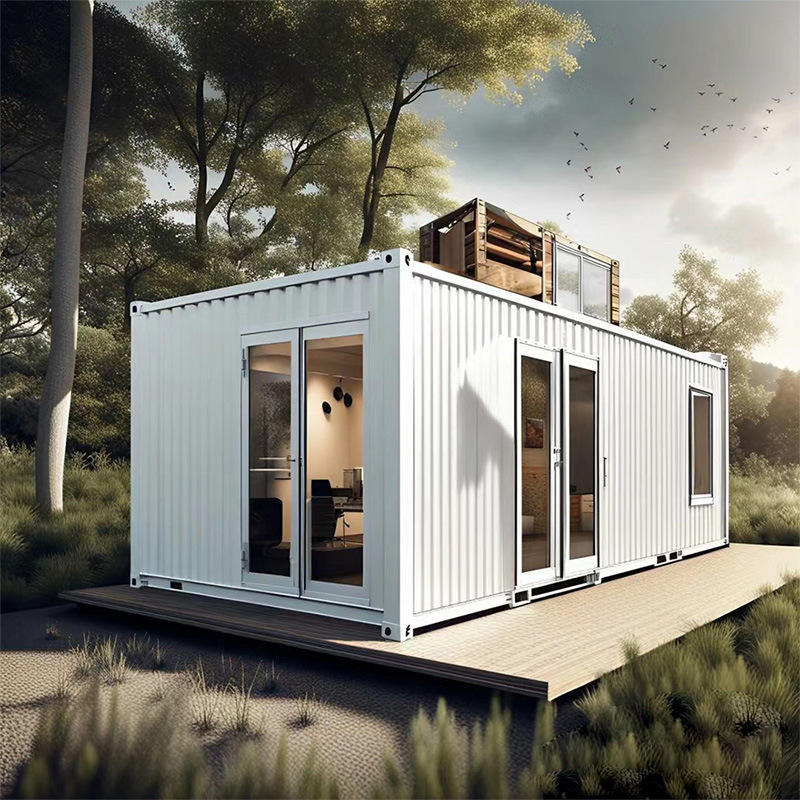
The global shift toward sustainable and rapid-deployment architecture has positioned the Expanded Container House as a premier solution for modular living and commercial space. Unlike traditional static units, an Expanded Container House utilizes high-precision telescopic or fold-out engineering to triple its usable floor area within minutes of arrival on site. This article delves into the structural, thermal, and mechanical specifications that define the modern expanded container house, providing an engineer's perspective on its high-performance capabilities.
Content
- 1 1. Structural Integrity and Load-Bearing Architecture
- 2 2. Thermal Performance and Insulation Science
- 3 3. Deployment Mechanics and On-Site Setup
- 4 4. Customization and Interior Systems Integration
- 5 5. Environmental Impact and Lifespan
- 6 Frequently Asked Questions (FAQ)
- 6.1 1. Is the Expanded Container House suitable for cold climates?
- 6.2 2. How is the Expanded Container House transported?
- 6.3 3. What type of foundation is required for a step-by-step expanded container house setup?
- 6.4 4. Are expanded container house units fireproof?
- 6.5 5. Can I join multiple Expanded Container House units together?
- 7 Industry References
1. Structural Integrity and Load-Bearing Architecture
The primary engineering challenge of an expanded container house lies in maintaining rigid structural integrity while incorporating moving parts. The main frame is typically constructed from Q235B or Q345B galvanized steel, chosen for its optimal balance of ductility and tensile strength. When considering how to reinforce expanded container house frames, engineers focus on the hinge mechanisms and locking pins. While a standard shipping container relies on its six-sided corrugated shell for strength, an expandable unit relies on a heavy-duty "C" and "H" beam skeleton to support the cantilevered sections when fully deployed. This ensures the structure can withstand significant wind loads and seismic activity without compromising the seal of the joints.
Comparison: Structural Performance of Standard vs. Expandable Units
Standard containers offer high vertical stacking strength but limited spatial flexibility, whereas expandable units prioritize horizontal volume and dynamic load distribution.
| Structural Parameter | Standard Shipping Container | Expanded Container House |
| Frame Material | Corten Steel (Corrugated) | Galvanized Steel Beams (Reinforced) |
| Wind Resistance | Up to 150 km/h | Up to 120 km/h (Deployed) |
| Floor Loading Capacity | 2.5 kN/m² | 2.0 - 3.0 kN/m² (Reinforced) |
| Mobility Logic | Static Volume | Foldable / Telescopic Dynamics |
2. Thermal Performance and Insulation Science
Thermal bridging is a critical concern in metal-based housing. To achieve energy efficiency, the expanded container house utilizes sandwich panels—typically Polyurethane (PU), Rockwool, or Expanded Polystyrene (EPS)—integrated directly into the wall systems. The thermal insulation for expanded container houses must be lightweight yet provide a high R-value to ensure habitability in extreme climates. PU panels are often preferred for their superior thermal resistance and moisture barrier properties, whereas Rockwool provides the highest fire-rating safety. Advanced sealing gaskets are used at the expansion joints to prevent "thermal leaks," ensuring that the HVAC system operates with maximum efficiency.
Comparison: Insulation Core Materials
Polyurethane provides the highest insulation density per inch, while Rockwool offers superior fire protection and acoustic dampening.
| Material | Thermal Conductivity (W/m·K) | Fire Resistance | Acoustic Performance |
| EPS (Polystyrene) | 0.035 - 0.041 | B2 (Flammable) | Low |
| Rockwool | 0.038 - 0.045 | A1 (Non-combustible) | High |
| PU (Polyurethane) | 0.022 - 0.028 | B1 (Self-extinguishing) | Moderate |
3. Deployment Mechanics and On-Site Setup
The efficiency of the expanded container house is measured by its "Speed of Deployment."" A professional crew can typically transition a unit from its transport state to a liveable 37-square-meter home in under two hours. This is achieved through a step-by-step expanded container house setup involving hydraulic or manual winching systems. Precision leveling of the foundation—whether using concrete pads or screw piles—is essential to ensure the expansion tracks move smoothly without friction. Once expanded, the floor panels are locked into place using high-tensile bolts, and the roof panels are sealed with waterproof EPDM strips to prevent ingress during precipitation.
[Image showing the deployment steps of an expandable container house from 20ft to the expanded state]
4. Customization and Interior Systems Integration
Internally, the expanded container house is pre-wired and pre-plumbed in the central core. This allows the kitchen and bathroom facilities to remain stationary during transport, while the bedrooms or living areas expand outward. For those looking for the best 2-bedroom expanded container house floor plan, the central plumbing design is the most critical feature to minimize flexible piping requirements. The electrical system is typically designed for "Plug and Play" connectivity, utilizing aviation-grade waterproof connectors for external power hookups. This modularity makes it a perfect candidate for off-grid solar integration and smart home automation.
5. Environmental Impact and Lifespan
Sustainability is inherent in the expanded container house design. By using recyclable steel and reducing on-site construction waste by up to 90%, these structures have a significantly lower carbon footprint than traditional brick-and-mortar buildings. When engineers discuss the durability of expanded container houses in humid climates, they emphasize the importance of multi-layer anti-corrosive coatings. A high-quality unit, properly maintained, has a design life of 25 to 30 years. The ability to relocate the structure multiple times further enhances its value as a sustainable asset for temporary housing or disaster relief.
Frequently Asked Questions (FAQ)
1. Is the Expanded Container House suitable for cold climates?
Yes. By utilizing 75mm or 100mm PU sandwich panels and double-glazed bridge-cutoff aluminum windows, the units can maintain interior comfort even in sub-zero temperatures. Proper thermal insulation for expanded container houses is the key to energy efficiency.
2. How is the Expanded Container House transported?
When folded, the unit has the exact dimensions of a standard ISO shipping container. This allows it to be transported via sea freight, rail, or standard flatbed truck, significantly reducing logistics costs compared to wide-load modular homes.
3. What type of foundation is required for a step-by-step expanded container house setup?
A simple level concrete pier foundation or a galvanized steel screw pile system is sufficient. Because the structure is lightweight compared to traditional buildings, a full concrete slab is rarely necessary unless required by local building codes.
4. Are expanded container house units fireproof?
While the steel frame is non-combustible, the overall fire rating depends on the wall panels. Choosing Rockwool core panels ensures an A-class fire rating, which is often a requirement for school or medical clinic applications.
5. Can I join multiple Expanded Container House units together?
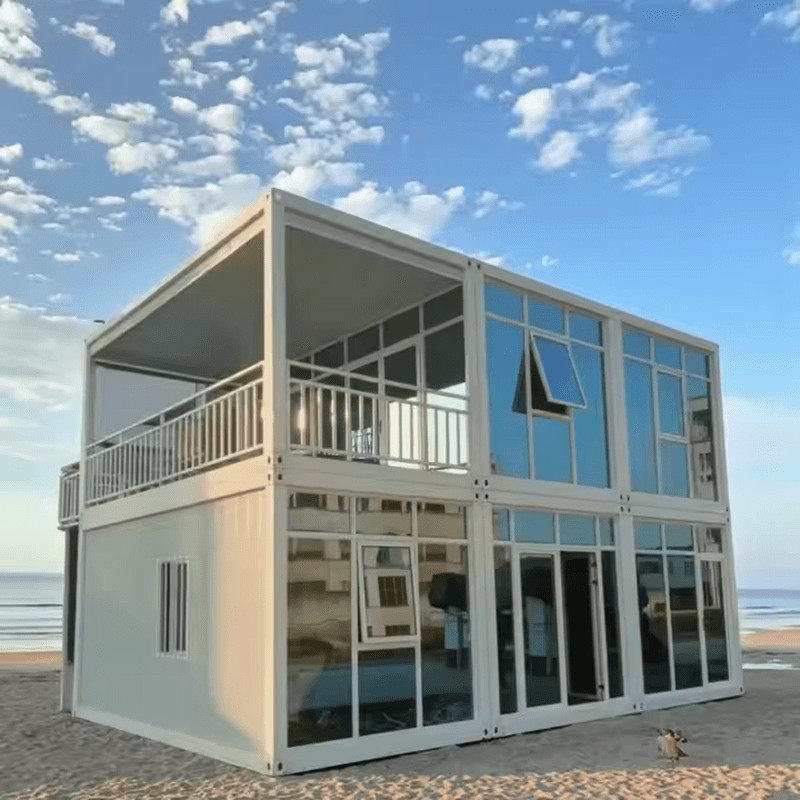
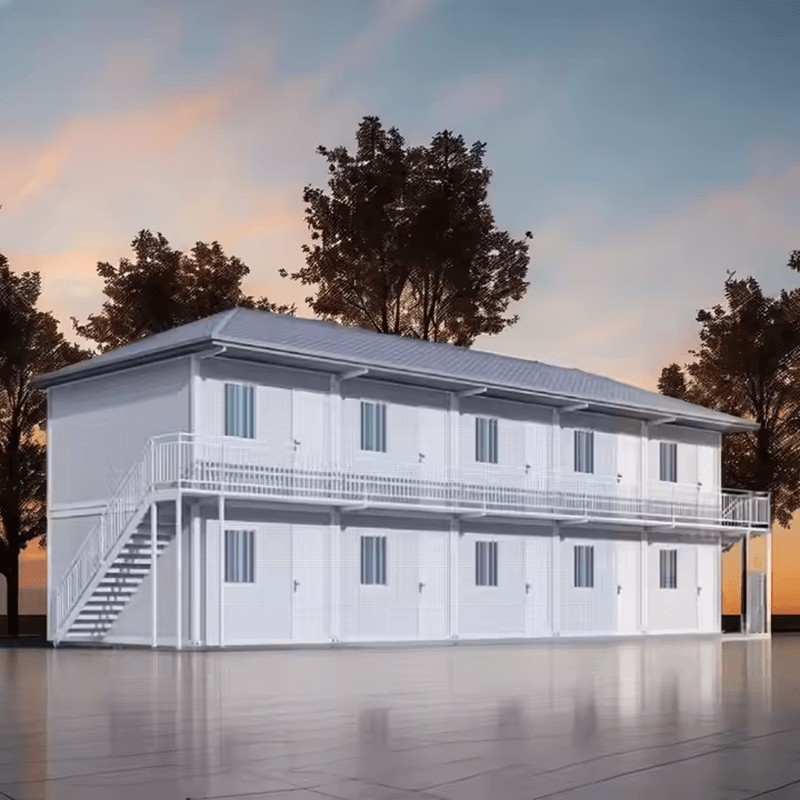
Absolutely. Units can be placed side-by-side or stacked (with specific structural modifications) to create larger complexes. This modularity is a major benefit of using modular expanded container houses for workforce camps or hotel developments.
Industry References
- ISO 1496-1: Series 1 freight containers — Specification and testing.
- ASTM E119: Standard Test Methods for Fire Tests of Building Construction and Materials.
- ASCE 7-10: Minimum Design Loads for Buildings and Other Structures.
- International Building Code (IBC) Section 3115: Provisions for Shipping Containers as Buildings.