 English
 русский
 Français
 Español
 عربى
عربى

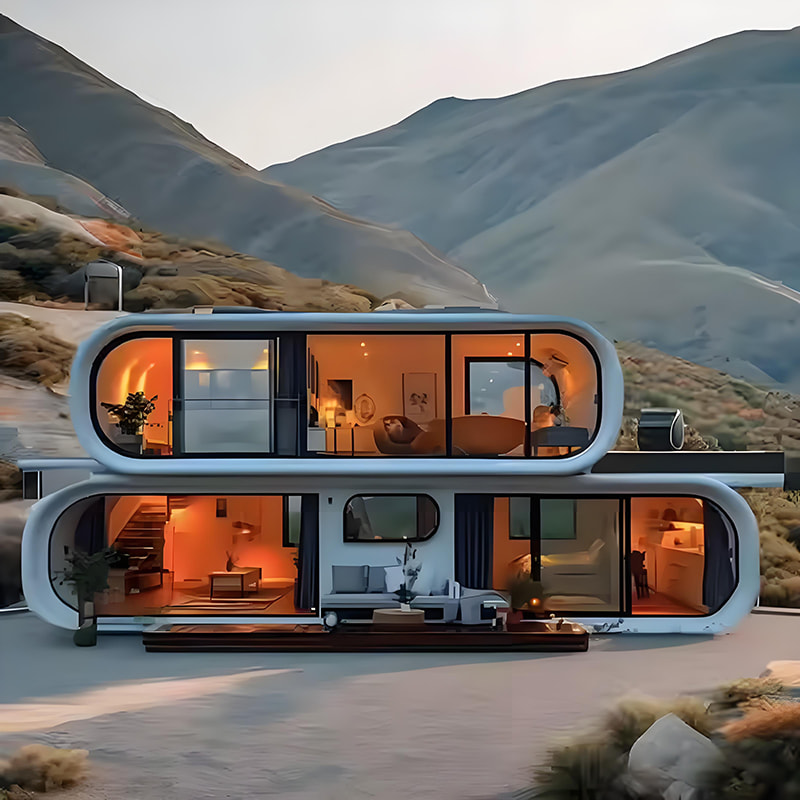
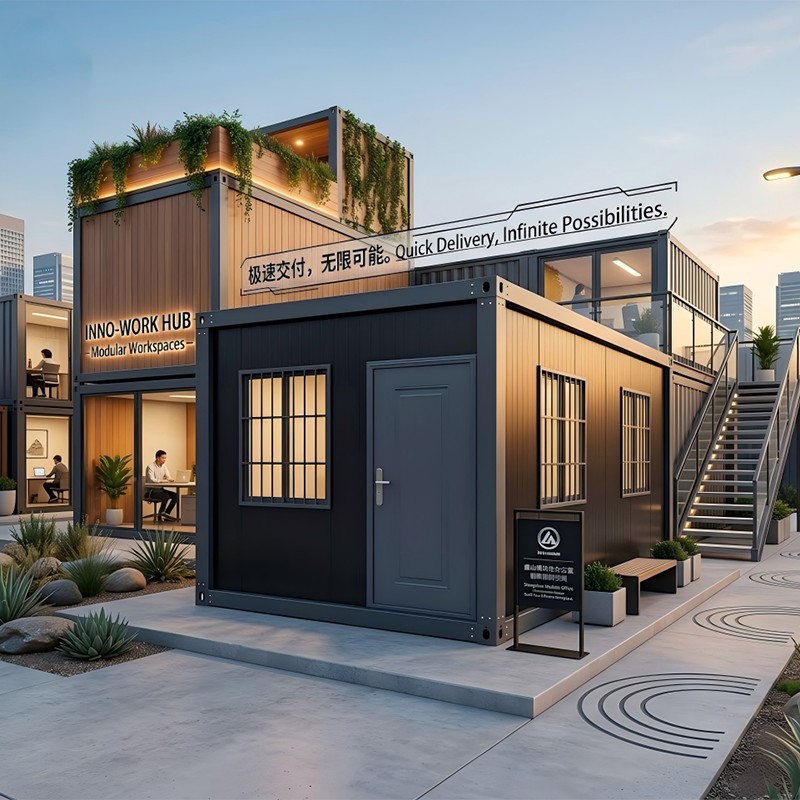
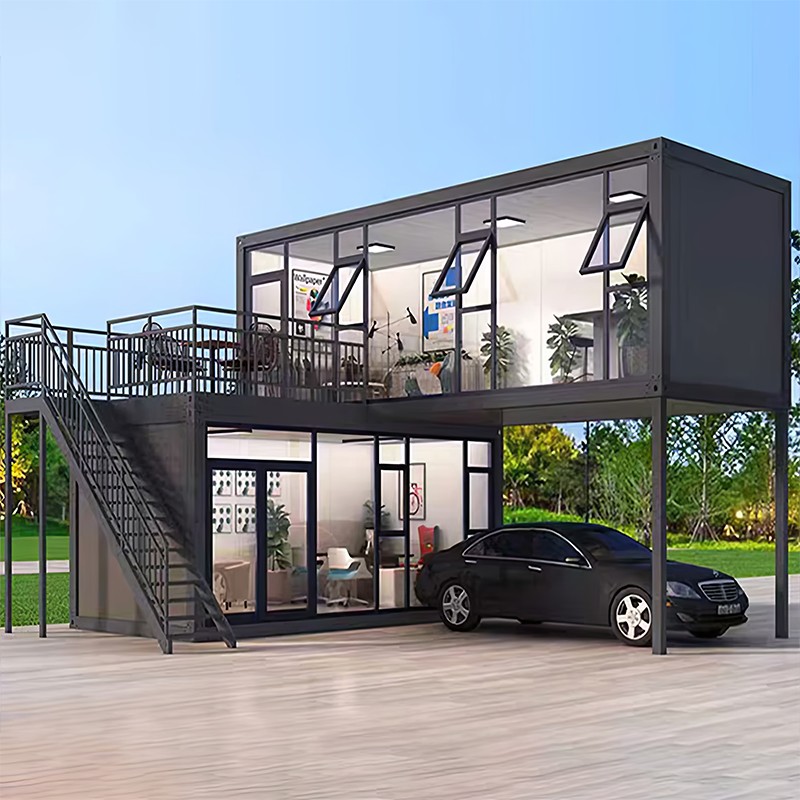
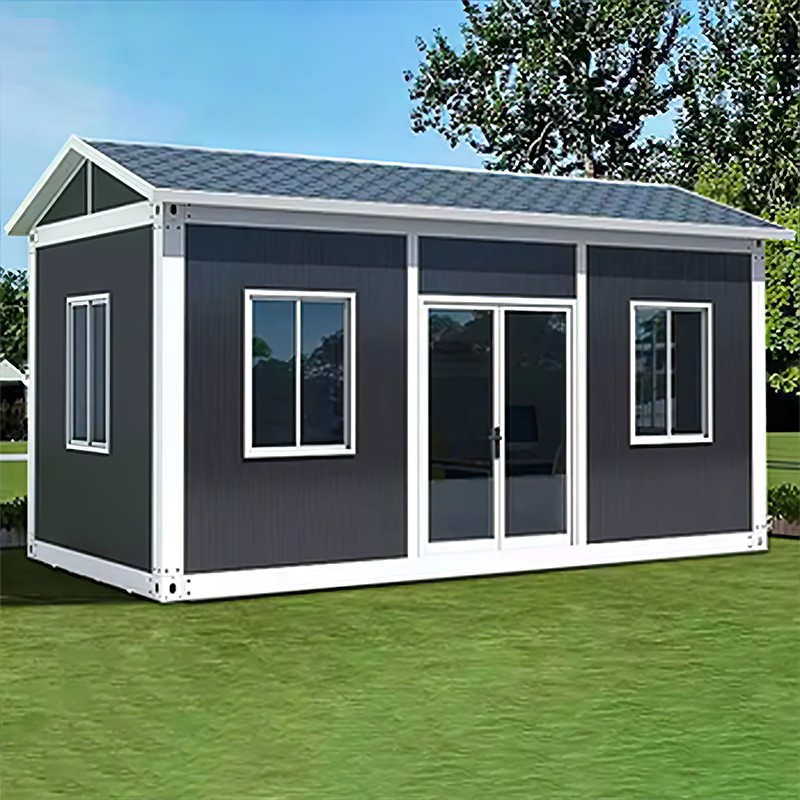
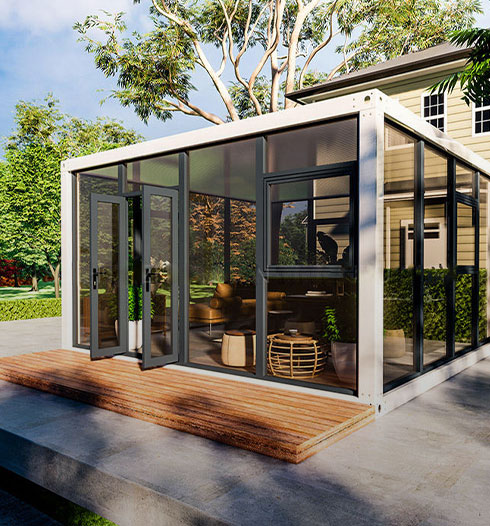
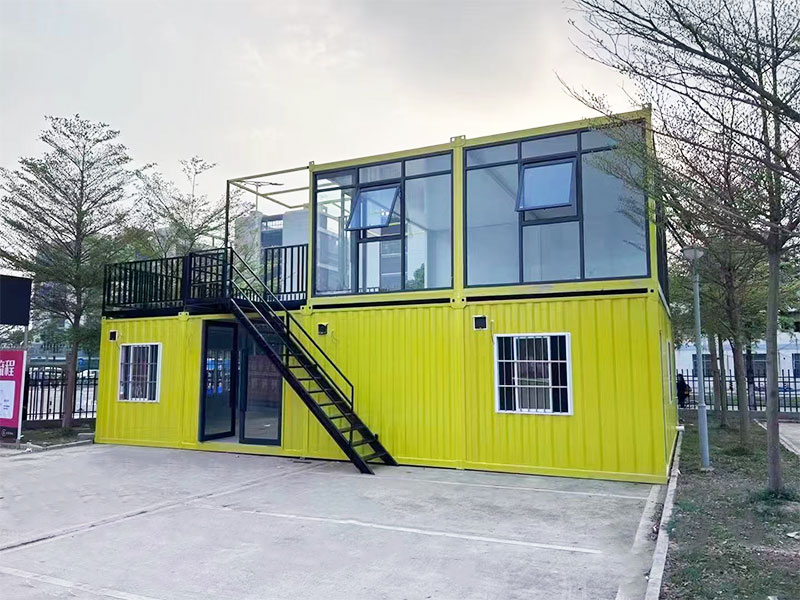
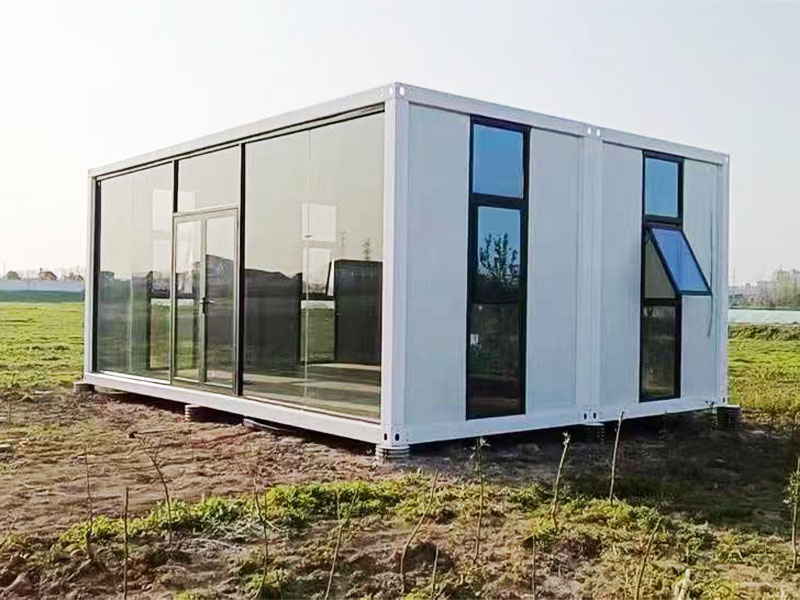
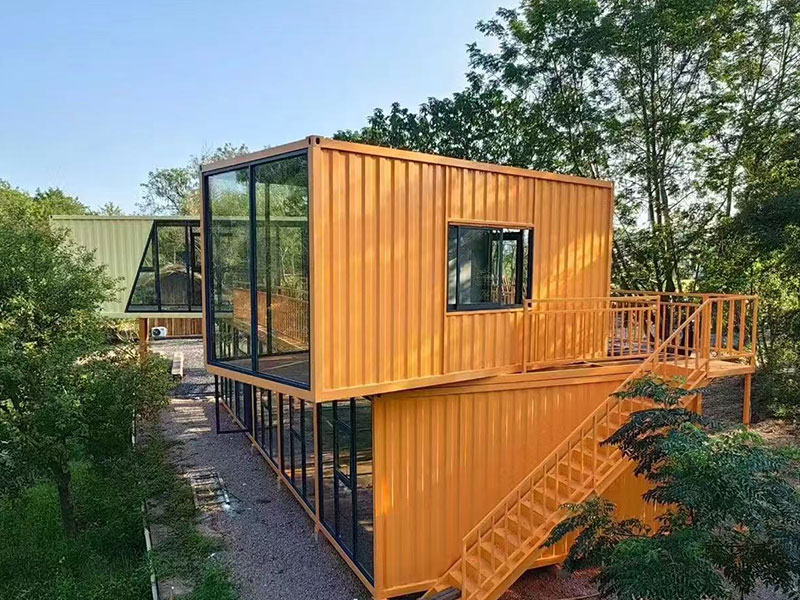
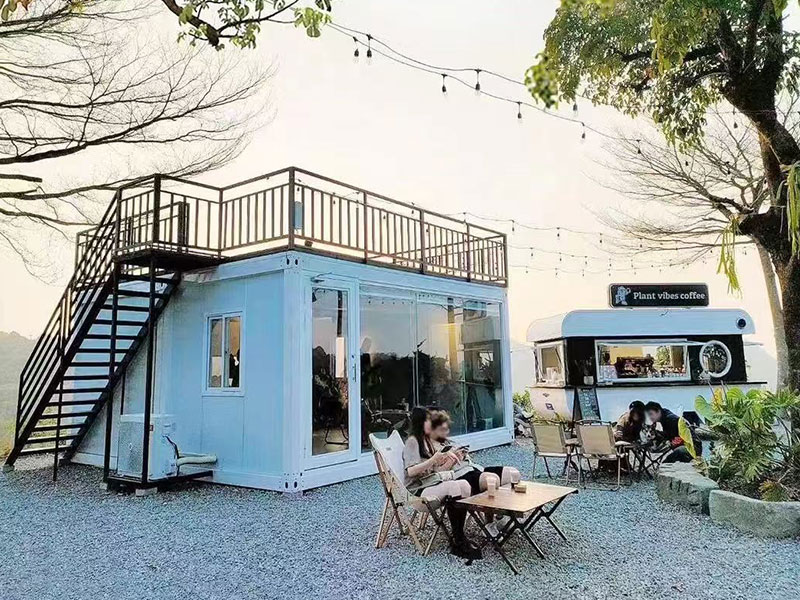
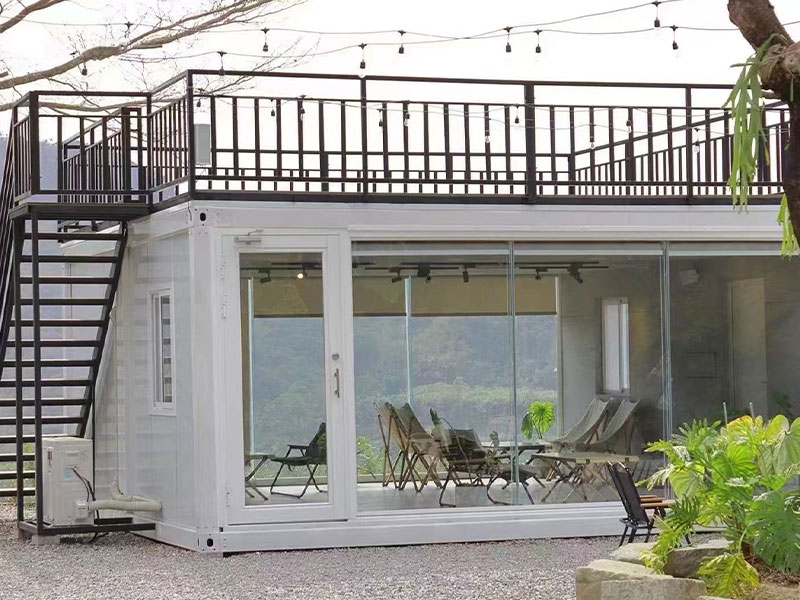
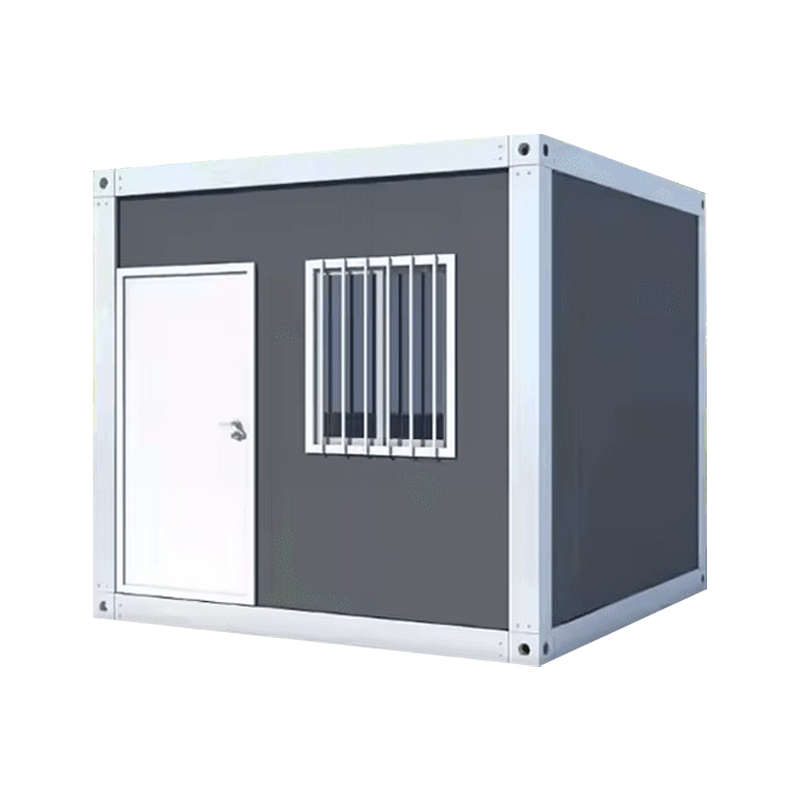
The construction landscape is evolving rapidly, with modular houses leading the charge towards a more efficient, sustainable, and cost-effective future. Unlike traditional site-built homes, these structures are manufactured in controlled factory settings in sections, or modules, and then transported to the building site for assembly. This guide delves deep into the world of prefabricated housing, exploring its advantages, addressing common concerns, and providing clear guidance for prospective homeowners and developers. As a specialized enterprise, Suzhou Shengshan Prefabricated Housing Manufacturing Co., Ltd leverages its strong R&D team and rigorous quality control to transform customer-provided drawings into high-quality, stable, and reliable modular living solutions.
Content
Understanding the Modular Construction Process
The journey of a modular house from concept to completion is a marvel of modern engineering and project management. It combines the precision of manufacturing with the permanence of traditional construction.
From Factory Floor to Finished Home
The process is sequential and highly controlled, ensuring consistency and quality at every stage.
- Design & Engineering: Every project begins with detailed architectural and engineering plans. These are optimized for factory production, transportation, and final assembly.
- Factory Fabrication: Modules are constructed simultaneously in a protected environment. Walls, floors, plumbing, electrical, and even interior finishes are installed with precision.
- Transportation: Completed modules are transported via truck to the building site. Careful logistical planning is essential for this phase.
- Site Assembly & Completion: A crane places the modules onto the prepared foundation. Crews then connect utilities, seal the modules together, and perform final inspections and finishing touches.
Key Advantages of Factory-Built Precision
Building indoors eliminates many variables that plague traditional construction.
- Weather-Independent Schedule: Construction continues uninterrupted by rain, snow, or extreme heat.
- Enhanced Quality Control: Each step is monitored by a professional inspection team, ensuring every product meets high standards before leaving the factory.
- Material Efficiency: Controlled inventory and bulk purchasing reduce waste significantly.
- Safer Working Conditions: A factory floor is inherently safer than a dynamic, open construction site.
Core Benefits of Choosing a Modular Home
Opting for a modular house offers a compelling array of benefits that extend beyond simple cost savings. These advantages make it an attractive option for a wide range of housing needs, from affordable modular home kits for self-builders to large-scale commercial developments.
Economic and Time Efficiency
The financial and scheduling benefits are among the most significant draws. The streamlined process leads to direct and indirect cost savings.
- Faster Build Times: Concurrent site prep and module construction can cut project timelines by 30-50%.
- Reduced Labor Costs: Factory efficiency and reduced on-site construction time lower overall labor expenses.
- Predictable Budgeting: Fixed manufacturing costs and fewer weather delays minimize the risk of budget overruns.
Superior Quality and Sustainability
Quality is the lifeline of reputable manufacturers. Companies like Suzhou Shengshan Prefabricated Housing Manufacturing Co., Ltd enforce strict raw material selection and advanced production controls, resulting in products that are not only high-quality but also environmentally conscious.
- Consistent Build Quality: Factory precision ensures tighter joints, better insulation installation, and overall higher craftsmanship consistency.
- Energy Efficiency: Modules are often built to exceed local energy codes, incorporating high-performance windows, superior insulation, and airtight seals from the start.
- Reduced Environmental Impact: Less material waste, fewer site disturbances, and the potential for integrating renewable energy systems contribute to a smaller carbon footprint.
Addressing Common Concerns and Misconceptions
Despite their advantages, some misconceptions persist about modular houses. It's crucial to separate myth from reality, especially when considering durable modular homes for extreme weather or evaluating financing options.
Durability and Financing Myths
Many assume modular homes are less sturdy or harder to finance than traditional homes, but this is not the case.
| Concern | Reality |
|---|---|
| Strength and Durability | Modular homes are built to the same or stricter building codes as site-built homes. They are engineered to withstand transportation stresses, often making them more structurally robust. |
| Financing Difficulties | Modern modular houses are typically financed with the same mortgages as traditional homes (e.g., FHA, VA, conventional loans) once placed on a permanent foundation. |
| Limited Design Options | Today's modular construction offers immense flexibility. From customizable multi-story modular house designs to a wide range of architectural styles, the options are nearly limitless. |
| Resale Value | A well-built modular home appreciates in value similarly to a traditional home. Appraisers treat them comparably when they are permanently affixed to land. |
Exploring Applications and Design Possibilities
The versatility of modular construction is one of its greatest strengths. It is no longer just about basic rectangular structures.
Residential and Commercial Uses
From single-family homes to complex commercial projects, the applications are vast.
- Primary Residences: A popular choice for families seeking a efficient, high-quality build.
- Accessory Dwelling Units (ADUs): Perfect as energy-efficient prefab guest houses or rental units, providing a faster solution for adding space.
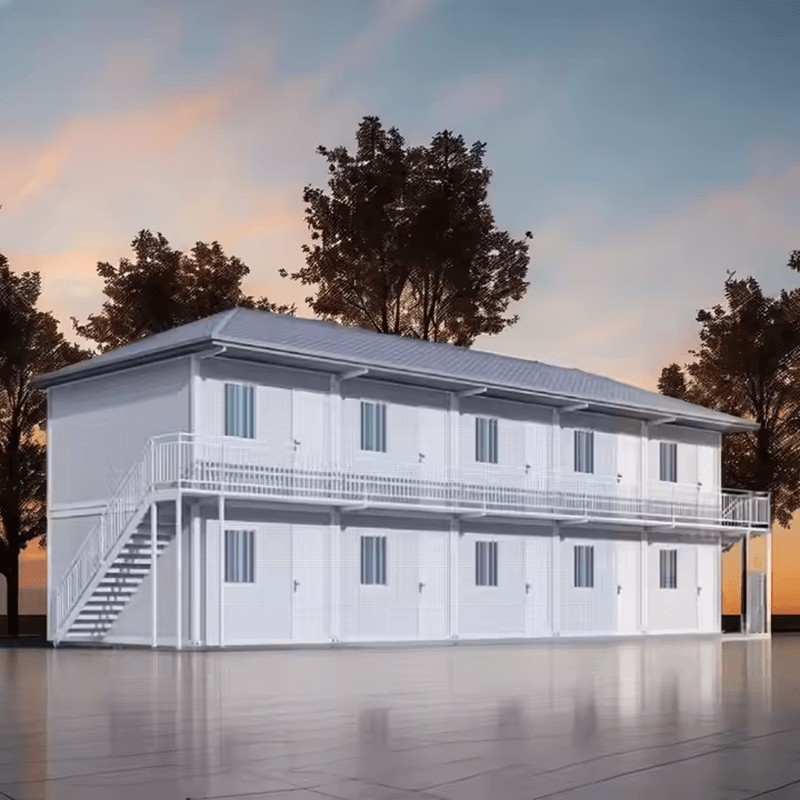
- Multi-Family Housing: Apartment buildings and student housing benefit greatly from the speed and consistency of modular methods.
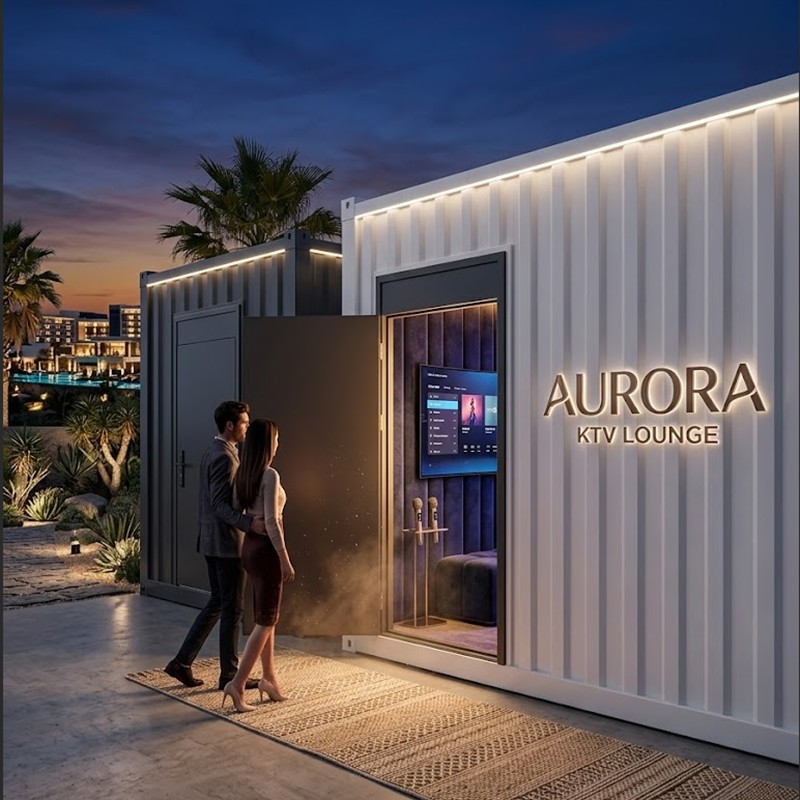
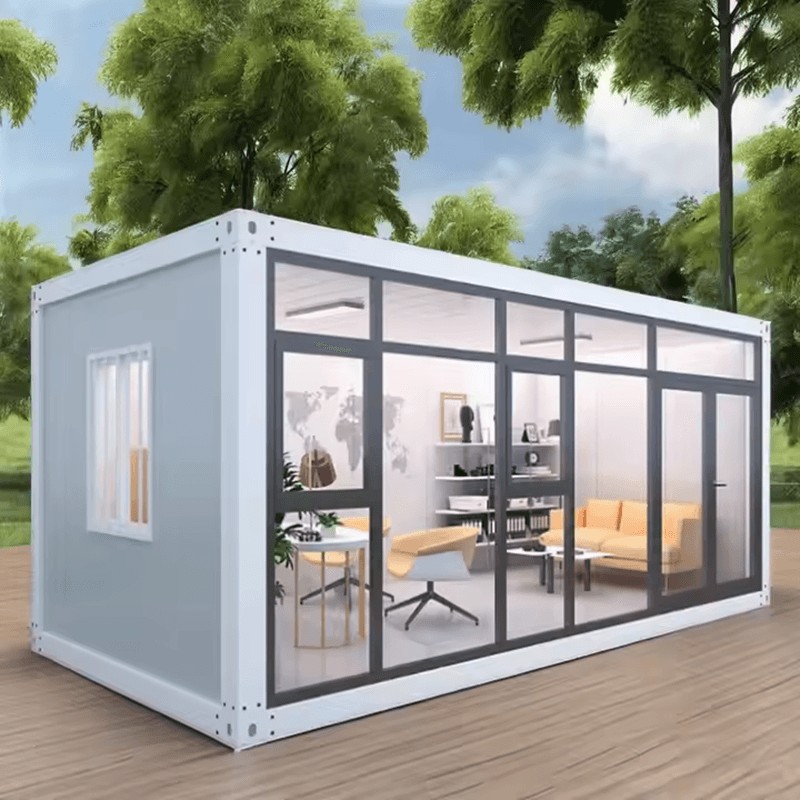
- Commercial & Institutional: Used for offices, healthcare clinics, and school classrooms.
The Future of Design: Customization and Style
Gone are the days of "cookie-cutter" designs. Modern modular companies excel at turning client visions into reality.
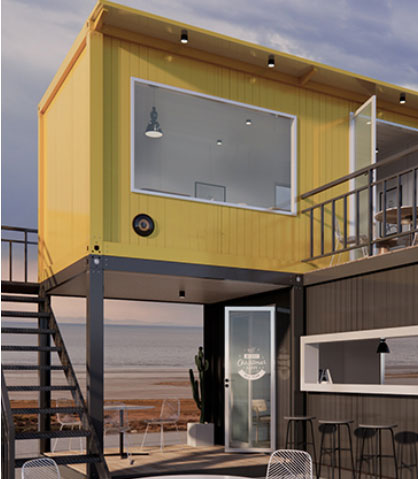
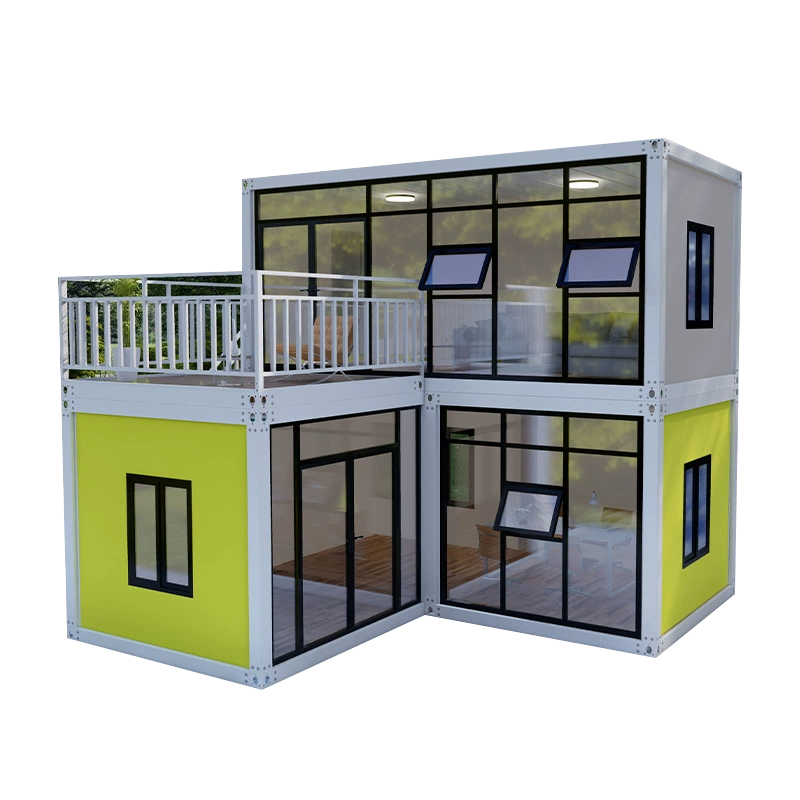
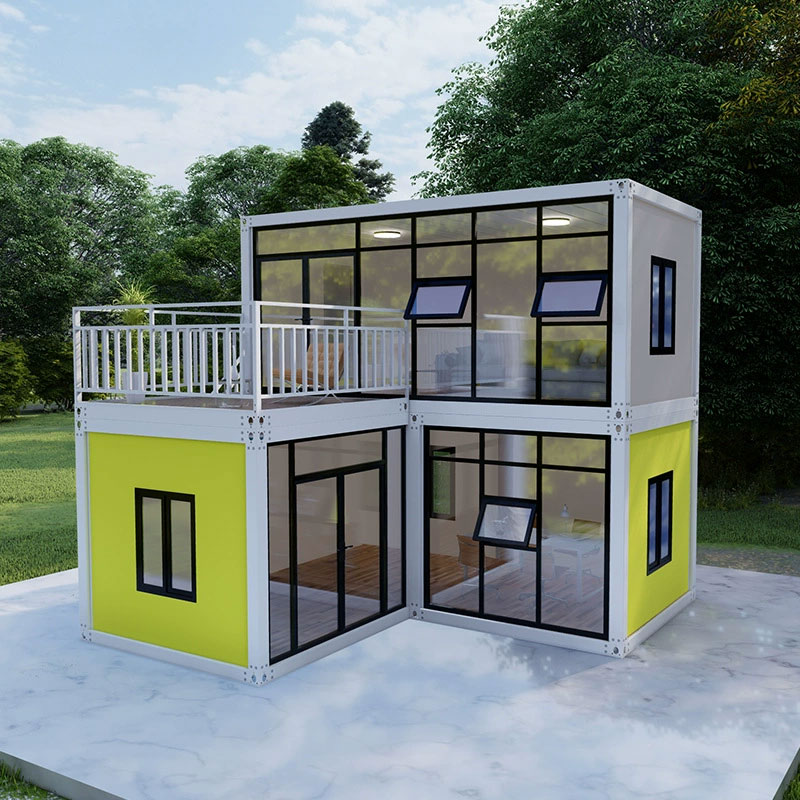
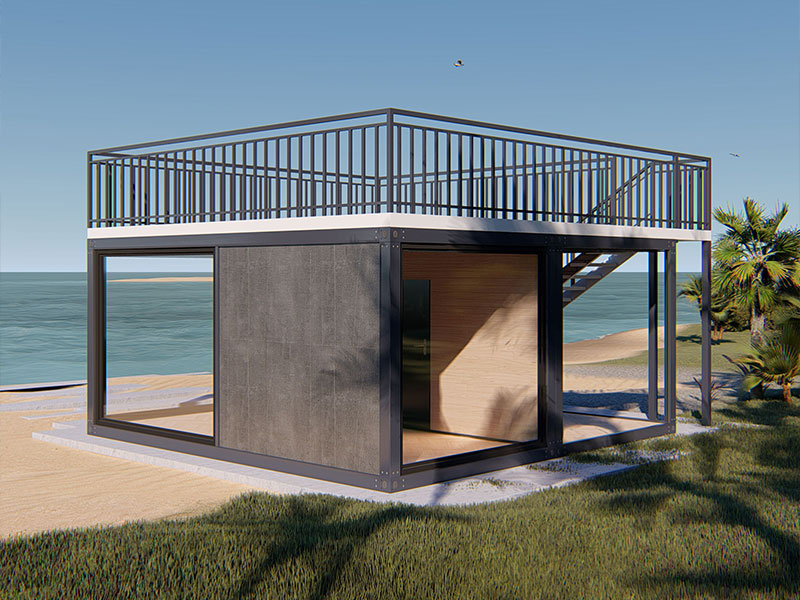
- Architectural Freedom: Clients can work with architects to create customizable multi-story modular house designs that reflect personal style, from modern minimalist to traditional.
- Luxury Finishes: High-end countertops, flooring, smart home technology, and custom cabinetry are all standard offerings.
- Expandable Concepts: Homes can be designed for future additions, allowing for expandable modular home additions plans as family needs change.
How to Select the Right Modular Home Provider
Choosing a manufacturer is the most critical decision in your modular journey. A partner with a proven track record, like Suzhou Shengshan Prefabricated Housing Manufacturing Co., Ltd, which employs top-tier process design and strict batch monitoring, is essential for a successful outcome.
Essential Criteria for Evaluation
Look beyond brochures and websites to assess a company's true capabilities.
- Experience and Portfolio: Review past projects, especially those similar to your vision.
- Engineering and R&D Capability: A strong in-house R&D team, as emphasized by Suzhou Shengshan, is crucial for solving complex design challenges and ensuring structural integrity.
- Quality Assurance Protocols: Inquire about their material sourcing, inspection processes, and production controls. The selection and audit of raw material suppliers are fundamental.
- Client Services: Evaluate their communication, design support, and process transparency from consultation to completion.
Questions to Ask During Consultation
Prepare a list of detailed questions to gauge a provider's reliability and fit for your project.
- Can you work with my architect's drawings or provide full design services?
- What is your build timeline, and what factors could cause delays?
- How do you ensure quality control for durable modular homes for extreme weather conditions?
- Can you provide a detailed, all-inclusive cost breakdown?
- What does your warranty cover, and for how long?
Frequently Asked Questions (FAQs)
1. Are modular homes cheaper than traditional stick-built homes?
Generally, yes. While the base price per square foot may be comparable, the significant savings come from reduced construction time (lower labor and financing costs), less material waste, and fewer budget overruns due to weather delays. This makes them an excellent choice for affordable modular home kits for self-builders and budget-conscious projects.
2. How long does it take to build a modular house?
The complete process, from factory order to move-in, typically takes 3 to 6 months for a standard home. This is notably faster than the 6-12+ months often required for traditional construction, as site work and module fabrication occur simultaneously.
3. Can I customize the design of my modular home?
Absolutely. Customization is a major advantage. Reputable manufacturers specialize in creating customizable multi-story modular house designs based on client-provided drawings or samples. You have extensive choices in layout, finishes, fixtures, and exterior aesthetics.
4. Are modular homes energy efficient?
Yes, they are often more energy-efficient. Built in a controlled environment, they achieve superior airtightness and precise installation of insulation. Many companies, focused on quality, construct them to exceed local energy codes, making them ideal as energy-efficient prefab guest houses or primary residences.
5. Can I add on to a modular home in the future?
Yes, with proper planning. It is crucial to discuss future expansion during the initial design phase. Manufacturers can create expandable modular home additions plans, ensuring the original structure is engineered to seamlessly and safely support future modules or site-built additions.